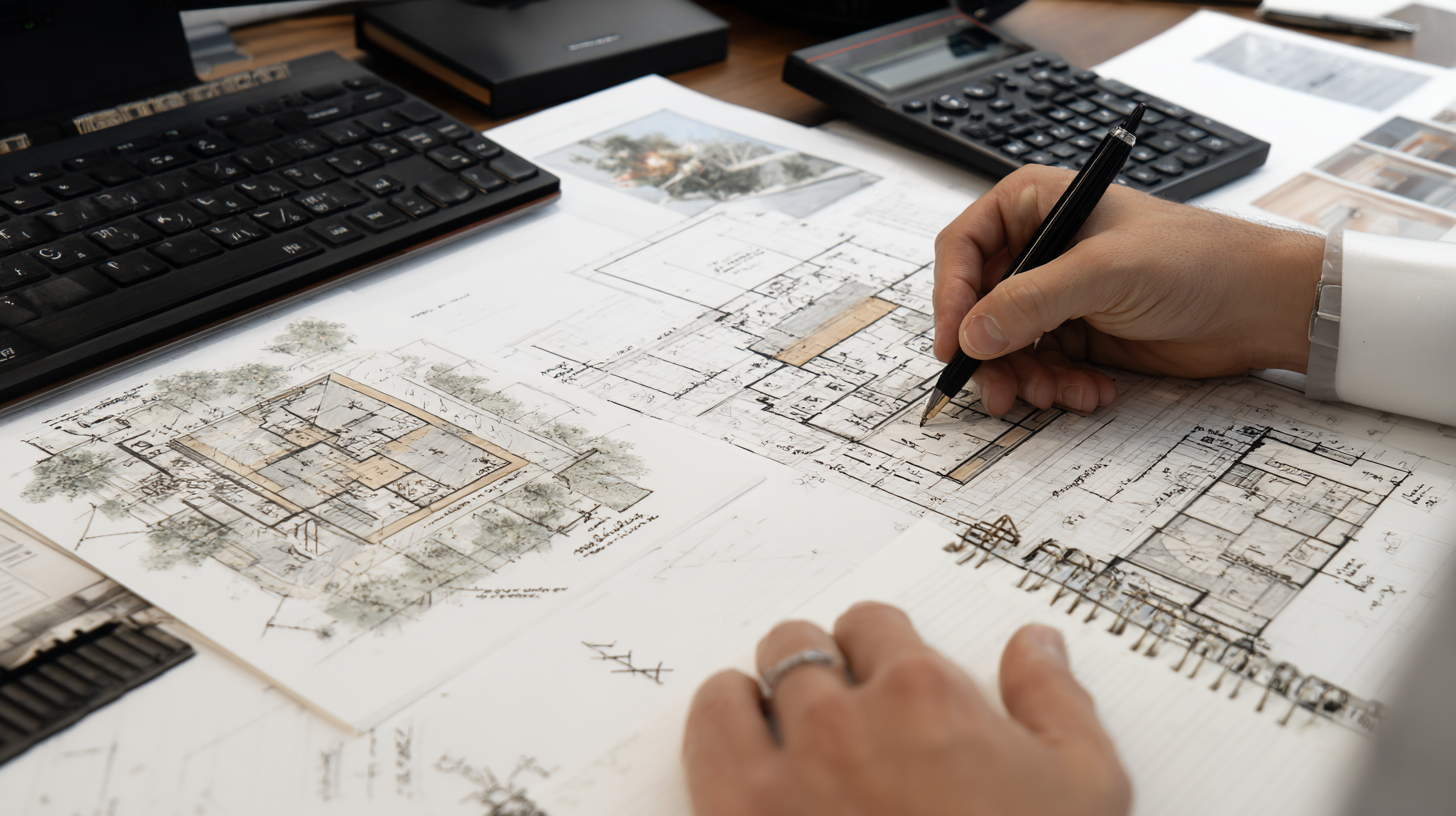

Ever stared at a cracked tile in your bathroom and thought, “I can’t live like this anymore”? Or maybe you’ve dreamed of knocking down a wall to create that open-concept kitchen you see on all the reno shows. We get it. We’ve been there, both as homeowners and as the folks who get called to fix the… enthusiastic DIY attempts. Let’s be real: remodeling is equal parts thrilling and terrifying. Where do you even start? Budget? Permits? Finding someone who won’t vanish halfway through? Take a deep breath. We’re going to walk through this together, from that first spark of an idea to the final coat of paint.
Table of Contents
The Great Debate: DIY vs. Pro
We love a good DIY project. Building a bookshelf? Go for it. Painting an accent wall? You’ve got this. But when we’re talking about structural changes, plumbing, or electrical work, the line between “cost-saving” and “catastrophe” gets pretty thin.
Think about it: a botched paint job is annoying. A botched plumbing job is a waterfall in your living room. A professional general contractor doesn’t just swing a hammer. They bring a network of trusted specialists, understand Miami’s specific building codes (which, trust us, is a full-time job to keep up with), and manage the project timeline so you’re not living in a construction zone for a year.
Here’s the cold, hard truth: The most affordable path long-term is often hiring the right pro from the start. Redoing work eats up time and money faster than you can say “leaky pipe.”
Setting a Budget That Doesn’t Haunt Your Dreams
Let’s talk about the elephant in the room: cost. It’s the number one question we get, and for good reason. A renovation contractor worth their salt will be upfront about this. The price isn’t just materials and labor; it’s a buffer for the unexpected. Because in remodeling, the unexpected isn’t a possibility—it’s a guarantee.
A good budget has three parts:
- The Dream List: Everything you want. That Italian tile, the smart home system, the heated floors.
- The Reality Check: What you actually need, prioritized. (FYI, fixing the foundation is a need. The gold-plated faucet is a want.)
- The “Oh Crap” Fund: A contingency of 10-20% for when we open a wall and find wiring from the disco era.
Getting quotes is crucial, but IMO, the cheapest bid is almost always the most expensive choice. You’re not just buying hours; you’re buying expertise, insurance, and peace of mind. When you’re looking for the best remodeling company, compare the scope of work and communication style, not just the bottom line.
The Miami Remodeling Playbook: What’s Hot & What’s Not
Living and working in Miami shapes everything about a project. It’s not just aesthetics; it’s about building for our environment.
Forget the generic stuff. Here, home remodeling services need to consider:
- Humidity & Heat: Materials must withstand our climate. We choose mold-resistant drywall, proper ventilation, and exterior finishes that laugh at the sun.
- Indoor-Outdoor Flow: This is non-negotiable. Whether it’s a residential home addition that blurs the line to the pool or large impact-resistant sliding doors, we design for the way we live.
- Style with Substance: Yes, we love a clean, modern look. But it has to be durable. It’s about finding that perfect terrazzo or porcelain tile that looks amazing and can handle a sandy flip-flop.
A great house remodeling contractor in Miami doesn’t just build; they adapt. They know which permits are a nightmare and how to design spaces that feel airy and bright, not like sealed concrete boxes.
A Quick Guide to Project Types & Timelines
Not all remodels are created equal. The scope defines the chaos level 🙂 Here’s a handy table to set some realistic expectations.
| Project Type | Typical Scope | Realistic Timeline | Why a Pro is Key |
|---|---|---|---|
| Bathroom Remodel | Fixture replacement, tiling, lighting, vanities. | 3-6 weeks | Waterproofing. Get this wrong, and you’re funding the plumber’s next vacation. A specialist bathroom remodeler is worth their weight in gold. |
| Kitchen Renovation | Cabinetry, countertops, appliances, flooring, layout changes. | 6-12 weeks | It’s the heart of the home and a complex dance of electrical, plumbing, and carpentry. Coordination is everything. |
| Full Home Remodel | Whole-house overhaul, often involving structural changes. | 4-8 months | This is a marathon. You need a general contractor to manage dozens of trades, permits, and inspections without you losing your mind. |
| Office Refurbishment | Updating interiors, lighting, layout, tech infrastructure. | 2-4 months | Minimizing business disruption is the name of the game. A commercial contractor plans for phased work after hours. |
Why You Won’t Regret Choosing a Local Team Like Ours
Okay, let’s get a bit personal. We run Trusst Construction here in Miami, and we’ve seen it all. The good, the bad, and the “why is there a chicken wire in the ceiling?” We built this construction company because we believe the process should be as rewarding as the result.
When you work with a local team, you’re not a job number. You’re our neighbor. We’re at the same hardware stores, we deal with the same county offices, and our reputation is everything. We’ve built relationships with suppliers near you, which can sometimes help with material cost. More importantly, we’re in it for the long haul. That home remodeling project we did five years ago? We’re still the first call when those homeowners are ready to tackle the next thing.
Whether you need a bathroom remodeler for a master suite update or a commercial contractor for a full office refurbishment, having a team that communicates clearly and shows up every day makes all the difference. We’re not just builders; we’re your guides through this wild process.
Your Top 4 Remodeling Questions, Answered
Let’s tackle some of the most common questions we hear daily.
1. How long will my project really take?
Honestly? Longer than you hope, but shorter than your worst nightmare. The timeline in our table is a great guide, but supply chain hiccups, permit approvals, and those lovely “surprises” we find can adjust it. A good contractor will communicate these delays immediately, not when the finish date has passed.
2. Should I buy my own materials to save money?
Sometimes, but it’s risky. We get trade discounts that often offset retail price. More crucially, if you supply the wrong tile or a faulty fixture, you own the problem and the cost to fix it. When we supply it, we guarantee it. It’s about liability as much as savings.
3. How do I prepare for living through a remodel?
Set up a temporary kitchen (microwave, mini-fridge, coffee maker). Seal off the work area with plastic sheeting to contain dust. And cultivate patience. It will be dusty, noisy, and disruptive. But remember, it’s temporary chaos for a long-term gain.
4. What’s the first step?
The first step is always a conversation. Define your goals, wishes, and budget range. Then, bring in a pro. For us at Trusst Construction, that means a detailed consultation to understand your vision and provide a clear, transparent scope of work. It’s the foundation of everything.
Wrapping It Up: Your Dream Space Awaits
So, where does this leave us? Hopefully, feeling a bit more empowered and a lot less overwhelmed. Remodeling is a journey—a messy, exciting, and ultimately incredibly rewarding one. The key is partnering with people who see your vision, respect your budget, and have the expertise to navigate the million little details that pop up along the way.
It’s about creating a home that works for you, or a business space that inspires productivity. And if you’re in the Miami area and want to chat about making that dream a reality with a team that will actually listen, well, you know where to find us. Trusst Construction is always here to help turn those “what ifs” into “why didn’t we do this sooner?” Let’s build something amazing, together.