Luxury Home Renovation

Customer Reviews

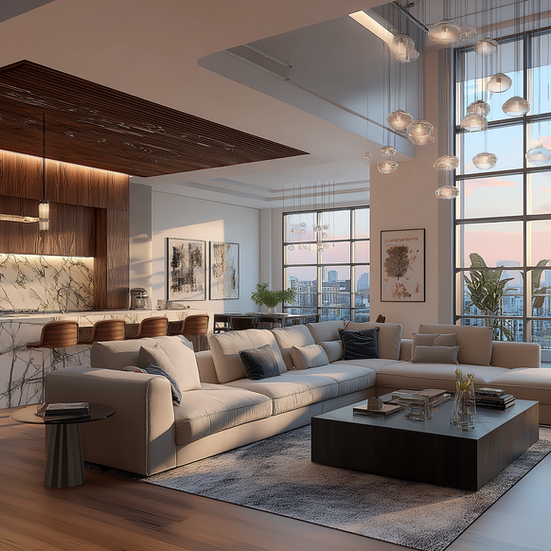
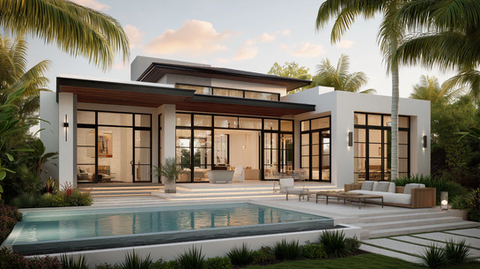
Here in Miami, your home is more than just a house. It’s your retreat from the vibrant energy of South Beach, your private oasis after a day on the water, and the ultimate space for hosting under our perennial sun. Standard remodeling can’t capture that essence. What you need is a true Luxury Home Renovation in Miami FL—a thoughtful, master-built transformation that respects the unique demands of our climate, lifestyle, and architectural beauty.

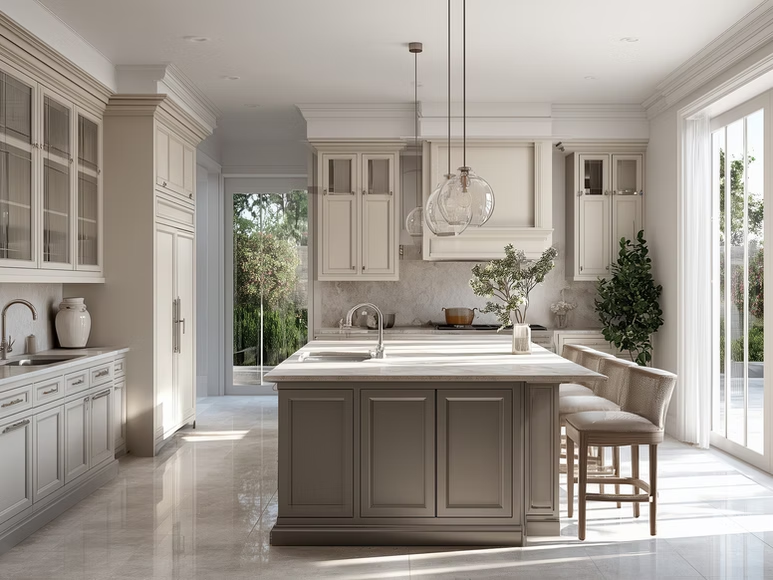
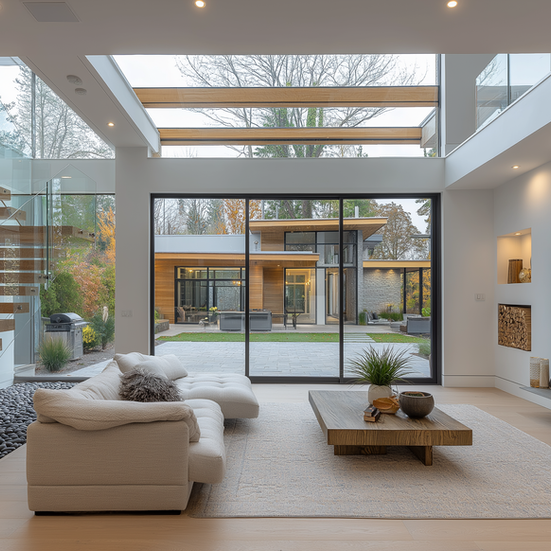
We don’t just renovate houses; we reimagine luxury living. It starts with a conversation about how you live. Do you crave a chef’s kitchen that flows seamlessly to the pool deck for effortless entertaining? Are you looking to bring the indoor-outdoor lifestyle to life, with durable, beautiful materials that stand up to our salt air and humidity? This is the detail that defines our approach.

Where Vision Meets Build Quality

Anyone can install expensive finishes. The hallmark of a genuine luxury renovation is the integration of design, structural integrity, and foresight. We operate as a unified design-build team, meaning our architects and master craftsmen collaborate from the first sketch. This eliminates costly miscommunications and ensures the marble you fell in love with is perfectly supported, and the wall of impact-resistant glass overlooking your garden is flawlessly installed.

For us, “luxury” is as much about what you don’t see: the moisture barrier behind the shower tile that prevents mold, the reinforced concrete for your new second-story addition, and the seamless integration of smart home technology that manages everything from hurricane shutters to ambient lighting.

Our Approach to Key Transformations

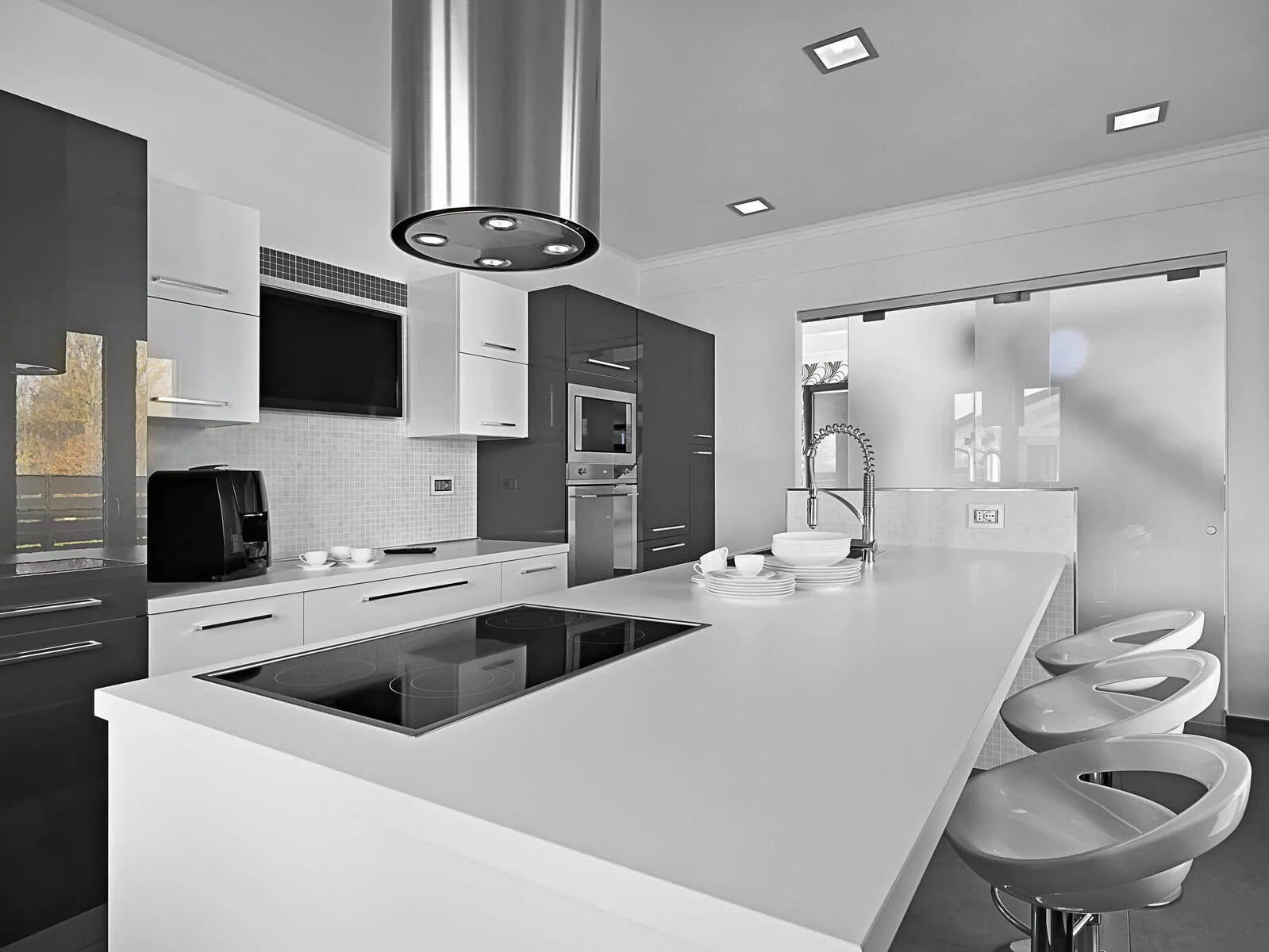
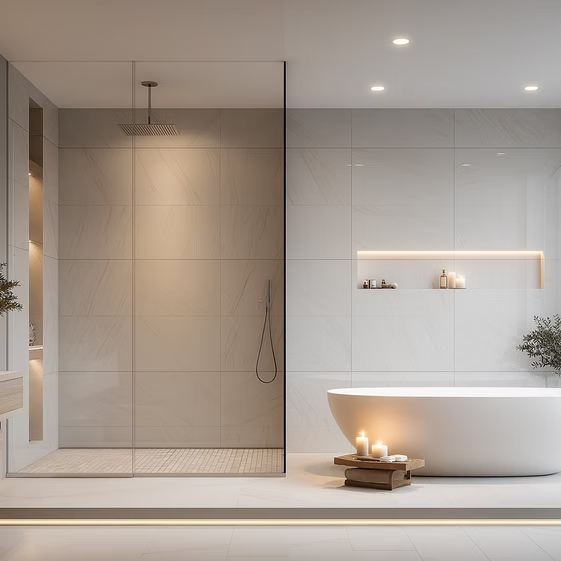
  • Kitchen & Bathroom Remodeling: Moving beyond catalog upgrades to custom, handcrafted spaces. Think of vent hoods fabricated by local metal artisans, or a primary bath suite that turns your morning routine into a spa-like experience.

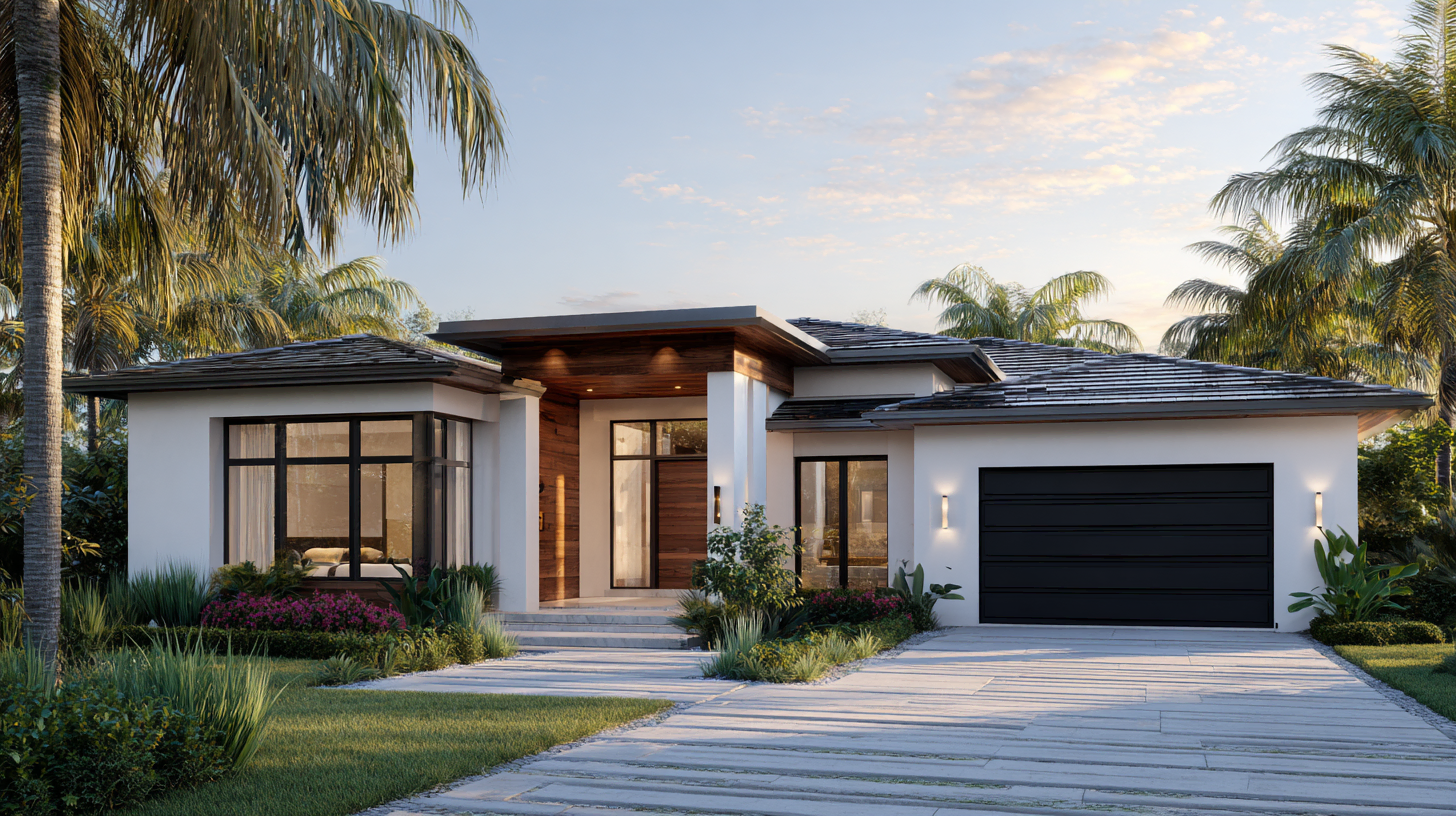
  • Whole Home Renovation & Room Additions: Synchronizing new work with the existing character of your home, whether you’re in a classic Coral Gables estate or a modern Bayfront property. We manage the process so your life is disrupted as little as possible.

  • Seamless Indoor-Outdoor Living: Constructing loggias, summer kitchens, and poolside features that are built to last, using materials suited for our subtropical environment.

Questions Our Miami Clients Often Ask

How long does a typical luxury renovation take?
Every project is unique. A primary suite remodel may take 3-4 months, while a whole-home transformation can take 8-14 months. The key is the upfront planning. We provide a detailed timeline before we begin and are committed to clear communication every step of the way.

How do you handle permitting with the city?
We handle it all. Our team is deeply familiar with the specific requirements and processes of Miami-Dade and the various municipal jurisdictions. This is a non-negotiable part of our service—you shouldn’t have to navigate city hall.

We live in the home during the renovation. How do you manage the disruption?
We create a detailed living plan. We will seal off the work area with dust barriers, establish clear access paths for workers, and protect your existing floors and furnishings. We respect your space and your time, scheduling noisy work appropriately and maintaining a clean, safe site.

Contact Us

Trusst Your Partner for Home Remodeling

Request a quote from Trusst Construction, serving Miami, Fort Lauderdale, Palm Beach and more with commercial, residential, and multi-family projects.

Business Address:
19790 W Dixie Hwy, Unit 1005, Miami FL 33180
info@trusstconstruction.com

305-786-3199


Service Areas

Understanding the Investment: Quality vs. Cost

A luxury renovation is a significant investment. The value isn’t just in the materials, but in the expertise, management, and peace of mind. Here’s a plain-language look at the difference.

ConsiderationA Standard RemodelerOur Luxury Renovation Process
PlanningOften works from a basic plan; changes during build cause delays and change orders.A comprehensive design phase maps everything out. Costs and timelines are stabilized before a single wall is touched.
Problem SolvingMay encounter “surprises” (like outdated wiring or water damage) that become your unforeseen cost.Our experience allows us to anticipate common issues in Miami homes. Contingencies are planned, and solutions are presented professionally.
Materials & CraftsmanshipUses readily available supply-house items; installers may be subcontracted and change weekly.We source premium, often custom materials. Our dedicated crew of master carpenters, tilers, and finishers ensures consistent, artisanal quality.
Your InvolvementYou are often the daily project manager, fielding calls from multiple trades.You have a single, experienced project lead. You receive clear, scheduled updates, not daily problems.

Begin Your Transformation

Transforming your home is a journey, and it begins with a genuine connection. We want to understand not just your architectural vision, but how you dream of living in your renewed space. The next step is a collaborative, no-obligation consultation at your home. We’ll walk the property, discuss your ideas, and provide you with a clear overview of what a thoughtful process looks like. You’ll leave that conversation with insight, not just a sales pitch.

People Also Ask

The $40,000 grant in California is a reference to the CalHFA ADU Grant Program. This initiative provides forgivable loans of up to $40,000 to qualified homeowners to cover pre-development costs associated with building an Accessory Dwelling Unit (ADU) or Junior ADU (JADU). Eligible costs include impact fees, plan check and permit fees, architectural designs, and soil reports. The loan is forgiven if the homeowner completes the ADU and occupies either the primary home or the ADU as their primary residence for five years. This program is designed to alleviate the state's housing shortage by making ADU construction more financially accessible for low- and moderate-income homeowners.

Accessory Dwelling Units (ADUs) are generally legal in North Carolina, but their specific legality and regulations are determined at the local level by municipal and county zoning ordinances. State law permits local governments to authorize ADUs, so rules vary significantly between cities like Charlotte, Raleigh, and Asheville. Common local requirements include owner-occupancy of the primary residence, size restrictions (often capping the ADU at a percentage of the primary home's square footage), separate utility connections, and adherence to strict building and safety codes. It is crucial to consult with your local planning or zoning department before proceeding with plans, as non-compliance can result in fines or required demolition.

The cost comparison between building an accessory dwelling unit (ADU) on-site versus purchasing a prefabricated model depends heavily on project specifics. Generally, prefab ADUs can be cheaper and faster due to controlled factory construction, which reduces labor time and material waste. However, site-built ADUs offer greater customization to match an existing home's architecture and navigate unique lot constraints, though they often incur higher labor costs and longer timelines. Key factors influencing cost include local permitting fees, site preparation needs like foundation work and utility connections, and the quality of finishes chosen. A detailed budget analysis from contractors and prefab companies for your specific location and needs is essential for an accurate comparison.

Yes, Accessory Dwelling Units (ADUs) are generally legal in Texas, but their specific legality and regulations are determined at the local municipal level. State law does not prohibit them, so cities and counties set their own zoning ordinances, which can vary widely. For instance, Austin has been proactive in allowing and encouraging ADUs to increase housing density, while other municipalities may have more restrictive rules regarding size, parking, owner-occupancy, and design. It is crucial to consult with your local city planning or building department to understand the exact requirements, permits needed, and any neighborhood-specific covenants before proceeding with an ADU project in Texas.

The cost of building an accessory dwelling unit (ADU) varies widely based on location, size, design, and site conditions. On average, you can expect a range from approximately $100,000 to $300,000 or more. Key cost drivers include foundation work, materials, labor, permits, and utility connections. Prefabricated or "granny flat" kits can sometimes reduce expenses, while custom designs and high-end finishes increase them. It is crucial to obtain detailed quotes from licensed contractors familiar with local zoning and building codes, as these regulations significantly impact feasibility and cost. Proper budgeting should also include a contingency of 10-20% for unforeseen issues during construction.

The $25,000 ADU grant typically refers to financial assistance programs, often state or local, designed to offset the costs of building an Accessory Dwelling Unit (ADU). These grants aim to increase affordable housing stock. Eligibility usually requires the ADU to be rented at affordable rates for a minimum period, often 5-10 years. Key steps involve verifying program availability in your specific municipality, understanding all income and property requirements, and securing necessary permits before construction begins. Working with a licensed contractor experienced in ADU development is crucial to ensure compliance and maximize the grant's value. Always review the official program guidelines for the most current details.

Building an accessory dwelling unit (ADU) in California involves navigating specific state and local regulations designed to increase housing supply. California has passed laws to streamline ADU approval, often allowing them by right in single-family zones, with relaxed parking requirements and faster permitting. Key considerations include size limits (typically up to 1,200 sq ft), height restrictions, and owner-occupancy rules, which can vary by city. Working with a design professional familiar with local codes is crucial for compliance. ADUs offer significant benefits, providing rental income or housing for family members while increasing property value. Proper planning for utility connections, construction costs, and design that complements the main residence is essential for a successful project.

Adu building plans are essential for constructing accessory dwelling units, which are secondary housing units on a single-family residential lot. These plans must comply with local zoning codes, building regulations, and specific requirements like size limits, parking, and utility connections. Professional drafting is recommended to ensure structural integrity, efficient space use, and adherence to legal standards. Key considerations include foundation type, roof design, insulation, and accessibility features. Working with a licensed architect or designer familiar with ADU regulations in your area can streamline the permitting process and help avoid costly revisions, ensuring a safe and functional living space that adds value to the property.

Google

Overall Rating

5.0
★★★★★

26 reviews