
Ever stared at a cracked tile in your bathroom and felt a wave of renovation dread wash over you? Or maybe you’ve dreamed of that open-concept kitchen but the sheer thought of permits, dust, and contractor interviews makes you want to lie down. We get it. We’ve been there, both as homeowners and now as the folks on the other side of the blueprints. Let’s have a real chat about turning that “what if” into “wow,” without the horror stories.
Table of Contents
Demystifying the Renovation Beast: It’s Not Just Hammering
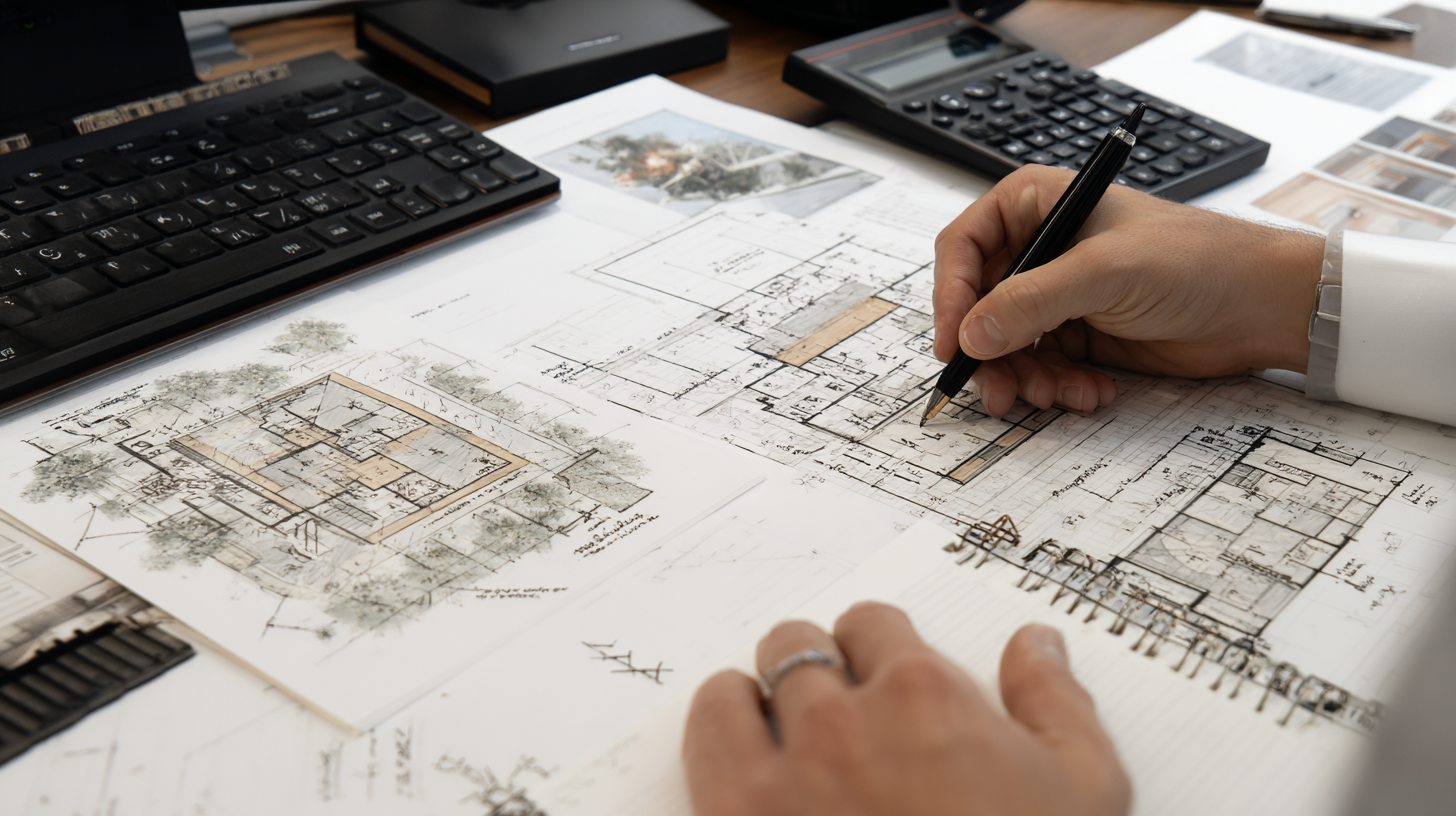
First things first, let’s clear the air. A successful remodel isn’t just about swinging hammers and picking paint swatches. It’s a symphony of planning, budgeting, design, and execution. Think of it like planning a big road trip. You wouldn’t just jump in the car and go, right? You’d pick a destination, map the route, budget for gas and snacks, and make sure your car is up for it. A renovation is the same.
The single biggest mistake we see? Folks jumping straight to the cost of materials without seeing the full picture. The true price of peace of mind includes a solid plan, a realistic timeline, and a team that communicates. That’s where a seasoned general contractor becomes your best friend. They’re your project quarterback, calling the plays between the electricians, plumbers, and carpenters so you don’t have to.
The Great Debate: DIY vs. Pro (Spoiler: We’re Biased)
Okay, let’s tackle the elephant in the room. Sure, you can watch a tutorial and learn to install a backsplash. But when we’re talking about moving walls, updating electrical, or that dream bathroom remodeler magic, the stakes get higher. A leaky pipe is a nuisance; a leaky pipe you installed incorrectly behind a brand-new custom shower wall is a personal nightmare.
Here’s our IMO: DIY the decor, hire a pro for the infrastructure. It’s the difference between putting up a shelf and ensuring your house doesn’t fall down. A professional remodeling team, like ours at Trusst Construction here in Miami, brings something priceless to the table: foresight. We’ve seen what can go wrong and we build safeguards against it. That’s what you’re really investing in.
Budget Talk: Making “Affordable” a Reality, Not Just a Buzzword
We’re going to say the quiet part out loud: “affordable” doesn’t mean “cheap.” It means smart value. It means your budget is respected and maximized. How do we do that? Transparency and planning.
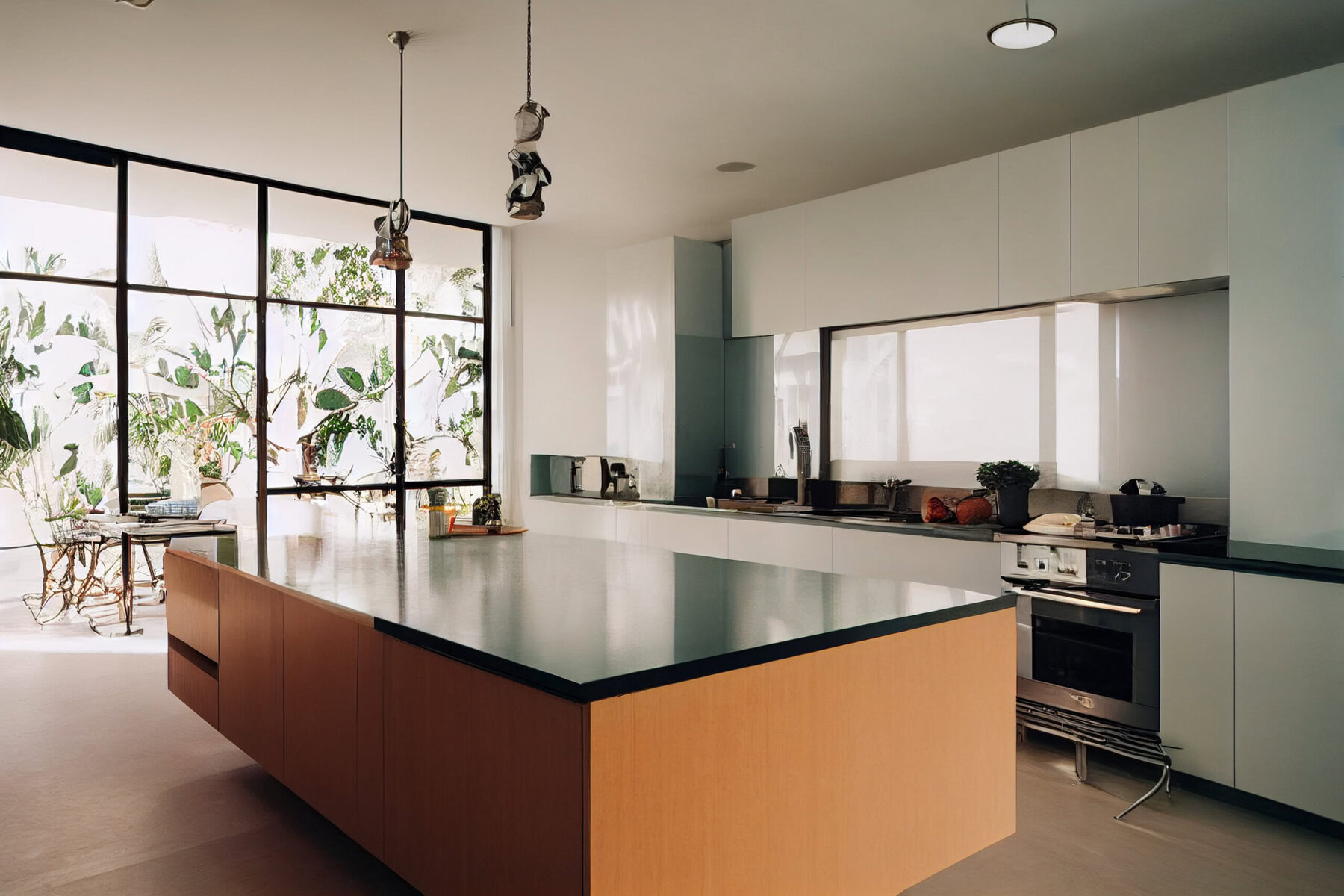
A clear scope of work prevents “scope creep”—that sneaky monster that adds 20% to your cost because you decided to move the sink after the plumbing was finalized. We sit down with you and prioritize. Want that marble countertop? Maybe we suggest a stunning quartz that gives the same look for less, freeing up funds for the commercial-grade oven you really wanted. It’s about strategic choices.
FYI, here’s a rough breakdown of where your dollar often goes in a major renovation:
| Cost Category | Typical Allocation | What It Covers |
|---|---|---|
| Labor & Expertise | 35% – 40% | The skilled tradespeople (carpenters, electricians, etc.) and project management. |
| Materials & Products | 25% – 35% | Everything from lumber and concrete to fixtures, finishes, and appliances. |
| Permits & Fees | 5% – 10% | City permits, inspections, and any architectural or engineering services. |
| Contingency Fund | 10% – 15% | The non-negotiable buffer for unforeseen issues (old plumbing, structural surprises). |
| Design & Finishes | 10% – 15% | Interior design services, custom cabinetry, and those special decorative elements. |
See that contingency line? That’s the mark of an honest plan. Any construction company that gives you a firm price with zero contingency is either psychic or planning to hit you with change orders later.
Picking Your Partner: More Than Just a Google Search
So, you’re ready to hire a pro. How do you choose? “Best remodeling company” is a bold claim, but it’s earned through process, not just portfolios. Here’s what to really look for:
- Communication is King: Do they return calls? Do they explain things clearly, or hide behind jargon? You’re entering a months-long relationship; you need to like talking to them.
- License & Insurance: This is non-negotiable in Miami. A legitimate renovation contractor will have both readily available. It protects you from massive liability.
- The “Vibe Check” of the Estimate: Is it detailed? Does it list specific materials, labor hours, and line items? A vague, one-page quote is a red flag the size of a dumpster.
- Specialization Matters: A commercial contractor brilliant at office refurbishment might not be the right fit for your full home remodel. Ask about their bread and butter. At Trusst Construction, we balance high-end residential home additions with intricate home remodeling services, so we’re deep in the trenches of making houses into dream homes every single day.
The Trusst Blueprint: How We Do Things Differently
Let’s get personal for a sec. We started Trusst Construction because we were tired of the industry stereotypes—the delays, the surprises, the stress. We built our process from the ground up to eliminate those pain points. What does that mean for you?
It means we assign a dedicated project manager who is your single point of contact. No playing phone tag with ten different subs. It means our design-build approach streamlines the journey from idea to completion, often saving time and money. And it means we’re local. We know the Miami climate, the building codes, and which suppliers near you have the best materials. We’re not a faceless franchise; we’re your neighbors.
Whether you need a house remodeling contractor to finally tackle that full home remodel or you’re a business looking for a commercial contractor for an office refurbishment, the principle is the same: clarity, consistency, and no surprises.
Your Burning Questions, Answered
Let’s hit some quick FAQs.
1. How long will my renovation actually take?
Honestly? Longer than the HGTV episode. A standard kitchen or bathroom can take 8-12 weeks from tear-out to final touch-ups. A full home remodel can be 4-6 months. The timeline depends on scope, material lead times (supply chains are still real, folks), and permit approvals. We build a realistic schedule upfront and update you weekly.
2. Should I move out during the remodel?
For a single bathroom or kitchen, you can often tough it out. For a whole-house project, we strongly recommend finding a temporary home. Living in a construction zone is stressful, slows down the work, and can lead to safety issues. We can help you plan for this.
3. How do we handle unexpected problems?
This is where that contingency fund and an honest general contractor are worth their weight in gold. When we open a wall and find outdated wiring, we stop, document it with photos, present you with solutions and costs, and decide together how to proceed. No rogue decisions.
4. How do I prepare for the first meeting with a contractor?
Have your inspiration pics ready (Pinterest boards are great), a rough idea of your budget (be honest!), and a list of your top “must-haves” and “nice-to-haves.” The more we know upfront, the better we can guide you.
Wrapping It Up: Your Dream, Built on Trust
At the end of the day, a great renovation transforms more than just your space; it transforms how you live in it. It’s about creating a home that works for you, or a business environment that inspires productivity. It shouldn’t be a process you simply survive.
So, if you’re in South Florida and feeling ready to turn that vision into your new reality, let’s talk. Bring your dreams, your budget, and your questions. At Trusst Construction, we believe the best foundations are built on trust, and we’re here to prove it, one successful project at a time. Your dream shouldn’t be a headache—it should be the most exciting project you’ve ever undertaken. Let’s build something amazing together.