

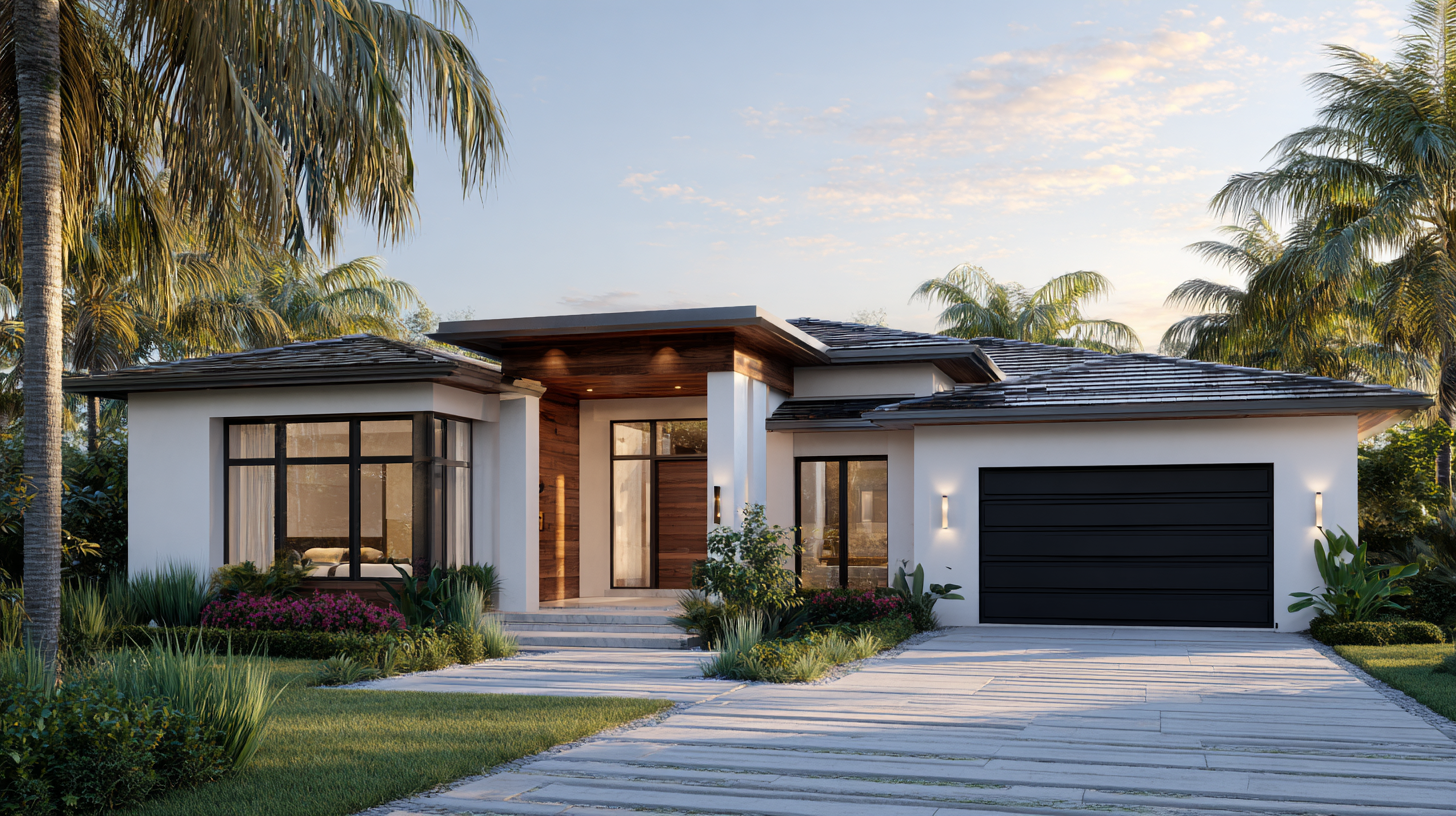
Trusst built our custom home in Leland completely on schedule, and the fixed-price contract meant zero surprise expenses at closing. You won't find a smoother process in Brunswick County.


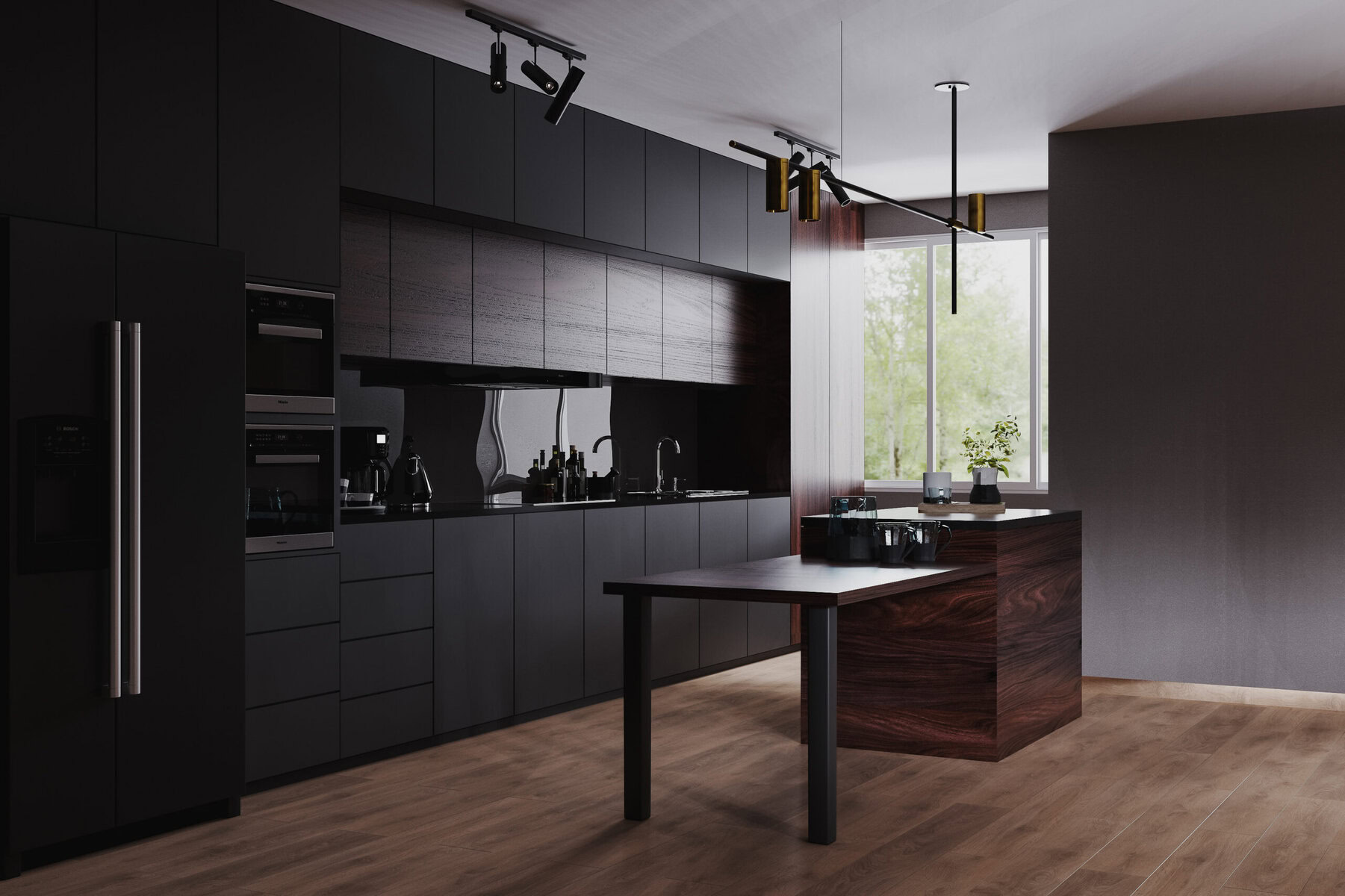
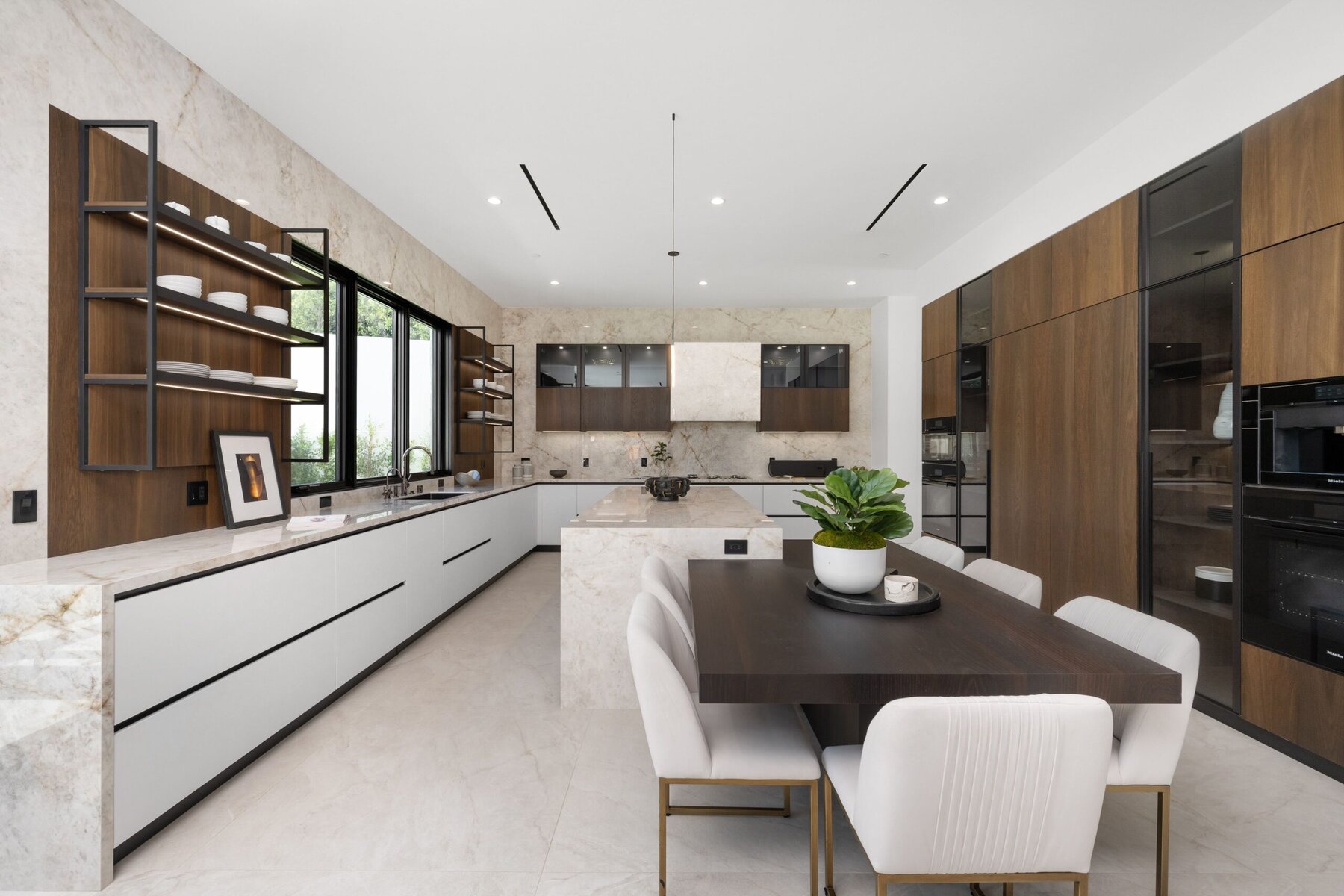
We needed our outdated Wilmington kitchen overhauled before hosting family for the holidays. Trusst gave us an exact estimate on day one, stuck to the budget, and wrapped up the work in under three weeks. Absolute professionals from start to finish.

Added a two-car garage to our property in Waterford. Trusst delivered line-item pricing before work started, hit every milestone date, and left the driveway spotless. I would hire them again in a second.

I cared most about the kitchen working for two people at once. They fixed the layout, added counter space, and put lighting where we actually need it. The bathroom remodel was secondary, but the shower and tile look just as careful. No drama on the estimate. Questions got answered the same day. That’s rare.

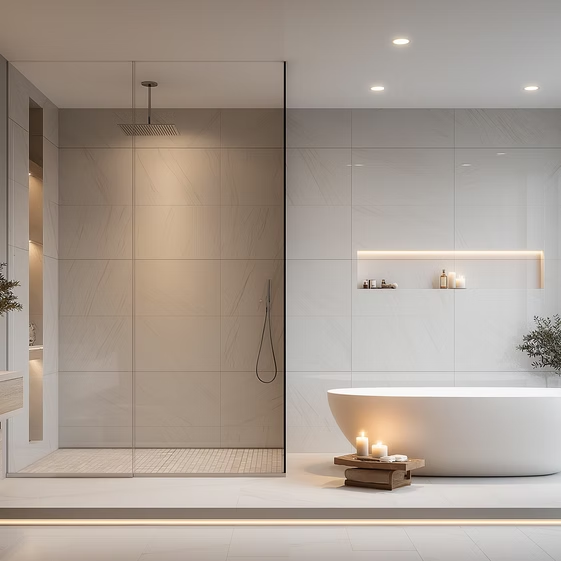
Bathroom came out great. Walk-in shower, new vanity, good lighting. Kitchen update was even better. Would hire them again.

Years of putting it off, we finally gutted the kitchen and master bath. The new layout, cabinets, and tiled shower came out better than the pictures they showed us. The crew was respectful of our schedule and left the house clean every evening. The estimate held and they took care of the punch list quickly. I strongly recommend Trusst.

Attention to the little details (hardware, grout, trim) really stood out during my bathroom remodel. Project stayed organized and they cleaned up properly every evening. Recommend them without reservation.

We needed a kitchen update and a complete bathroom renovation in a smaller home. They maximized the space without making it feel crowded. Cabinets, counters, and tile all look custom. Comm was clear from start to finish and there were no last-minute extras.

Craftsmanship, communication, and cleanliness were all better than previous contractors we’ve used. Finished on time and exactly as quoted. Already planning the next project with them.

Exellent Work, Very good Company.
Exellent Management from Shay and Gili.
Thank you very much for everything.
I would take this Company again and again.
Related Articles
Miami Smart Home Integration: Whole-Home Automation, Security, And Energy Management
ADA Compliance In Commercial Renovations
Converting A Garage To Living Space In Miami-Dade County
Transform Your Backyard with a Custom Pool and Patio in South Florida: Guide to Design, Cost, and Lifestyle ROI
Luxury Home Renovation
Garage To Living Space Conversion Costs In South Florida — Pricing & Complete Guide
Custom Home Build Timeline: Realistic Schedule, Insider Tips, And How To Avoid Costly Delays
People Also Ask
A $100,000 budget can be sufficient for a significant renovation, but the scope depends heavily on the property's condition and your specific goals. For a standard single-family home in Miami, Miami Beach, or Hialeah, this amount typically covers a full kitchen or bathroom remodel, new flooring, and interior painting. However, if the project involves structural changes, foundation repairs, or high-end finishes, costs can escalate quickly. It is crucial to allocate 10-15% of your budget for unexpected issues, like outdated wiring or plumbing, which are common in older homes. For detailed planning on historic properties, refer to our internal article titled 'Historic Home Renovation in Miami: A Step-by-Step Guide to Preserving Character and Meeting Modern Codes' at Historic Home Renovation in Miami: A Step-by-Step Guide to Preserving Character and Meeting Modern Codes. Trusst Construction recommends starting with a professional assessment to prioritize essential work and avoid overspending.
The cost to refurbish an entire home varies significantly based on the scope of work, square footage, and material selections. In the Miami market, a basic cosmetic renovation can start around $50,000 to $100,000, while a full gut renovation involving structural changes, new electrical, plumbing, and high-end finishes can easily exceed $200,000. Key factors include the condition of the existing structure, permit fees, and labor costs. For a more precise estimate, it is essential to define your specific goals, such as whether you are updating the kitchen, bathrooms, or adding square footage. For homeowners considering a major layout change, our internal article titled Open Concept Living: Is It Right For Your Miami Home? offers valuable insights on maximizing space and flow. At Trusst Construction, we always recommend obtaining multiple detailed bids to compare scope and pricing accurately.
The 30% rule is a guideline suggesting that homeowners should not spend more than 30% of their home's current market value on a single renovation project. This principle helps ensure that your investment does not over-improve the property relative to the neighborhood, which can make it difficult to recoup costs upon resale. For example, if your home is valued at $300,000, a kitchen remodel should ideally cost no more than $90,000. However, this is a general benchmark, not a strict code. For a more tailored approach, especially when balancing modern updates with original charm, Trusst Construction recommends reviewing our internal article titled 'Home Renovation: Preserving Character While Meeting Modern Codes' at Home Renovation: Preserving Character While Meeting Modern Codes for comprehensive strategies.
A whole home renovation can be a significant investment, but it is often worth it when approached with a clear plan and realistic budget. The key is to focus on structural integrity, modernizing outdated systems, and improving energy efficiency, which adds long-term value. For homeowners in Miami, Miami Beach, and Hialeah, a full renovation can also address unique challenges like humidity control and storm resilience. Trusst Construction recommends prioritizing the kitchen and master suite for the highest return. To maximize your investment, consider our internal article titled Retail Space Design Tips To Attract Miami Shoppers for additional insights on optimizing your space for local market appeal.