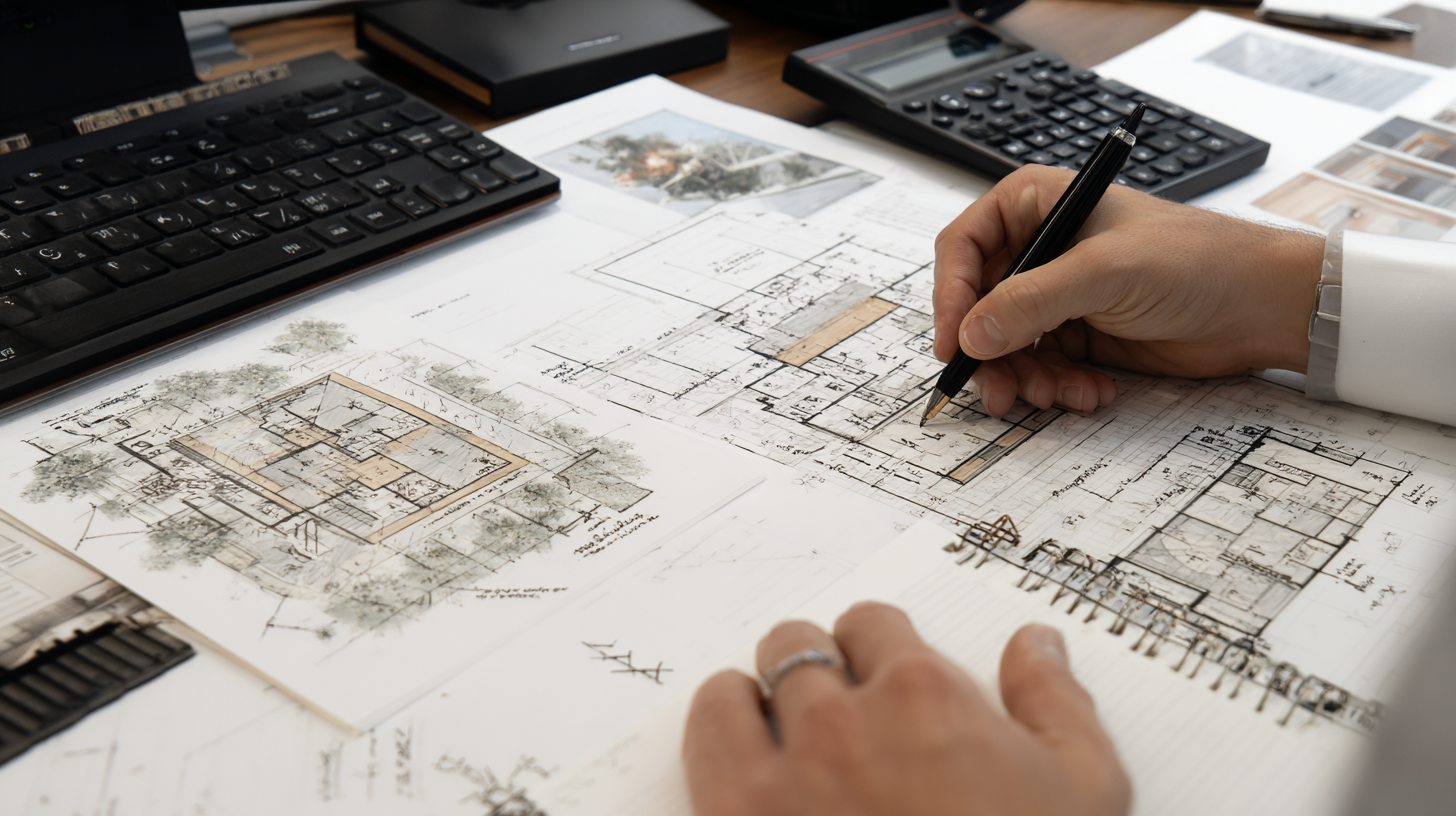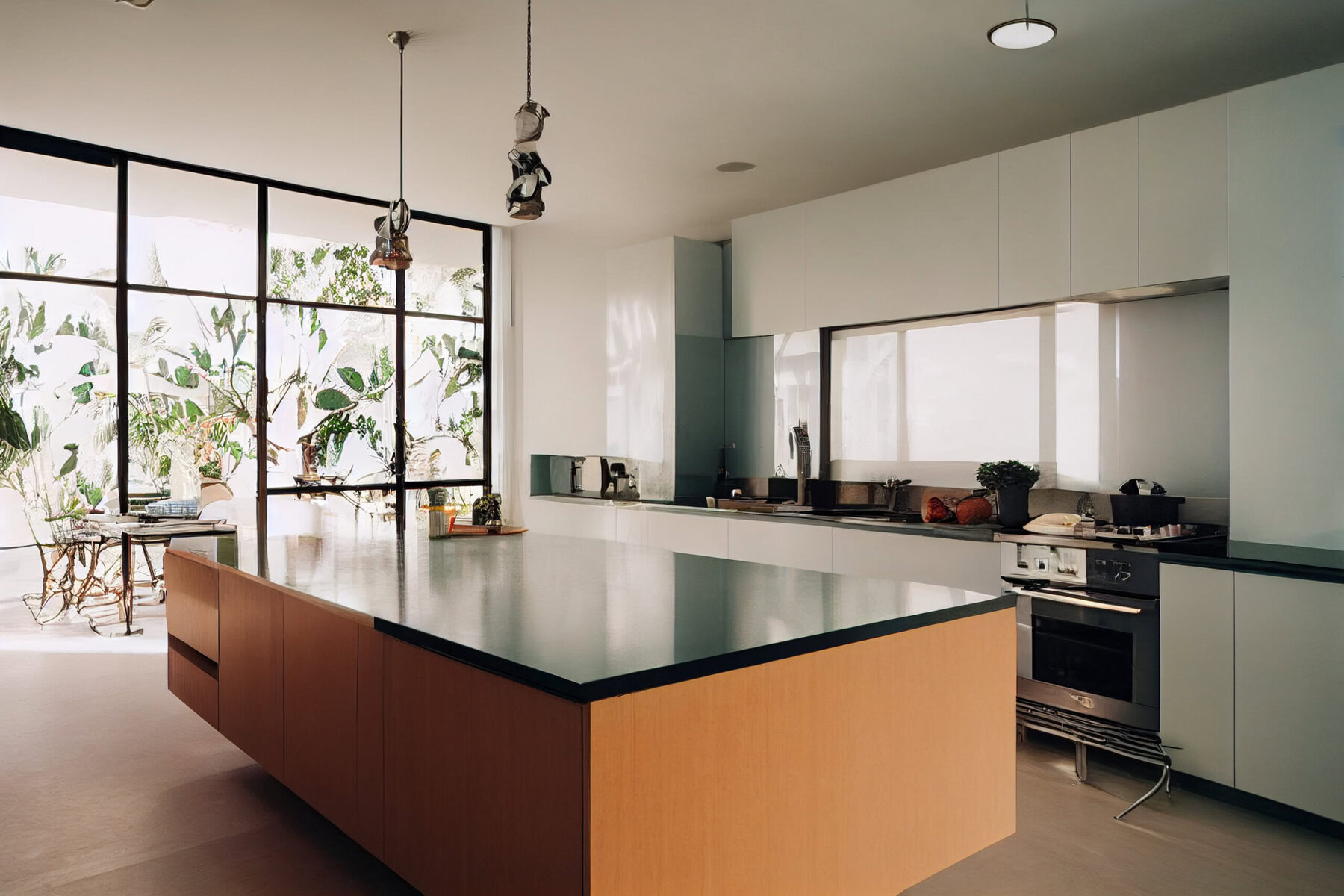
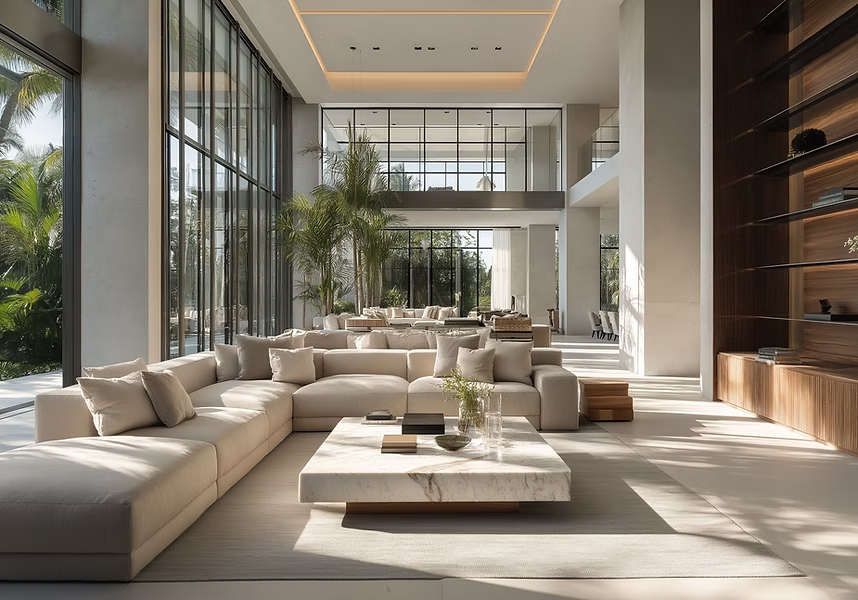
For most Miami homeowners in 2026, the answer is no longer a simple yes or no. The fully open-concept layout—once the default choice for modern living—has given way to a more nuanced approach. The shift is driven by the realities of remote work, multi-generational living, and Miami’s unique climate challenges. Today, the most successful Miami homes embrace a “broken plan” or “hybrid” design: open enough for connection and natural light, yet zoned enough for privacy, noise control, and energy efficiency. Trusst Construction, a licensed design-build general contractor serving Greater South Florida, helps homeowners navigate this decision with integrated architecture, transparent pricing, and deep local code knowledge.
Table of Contents
The 2026 Landscape: Why the Conversation Has Changed
The open-concept floor plan rose to prominence in the mid-1950s, combining kitchen, dining, and living areas into one unified space. For decades, it was the hallmark of modern design. However, by 2026, a noticeable shift has occurred. Homeowners are increasingly favoring defined spaces that offer more privacy and noise control. The “broken plan” layout—using partial walls, sliding doors, or furniture to create distinct zones—has emerged as the leading alternative.
Several factors specific to Miami have accelerated this shift:
-
The permanent adoption of remote and hybrid work requires quiet, enclosed spaces for video calls and focused work.
-
Multi-generational households, common in South Florida, demand flexible zones that accommodate different schedules and activities.
-
Miami’s hot, humid climate makes cooling large, undivided volumes inefficient and expensive.
-
The desire for indoor-outdoor living, a hallmark of Miami lifestyle, often requires strategic wall placement for seamless transitions.
This does not mean the open concept is dead. Rather, the conversation has matured from “should I knock down all my walls?” to “which walls should stay, which should go, and how can I design flexibility into my floor plan?”
What the Data Says: Open-Concept Home Value in 2026
Understanding the financial implications is critical. Here is how open-concept and hybrid layouts compare in today’s Miami market.
| Factor | Fully Open Concept | Traditional Closed Layout | Hybrid / Broken Plan |
|---|---|---|---|
| Resale Appeal (2026) | Declining among families; still popular with younger buyers | Stable for privacy-focused buyers | Strongest growth segment |
| Value Impact | Can boost value up to 7.4 percent annually in some segments | Holds value well in luxury and historic homes | Commands premium for flexibility |
| Buyer Preference Shift | 42 percent of buyers now prefer some separation between kitchen and living areas (2025 Zillow survey) | 28 percent prefer fully enclosed kitchens | 30 percent prefer hybrid with sightlines but acoustic separation |
| Energy Cost (Miami) | 15 to 25 percent higher cooling costs due to uncompartmentalized air volume | Most efficient; zone-based cooling possible | Moderate; strategic walls improve HVAC zoning |
| Best For | Young couples, frequent entertainers, smaller footprints | Multi-generational families, remote workers, privacy seekers | Most Miami households seeking balance |
Miami-Specific Considerations: What National Articles Miss
Most open-concept advice on the web ignores the realities of building and living in South Florida. Here is what actually matters for a Miami home.
Humidity, HVAC, and Energy Load
Miami’s climate demands reliable air conditioning year-round. Open floor plans create large, continuous spaces that challenge cooling systems. Air circulates unevenly, causing hot spots while other areas freeze. Homeowners often overcompensate by lowering the thermostat, driving up energy bills.
Key local facts:
-
Miami-Dade County requires Manual J load calculations for HVAC sizing when interior walls are removed.
-
Removing walls without reassessing your AC system can void equipment warranties and lead to moisture problems.
-
Older homes in neighborhoods like Coconut Grove, Coral Gables, and South Miami often have HVAC systems sized for compartmentalized layouts; opening up these homes without upgrading the mechanical system is a common and costly mistake.
Tile Flooring and Acoustics
Most Miami homes feature tile flooring, which is practical for humidity but brutal for sound. In open layouts, tile amplifies every noise—blenders, televisions, conversations—creating a chaotic acoustic environment. Without walls to absorb and block sound, families struggle to coexist during busy mornings and evenings.
Cooking Smells and Miami Cuisine
Miami’s culinary culture—Cuban, Caribbean, Latin-inspired—produces strong, wonderful aromas. In an open kitchen, those smells travel instantly to living and sleeping areas and linger in furniture and fabrics. Even high-end range hoods cannot fully contain them.
Hurricane Codes and Structural Implications
Miami-Dade County enforces some of the nation’s strictest building codes, including High-Velocity Hurricane Zone (HVHZ) standards. When removing walls for an open concept:
-
Load-bearing walls require engineered beams and permit approvals.
-
Exterior wall modifications impact wind-load ratings and impact-window requirements.
-
Any structural change must pass inspection with Miami-Dade Building Department.
Trusst Construction’s deep local knowledge covers these coastal codes, permitting hurdles, and storm-season realities, preventing costly surprises.
Indoor-Outdoor Flow
Miami homes thrive on indoor-outdoor connections. An open-concept interior can seamlessly extend to patios, pools, and lanais—but only if planned correctly. Sliding glass walls, consistent flooring materials, and flush thresholds create the coveted “Miami lifestyle” feel. However, this must be balanced against security, insect control, and air-conditioning loss.
The Pros of Open Concept Living in Miami
1. Enhanced Natural Light
Open layouts allow sunlight to travel across the entire main floor rather than being confined to individual rooms. A well-oriented open floor plan feels significantly brighter than a comparably sized traditional layout. In Miami, where abundant sunshine is a daily asset, this can dramatically reduce daytime lighting needs.
2. Spatial Perception and Visual Scale
Open concept makes homes feel larger than they are. This is a genuine spatial perception benefit that affects comfort day to day. For Miami’s smaller homes and condos—common in neighborhoods like Brickell, Edgewater, and South Beach—this perceived spaciousness is a major advantage.
3. Social Connection and Entertaining
The open layout removes barriers that make homes feel cramped and disconnected. Family members can cook, watch television, and relax while remaining connected. For Miami’s vibrant entertaining culture, open spaces allow hosts to prepare meals while interacting with guests.
4. Improved Sightlines for Families
Parents can supervise young children from the kitchen while cooking, cleaning, or relaxing. This visibility is a genuine practical benefit for families with small children.
5. Design Flexibility for Future Changes
An open space can be reconfigured with furniture, rugs, and non-structural partitions as needs evolve. This adaptability is valuable for Miami homeowners who anticipate lifestyle changes.
The Cons of Open Concept Living in Miami
1. Uncontrolled Noise
Noise travels freely without walls. A blender in the kitchen interrupts homework in the living room. A television competes with a work call. In Miami-Dade homes with tile floors, open layouts feel especially loud.
2. Lack of Privacy
Open layouts remove physical separation. Guests see everything—kitchen messes, personal conversations, daily clutter. Multi-generational households in neighborhoods like Pinecrest or East Kendall find this particularly challenging.
3. Cooking Odors Permeate Everything
Strong cooking aromas from Miami’s beloved cuisines travel throughout the home and linger in soft surfaces long after meals end.
4. Visual Clutter Is Always on Display
A messy kitchen—the reality of daily life—is always visible from the living space. Maintaining a cohesive, tidy appearance across the entire open zone requires constant effort.
5. Higher Energy Costs
Cooling a large, undivided volume is less efficient than managing smaller, enclosed rooms. Energy costs in fully open Miami homes can run 15 to 25 percent higher.
6. Furniture Placement Challenges
Without walls, furniture must define zones while maintaining clear walkways. Large open rooms require more furniture to feel balanced, increasing decorating costs and limiting flexibility.
The Broken Plan: Miami’s 2026 Solution
The “broken plan” (or hybrid layout) has emerged as the leading design philosophy for Miami homes. It maintains the airy, connected feel of open-concept living while solving its major pain points. Here is how it works.
What Is a Broken Plan?
A broken plan uses partial walls, half-height dividers, sliding doors, glass partitions, and strategic furniture placement to create distinct zones for cooking, living, dining, and working—without fully enclosing any space. This allows separation when needed and openness when desired.
Key Broken Plan Elements
-
Sliding or pocket doors: Close off the kitchen during intense cooking, then open it for entertaining.
-
Half-walls with shelving: Define zones while maintaining sightlines and light flow.
-
Double-sided fireplaces: Serve as visual anchors that separate living from dining areas.
-
Level changes: A step up or down subtly differentiates zones without walls.
-
Glass partitions: Provide acoustic separation while preserving light and visual connection.
Miami Broken Plan: Example Configurations
| Home Type | Recommended Broken Plan Strategy |
|---|---|
| Condo / Apartment (800 to 1,200 sq ft) | Use glass sliding partitions between kitchen and living; consistent flooring; built-in storage walls as zone dividers |
| Single-Family (1,500 to 2,500 sq ft) | Partial wall with pass-through between kitchen and dining; pocket doors to close off home office; level changes for living vs. family room |
| Luxury / Waterfront (2,500+ sq ft) | Double-sided fireplace as room divider; retractable glass walls for indoor-outdoor flow; butler’s pantry with closing door to contain mess and smells |
| Multi-Generational Home | Separate kitchenette zones with closing doors; acoustic-rated partitions between living areas; dedicated quiet rooms for work and study |
How to Decide: A Miami Homeowner’s Decision Framework
Use this framework to determine whether open concept, traditional, or hybrid is right for your Miami home.
Step 1: Audit Your Lifestyle
Ask yourself:
-
How many people live in your home, and what are their daily schedules?
-
Does anyone work from home regularly?
-
How often do you entertain, and what style of entertaining do you prefer?
-
Do you cook frequently with strong spices and aromas?
-
How important is a quiet retreat space to your household?
Step 2: Evaluate Your Home’s Structure
Work with a licensed contractor to determine:
-
Which walls are load-bearing versus non-load-bearing
-
What structural modifications are feasible under Miami-Dade building codes
-
Whether your current HVAC system can handle a reconfigured floor plan
-
If electrical and plumbing relocations will trigger additional permit requirements
Step 3: Calculate the True Cost
Removing walls is rarely as simple as demolition. Below is a realistic cost framework for Miami homeowners in 2026.
| Scope of Work | Estimated Cost Range (US dollars) | Notes |
|---|---|---|
| Remove non-load-bearing wall (up to 15 linear feet) | 2,500 to 6,000 | Includes drywall, flooring patch, baseboard, paint |
| Remove load-bearing wall with engineered beam installation | 8,000 to 20,000+ | Requires structural engineer, permit, possible foundation reinforcement |
| Full open-concept remodel (kitchen, living, dining) | 45,000 to 100,000+ | Includes flooring, lighting, HVAC modifications, finishes |
| Broken plan conversion with sliding/glass partitions | 30,000 to 75,000 | Often less costly than full wall removal; preserves some existing structure |
| HVAC system upgrade for reconfigured layout | 8,000 to 18,000 | Required for load changes; Manual J calculation included |
| Miami-Dade permit package | 1,500 to 5,000 | Varies by municipality and scope |
Note: These are estimated ranges for 2026. Actual costs depend on project specifics, material selections, and site conditions. Trusst Construction provides transparent, itemized estimates with written change approvals for full clarity.
Step 4: Project Your Future Needs
A floor plan that works for a couple may not work for a growing family. Consider:
-
Plans for children or aging parents moving in
-
Potential resale timeline and buyer preferences
-
Flexibility to convert spaces as needs change
Practical Implementation: What to Expect During Your Remodel
The Trusst Construction Design-Build Process
Choosing a single integrated team—like Trusst Construction—simplifies the complex journey from concept to completion.
Phase 1: Discovery and Design
Trusst listens to how you live, translates your goals into actionable plans, and provides honest feedback about what is achievable within your budget. This phase avoids costly misunderstandings later.
Phase 2: Pre-Construction
Permits, engineering, and final material selections are completed. Trusst handles Miami-Dade’s specific building codes, coastal requirements, and storm-season considerations so you do not have to navigate the bureaucracy alone.
Phase 3: Construction
Demolition begins, but organized chaos is the principle. Trusst maintains a clean site, protects unaffected areas of your home, and provides daily progress communication.
Phase 4: Final Walk-Through and Handoff
Every detail is reviewed together—switch plates, grout lines, finishes. Your satisfaction is the final inspection.
Why Local Expertise Matters
Miami’s climate, soil, and building codes have their own personality. A local construction company like Trusst knows:
-
Which materials withstand South Florida humidity
-
How to navigate permit processes in Miami-Dade, Miami Beach, and Hialeah
-
How to build a home that breathes in subtropical weather
-
What hurricane-season construction windows allow
2026 Design Trends for Miami Open and Broken Plans
1. Integrated Indoor-Outdoor Zones
Retractable glass walls that fully open to patios, pools, and summer kitchens are the most requested feature in Miami luxury remodels. The goal is a seamless transition where interior and exterior become one living space.
2. Hidden Pantries and Prep Kitchens
A fully open kitchen is beautiful—until you need to hide meal-prep mess. The 2026 solution is a concealed butler’s pantry or “dirty kitchen” behind pocket doors, keeping the main kitchen pristine for entertaining.
3. Acoustic Zoning Materials
Acoustic panels, felt wall coverings, heavy drapes, and upholstered room dividers are being integrated as design features, not afterthoughts. These materials absorb sound without sacrificing aesthetics.
4. Biophilic Partitions
Living plant walls, vertical gardens, and green screens serve as natural room dividers that improve air quality while defining zones. This trend aligns with Miami’s tropical environment.
5. Smart Glass and Switchable Privacy
Electrochromic glass partitions that switch from clear to opaque with a button are gaining traction in high-end Miami remodels. They provide instant privacy without permanent walls.
6. Consistent Flooring with Zone Anchors
Large-format porcelain tiles that run continuously from kitchen through living areas and onto outdoor spaces create visual unity. Area rugs, ceiling treatments, and lighting define individual zones.
Frequently Asked Questions
Is open concept living still popular in 2026?
Open concept living remains popular, but the trend has evolved. While fully open layouts are still chosen by some homeowners, the 2026 preference has shifted toward hybrid “broken plan” designs that balance connection with privacy. A growing number of buyers now favor some separation between kitchen and living areas, particularly in family-oriented Miami neighborhoods.
What are the biggest drawbacks of an open floor plan in a Miami home?
The biggest drawbacks specific to Miami include amplified noise on tile floors, cooking smells spreading from the kitchen throughout the home, higher cooling costs due to inefficient HVAC zoning in large undivided spaces, lack of privacy for multi-generational households, and constant visual clutter that cannot be hidden behind closed doors.
Can I remove a wall myself to save money?
This is strongly discouraged. Removing a load-bearing wall without proper engineering can cause structural failure. Even non-load-bearing walls may conceal electrical, plumbing, or HVAC components. Miami-Dade County requires permits for structural modifications, and unpermitted work can jeopardize insurance coverage and future home sales. Always consult a licensed contractor.
What is the best color for an open-concept living room in Miami?
A neutral, light palette works best: soft whites, warm beiges, and light greys. These hues reflect Miami’s abundant natural light and create an airy, expansive feel. For depth, consider a subtle accent wall in muted sage or coastal blue. Use a consistent color scheme throughout connected areas to enhance spaciousness and visual harmony.
How much does it cost to open up a floor plan in Miami?
Costs range widely. Removing a non-load-bearing wall may cost 2,500 to 6,000 US dollars. Removing a load-bearing wall with engineered beam installation ranges from 8,000 to 20,000 or more US dollars. A full open-concept kitchen-living-dining remodel typically costs between 45,000 and 100,000+ US dollars, depending on finishes and structural complexity. Always obtain a detailed, itemized estimate from a licensed contractor.
Do open floor plans affect home resale value in Miami?
Open floor plans can boost resale value, but the impact depends on the neighborhood and buyer demographic. Some data suggests open layouts can increase value up to 7.4 percent annually in certain segments. However, with shifting buyer preferences toward hybrid layouts, a well-executed broken plan may offer stronger long-term value than a fully open design.
How do I handle noise in an open-concept Miami home?
Mitigation strategies include: installing acoustic panels or felt wall coverings, using heavy area rugs and drapes to absorb sound, adding sliding or pocket doors that can close off noisy zones when needed, incorporating partial walls or glass partitions that block sound while maintaining light flow, and upgrading to quieter appliances with lower decibel ratings.
What permits do I need to remove a wall in Miami-Dade County?
You will need a building permit from your local municipality (Miami-Dade County, City of Miami, Miami Beach, Hialeah, etc.). If the wall is load-bearing, you will also need structural engineering calculations and plans sealed by a Florida-licensed engineer. Electrical, plumbing, or mechanical relocations require separate trade permits. Trusst Construction manages this entire permit process as part of its design-build service.
The Bottom Line: Making the Right Choice for Your Miami Home
Open-concept living is not universally right or wrong. The right answer depends on your household’s unique combination of lifestyle, home structure, budget, and future plans. For many Miami homeowners in 2026, the sweet spot lies in a thoughtfully designed hybrid—open enough to feel spacious and connected, defined enough to provide privacy, quiet, and comfort.
Trusst Construction brings an integrated approach to this decision. As a licensed general contractor with a single team for architecture, design, and construction, Trusst translates your vision into detailed plans that balance aesthetics, function, and budget. Every design is tailored to your lifestyle, with transparent upfront pricing, clearly itemized estimates, and a dedicated point of contact managing all trades, schedules, and progress.
Ready to explore whether open-concept or broken-plan living is right for your Miami home? Start your project with a no-obligation consultation at TrusstConstruction.com.
Sources
-
Debowsky Design Group – “Open vs. Closed Concepts: Finding the Right Balance for Large Homes” (2025)
-
The Florida Villager – “The Drawbacks To Open Concept Floor Plans” (2026)
-
Jennifer Graff Realtor – “The Open Concept Problem — When Fewer Walls Means Less Living” (2026)
-
Hoey Team 239RealEstateDeals – “Pros and Cons of Open Floor Plans” (2026)
-
Luxe Designs FL – “Open Concept vs. Traditional Floor Plans” (2025)
-
Delray Beach Real Estate – “Comparing Open And Closed Floor Plans” (2026)
-
Kitchen & Decor – “Top Kitchen Mistakes to Avoid When Remodeling in Miami” (2025)
Related Articles
Designing For Wellness In Your Miami Home
Open Floor Plan Separation Without Walls: How We Create Defined Zones, Privacy, and Light
Legal Garage Conversion For Ojus Homes
Miami Boutique Hotel Design Principles: Our Blueprint for Faster ROI & Guest Loyalty
ADA Compliance In Commercial Renovations
People Also Ask
The trend toward open concept living has seen a notable shift in recent years. While it remains popular, many homeowners are now seeking a balance between openness and defined spaces. The desire for distinct zones for work, dining, and relaxation has grown, especially after the pandemic highlighted the need for privacy and noise control. This has led to a rise in "broken plan" layouts, which use partial walls, furniture, or changes in ceiling height to create separation without fully closing off a room. For expert advice on achieving this balance, you can read our article Creating Separation In An Open Floor Plan. Trusst Construction can help you design a floor plan that offers both connection and privacy.
While open concept living offers a spacious feel, it comes with significant drawbacks. The most common issue is a lack of privacy, as sounds and smells from the kitchen travel directly to the living area. This can be disruptive when one person wants to watch television while another cooks. Additionally, clutter in any part of the space is visible to everyone, requiring constant tidiness. Temperature control can also be challenging, as it is difficult to cool or heat one large, open area efficiently. For homeowners in Miami, Miami Beach, and Hialeah considering a remodel, Trusst Construction often recommends reviewing our internal article titled Creating Separation In An Open Floor Plan to explore how to create distinct zones without sacrificing openness.
The shift away from open concept homes is largely driven by a desire for defined spaces that offer both privacy and noise control. While open floor plans create a sense of spaciousness, they often lack functional separation for daily activities like cooking, working, or relaxing. Homeowners now seek distinct zones for better organization and reduced visual clutter. This trend is supported by industry insights, including our internal article titled Creating Separation In An Open Floor Plan, which explores how to reintroduce boundaries without sacrificing light or flow. Trusst Construction recommends evaluating your lifestyle needs to determine if a semi-open layout with partial walls or sliding partitions might offer the best balance of connection and separation for your Miami home.
For an open concept living room, the best color is typically a neutral, light tone like warm beige, soft gray, or off-white. These shades create a cohesive flow between the kitchen, dining, and living areas, making the space feel larger and more unified. A light neutral base also provides flexibility for adding pops of color through furniture, art, and accessories. To define zones without breaking the visual line, consider using a slightly deeper shade on an accent wall or in the dining nook. For expert guidance on maintaining separation while keeping the look seamless, Trusst Construction recommends reading our internal article titled Creating Separation In An Open Floor Plan. This resource offers professional strategies for balancing openness with distinct functional areas.
For an open floor plan living room, defining distinct zones without walls is key. Use area rugs to anchor the seating and dining areas, creating visual boundaries. Furniture placement is critical; position sofas and chairs to face each other to encourage conversation while leaving clear walkways. Lighting also plays a role, with pendant lights over a dining table and floor lamps in the living area. To avoid a cluttered look, maintain a cohesive color palette and limit large furniture pieces. For more detailed strategies on this popular design challenge, please see our internal article titled Creating Separation In An Open Floor Plan. Trusst Construction recommends this approach for achieving both flow and function.
Open floor plans are popular for their spacious, airy feel, but creating distinct zones within them can be challenging. For successful design, use area rugs to define living and dining spaces, and position furniture to create natural pathways. Strategic lighting, such as pendant lights over a kitchen island, also helps separate functions without walls. For more expert advice on achieving this balance, read our article Creating Separation In An Open Floor Plan, which offers specific strategies for maintaining flow while establishing privacy. Trusst Construction often recommends these techniques to homeowners looking to maximize both style and function in their Miami properties.