
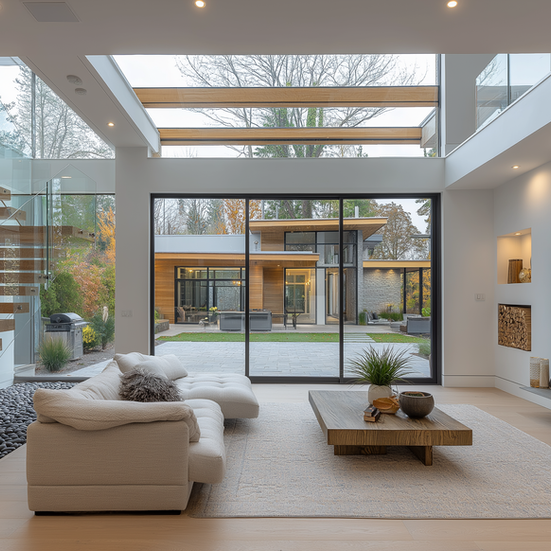
Trusst built our custom home in Leland completely on schedule, and the fixed-price contract meant zero surprise expenses at closing. You won't find a smoother process in Brunswick County.


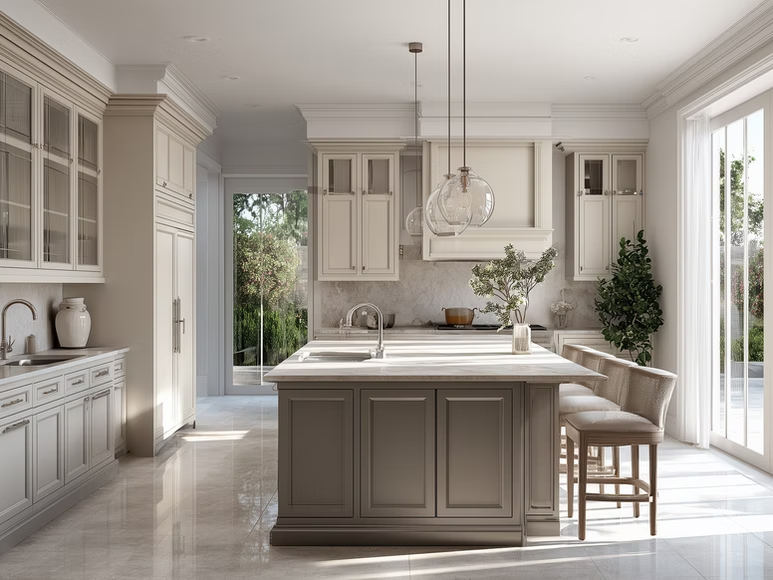
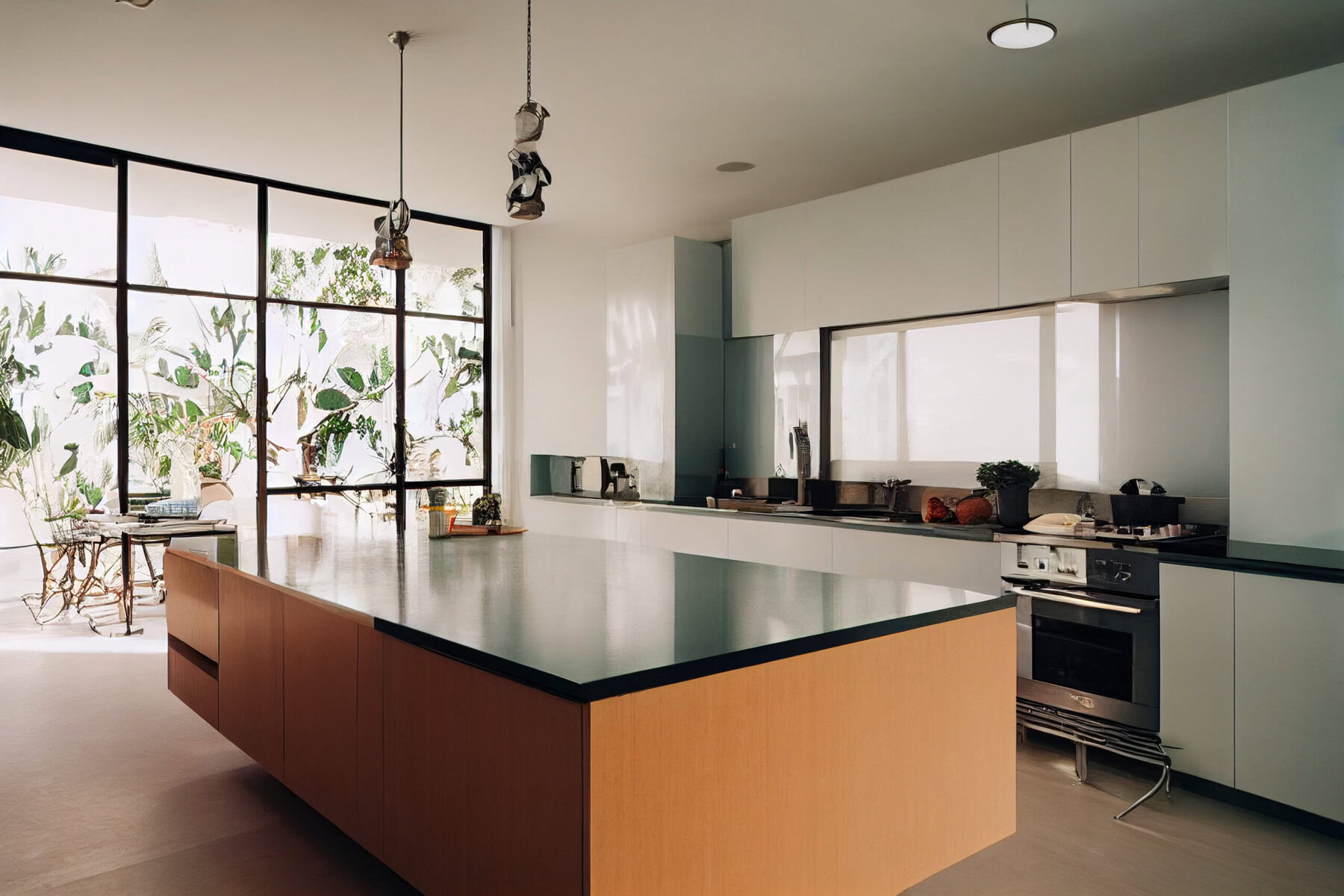
We needed our outdated Wilmington kitchen overhauled before hosting family for the holidays. Trusst gave us an exact estimate on day one, stuck to the budget, and wrapped up the work in under three weeks. Absolute professionals from start to finish.

Added a two-car garage to our property in Waterford. Trusst delivered line-item pricing before work started, hit every milestone date, and left the driveway spotless. I would hire them again in a second.

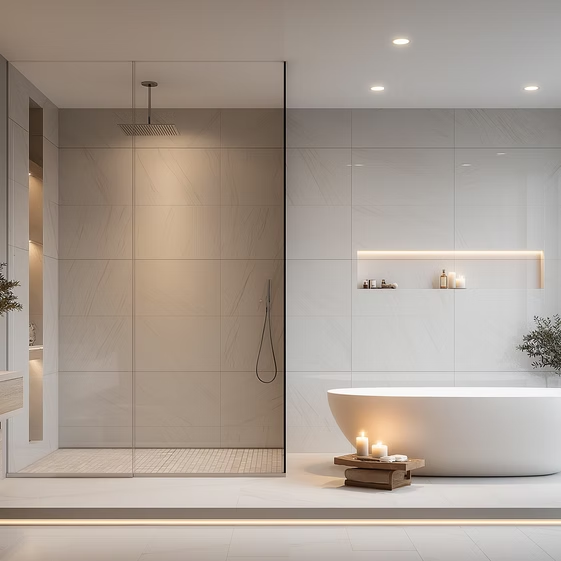
I cared most about the kitchen working for two people at once. They fixed the layout, added counter space, and put lighting where we actually need it. The bathroom remodel was secondary, but the shower and tile look just as careful. No drama on the estimate. Questions got answered the same day. That’s rare.

Bathroom came out great. Walk-in shower, new vanity, good lighting. Kitchen update was even better. Would hire them again.

Years of putting it off, we finally gutted the kitchen and master bath. The new layout, cabinets, and tiled shower came out better than the pictures they showed us. The crew was respectful of our schedule and left the house clean every evening. The estimate held and they took care of the punch list quickly. I strongly recommend Trusst.

Attention to the little details (hardware, grout, trim) really stood out during my bathroom remodel. Project stayed organized and they cleaned up properly every evening. Recommend them without reservation.

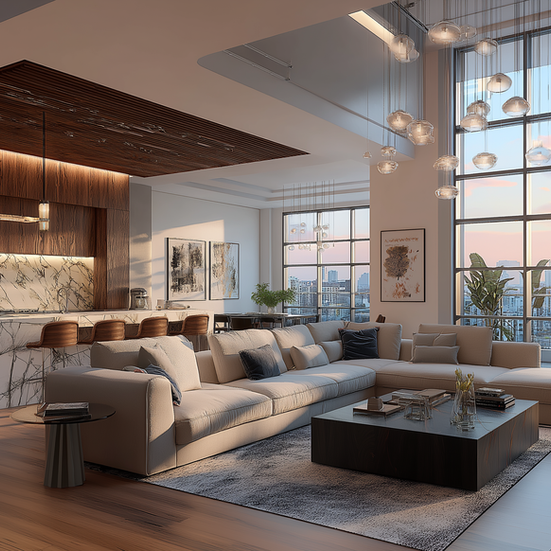
We needed a kitchen update and a complete bathroom renovation in a smaller home. They maximized the space without making it feel crowded. Cabinets, counters, and tile all look custom. Comm was clear from start to finish and there were no last-minute extras.

Craftsmanship, communication, and cleanliness were all better than previous contractors we’ve used. Finished on time and exactly as quoted. Already planning the next project with them.

Exellent Work, Very good Company.
Exellent Management from Shay and Gili.
Thank you very much for everything.
I would take this Company again and again.
Related Articles
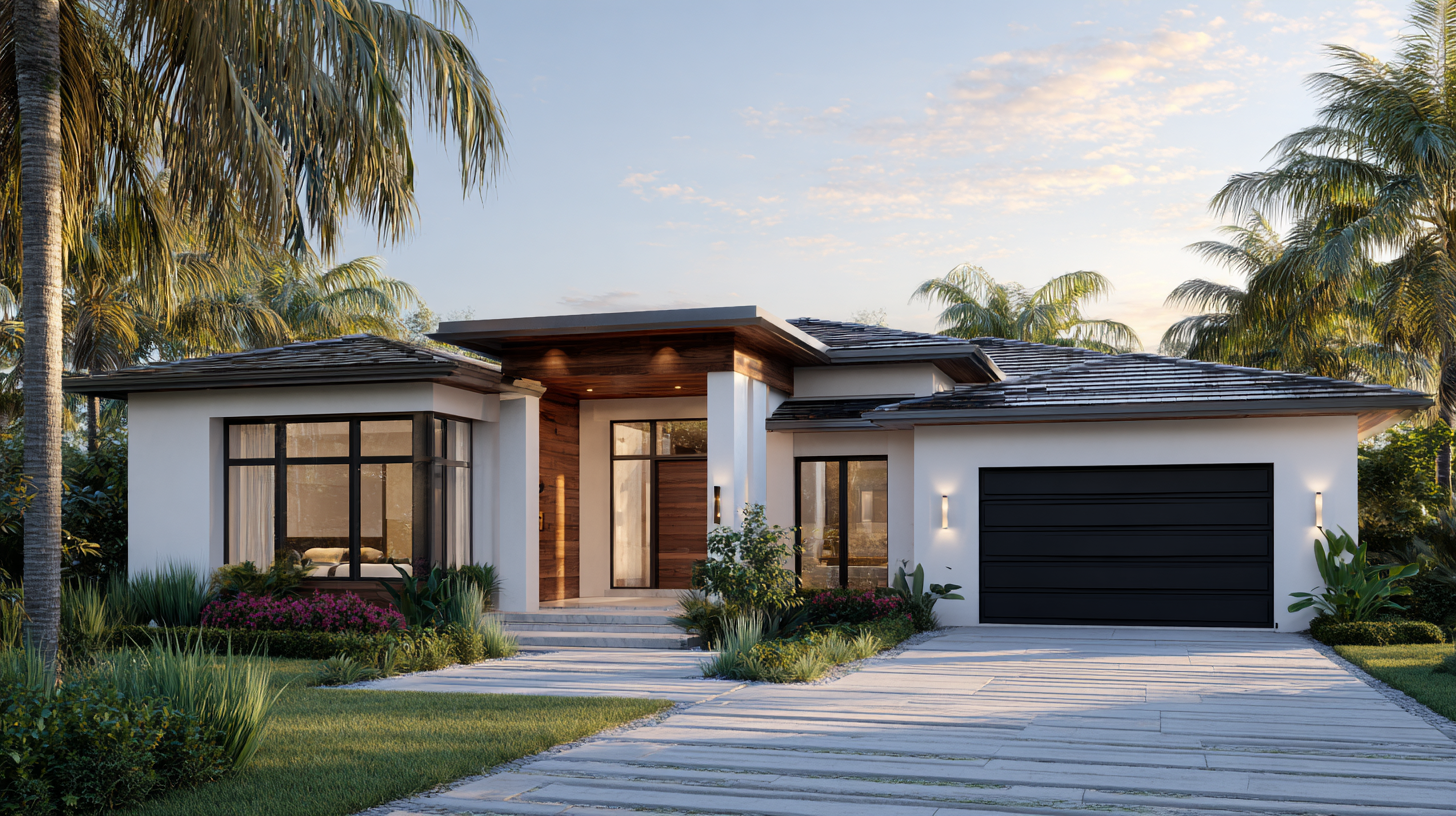
Custom Home Build Timeline: Realistic Schedule, Insider Tips, And How To Avoid Costly Delays
Why a Design-Build Firm Saves You Time, Money, and Stress on Your South Florida Project
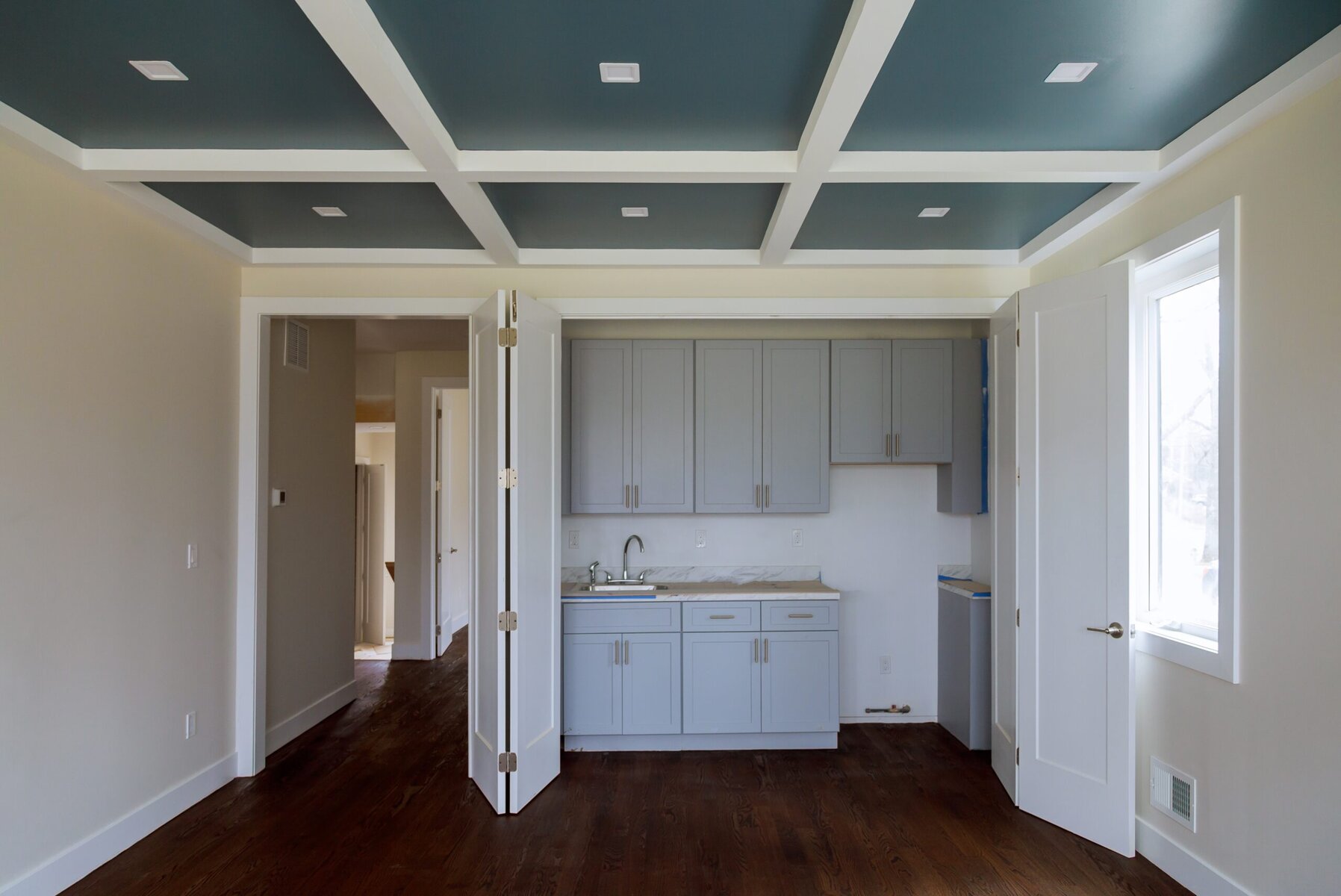
ADU Construction In Miami-Dade County: The Most Complete Zoning, Permitting, And Turnkey Cost Guide For
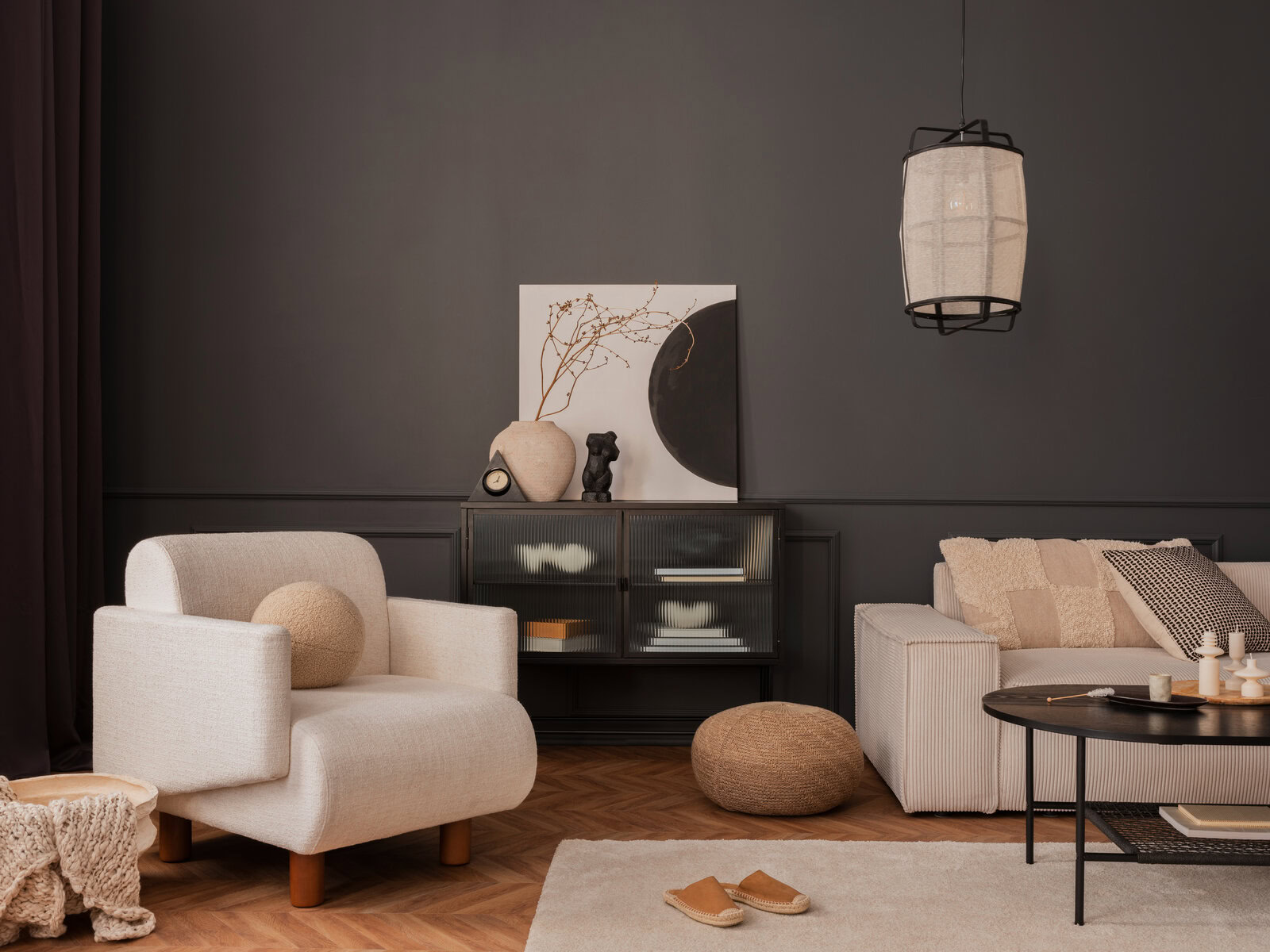
Expand Upward Without Moving: The South Florida Homeowner’s Complete Guide to Second‑Story Additions
People Also Ask
Design and build construction is a project delivery method where a single entity, typically a general contractor, handles both the design and construction phases under one contract. This approach streamlines communication, as the owner works with one point of contact instead of separate architects and builders. It often reduces project timelines because design and construction can overlap, and it can minimize cost overruns through integrated budgeting. For commercial projects in Miami, this method offers efficiency and accountability. Trusst Construction often utilizes this model to ensure seamless execution. For a deeper understanding of how this process unfolds, please refer to our internal article The Process: What To Expect During A Commercial Build-Out, which outlines the steps from initial design through final completion.
When communicating with your contractor, avoid making vague statements like "you're the expert, just do what you think is best." This can lead to misunderstandings about your specific preferences. Also, never say "we can save money by skipping the permit." This is illegal and can cause severe issues with property value and safety. Avoid discussing your maximum budget openly, as it can compromise your negotiating position. Instead, focus on clear, honest communication about your needs. For homeowners considering major layout changes, Trusst Construction recommends reading our internal article titled 'Open Concept Living: Is It Right For Your Miami Home?' at Open Concept Living: Is It Right For Your Miami Home? for guidance on structural decisions.
A D&C project, or Design and Construct project, is a delivery method where a single contractor, such as Trusst Construction, is responsible for both the design and construction phases. This approach streamlines communication and accountability, as the client works with one entity from concept to completion. It often reduces project timelines because design and construction can overlap. This method contrasts with traditional design-bid-build, where separate contracts are held with an architect and builder. For clients in Miami, Miami Beach, and Hialeah, a D&C project can simplify complex builds, ensuring design intent is maintained throughout construction.
A design-build construction company is a single entity that manages both the design and construction phases of a project. Unlike the traditional design-bid-build method, where you hire separate architects and contractors, design-build streamlines the process under one contract. This approach fosters collaboration between designers and builders from the start, reducing delays and budget overruns. For homeowners in Miami, Miami Beach, and Hialeah, this means a single point of accountability for your remodeling or new construction project. For more insights on how this method benefits local projects, refer to our internal article Trusst Construction Group: Top Construction and Remodeling Miami, FL.
In the construction industry, the term "design & build" refers to a project delivery method where a single entity, like Trusst Construction, is responsible for both the design and the construction of a project. This integrated approach streamlines communication, as you work with one team from concept to completion, rather than managing separate architects and contractors. A key advantage is the single point of accountability, which can reduce delays and budget overruns. For homeowners considering this path, understanding the full timeline is critical. We recommend reviewing our detailed guide on this subject, The Real Timeline For A Custom Home Build, to help you plan your project effectively and set realistic expectations for the entire process.
The design-build construction process is a project delivery method where a single entity, the design-build team, works under one contract with the project owner. This integrated approach combines architectural design and construction services into one seamless workflow, contrasting with the traditional design-bid-build method. The process begins with the owner selecting a design-build firm, which then collaborates with the owner to define project goals and budget. The team simultaneously develops the design and construction plan, allowing for faster project completion and reduced costs. For a deeper understanding of how this collaborative model benefits your project, please refer to our internal article The Benefits Of A Design-Build Firm For Your Project. This method minimizes risks for the owner by providing a single point of responsibility.
Design-build offers a streamlined approach by combining design and construction under a single contract. A primary pro is single-point accountability, which reduces finger-pointing between an architect and a contractor if issues arise. This model also typically accelerates project timelines because design and construction phases can overlap. However, a potential con is less competitive bidding on the construction phase, which can sometimes lead to higher costs if the contract is not carefully structured. For a deeper understanding of how this integrated approach benefits project efficiency and communication, you can read our internal article The Benefits Of A Design-Build Firm For Your Project. Trusst Construction often recommends this model for complex projects where collaboration is critical.
While design-build offers streamlined communication, a key disadvantage is the lack of competitive bidding on the construction phase. Because the design and builder are one entity, you lose the checks and balances found in a traditional design-bid-build model. This can lead to less transparency in pricing and potential conflicts of interest. The owner also has less direct control over the design details, as the builder's input on cost and schedule can heavily influence architectural decisions. For complex projects in Miami, it is critical to vet the design-build team's past performance thoroughly. At Trusst Construction, we emphasize clear contractual scopes to mitigate these risks, ensuring your vision is not compromised by the single-source delivery method.