
Yes, a second‑story addition is often the single most cost‑effective way to double your living space while keeping the address and neighborhood you love. When planned with a clear understanding of local codes, transparent pricing, and an integrated team, the process can be predictable, surprisingly swift, and deliver a return that far exceeds the expense. We have guided hundreds of South Florida families through vertical expansions, and in this guide we share exactly what we’ve learned so you can make a confident decision.
Table of Contents
Why a Second Story Beats Moving in Today’s Market
Trading up to a larger home means absorbing record‑high purchase prices, mortgage rates around 6.5 to 7.2 percent, transfer taxes, real estate commissions, and the sheer disruption of leaving a community you’ve invested in. Adding a second story keeps you rooted while delivering new square footage exactly where it holds the most value—above your existing footprint.
-
Equity building, not transaction costs: Moving consumes roughly 8 to 10 percent of your home’s sale price in fees. A vertical addition turns those dead dollars into equity from day one.
-
School zones and emotional roots stay intact: For families, stability in school assignments and neighbor relationships carries immense non‑financial value.
-
Customization from the studs up: No compromises on layout, closet space, or the primary suite you’ve always envisioned.
At Trusst Construction, we start every conversation by comparing the all‑in cost of a second‑story addition against the true cost of relocation. More often than not, staying put and building up wins by a wide margin.
What a Second‑Story Addition Really Costs in 2026: A Transparent Breakdown
We believe you deserve to see the full picture before you commit. Our itemized estimates leave no line item to guesswork, so you can plan with confidence. Here is what a typical mid‑to‑high‑end addition in South Florida looks like, broken down by category.
| Cost Category | Typical Range (dollars) | What It Covers |
|---|---|---|
| Architectural & Structural Engineering | 15,000 – 35,000 | Custom plans, 3D renderings, structural calculations, soil reports, energy calculations |
| Permits, Impact Fees & Third‑Party Inspections | 8,000 – 18,000 | Municipal building permits, plan review, impact fees, threshold inspections, wind‑load certifications |
| Site Preparation & Foundation Reinforcement | 12,000 – 30,000 | Temporary weather protection, underpinning, steel columns, new footers, tie‑downs |
| Framing, Trusses & Roofing | 50,000 – 90,000 | Load‑bearing walls, engineered trusses, hurricane straps, secondary water barrier, metal or tile roofing |
| Windows & Exterior Doors | 18,000 – 40,000 | Large‑missile impact‑rated units per Miami‑Dade NOA, low‑E glazing |
| Plumbing, Electrical & HVAC Rough‑In and Trim | 35,000 – 65,000 | New risers, stack alignment, panel upgrade, ductwork, multi‑zone mini‑split or central system |
| Interior Finishes | 45,000 – 85,000 | Drywall, insulation, paint, flooring, trim, doors, tile, bathroom fixtures, custom closets |
| Exterior Finishes | 15,000 – 35,000 | Stucco or siding, soffit, fascia, gutters, paint, balcony waterproofing |
| Contingency (10–15% of subtotal) | 20,000 – 60,000 | Unforeseen conditions during demolition or rough‑in |
| Total Estimated Range | 200,000 – 400,000+ | Final number driven by size, complexity, and finish level |
We operate on transparent, upfront pricing. Every estimate we provide is clearly itemized, and any change—whether a design tweak or an unforeseen site condition—is documented with a written approval before work continues.
How South Florida’s Coastal Codes Shape Every Second‑Story Project
Building up in Miami‑Dade, Broward, or Palm Beach means engineering for a high‑velocity hurricane zone (HVHZ). This reality can derail a project if your contractor doesn’t live and breathe wind‑load design every day. We do.
-
Continuous load path: Every structural element from the roof down to the foundation must be strapped, clipped, and bolted to resist uplift. Missing a single connector can fail an inspection.
-
Large‑missile impact protection: All windows, sliding doors, and skylights must carry a Notice of Acceptance (NOA) from Miami‑Dade County. We pre‑select compliant products during design, avoiding costly last‑minute changes.
-
Secondary water barrier: Roof decking must be covered with a self‑adhered membrane to prevent water intrusion even if the roof covering blows off.
-
Elevated electrical and mechanical: In flood zones, new equipment often must sit above the base flood elevation. We coordinate this early so it never becomes a surprise change order.
Beyond the code, we know the permitting personalities in each municipality—how to present a truss package, when to schedule the footing inspection, and which documents the plan reviewer will ask for first. That local rhythm shaves weeks off your timeline.
The Trusst Construction Difference: A Single, Accountable Team
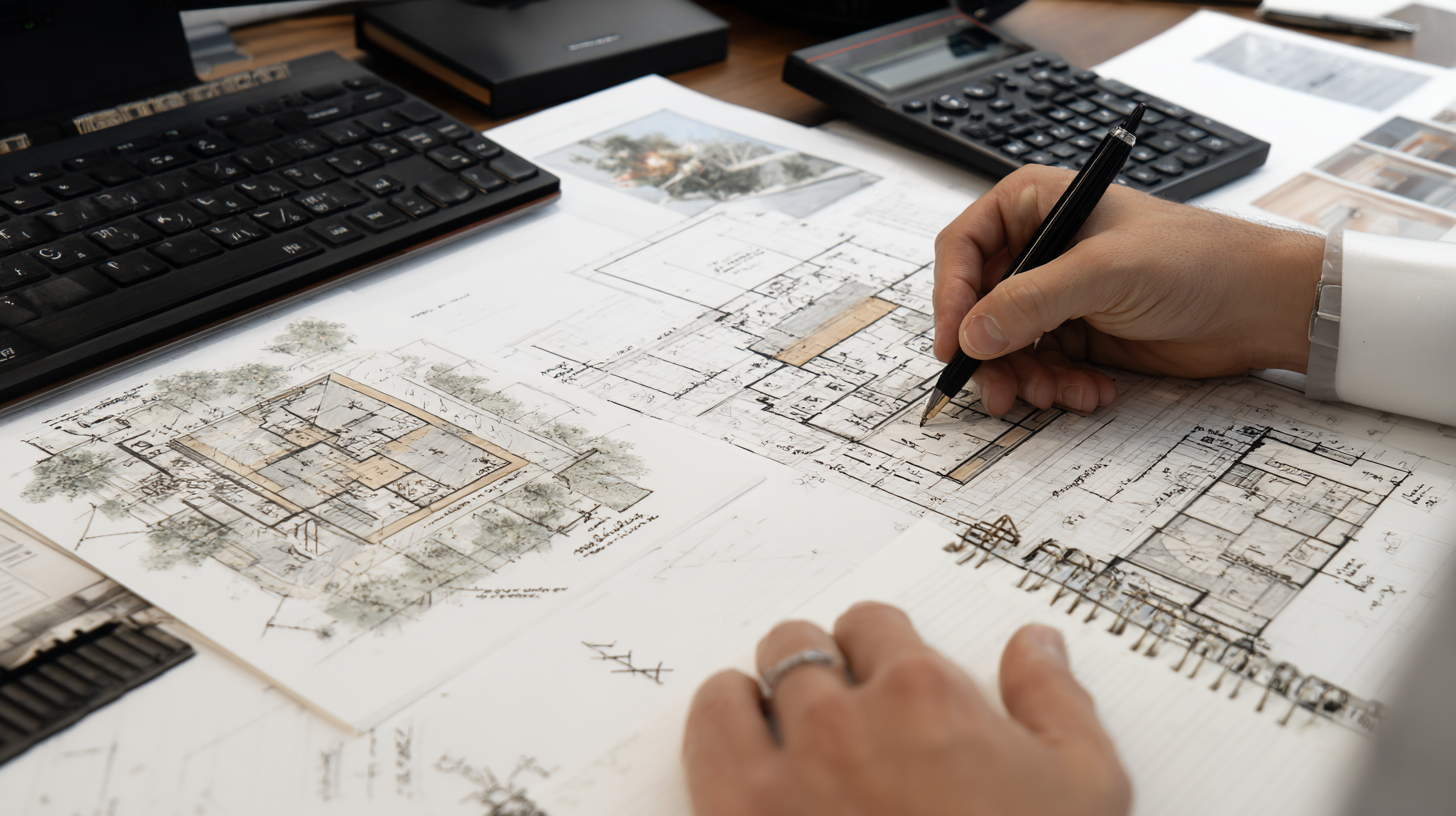
Most second‑story additions involve a disjointed chain of an architect, a structural engineer, a separate general contractor, and a parade of subcontractors. Every handoff is a chance for information to be lost. We eliminated that friction.
-
One firm, one vision: Our integrated team includes architecture, design, and construction professionals under one roof. Your lifestyle goals are translated directly into buildable, permit‑ready drawings without outsourcing.
-
One point of contact: We assign a dedicated project lead who manages every trade, schedule milestone, and budget update. You won’t be left chasing electricians or wondering why the plumber is late.
-
Deep storm‑season logistics: We time exterior demolition and dry‑in phases to avoid peak hurricane months, and we maintain a ready‑to‑deploy weather protection plan for every active project site.
-
Transparent communication: Bi‑weekly progress reports, a shared photo log, and immediate notification of any inspection results keep you in control without being on‑site every day.
Call us at (305) 786-3199 to schedule a no‑obligation consultation. We will visit your home, discuss your goals, and provide a preliminary feasibility assessment—all at no cost.
Step‑by‑Step Timeline: What to Expect from Start to Finish
A realistic timeline sets expectations and lets you plan your life around construction. Here is the cadence we deliver on the vast majority of South Florida projects.
| Phase | Typical Duration | Key Milestones |
|---|---|---|
| Feasibility, Design & Engineering | 6 – 10 weeks | Site measure, as‑built documentation, schematic design, structural engineering, energy calculations, permit set submission |
| Permitting | 4 – 12 weeks | Municipal review, corrections, issuance. Duration varies by city backlog; we track applications aggressively. |
| Mobilization & Site Preparation | 1 – 2 weeks | Temporary fencing, dumpster, roof protection, interior protection, material deliveries |
| Foundation Reinforcement & Structural Shell | 4 – 8 weeks | Underpinning if required, steel columns, first‑floor reinforcement, floor system, walls, roof trusses, roof dry‑in |
| Rough‑In (MEP) | 3 – 5 weeks | Plumbing stack relocation, new electrical riser and panel, ductwork, fire sprinkler modifications |
| Insulation, Drywall & Trim | 4 – 6 weeks | Insulation inspection, hanging, finishing, interior doors, baseboards, casings |
| Interior Finishes & Fixtures | 4 – 6 weeks | Paint, flooring, tile, cabinetry, countertops, plumbing trim, light fixtures, shower glass |
| Final Inspections & Closeout | 2 – 3 weeks | Final MEP, structural, fire, and building inspections; certificate of occupancy; punch list walk‑through |
| Total Estimated Duration | 6 – 12 months | Weather‑dependent exterior phases are scheduled for dry season when possible |
Design Strategies That Make the New Level Feel Original
One of the greatest compliments we receive is, “It looks like it was always here.” Achieving that requires more than just stacking a box on top.
-
Staircase as a connector, not a disruption: We often capture space from an existing closet or hallway to craft a wide, light‑filled staircase that becomes a sculptural feature rather than an afterthought.
-
Roof form integration: Instead of a flat‑front facade, we step the roofline, add a front porch overhang, or use a dormer to break up mass and match the neighborhood scale.
-
Sight‑line planning: We position windows and interior walls so the upstairs primary suite captures treetop views while maintaining privacy from the backyard.
-
Material continuity: Exterior finishes, trim profiles, and window styles carry through from the original structure, often with a subtle variation that signals the evolution of the home’s story.
-
Zoned comfort: A separate HVAC zone for the new level eliminates the hot‑upstairs problem that plagues so many Florida homes.
Maximizing Return on Investment in 2026
Data from the 2026 National Association of Realtors Remodeling Impact Report and the Joint Center for Housing Studies shows that homeowners who add a second story recoup roughly 65 to 80 percent of project cost upon resale, with the upper end achieved when the addition includes a primary suite and avoids over‑improvement for the neighborhood.
We advise clients to focus on these high‑return moves:
-
Primary suite upstairs: Transferring the main bedroom to the new level frees up first‑floor space for guests, a playroom, or a home office, increasing functional square footage without adding footprint.
-
Full bathroom count alignment: A four‑bedroom home with only two baths undervalues itself. Adding a second story easily brings the bath count into proportion with the bedroom count.
-
Energy performance upgrades: Spray foam insulation, a radiant barrier roof sheathing, and hurricane‑rated windows lower insurance premiums and utility bills, which buyers actively search for in 2026.
-
Flex space over dedicated rooms: An upstairs loft that can function as a media room, gym, or playroom appeals to more buyers than a single‑purpose room.
Common Pitfalls We Help You Avoid
We have seen what happens when a second‑story addition is treated like a standard remodel. These lessons shape every project we take on.
-
Skipping a geotechnical review: South Florida’s sandy soils and high water table mean that foundation loads must be verified. We order soil borings as part of the feasibility phase—never as a reactive measure after digging.
-
Ignoring the existing HVAC system: Simply extending undersized ductwork leads to comfort complaints. We perform a Manual J load calculation and frequently upgrade the condenser and air handler to serve the entire home efficiently.
-
Underestimating electrical capacity: Many older homes in our market have 100‑amp panels. Adding a second story often requires a 200‑amp or 400‑amp service upgrade. We bundle this into the initial scope so there are no mid‑project electrical shutdowns.
-
Forgetting about lead times: Impact windows, custom trusses, and specialty doors can have 12‑to‑16‑week lead times. We place orders the moment the permit set is approved, not when the walls start going up.
-
Over‑improving for the street: We use a comparative market analysis to set a ceiling on finishes. You can love a Sub‑Zero refrigerator, but if every sale on the block caps at 900,000 dollars, we’ll help you find the balance between delight and resale logic.
Financing Your Vertical Expansion in 2026
Lending products have expanded to meet the demand for substantial renovations. We connect you with lenders who understand construction draws, but here is what you should know before you apply.
-
FHA 203(k) Limited and Standard: Covers purchase plus renovation; the Standard version accommodates structural work like a second‑story addition. Interest rates in 2026 run slightly higher than conventional mortgages but include a streamlined draw process.
-
Fannie Mae HomeStyle Renovation: Allows you to finance the purchase or refinance plus the full cost of renovation based on the after‑improved value, up to conforming loan limits.
-
HELOC and home equity loans: Equity‑rich South Florida homeowners often tap a line of credit to fund the project, then refinance into a single mortgage once the addition is complete and the home appraises higher.
-
Cash‑out refinance: With home values holding steady, a cash‑out refinance can unlock tens of thousands of dollars at a fixed rate, though it replaces your existing mortgage.
Our transparent, itemized estimates are formatted specifically to satisfy lender documentation requirements, which speeds up appraisal and draw approvals.
Frequently Asked Questions
Do we need to move out during a second‑story addition?
Not always. In many cases we can isolate the work zone and maintain a sealed, climate‑controlled living area downstairs. For extensive structural work that opens the entire roof, we often recommend a short‑term relocation of 4 to 8 weeks during the dry‑in phase. We plan this window around your schedule and budget for it in the initial timeline.
How do we know if our foundation can support a second story?
We commission a structural assessment that includes soil borings, a review of existing footers, and loading calculations. Most concrete slab‑on‑grade homes in South Florida can be reinforced with steel columns and tie‑downs. Pier‑and‑beam homes may require additional underpinning. We never proceed without this verified data.
Will adding a second story increase our property taxes?
Yes, the assessed value will rise based on the added square footage and improvements. However, Florida’s Save Our Homes cap limits annual assessment increases on homestead properties. We recommend requesting a pre‑construction appraisal and consulting with a property tax advisor to model the new liability.
Can we live through a South Florida rainy season during construction?
Absolutely. We sequence exterior work to close in the roof and install the secondary water barrier before the peak of hurricane season. We also deploy heavy‑duty tarps and temporary roof coverings during afternoon showers. Our storm preparedness plan is documented before the first nail is driven.
How does a second story affect homeowner’s insurance premiums?
A brand‑new roof, impact‑rated windows, and updated electrical system often qualify for windstorm mitigation credits that can offset the increased dwelling coverage. We provide a detailed wind mitigation report upon completion that you can submit to your carrier for potential discounts.
What is the biggest timeline risk, and how do you handle it?
Permitting delays are the most common bottleneck. We submit permit packages that are complete and code‑compliant from day one, respond to reviewer comments within 24 hours, and leverage long‑standing relationships with local building departments to keep your application moving.
Do we receive any warranty on the work?
Yes, we provide a comprehensive written warranty covering workmanship for a full year, and all manufacturer warranties on windows, roofing, and appliances are passed directly to you.
Start Your Second‑Story Journey with a Team That Delivers Certainty
We are a licensed general contractor serving greater South Florida with a single integrated team for architecture, design, and construction. Our process translates your goals into detailed plans that balance aesthetics, function, and budget—with every design tailored to your lifestyle. Because we operate with transparent pricing, itemized estimates, and written change approvals, you never face a surprise. One dedicated point of contact manages all trades, schedules, and progress so your home is delivered on time, even through coastal codes, permitting complexities, and storm‑season realities.
Begin with a no‑obligation consultation. We’ll walk your home, listen to your vision, and map out a realistic path from where you are to where you want to be. Reach us at (305) 786-3199 or visit trusstconstruction.com to schedule your visit.
Sources referenced: National Association of Realtors Remodeling Impact Report (2026), FEMA P‑55 Coastal Construction Manual, Miami‑Dade County Building Code HVHZ provisions, Fannie Mae HomeStyle Renovation guidelines, and the Joint Center for Housing Studies Remodeling Futures Program.