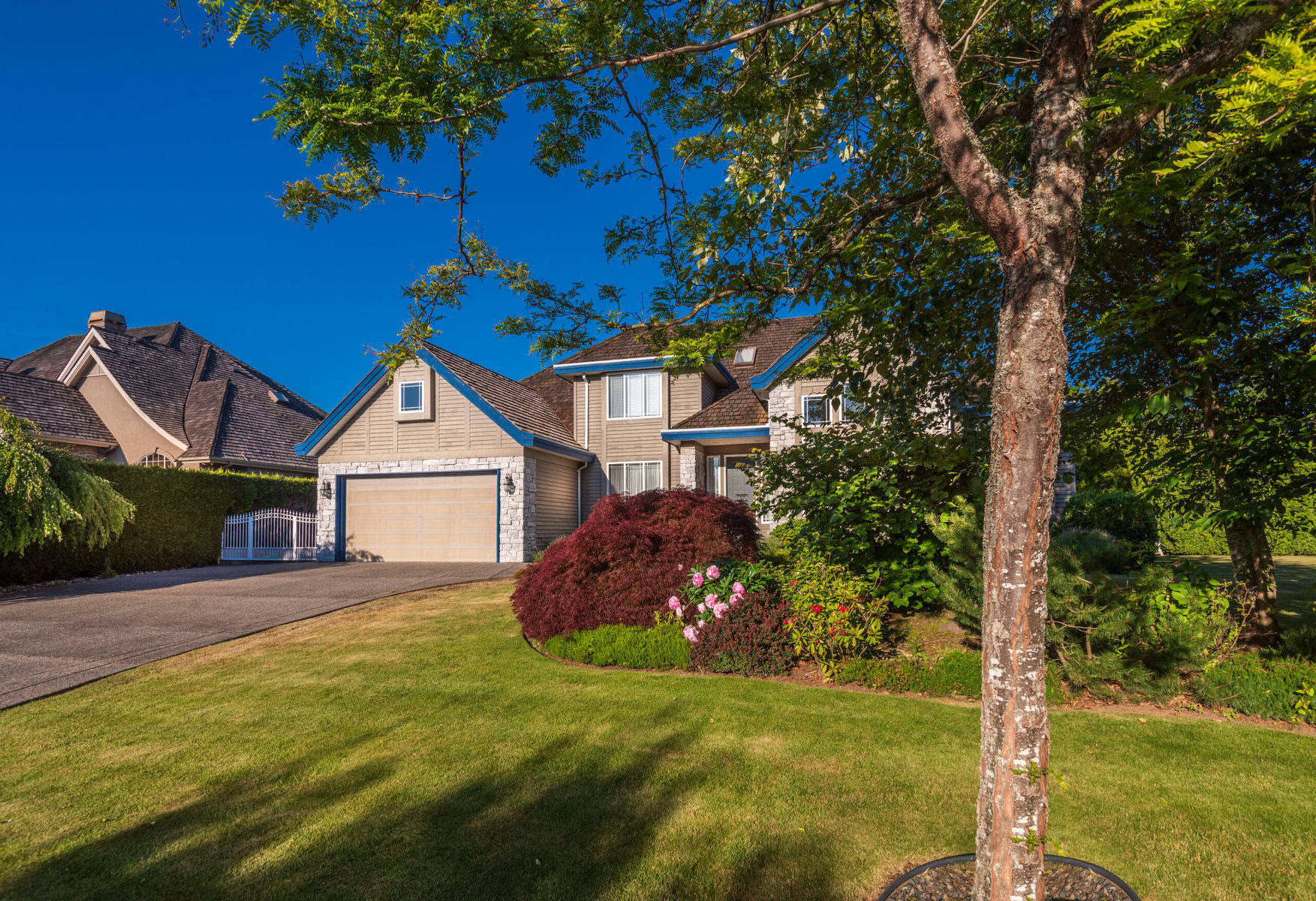

The quickest way to get your Miami renovation approved by an HOA is to submit a fully compliant application before you even finalize your contractor contract. That means having stamped architectural drawings, a current Florida building code compliance letter, impact‑window specifications if required, a work schedule that respects association quiet hours, and proof of the contractor’s license and insurance. When we manage HOA approvals for our clients at Trusst Construction, we cut the typical approval timeline from 6‑10 weeks down to as little as 2‑4 weeks by pre‑empting the most common rejection triggers: incomplete materials lists, missing color samples, and unclear site protection plans. This guide shares the exact process, pitfalls, and insider strategies we use every day across Miami‑Dade, Broward, and Palm Beach.
Table of Contents
Understanding the Two‑Part Hurdle: HOA Approval vs. Municipal Permit
Most homeowners confuse HOA approval with a city building permit. They are entirely separate processes, yet they must run in parallel. The HOA architectural review committee (ARC) cares about aesthetics, neighborhood consistency, and construction nuisance. The municipal building department enforces structural safety, wind codes, and energy efficiency. In Miami, you cannot obtain a building permit without first satisfying the HOA’s written approval—the city requires a letter of no objection or a signed ARC form before issuing permits for exterior work. We have seen projects stall for months because a homeowner submitted municipal permit drawings that ignored a simple HOA color palette restriction. The solution is a coordinated document set that speaks to both audiences. Our integrated design‑build team prepares one package that simultaneously meets the Florida Building Code 8th Edition (2023) and the specific architectural guidelines of your community.
The Real Cost of a Rejected HOA Application in South Florida
When an HOA application gets kicked back, the financial ripple is immediate. Review fees are non‑refundable and typically range from 150 to 500 dollars per submission. Many Miami‑area associations also levy a construction deposit of 1,000 to 10,000 dollars, held until final ARC sign‑off. A resubmission can add 4‑6 weeks, during which your construction timeline—and contractor schedule—drifts into hurricane season. Delays between June and November risk higher material costs, subcontractor scarcity, and weather stoppages. The table below breaks down what a single rejection can cost in real terms.
| Cost Factor | First‑Pass Approval | One Resubmission | Two Resubmissions |
|---|---|---|---|
| ARC review fee (average) | 300 dollars | 600 dollars (300 dollars x 2) | 900 dollars |
| Construction deposit | 3,000 dollars (held) | 3,000 dollars + risk of drawdown | 3,000 dollars + partial forfeiture |
| Project delay | 0 weeks | 4 weeks | 10 weeks |
| Added holding costs (mortgage, rent, storage) | 0 dollars | 3,200‑6,000 dollars | 8,000‑15,000 dollars |
| Storm‑season exposure risk | Low | Moderate | High – may void insurance addenda |
| Contractor rescheduling fee | 0 dollars | 500‑1,500 dollars | 2,000‑4,000 dollars |
We eliminate these risks by treating the HOA application like a permit submission—complete, precise, and impossible to dismiss.
How We Front‑Load the Application for Approval in One Round
Our process starts with a deep reading of the governing documents, not just the architectural guidelines. We analyze the Declaration of Covenants, Conditions and Restrictions (CC&Rs), the rules and regulations, and any ARC handbook. Many Miami communities adopted updated standards after the Surfside collapse in 2021, adding structural‑inspection clauses that affect what you can alter. We pull out every measurable standard: allowable lot coverage percentages, fence height maximums, approved materials by brand name, paint finish requirements, and even the permissible color temperature of exterior lighting. Then we overlay Miami‑Dade’s coastal construction zone mandates—missile‑impact ratings for windows and doors, roof‑sheathing nail patterns, and elevation certificates. This single‑source document becomes the backbone of a submission that satisfies the HOA and the building department simultaneously.
Navigating the New 2026 Florida HOA Law Landscape
Florida Statute 720 continues to evolve. As of 2026, HOAs must post all architectural review criteria online and provide a response within 45 calendar days of a complete application, as outlined in Florida Statute 720.304. If the ARC fails to render a decision in writing within that window, the application may be deemed approved—though enforcing that de facto approval often requires a real estate attorney. We track these legislative shifts daily. For example, recent amendments clarified that an HOA cannot require a contractor to be “board‑approved” if the contractor holds a state license and meets the association’s insurance thresholds. This prevents favoritism and opens the door for you to choose a contractor based on merit, not politics. We keep a file of the relevant statutes and reference them in cover letters so ARC members understand we know the law. That posture alone often accelerates a review.
The Documentation Package That Wins Every Time
Based on more than a decade of Miami renovation experience, here is exactly what we assemble before handing you the submission envelope. No homeowner should walk into an ARC meeting with anything less.
-
Completed ARC application form, signed and notarized if required.
-
Site plan (scaled 1/8” = 1’ or 1/4” = 1’) showing existing structures, proposed work, setback lines, and tree protection zones.
-
Floor plans and exterior elevations stamped by a Florida‑licensed architect or engineer.
-
Material samples board with physical swatches: roofing tile, paint chips, pavers, stucco texture, window frame finish.
-
Impact‑resistant product approvals (NOA numbers) from the Miami‑Dade County Product Control database for all fenestration.
-
Color manufacturer names and codes (Sherwin‑Williams or Benjamin Moore codes only; do not use generic “beige”).
-
Neighbor acknowledgment forms, signed by adjacent property owners, if required by the governing docs.
-
Contractor license and certificate of insurance naming the HOA as additional insured.
-
Construction management plan detailing dumpster location, portable toilet placement, work hours, dust control, and street‑cleaning protocol.
-
Landscape restoration plan for any disturbed common elements.
-
Copy of the municipal permit application with proof of HOA-approval condition.
Why a Single Point of Contact Beats the Fragmented Approach
One of the biggest frustrations we hear from homeowners is playing telephone between their architect, interior designer, engineer, and the HOA board. When the architect submits a drawing that the structural engineer later revises, the ARC sees inconsistency and hits pause. At Trusst, every discipline sits under one roof, and you have one dedicated project manager who runs the HOA approval process from document collection to final ARC walkthrough. This individual attends the board meeting with you, answers technical questions on the spot, and provides immediate written clarifications. The continuity alone removes weeks of back‑and‑forth email chains.
Condo vs. Single‑Family Home: The HOA Distinctions That Trap Out‑of‑Town Owners
Miami’s condo associations operate differently from its single‑family home HOAs. In a condo tower, you must also submit a unit alteration agreement, proof of water‑shutoff capability for plumbing work, and an engineer’s review of the impact on the building’s structural load. Many condo boards now require a special inspector during demolition to confirm that no structural post‑tension cables are nicked—a direct consequence of the Champlain Towers South collapse. We learned that performing a GPR (ground‑penetrating radar) scan before any floor demolition and including the report in the HOA submission pre‑empts almost all structural concerns. For single‑family homes, the focus shifts to roof tile matching, fence style continuity, and landscape buffer preservation. A table comparing the two is useful for anyone deciding between buying a condo or a house with renovation in mind.
| Approval Element | Condo Association | Single‑Family HOA |
|---|---|---|
| Structural engineering report | Almost always required | Required only for additions or pool decks |
| Wet area waterproofing plan | Must meet FBC Chapter 7 and association specs | Standard building code |
| Elevator usage and protection | Detailed scheduling and padding plan required | Not applicable |
| Impact window specifications | Often stricter: higher design pressure ratings due to elevation | County‑minimum missile‑impact levels |
| Unit shutdown notice period | 7‑14 days for water/gas | Not applicable |
| Floor covering acoustic ratings | IIC and STC minimums per condo docs | Not regulated by HOA |
| Approval timeline | 30‑60 days, often with engineering review board | 15‑45 days, straight ARC |
Storm‑Season Realities That Change Application Timing
No Miami HOA will approve a renovation that leaves the building envelope vulnerable during hurricane season. We set a hard deadline: all exterior envelope work (roof, windows, exterior doors, stucco) must be permitted and scheduled to be dried‑in by May 15. After that date, we only submit applications for interior renovations that do not affect the weatherproof skin. If your project straddles June through November, we include a detailed storm preparedness addendum in the HOA package, explaining how the site will be secured within 24 hours of a hurricane watch. That addendum demonstrates to the ARC that we respect the community’s collective risk. It also aligns with Miami‑Dade’s requirements for contractor storm‑site protocol.
Unique Insights From Real Miami Boardroom Negotiations
We have learned that many ARC decisions hinge not on rules but on relationships and perception. One association rejected a contemporary flat‑roof addition three times because the design language didn’t match the 1920s Mediterranean palette. We invited the board chair to our design studio, walked through 3D renderings that showed a modified parapet detail and a barrel‑tile accent that paid homage to the original style, and received approval 48 hours later. The lesson: renderings speak louder than elevations. We now include photorealistic day and dusk renderings from street‑level perspective in every submittal, helping the board visualize how the finished home will blend. Another insight: many associations still operate on paper. We deliver one bound, indexed hard copy of the application to the property manager’s office, in addition to the digital upload. That physical copy often becomes the one the board reviews during the meeting, and a crisp, professional document subtly signals competence.
How Transparent Pricing Protects You During the Approval Process
HOAs often require a detailed line‑item budget to confirm that the renovation will be completed as described and not abandoned mid‑stream. Our upfront, clearly itemized estimates serve this purpose exactly. Because we work on transparent pricing with written change approvals, the board sees a credible financial plan. If the ARC later questions a change, we can produce the signed change order showing the revision was client‑driven and still meets the approved scope. That audit trail has resolved disputes before they escalate to fines or stop‑work orders.
Leveraging Your HOA Approval as a Long‑Term Asset
A pristine record of HOA‑approved, permitted, and inspected renovations adds value when you sell. We compile a digital closing package for every client that includes the final ARC sign‑off letter, all inspection certificates, the elevation certificate (if applicable), and a maintenance manual. When the next buyer’s lender or insurance company asks for proof of compliant construction, you hand them one folder. This package routinely shaves weeks off the due diligence period in Miami’s fast‑moving real estate market and can justify a higher asking price. We consider it the final deliverable of a full‑service renovation, not an afterthought.
How long does an HOA architectural review take in Miami in 2026?
Under Florida Statute 720.304, an HOA must provide a written decision on a complete application within 45 calendar days. However, many Miami‑Dade condo associations have provisions allowing up to 60 days if an engineering review is required. In practice, the timeline depends on the ARC meeting schedule. We map out meeting dates before drafting the application so we can submit 10 days before the next regularly scheduled meeting. That way, you often get a decision within 2‑3 weeks of submission.
What happens if my HOA denies my renovation application?
You have the right to request a written explanation of the denial and the specific covenant section you allegedly violated. We then either adjust the plans to comply and resubmit at no additional review fee from us, or, if the denial is arbitrary, we support you in petitioning the board under Florida’s dispute resolution rules. In extreme cases, mediation or arbitration may be required. We have never had a client’s final design permanently blocked; every denial was resolved through clarification or minor modification.
Can I start interior demolition before HOA approval?
In a single‑family home, it is generally allowed only if the work is not visible from the street and does not affect the exterior, but you still need the municipal permit pulled. In a condo, absolutely not. Most condo declarations forbid any work—even interior—until ARC approval is granted. Starting early can result in a notice of violation and fines of 100 dollars per day. We never break ground on any part of a project until the ARC letter is in hand.
Does my HOA have the right to demand specific contractors?
No. Florida law prohibits an HOA from requiring you to use a particular contractor, provided your chosen contractor is properly licensed and insured to the association’s minimum coverage levels. If an HOA tries to enforce a “pre‑approved contractor list,” you can respectfully cite Florida Statute 720.303(7). We help our clients push back on this while maintaining a cooperative relationship with the board.
What is the biggest mistake Miami homeowners make with HOA submissions?
Failing to include product approval numbers for impact windows and doors. Miami‑Dade County’s product control system is the strictest in the nation, and an HOA in a coastal zone will reject any window that doesn’t carry a current NOA (Notice of Acceptance). We always pull the latest NOA database records from the Miami‑Dade Product Control search portal and include the printed certificates with the application. This single item is the number one cause of first‑round rejections we see from homeowners who attempt the process alone.
How can Trusst Construction speed up my condo renovation approval?
We accelerate the process by delivering a “decision‑ready” binder that anticipates every ARC question, including structural load‑path reports, waterproofing details, and scheduling logistics that respect association quiet hours and elevator availability. Our dedicated project manager presents the proposal in person, answers technical questions immediately, and leaves a written summary with the board. Because we have deep local experience with Miami’s coastal codes and the typical friction points of condo approvals, we often obtain sign‑off weeks faster than a homeowner operating through a fragmented set of vendors.
Start Your Miami Renovation With Confidence
When you are ready to transform your home without the stress of HOA roadblocks, Trusst Construction provides the single integrated team that handles architecture, design, and construction from concept to final sign‑off. Every HOA submission we prepare is backed by transparent pricing, one dedicated point of contact, and a local understanding of South Florida’s unique coastal codes and storm‑season pressures. Call us at (305) 786-3199 for a no‑obligation consultation. We will review your project goals and map out a clear approval strategy that gets you building sooner, with fewer delays and zero unwelcome surprises.