

Trusst built our custom home in Leland completely on schedule, and the fixed-price contract meant zero surprise expenses at closing. You won't find a smoother process in Brunswick County.


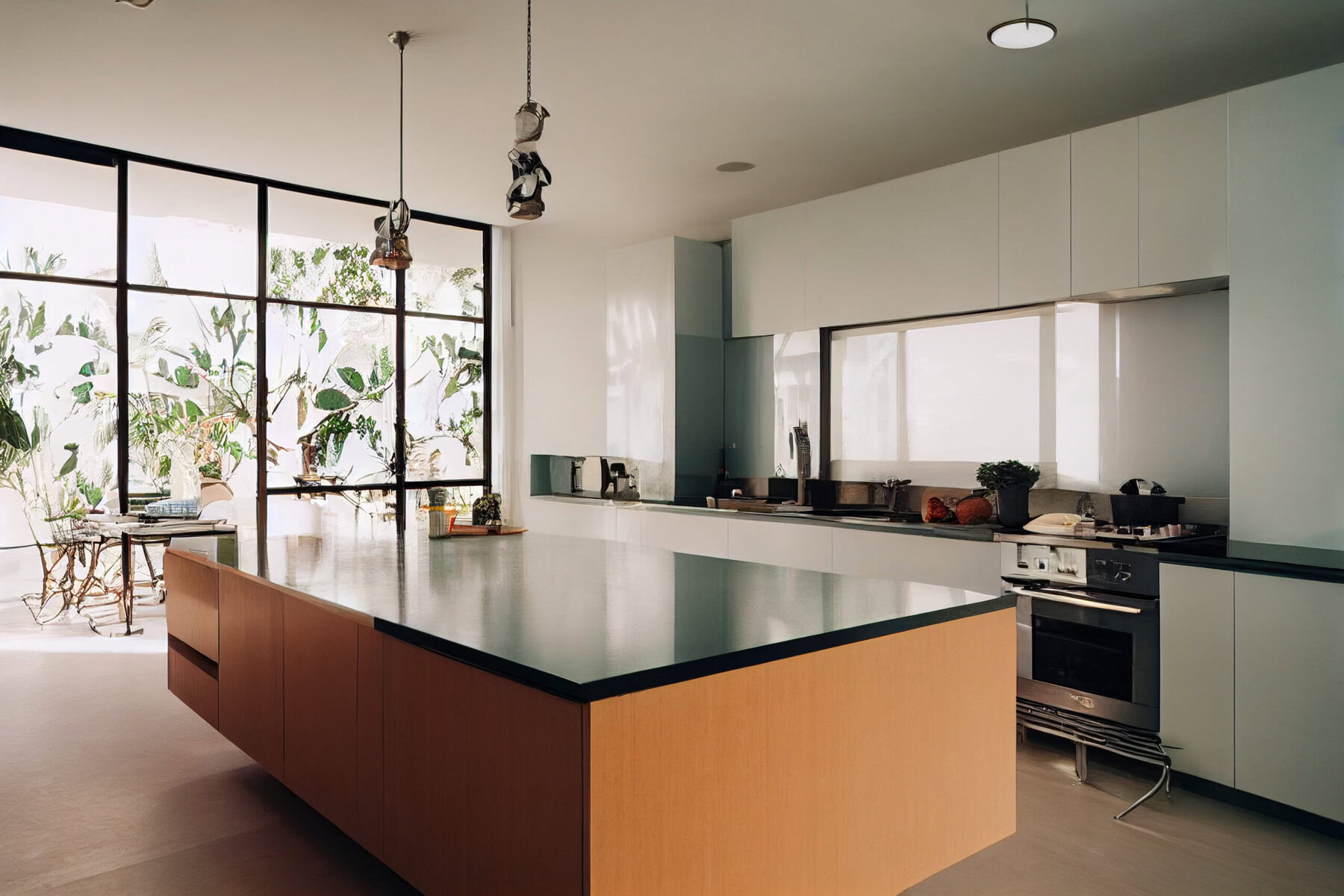
We needed our outdated Wilmington kitchen overhauled before hosting family for the holidays. Trusst gave us an exact estimate on day one, stuck to the budget, and wrapped up the work in under three weeks. Absolute professionals from start to finish.

Added a two-car garage to our property in Waterford. Trusst delivered line-item pricing before work started, hit every milestone date, and left the driveway spotless. I would hire them again in a second.

I cared most about the kitchen working for two people at once. They fixed the layout, added counter space, and put lighting where we actually need it. The bathroom remodel was secondary, but the shower and tile look just as careful. No drama on the estimate. Questions got answered the same day. That’s rare.

Bathroom came out great. Walk-in shower, new vanity, good lighting. Kitchen update was even better. Would hire them again.

Years of putting it off, we finally gutted the kitchen and master bath. The new layout, cabinets, and tiled shower came out better than the pictures they showed us. The crew was respectful of our schedule and left the house clean every evening. The estimate held and they took care of the punch list quickly. I strongly recommend Trusst.

Attention to the little details (hardware, grout, trim) really stood out during my bathroom remodel. Project stayed organized and they cleaned up properly every evening. Recommend them without reservation.

We needed a kitchen update and a complete bathroom renovation in a smaller home. They maximized the space without making it feel crowded. Cabinets, counters, and tile all look custom. Comm was clear from start to finish and there were no last-minute extras.

Craftsmanship, communication, and cleanliness were all better than previous contractors we’ve used. Finished on time and exactly as quoted. Already planning the next project with them.

Exellent Work, Very good Company.
Exellent Management from Shay and Gili.
Thank you very much for everything.
I would take this Company again and again.


Related Articles
Miami Smart Home Integration: Whole-Home Automation, Security, And Energy Management
Office Breakroom Designs That Employees Will Love
The Importance Of A Detailed Construction Contract
Future-Proof Your Miami Commercial Workspace: Design Trends, Costs, and How to Build an Office That Attracts Talent and Lowers Overhead
Commercial Construction in Miami, FL
Essential Elements Of A Florida Construction Contract
People Also Ask
Commercial construction refers to the process of building, renovating, or expanding structures used for business purposes. This includes offices, retail stores, restaurants, warehouses, and medical facilities. Unlike residential projects, commercial builds must comply with stricter codes, such as the International Building Code (IBC), and often require specialized permits for occupancy, fire safety, and accessibility. The scope typically involves larger budgets, longer timelines, and coordination with architects, engineers, and subcontractors. For a deeper look into selecting eco-friendly options for your project, our internal article titled Sustainable Materials For Your Commercial Build-Out offers valuable guidance. At Trusst Construction, we ensure every commercial build-out meets industry standards for durability and functionality.
The four primary types of construction are residential, commercial, industrial, and infrastructure (also called heavy civil). Residential construction focuses on single-family homes, apartments, and condos. Commercial construction includes offices, retail stores, and hotels. Industrial construction covers factories, power plants, and warehouses. Infrastructure construction involves roads, bridges, and utilities. For homeowners in Miami, understanding these categories helps when planning a project. For example, building a sustainable home falls under residential construction, but requires specialized knowledge of local codes and materials. For a detailed breakdown on building sustainably in our area, refer to our internal article titled Build a Resilient, Cost-Saving Eco-Friendly Home in Miami: The Complete Guide to Sustainable Construction. Trusst Construction recommends consulting with a licensed professional to determine which type applies to your specific project.
Yes, it is possible to earn $200,000 a year in the construction industry, but it typically requires specialized skills, experience, or business ownership. General laborers or entry-level workers rarely reach this income level. High-earning roles include experienced project managers, senior superintendents, skilled tradespeople like master electricians or plumbers, and construction company owners. In markets like Miami, where demand is strong, top performers can achieve this through a combination of base salary, overtime, and bonuses. For those running their own business, scaling operations and securing large contracts is key. For more detailed guidance on career paths and earning potential in our local area, please refer to our internal article Remodeling & Construction in Miami – Frequently Asked Questions.
When communicating with a contractor, avoid phrases that undermine trust or show a lack of preparation. Never say "I can get the materials cheaper myself," as this suggests you do not value their procurement process and markup. Avoid asking "Can you just do it without a permit?" as this puts the contractor in a legal and ethical bind. Also, refrain from "My cousin can do it for half the price," as it disrespects their expertise and pricing structure. Instead, focus on clear, respectful communication about your project needs. For guidance on planning your renovation, Trusst Construction recommends reviewing our internal article titled 'A Beginner’s Guide To Kitchen Layouts (Galley, L-Shaped, U-Shaped)' at A Beginner’s Guide To Kitchen Layouts (Galley, L-Shaped, U-Shaped) to ensure your design goals are well-defined before discussions begin.