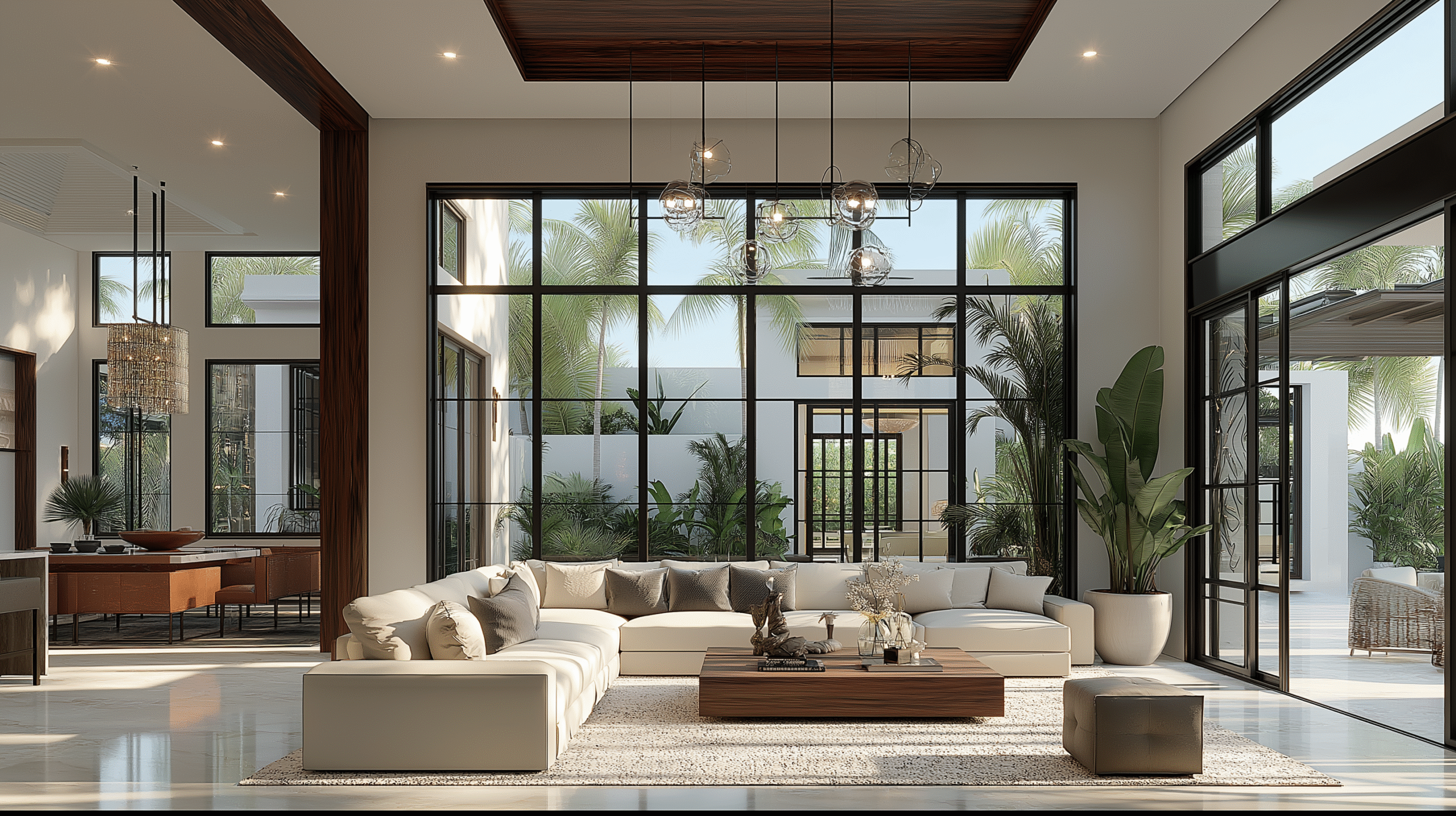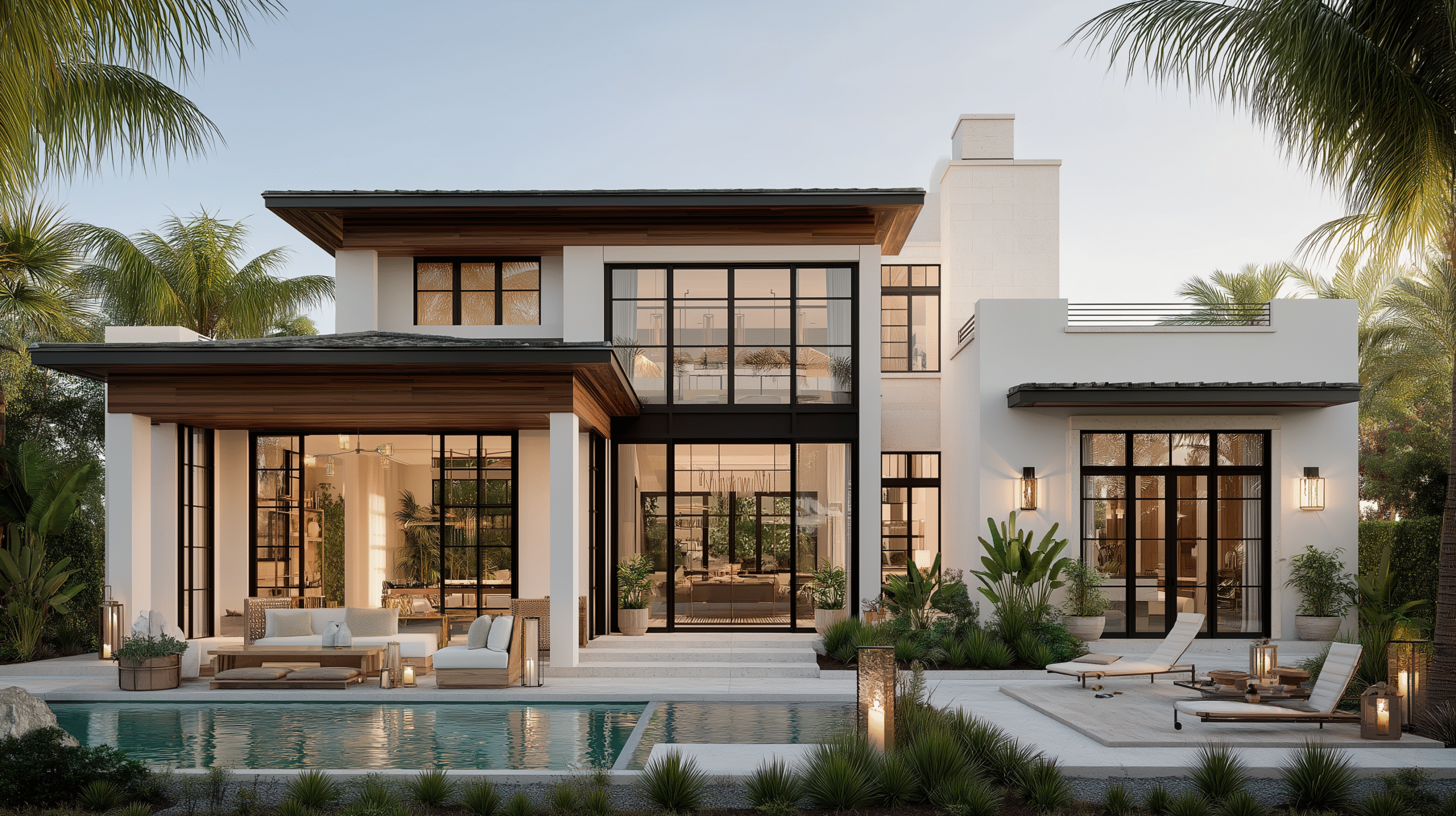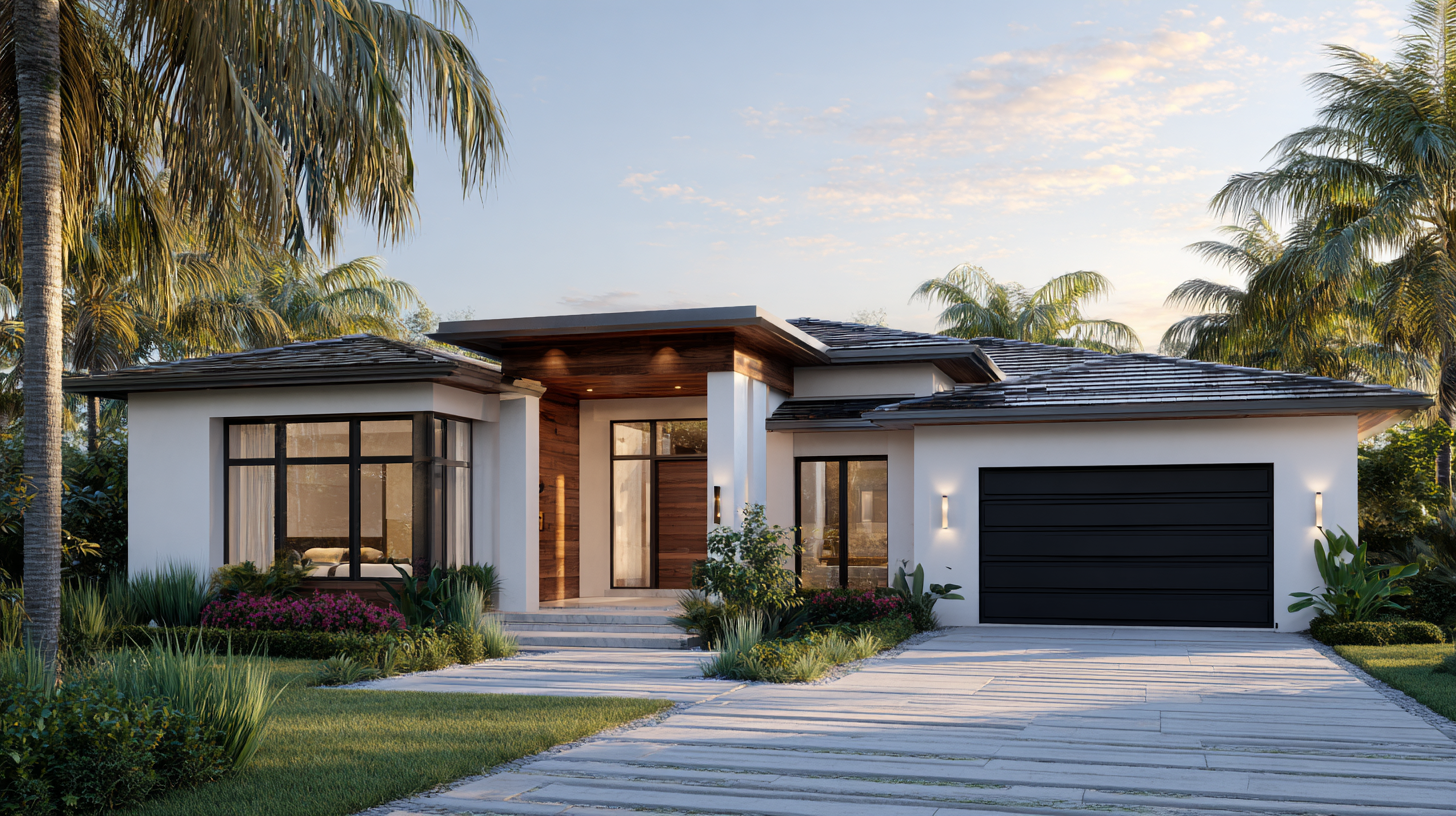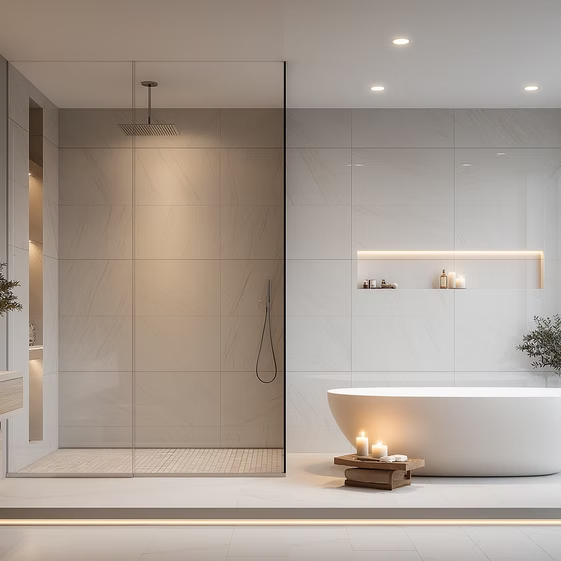
Design & Build Construction in Miami, FL

Customer Reviews

Why Design & Build Construction in Miami Starts With Clear Accountability

Construction projects in Miami rarely fail because of a lack of ideas. They struggle because responsibility gets divided too early. When design, engineering, and construction are handled by separate teams, decisions slow down. Questions bounce between consultants. Small design changes create large schedule consequences. In a market where landmarks like the Vizcaya Museum & Gardens, the Art Deco Historic District, and the Pérez Art Museum Miami drive architectural standards, this fragmentation often introduces risk before work even begins.

Design & Build construction exists to address that problem directly. Instead of managing multiple parties, the client works with a single team responsible for both planning and execution. Design decisions are informed by how the project will actually be built, not interpreted later in the field. In Miami, where projects often involve active properties, layered permitting, and real-time constraints, Design & Build is less about convenience and more about control.

Why Traditional Project Delivery Breaks Down in Miami

Many clients arrive at Design & Build after experiencing frustration with conventional delivery models. Designs may look complete but overlook site realities. Budgets shift once construction begins. Timelines stretch while responsibility is debated between designers and builders. Communication becomes inconsistent, especially when multiple consultants are involved.

The issue is rarely effort. It’s alignment. When design and construction operate independently, decisions are made without full visibility into their downstream impact. Design & Build reduces these disconnects by keeping planning and execution connected from the start.

Work

What Design & Build Is Actually Meant to Solve

Design & Build is not a shortcut. It’s a coordination strategy. In Miami, successful Design & Build projects focus on reducing uncertainty early. Design intent is developed alongside construction sequencing. Budgets reflect real build methods. Engineering decisions account for permitting and inspection realities before drawings are finalized.

Instead of redesign during construction, decisions are resolved earlier, when changes are less disruptive. One team remains responsible from concept through completion, eliminating ambiguity when challenges arise. The goal is not speed for its own sake. It is predictability.

How Design & Build Planning Really Begins

Design & Build does not start with drawings. It starts with understanding the site, the operational context, and the constraints that will shape the project. Access conditions, neighboring properties, zoning considerations, and approval timelines all influence how design decisions should be made.

Design intent is then aligned with construction sequencing. Materials are evaluated not only for appearance, but for availability, installation requirements, and long-term performance. Engineering and permitting are coordinated early to avoid revisions later. This integrated approach allows the project to move forward with fewer assumptions and clearer expectations.

Work
Services

Cost Control Comes From Alignment, Not Adjustments

Cost overruns in construction rarely come from one big mistake. They usually result from many small changes made too late. Design & Build helps manage cost by identifying drivers early. Site conditions, material selection, design complexity, permitting requirements, and sequencing all affect investment. When these factors are understood upfront, budgets become planning tools instead of reactionary limits. Rather than adjusting cost during construction, Design & Build allows informed decisions to be made before work begins. That clarity reduces the need for corrective measures later.

Why Design Changes Cause Delays and How Design & Build Reduces Them

Design changes after construction starts are one of the most common sources of delay. Often, these changes are not aesthetic. They are responses to constructability issues that could have been identified earlier. Design & Build reduces this risk by involving construction input during design development.

When changes are necessary, their schedule and cost impact is evaluated immediately. There is no handoff, no waiting for interpretation, and no debate over responsibility. Continuity between design intent and execution keeps timelines realistic.

Work
Work

Managing Projects in Active Miami Environments

Many Design & Build projects in Miami take place in active settings. Homes are occupied. Businesses remain open. Mixed-use properties continue to operate. Integrated planning accounts for this reality. Phasing, access control, safety measures, and scheduling are developed alongside design decisions. Communication remains consistent because one team oversees the entire process. Disruption is never eliminated entirely, but it is managed intentionally rather than reactively.

Why Single Responsibility Matters More Than Ever

In complex projects, clarity matters. Design & Build places accountability in one place. There is no division between design intent and construction execution. Decisions are made with full visibility into their consequences.

This single point of responsibility helps streamline communication, reduce disputes, and keep projects moving forward when challenges arise. Authority comes from managing the full process, not isolated phases.

Work

Contact Us

Trusst Your Partner for Home Remodeling

Request a quote from Trusst Construction, serving Miami, Fort Lauderdale, Palm Beach and more with commercial, residential, and multi-family projects.

Business Address:
19790 W Dixie Hwy, Unit 1005, Miami FL 33180
info@trusstconstruction.com

305-786-3199


Service Areas

A Conversation Before Decisions Are Locked In

Design & Build works best when it begins early. An initial conversation often reveals whether this approach fits the project’s needs. Scope, priorities, budget parameters, and constraints all shape how design and construction should be coordinated. Addressing these topics before commitments are made helps avoid revisions later, when flexibility is limited.

Planning a Design & Build Construction Project in Miami

Design & Build construction in Miami succeeds when planning is deliberate and grounded in real conditions. When design, engineering, and construction are aligned from the start, projects move forward with fewer interruptions and clearer outcomes. Trusst Construction works with clients to manage this process carefully, keeping design intent and construction execution connected throughout the life of the project.

Related Articles

People Also Ask

The cost to build a 3,000 sq ft home in Miami varies significantly based on finishes, design complexity, and site conditions. As a general industry standard, you can expect to pay between $250 and $400 per square foot for standard construction, placing the total range between $750,000 and $1.2 million. This estimate typically covers foundation, framing, roofing, basic mechanicals, and standard interior finishes. However, high-end custom features, impact-resistant windows, or complex architectural details can push costs higher. For a detailed breakdown of local pricing factors, including permits and material costs specific to Miami-Dade County, we recommend reviewing our internal article Remodeling & Construction in Miami – Frequently Asked Questions. Trusst Construction always advises getting multiple itemized bids to compare scope accurately.

Miami is home to many renowned architects who have shaped its distinctive skyline and cultural landscape. Figures like Morris Lapidus, known for the iconic Fontainebleau Hotel, and Zaha Hadid, who designed the innovative One Thousand Museum tower, are celebrated for their contributions. Contemporary names such as Bernard Zyscovich and Kobi Karp also play a significant role in the city's architectural identity. For those planning a new construction or renovation project in the Miami Beach area, understanding the local architectural heritage is key. For more detailed guidance on working with top designers in the region, you can refer to our internal article titled New Home Construction & Renovation in Miami Beach, FL.

The short answer is that design-build is often less expensive overall, though the upfront costs can appear different. In a traditional design-bid-build project, you pay for separate design and construction contracts, which often leads to change orders and delays that inflate the final budget. With design-build, a single team handles both phases, creating a streamlined process that reduces administrative waste and eliminates costly conflicts between the architect and contractor. This integrated approach typically results in a lower total project cost and faster completion. For a deeper understanding of how this model saves money on your specific project, Trusst Construction recommends reviewing our internal article titled Design & Build Construction.

Based on current market data, construction activity in Miami is not broadly slowing down, but it is normalizing after a period of record highs. While residential permit volumes have slightly moderated compared to the pandemic-era peak, major commercial and infrastructure projects remain robust. The demand for new homes and renovations in Miami Beach and Hialeah continues to be strong, driven by population growth and property values. For specific project timelines, it is always wise to consult with a local expert. For a deeper look into local trends, please refer to our article New Home Construction & Renovation in Miami Beach, FL, which provides detailed insights into current market conditions.

For homeowners seeking the best design and build construction in Miami, the key is to find a team that integrates architecture and contracting under one roof. This approach streamlines communication, reduces project delays, and ensures budget alignment from the initial sketch to the final walkthrough. A reputable design-build firm manages every phase, including feasibility studies, material procurement, and permit expediting. In Miami’s competitive market, local expertise is critical for navigating zoning laws and hurricane code requirements. For a comprehensive breakdown of costs and regulations for accessory units, refer to our internal article ADU Construction In Miami-Dade: Zoning, Permitting, And Turnkey Cost Guide. Trusst Construction emphasizes transparent collaboration, offering clients a single point of accountability to transform visions into durable, code-compliant structures.

Google

Overall Rating

5.0
★★★★★

19 reviews