

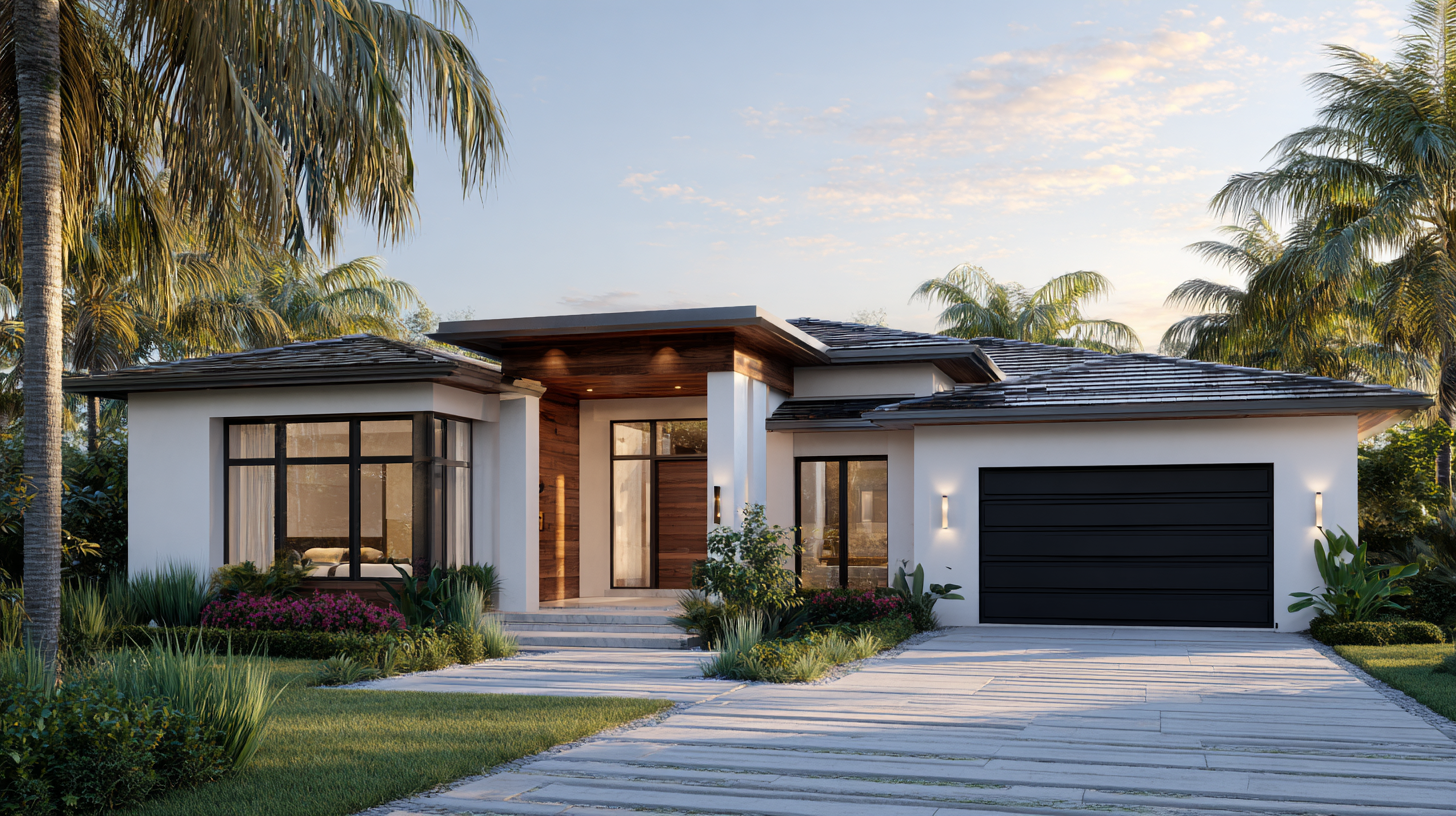
Trusst built our custom home in Leland completely on schedule, and the fixed-price contract meant zero surprise expenses at closing. You won't find a smoother process in Brunswick County.


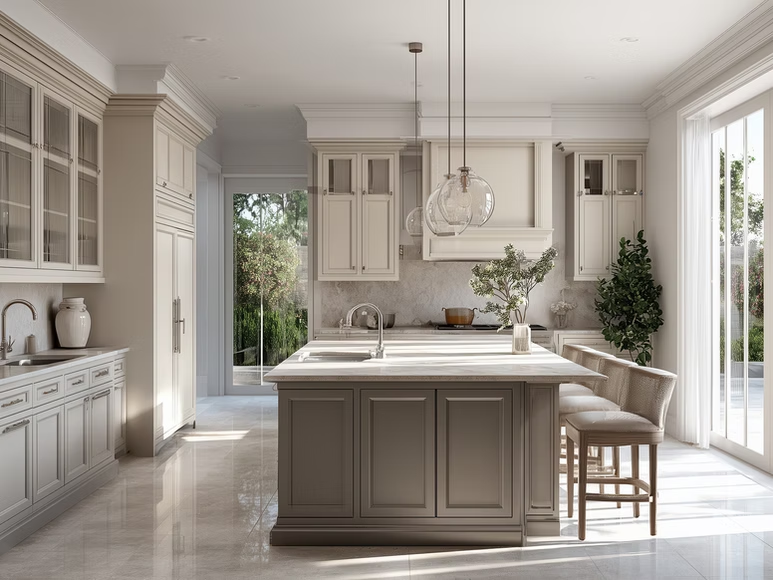
We needed our outdated Wilmington kitchen overhauled before hosting family for the holidays. Trusst gave us an exact estimate on day one, stuck to the budget, and wrapped up the work in under three weeks. Absolute professionals from start to finish.

Added a two-car garage to our property in Waterford. Trusst delivered line-item pricing before work started, hit every milestone date, and left the driveway spotless. I would hire them again in a second.

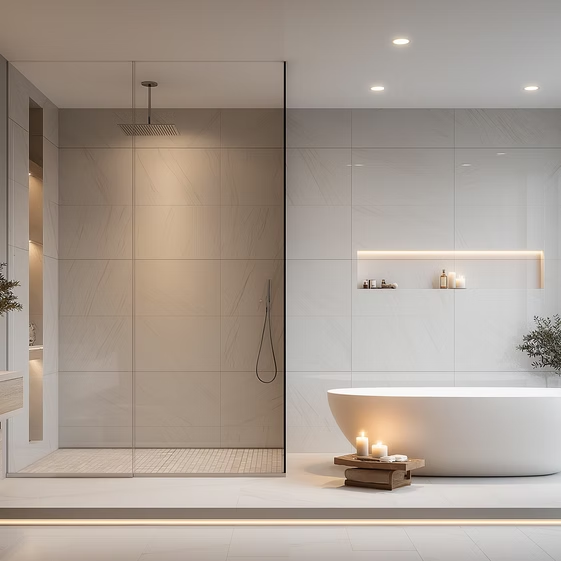
I cared most about the kitchen working for two people at once. They fixed the layout, added counter space, and put lighting where we actually need it. The bathroom remodel was secondary, but the shower and tile look just as careful. No drama on the estimate. Questions got answered the same day. That’s rare.

Bathroom came out great. Walk-in shower, new vanity, good lighting. Kitchen update was even better. Would hire them again.

Years of putting it off, we finally gutted the kitchen and master bath. The new layout, cabinets, and tiled shower came out better than the pictures they showed us. The crew was respectful of our schedule and left the house clean every evening. The estimate held and they took care of the punch list quickly. I strongly recommend Trusst.

Attention to the little details (hardware, grout, trim) really stood out during my bathroom remodel. Project stayed organized and they cleaned up properly every evening. Recommend them without reservation.

We needed a kitchen update and a complete bathroom renovation in a smaller home. They maximized the space without making it feel crowded. Cabinets, counters, and tile all look custom. Comm was clear from start to finish and there were no last-minute extras.

Craftsmanship, communication, and cleanliness were all better than previous contractors we’ve used. Finished on time and exactly as quoted. Already planning the next project with them.

Exellent Work, Very good Company.
Exellent Management from Shay and Gili.
Thank you very much for everything.
I would take this Company again and again.



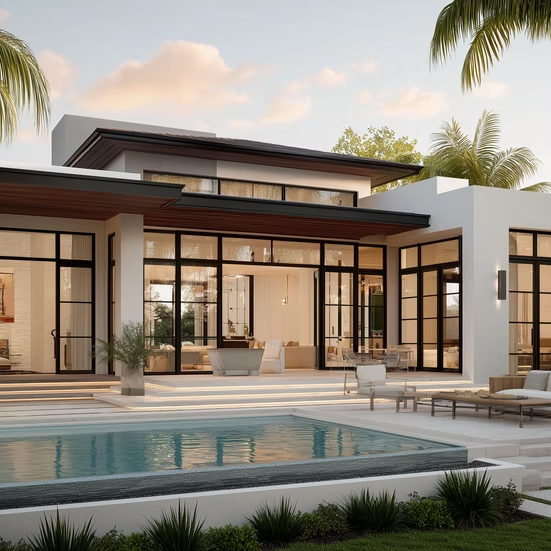
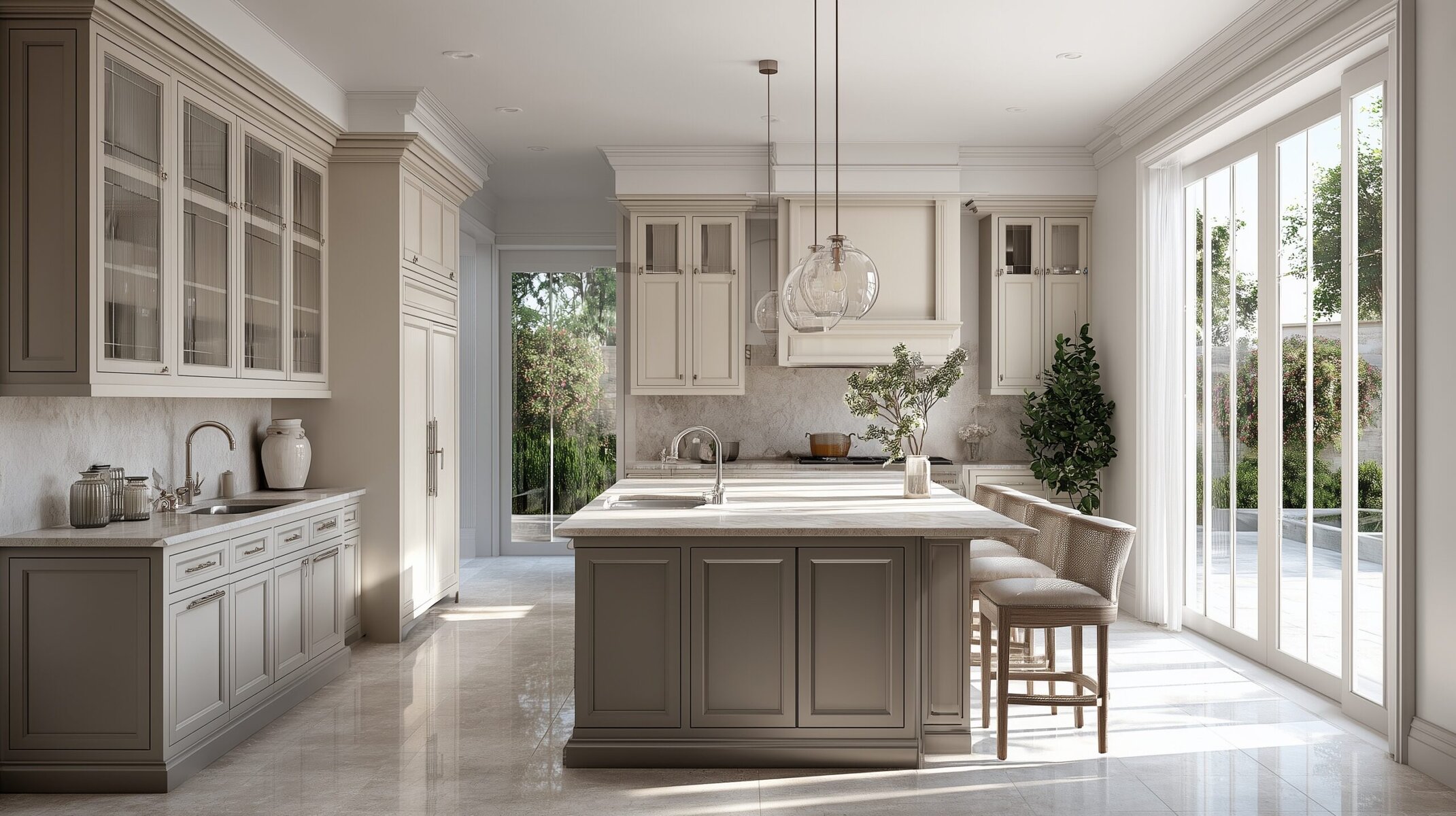

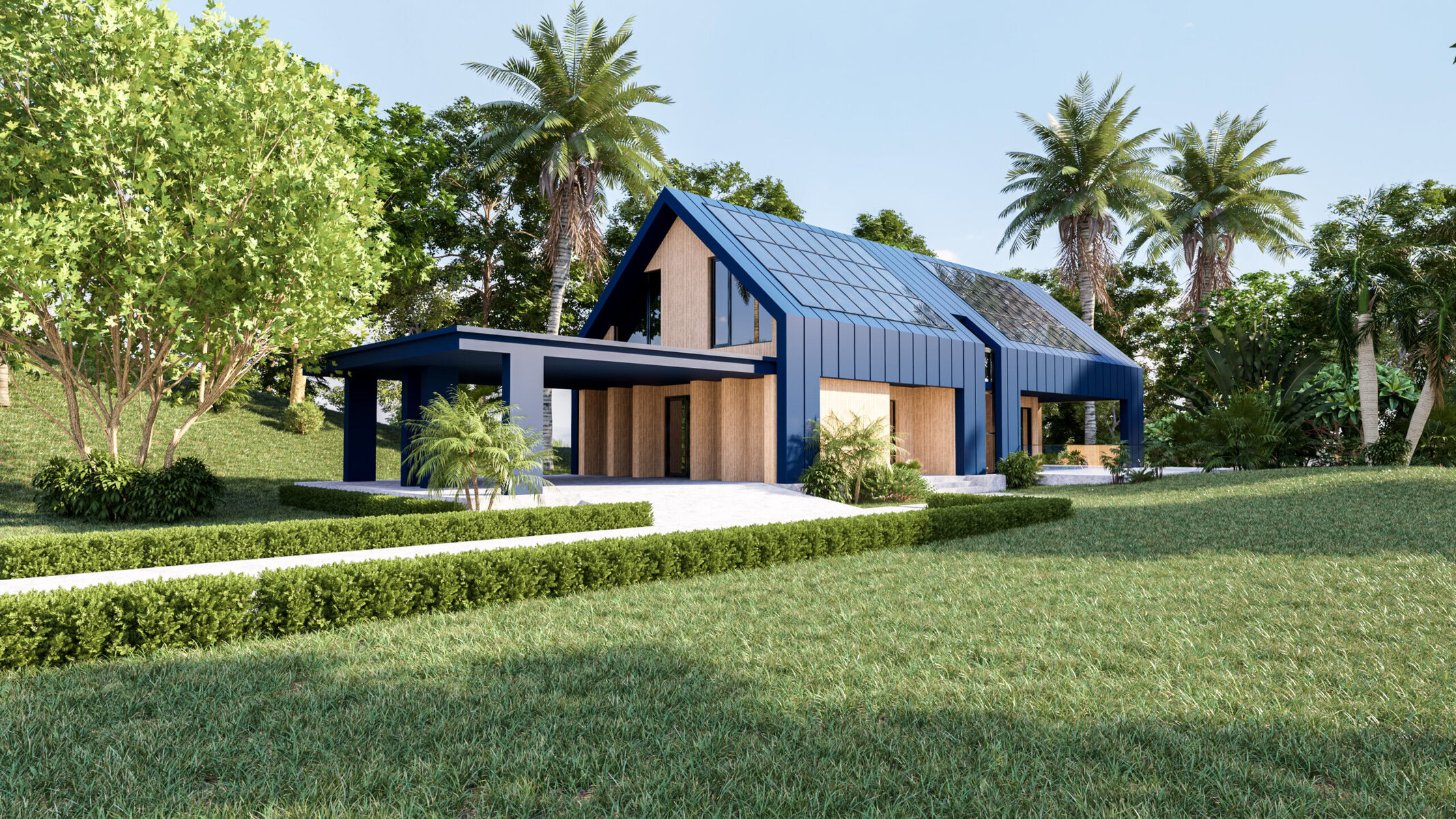
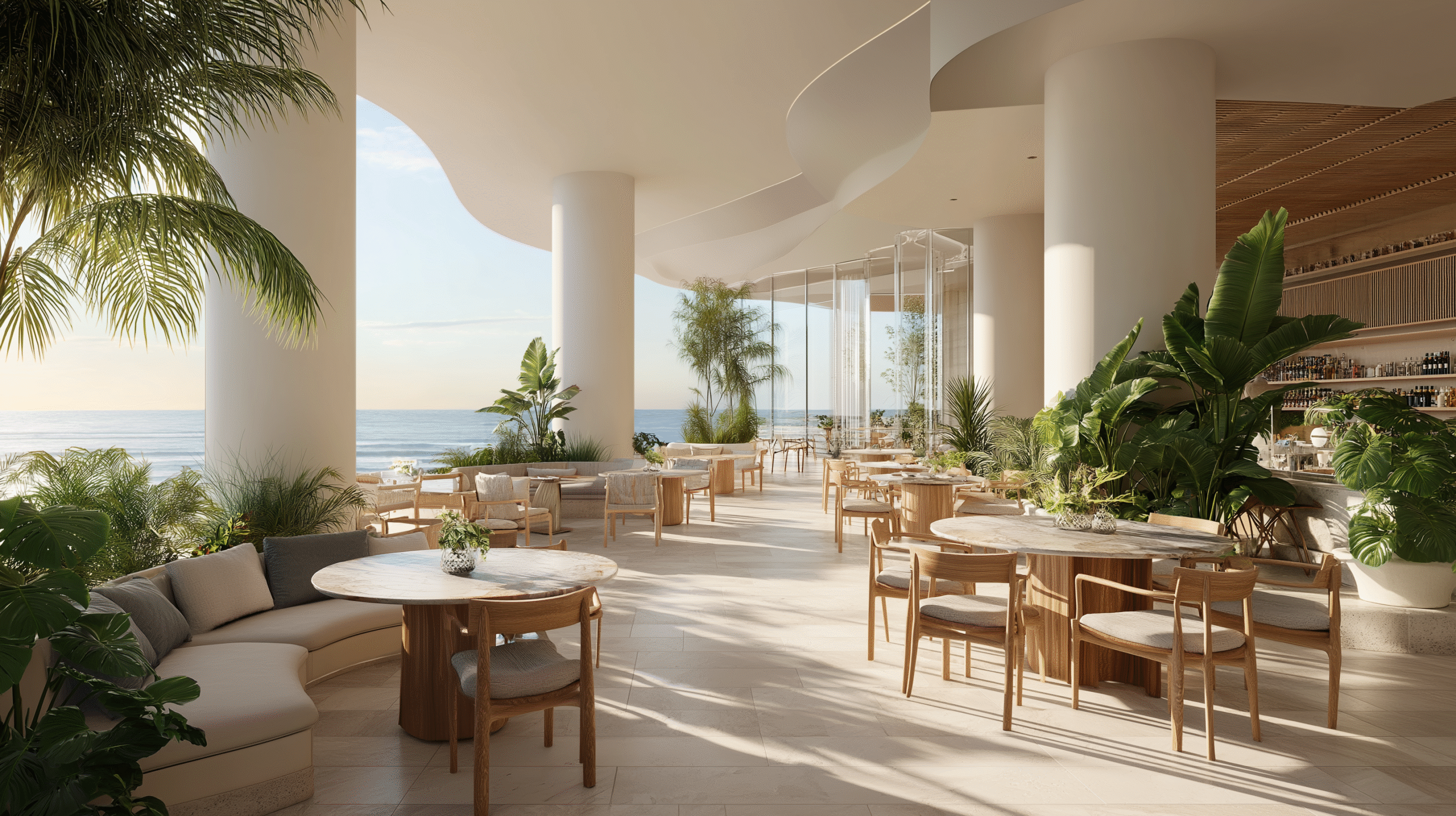
Related Articles
People Also Ask
When communicating with your contractor, avoid making vague statements like "I don't know what I want" or "Just do whatever you think is best," as these can lead to costly misunderstandings. Never say "I can get that material cheaper myself," as this often voids warranties and disrupts project flow. Avoid discussing your maximum budget upfront, as this removes your negotiation leverage. Also, refrain from comparing bids mid-project or saying "My friend said you should do it differently," as this undermines trust. For a deeper understanding of how to plan your renovation effectively, read our article Open Concept Living: Is It Right For Your Miami Home?. At Trusst Construction, we recommend clear, written communication to keep your Miami project on track.
The cost to build a 3,000 sq ft home in Miami typically ranges from $600,000 to over $1,000,000, depending on finishes, design complexity, and site conditions. This translates to roughly $200 to $350 per square foot for standard construction. High-end custom materials, impact-resistant windows, and specialized foundation work for South Florida soil can significantly increase the budget. It is critical to include permits, impact fees, and utility connections in your estimate. For a detailed breakdown of local pricing and project planning, refer to our internal article titled Remodeling & Construction in Miami – Frequently Asked Questions.
A primary disadvantage of design-build is the potential for reduced owner control. In this integrated approach, the single entity manages both design and construction, which can limit the client's ability to make direct, independent changes to the project scope or specifications after the contract is signed. This structure often requires the owner to trust the design-builder's decisions more heavily, as there is no separate architect acting as an independent advocate. Additionally, because the process is less transparent than traditional methods, it can be difficult to verify the true cost of individual design elements versus construction costs. For complex projects requiring frequent client input, a traditional design-bid-build model may offer more oversight. Trusst Construction recommends carefully evaluating project complexity before choosing this delivery method.