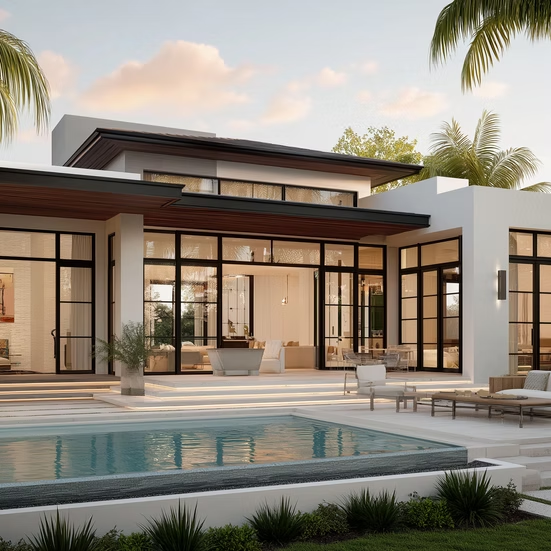

Trusst built a screened outdoor living space for our Wrightsville Beach cottage that survived two storms without a scratch. Fair pricing, fast turnaround, and zero hassle.


We urgently needed an accessible in-law suite added to our house in Ocean Isle Beach for my aging mother. Trusst fast-tracked the plans, broke ground within days, and completed the build under budget. Knowing my mom has a safe, beautifully constructed space gives our whole family peace of mind.

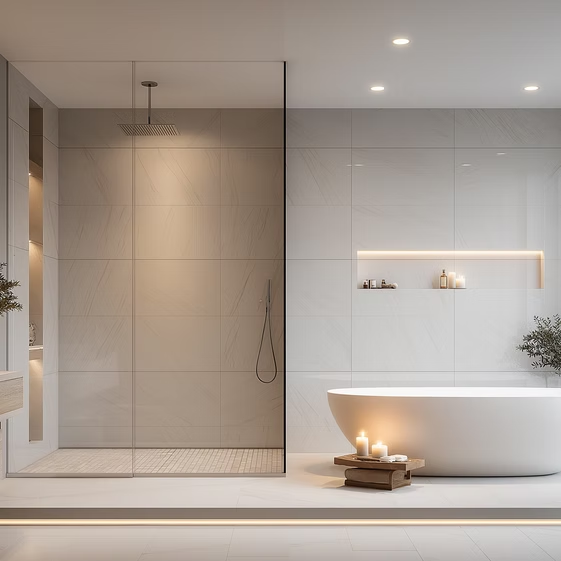
Just finished a full bathroom remodel with Trusst, Shay did a great work, he is always available. Trusst was working every single day, professional team. I have very happy overall

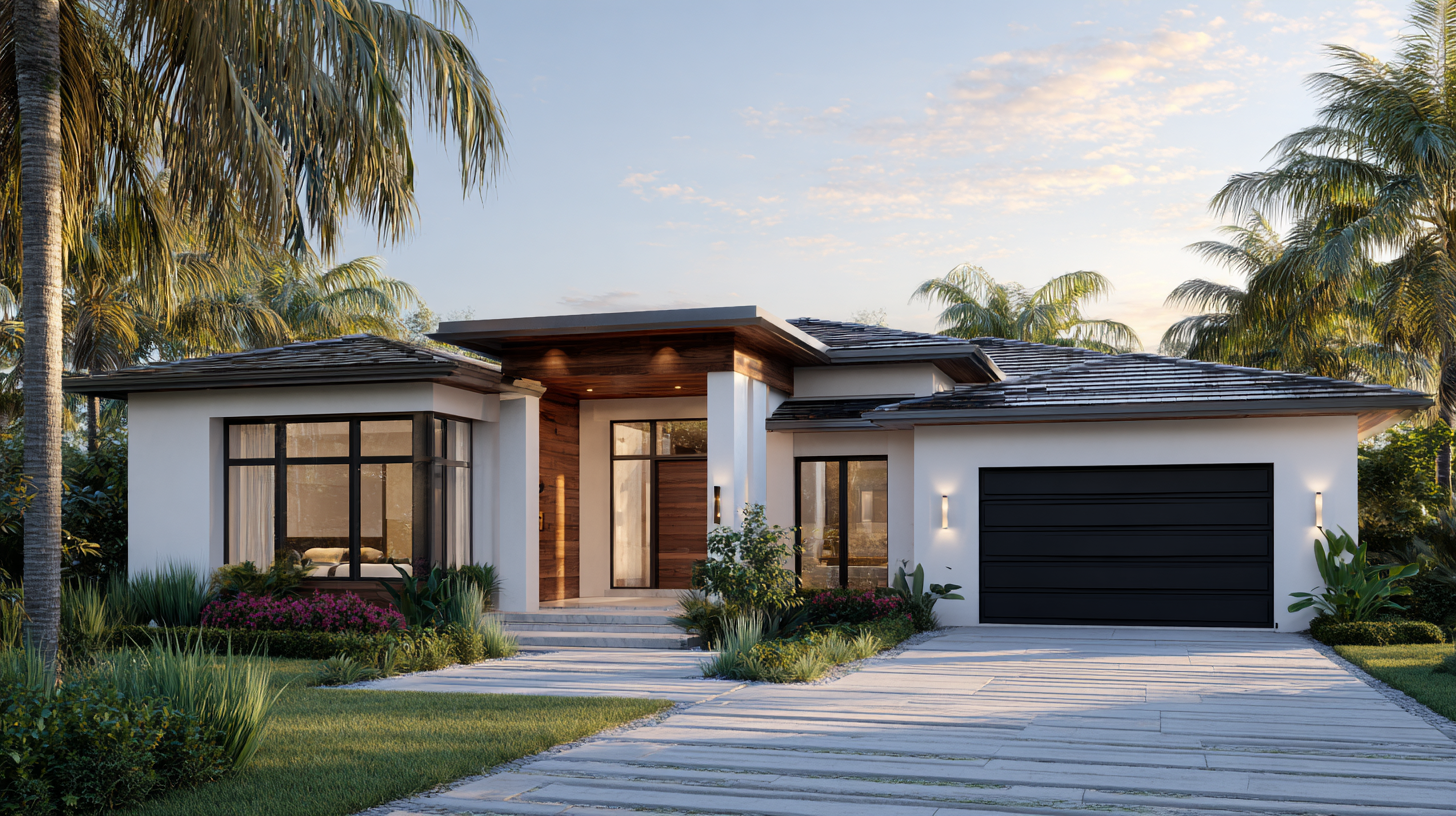
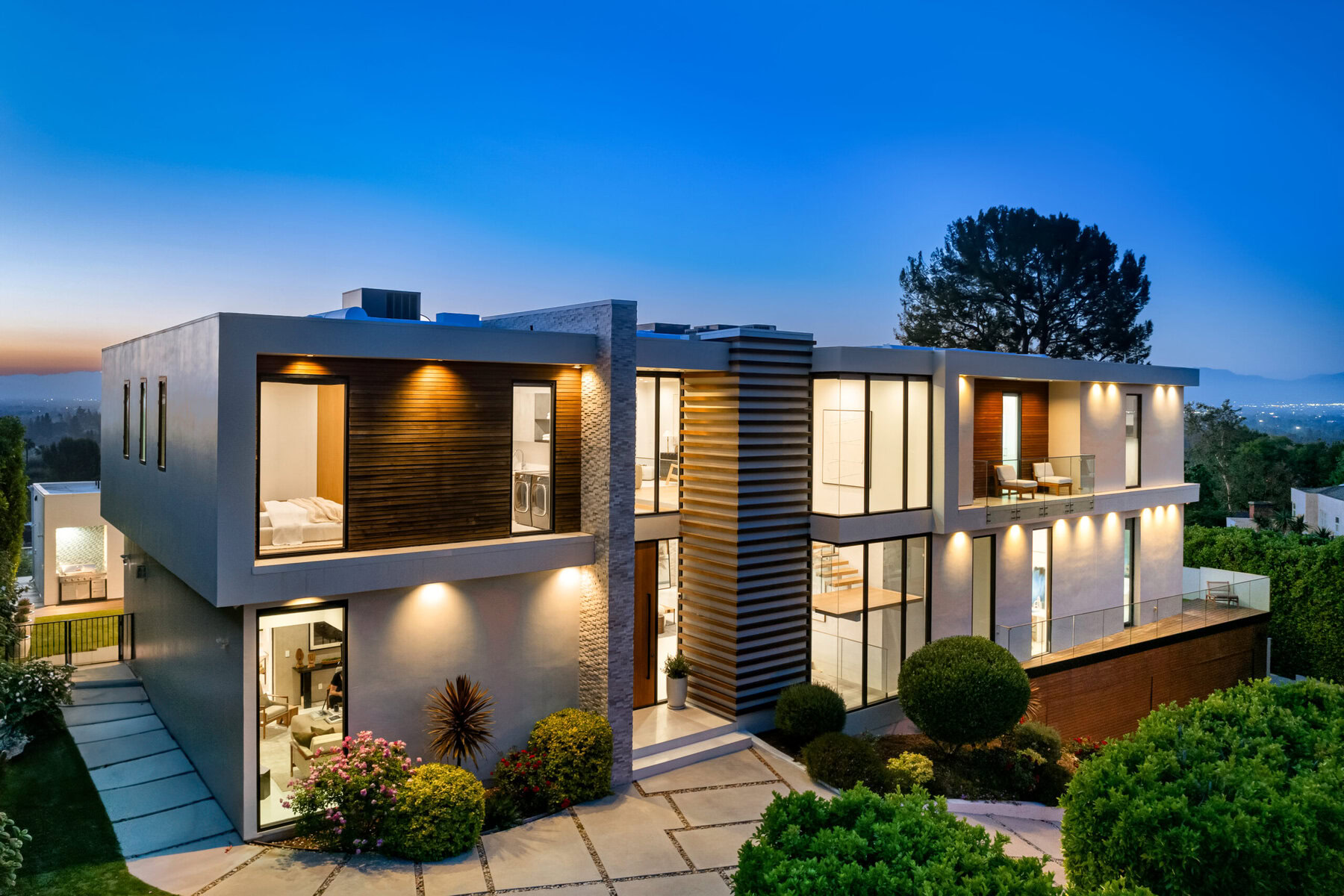
Trusst built our custom home in Leland completely on schedule, and the fixed-price contract meant zero surprise expenses at closing. You won't find a smoother process in Brunswick County.

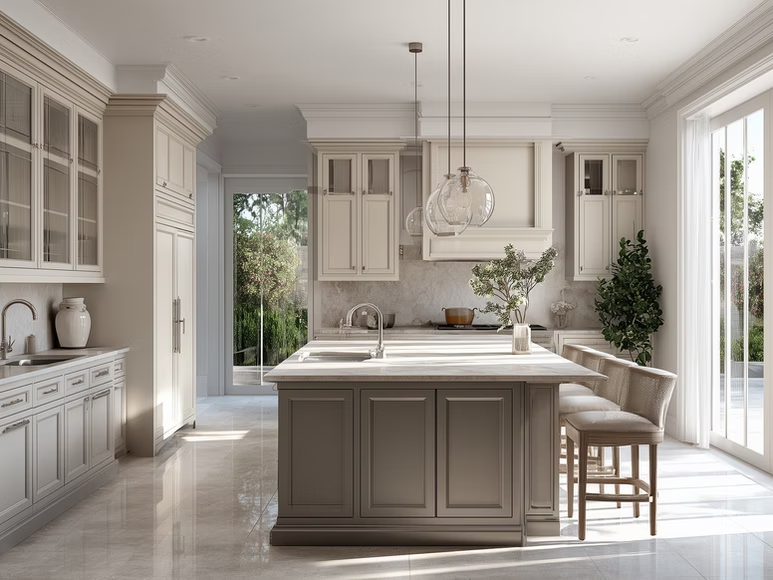
We needed our outdated Wilmington kitchen overhauled before hosting family for the holidays. Trusst gave us an exact estimate on day one, stuck to the budget, and wrapped up the work in under three weeks. Absolute professionals from start to finish.

Added a two-car garage to our property in Waterford. Trusst delivered line-item pricing before work started, hit every milestone date, and left the driveway spotless. I would hire them again in a second.

I cared most about the kitchen working for two people at once. They fixed the layout, added counter space, and put lighting where we actually need it. The bathroom remodel was secondary, but the shower and tile look just as careful. No drama on the estimate. Questions got answered the same day. That’s rare.

Bathroom came out great. Walk-in shower, new vanity, good lighting. Kitchen update was even better. Would hire them again.

Years of putting it off, we finally gutted the kitchen and master bath. The new layout, cabinets, and tiled shower came out better than the pictures they showed us. The crew was respectful of our schedule and left the house clean every evening. The estimate held and they took care of the punch list quickly. I strongly recommend Trusst.

Attention to the little details (hardware, grout, trim) really stood out during my bathroom remodel. Project stayed organized and they cleaned up properly every evening. Recommend them without reservation.