
In Miami-Dade County, any home remodeling project that alters the structure, electrical, plumbing, or mechanical systems requires a permit. This includes moving walls, adding outlets, replacing a water heater, or installing impact windows. Purely cosmetic work—painting, flooring, cabinet refacing—generally does not. As of July 1, 2026, Florida law exempts certain non-structural residential projects valued under seven thousand five hundred dollars from local permitting requirements. However, this exemption is narrow and does not apply to any work within the High-Velocity Hurricane Zone (HVHZ) that involves exterior openings or structural elements. Working without a required permit can result in stop-work orders, fines that multiply over time, and major headaches when you try to sell your home.
Table of Contents
1. Introduction
Securing the right permits is the single most important step in any Miami home remodeling project. The region’s unique combination of hurricane-resistant building codes, overlapping municipal jurisdictions, and a recent wave of state-level permit reforms makes the process unlike any other in the country. A misstep here can add weeks or months to your timeline and thousands of dollars to your budget.
This guide provides a complete, fact-based walkthrough of Miami home remodeling permits as they stand in 2026. You will learn which projects trigger permit requirements, what the new Florida laws change, exactly what documentation you need, what you will pay, how long each step takes, and the most effective ways to keep your project on track.
2. Permit Triggers: Which Projects Require a Permit in Miami
The first question every homeowner faces is whether their specific project needs a permit. The answer depends on what you are changing, not just how much you are spending.
2.1 Work That Always Requires a Permit
Any project that touches the following systems or elements requires a permit from the Miami-Dade County Building Department or your local municipal authority.
-
Structural alterations: Removing or modifying load-bearing walls, adding rooms, enclosing a carport or porch, or cutting new window or door openings.
-
Electrical work: Installing new circuits, upgrading a panel, adding outlets, or rewiring any part of the home.
-
Plumbing modifications: Moving a sink, toilet, or shower drain; replacing water supply lines; installing a new water heater.
-
Mechanical (HVAC) changes: Installing a new air conditioning system, adding ductwork, or relocating an air handler.
-
Roofing: Any re-roofing or roof replacement, particularly because Miami-Dade sits within the HVHZ and all roofing products must carry a valid Notice of Acceptance (NOA).
-
Windows, shutters, and exterior doors: All exterior openings must meet HVHZ impact-testing requirements and carry a Miami-Dade NOA.
-
Demolition: Even partial interior demolition can require a permit, especially if it involves load-bearing elements.
2.2 The 2026 Florida Law: Projects Under Seven Thousand Five Hundred Dollars
On May 7, 2026, Florida’s Governor signed House Bill 803 into law, effective July 1, 2026. The law exempts certain residential construction work valued under seven thousand five hundred dollars from local building permit requirements. This change is designed to speed up smaller, non-structural renovations.
What the exemption does cover (in many cases):
-
Minor cosmetic updates (painting, trim work, cabinet refacing)
-
Replacement of a single plumbing fixture in the same location
-
Replacement of a single electrical fixture with no new wiring
-
Small-scale flooring replacement (no structural subfloor work)
What the exemption does not cover:
-
Any work that involves structural changes, regardless of cost
-
Any project that requires an HVHZ product approval (windows, doors, roofing)
-
Work that alters the building envelope
-
Projects in municipalities that have opted to enforce stricter local rules
-
Context: Even when a state-level exemption applies, all work must still comply with the Florida Building Code and local zoning regulations. If an inspector later finds that exempted work was done improperly, the homeowner may still be required to bring it up to code at their own expense.
2.3 Work That Typically Does Not Require a Permit
The following cosmetic improvements generally do not trigger a permit requirement, provided no structural, electrical, plumbing, or mechanical systems are altered:
-
Interior painting and wall coverings
-
Replacing cabinet fronts and hardware
-
Swapping out a light fixture with a like-for-like replacement (no new wiring)
-
Replacing a faucet or showerhead without modifying plumbing
-
Installing new carpet, tile, or hardwood flooring over an existing sound subfloor
When in doubt, contact the City of Miami Building Department at 305-468-5900 or the Miami-Dade County Permitting & Inspection Center to confirm whether your specific project requires a permit.
3. The Miami Difference: HVHZ, Local Jurisdictions, and Coastal Codes
Miami’s permitting process is more demanding than in most U.S. cities because of three overlapping regulatory layers.
3.1 High-Velocity Hurricane Zone (HVHZ)
Miami-Dade County is one of only two U.S. counties (along with Broward) entirely within the HVHZ. Design wind speeds reach 175 mph for Risk Category II structures under ASCE 7-22.
-
Every exterior building component—windows, doors, shutters, roofing, and wall cladding—must carry a valid Miami-Dade County Notice of Acceptance (NOA).
-
Products must pass three mandatory tests: large missile impact (TAS 201), cyclic pressure testing (TAS 202), and water resistance after impact (TAS 203).
-
NOAs require annual renewal with ongoing quality assurance testing.
-
HVHZ-compliant products typically carry a 30% to 60% cost premium over standard-zone alternatives. Using non-approved products can result in permit denial, failed inspections, and costly rework.
3.2 Municipal vs. County Jurisdiction
Miami-Dade County contains 34 municipalities, many of which operate their own building departments. A project in Miami Beach, Coral Gables, or Hialeah may need to go through the local building department rather than—or in addition to—the county. Always verify jurisdiction before you submit an application.
3.3 Coastal and Environmental Considerations
Properties east of the Coastal Construction Control Line face additional requirements related to erosion control, foundation design, and environmental impact. These reviews add time and cost to any remodeling project that expands the building footprint or involves exterior work.
4. Permit Types You Are Likely to Encounter
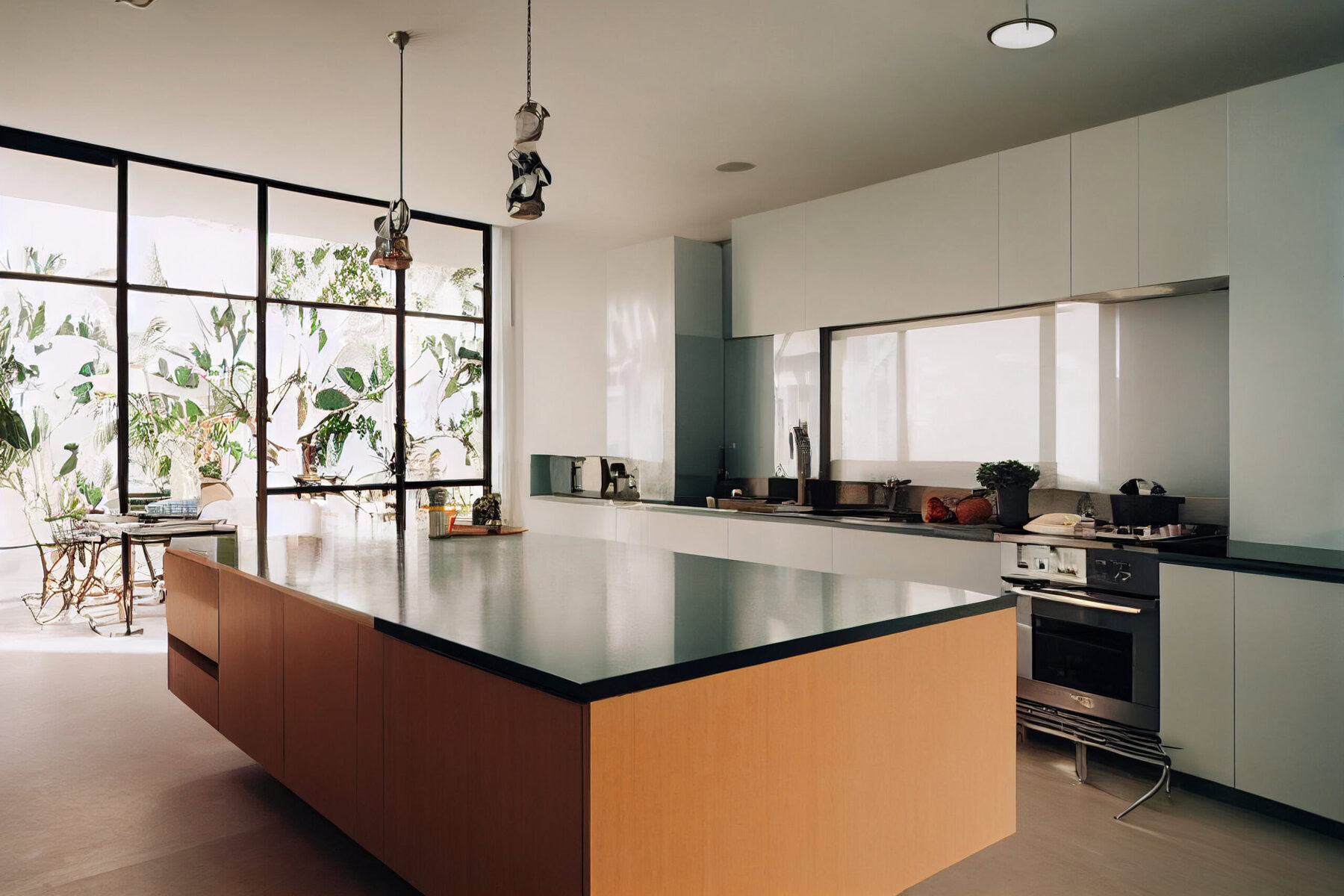
Most home remodeling projects require multiple permits filed together. A typical kitchen remodel, for example, needs building, electrical, plumbing, and possibly mechanical permits.
| Permit Type | When Required | Typical Issuing Authority |
|---|---|---|
| Building Permit | Structural changes, additions, interior reconfigurations, window/door changes | Municipal or County Building Department |
| Electrical Permit | New circuits, panel upgrades, new wiring, generator installation | Municipal or County Building Department |
| Plumbing Permit | Water heater replacement, drain line relocation, new fixture installation | Municipal or County Building Department |
| Mechanical Permit | HVAC system installation, ductwork modifications, kitchen exhaust | Municipal or County Building Department |
| Roofing Permit | Re-roofing, roof replacement (NOA products required) | Municipal or County Building Department |
| Zoning Improvement Permit (ZIP) | Fences, sheds, driveways, and certain exterior structures | Miami-Dade Development Services Division |
| Owner-Builder Permit | When the homeowner acts as their own contractor | Municipal or County Building Department |
Only licensed contractors or qualified owner-builders may obtain permits in Miami-Dade County. Acting as an owner-builder means you assume full legal and financial responsibility for the work.
5. The Step-by-Step Permit Process
The permitting journey follows a predictable sequence. Understanding each phase helps you plan your remodel timeline realistically.
Step 1: Determine Permit Requirements
Identify every permit your project needs based on the scope of work. Many homeowners are surprised to learn their simple bathroom update requires three separate permits. Use the City of Miami’s Permits & Construction page or the Miami-Dade County Building Department website to verify requirements.
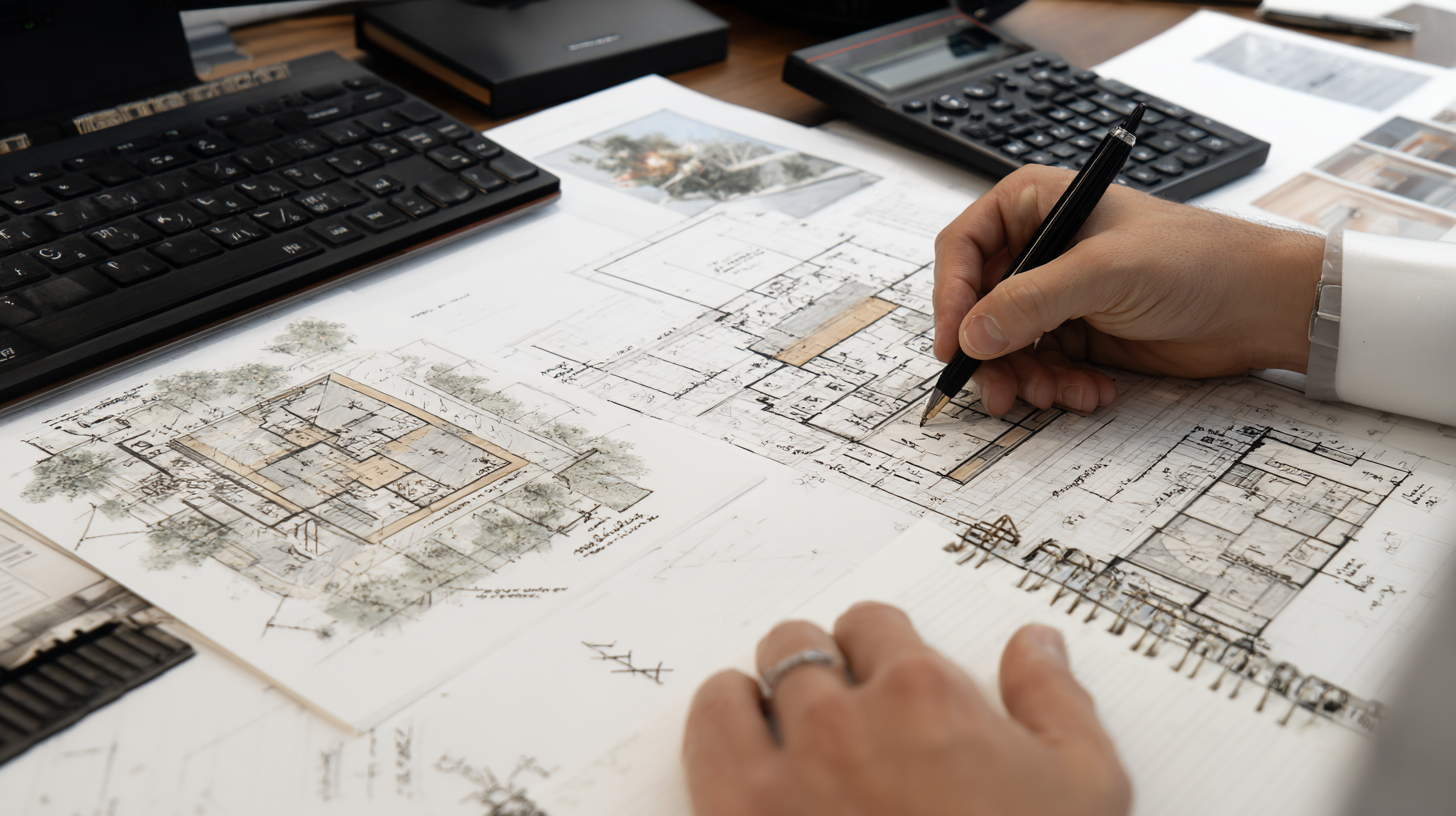
Step 2: Gather Required Documentation
A complete application package typically includes:
-
Completed permit application form
-
Two copies of construction plans, signed and sealed by a Florida-licensed architect or engineer (required for projects exceeding a valuation threshold, which varies by municipality)
-
Two copies of a property survey (must be no more than one year old)
-
Site plan showing property lines, setbacks, and proposed work
-
Energy compliance forms (Florida Energy Code)
-
Stormwater requirements checklist
-
Notice of Acceptance (NOA) documentation for any exterior products
-
Owner-Builder verification form (if applicable)
-
Hazardous materials questionnaire (for demolition or renovation of older structures)
Step 3: Submit Your Application
Submit the complete package through the iBuild portal for City of Miami projects or the e-Municipal system for county-level permits. In-person submissions are accepted at the Permitting & Inspection Center (PIC) located at 11805 SW 26 Street, Miami, Florida.
Step 4: Plan Review
The Building Department reviews your plans for compliance with the Florida Building Code, local zoning, and HVHZ requirements. Initial plan review for most residential projects takes 15 to 30 business days. If corrections are required, a rework review follows the same timeline once you resubmit.
Step 5: Permit Issuance
Once your plans are approved and all fees are paid, the permit is issued. Issuance typically takes 5 to 10 business days after approval.
Step 6: Inspections
After work begins, you must schedule inspections at key milestones (rough-in, framing, final). Inspections must be requested at least one business day in advance. Failing an inspection means scheduling a re-inspection and potentially paying additional fees.
Step 7: Final Approval and Certificate of Completion
Once all inspections pass, the permit is closed. For certain projects, a Certificate of Completion or Certificate of Occupancy is issued.
6. Permit Costs and Fees: What to Budget
Miami-Dade County implemented a revised fee schedule effective October 1, 2025, the first fee increase in over 17 years. Fees are paid upfront before plan review begins and cover the initial review plus one rework review. Additional reworks incur separate charges.
| Permit Category | Typical Fee Range | Notes |
|---|---|---|
| Minor interior remodel (non-structural) | 200 dollars to 500 dollars | Single trade; e.g., electrical panel upgrade |
| Kitchen or bathroom remodel | 500 dollars to 1,500 dollars | Typically requires building, electrical, and plumbing permits |
| Room addition or structural alteration | 1,000 dollars to 2,500 dollars+ | Fee based on project valuation |
| New home construction | 1,000 dollars to 10,000 dollars+ | Fee scales with total construction value |
| Roofing permit | 300 dollars to 800 dollars | NOA documentation required |
| Impact window/door replacement | 200 dollars to 600 dollars | Must include HVHZ product approval |
| Re-inspection fee | 100 dollars to 250 dollars per occurrence | Varies by municipality |
| Permit extension (beyond 180 days) | Varies; typically 50% of original fee | Extensions must be approved before expiration |
-
Sources: City of Miami Building Permit Fee Schedule; Miami-Dade County Fee Schedule; permit cost ranges from PermitFlow and PermitPlace analyses.
7. Realistic Timelines: From Application to Completion
Permit timelines depend on project complexity, jurisdiction workload, and whether your application is complete and error-free on the first submission.
| Phase | Typical Duration | Factors That Extend Timeline |
|---|---|---|
| Document preparation | 1 to 4 weeks | Depends on whether you have architect/engineer drawings ready |
| Application intake | 2 to 3 business days | Incomplete applications are rejected and reset the clock |
| Initial plan review | 15 to 30 business days | Complex projects or high-volume periods can push this to 45+ days |
| Rework review (if corrections needed) | 15 to 30 business days | Each resubmission restarts the review clock |
| Permit issuance after approval | 5 to 10 business days | Requires full fee payment |
| Permit validity window | 180 days from issuance | Extensions available for a fee; must be requested before expiration |
A straightforward kitchen remodel with complete, accurate plans can go from application to issued permit in approximately 30 to 45 business days. Projects requiring multiple revisions or facing HVHZ product review delays can easily stretch to 60 to 90 business days.
8. Common Mistakes That Delay or Derail Permits
The same errors surface repeatedly in Miami permit applications. Avoiding them saves time and money.
-
Submitting incomplete plans: Missing energy compliance forms, outdated surveys, or unsigned engineering drawings are the number one cause of application rejection.
-
Using non-HVHZ-approved products: Specifying standard-zone windows, doors, or roofing materials guarantees plan review rejection.
-
Underestimating permit fees: The upfront fee requirement (covering two reviews) catches many first-time applicants off guard.
-
Starting work before permit issuance: This is the fastest way to trigger a stop-work order and fines. Inspectors can spot construction activity from the street.
-
Assuming a general contractor handles everything: Even when you hire a contractor, you remain legally responsible for ensuring permits are pulled. Verify permits are in hand before any work begins.
-
Missing the 180-day expiration: Permits expire if work is not completed within 180 days. Extensions are available but must be requested before expiration.
9. Working with a Licensed Contractor: The Smoothest Path
The most effective way to navigate Miami’s permitting system is to work with a licensed general contractor who has deep local experience. A contractor who knows the local building inspectors by name and understands the nuances of HVHZ compliance can compress the permit timeline significantly.
Trusst Construction, a licensed general contractor serving greater South Florida, operates with a single integrated team covering architecture, design, and construction. The firm provides one dedicated point of contact who manages all trades, schedules, and permitting—so you never chase down subcontractors or wonder about the status of your application. With deep local knowledge of coastal codes, permitting hurdles, and storm-season realities, Trusst builds permit strategy into the project plan from day one. Every estimate is clearly itemized with transparent, upfront pricing and written change approvals. To start your project with a no-obligation consultation, give us a call.
10. Special Topic: Owner-Builder Permits
Miami-Dade County allows homeowners to act as their own contractor through an owner-builder permit. This path can save money on contractor fees, but it carries significant legal and financial risk.
-
The homeowner must personally appear at the Permitting & Inspection Center for an owner-builder validation appointment.
-
The homeowner assumes full responsibility for code compliance, worker safety, and any defects.
-
Owner-builders may not sell the property within one year of permit completion (Florida Statute 489.103).
-
If you hire workers, you must provide workers’ compensation insurance.
Owner-builder permits are best suited for homeowners with construction experience who are performing small, simple projects. For any project involving structural, electrical, or plumbing work, a licensed contractor is strongly recommended.
11. 2026 Regulatory Updates to Watch
Several changes took effect in 2026 that impact Miami homeowners.
-
HB 803 (effective July 1, 2026): Exempts certain residential projects valued under seven thousand five hundred dollars from local building permits. This applies to non-structural work only and does not override HVHZ product requirements.
-
City of Miami Permit Acceleration Initiative: The City launched two new programs in March 2026 to speed up permits for eligible residential projects—including fences, driveways, windows and doors, roofing, kitchen and bathroom remodels, and minor repairs. An Annual Facilities Permit option is also available for commercial properties to bundle routine work under a single year-long permit.
-
Building Recertification Deadlines: Miami-Dade requires structural inspections at 25 years for coastal buildings and 30 years for all others, with re-inspections every 10 years. A recertification notice with an April 7, 2026 deadline was recently issued for affected properties.
12. Frequently Asked Questions
Can I pull my own permit?
Yes. Miami-Dade County offers owner-builder permits for homeowners who perform work on their own property without a contractor. You must appear in person for validation and assume full legal responsibility.
What happens if I remodel without a permit?
An inspector can issue a stop-work order. Fines may double or triple based on the severity and duration of the violation. You will need to apply for retroactive permits, which often require exposing completed work for inspection and paying additional fees. Unpermitted work must be disclosed when you sell the property, which can derail a sale.
How long does a permit last?
Building permits in Miami are valid for 180 days from the date of issuance. If work is not completed, you must request an extension before the permit expires. Expired permits require a new application and full fees.
Do I need a permit to remodel my kitchen?
In nearly all cases, yes. Any kitchen remodel involving plumbing changes, electrical work, or structural alterations requires permits. Even replacing cabinets can trigger a permit if you move plumbing or electrical connections.
What is an NOA and why does it matter?
A Notice of Acceptance is Miami-Dade County’s product approval for building materials used in the HVHZ. Exterior products without a valid NOA will be rejected during plan review. This applies to windows, doors, roofing, shutters, and wall cladding.
13. Key Contacts and Resources
-
City of Miami Building Department: 305-468-5900 | miami.gov/Permits-Construction
-
Miami-Dade County Permitting & Inspection Center (PIC): 11805 SW 26 Street, Miami, FL | Monday–Friday 7:30 a.m. – 4:30 p.m.
-
Miami-Dade Homeowner & Small Business Permitting Assistance: Free guidance for homeowners navigating the permit process
-
iBuild Portal: Online permit application and status tracking for City of Miami projects
-
Florida Building Code (8th Edition, 2023): Current adopted code for all Florida jurisdictions
14. Conclusion: Plan Your Permits First
Permits are not bureaucratic red tape; they are the framework that ensures your home remodel is safe, legal, and insurable. In Miami’s demanding environment—with hurricane codes, multiple jurisdictions, and evolving state laws—getting permits right from the start is the single most important decision you will make.
Start by confirming your project’s permit requirements, gather complete documentation, and work with a licensed professional who understands local conditions. The upfront investment in proper permitting consistently costs less than fixing unpermitted work after the fact.
When you are ready to begin, Trusst Construction offers a no-obligation consultation to review your project, map out the permit strategy, and provide an itemized estimate with transparent pricing. Visit our contact page to take the first step toward a fully permitted, stress-free remodel.
Related Articles
ADU Construction In Miami-Dade County: The Most Complete Zoning, Permitting, And Turnkey Cost Guide For
Miami Restaurant Design: How We Create Spaces That Drive Profit and Guest Loyalty
The Complete Guide To Miami Home Remodeling Permits: From Zoning To Certificate Of Occupancy
People Also Ask
If an inspector discovers unpermitted work after an inspection in Miami, Miami Beach, or Hialeah FL, the process can become complicated. Typically, the inspector will issue a stop-work order, halting all construction immediately. You may then face fines, which can double or triple depending on the severity and duration of the violation. To resolve this, you must apply for retroactive permits, which often require submitting detailed plans and paying additional fees. In some cases, the inspector may demand that you tear out and redo the unpermitted work to meet current code. Trusst Construction advises homeowners to always verify permits before starting any project, as this avoids costly delays and legal issues. Engaging a licensed contractor who understands local regulations is the best way to prevent such problems.
Yes, in Florida, a permit is typically required for most kitchen remodels that involve structural changes, electrical work, plumbing, or HVAC modifications. Even if you are not altering load-bearing walls, adding new outlets, moving gas lines, or changing sink locations generally triggers a permit requirement. Cosmetic updates like painting or replacing cabinet fronts usually do not require one, but it is always safest to verify with your local building department in Miami, Miami Beach, or Hialeah. Working without a required permit can lead to fines, stop-work orders, and complications when selling your home. For a thorough understanding of how to navigate this process, we recommend reading our internal article titled How To Find And Vet Licensed General Contractors In Miami For Your Renovation. Trusst Construction always advises consulting a licensed professional to ensure your project remains compliant and safe.
In Miami, Miami Beach, and Hialeah FL, building a 10x12 shed typically requires a permit. Most local codes in these areas classify any detached structure over 120 square feet as needing approval, and a 10x12 shed equals exactly that threshold. You must also check setback requirements from property lines and zoning rules for your specific lot. Even if a shed is under the size limit, it still must meet safety standards for wind resistance, which is critical in Florida. It is always safer to contact your local building department before starting work. Trusst Construction recommends verifying these details with the city to avoid fines or forced removal of the structure.
The cost of a building permit in Florida varies significantly based on the project's scope, valuation, and specific municipality. In Miami, Miami Beach, and Hialeah, fees are typically calculated using a formula based on the total construction value, square footage, and type of work. For a small residential renovation, you might expect fees from $200 to $1,000, while a new home or major commercial project can cost several thousand dollars. It is important to note that permit fees are separate from plan review, impact, and inspection fees. For detailed guidance on navigating these costs and incorporating sustainable practices, Trusst Construction recommends reviewing our internal article titled A Guide To Sustainable And Eco-Friendly Building In Miami. Always verify current fee schedules directly with your local building department to ensure accuracy.