
Ever stared at a cracked tile in your bathroom and thought, “I can’t live with this for another day,” only to then picture the sheer chaos of a renovation and immediately decide you can, in fact, live with it for another decade? We get it. The leap from dream to reality in home improvement feels massive, shrouded in mystery, dust, and frankly, a fear of budget-busting surprises. But what if we told you it doesn’t have to be that way? What if the process could be clear, collaborative, and even—dare we say it—enjoyable?
Let’s pull back the curtain on what a truly professional remodeling journey looks like. We’re not just talking about slapping on a new coat of paint. We mean the transformative kind of work that makes you fall in love with your space all over again. And since we’re based right here in the 305, we’ll use our home turf of Miami as the perfect backdrop for this chat. Whether you’re dreaming of a spa-like primary bathroom or a full home remodel, the core principles of a successful project are the same.
Table of Contents
Demystifying the “Black Box” of Remodeling
So, how does it actually work? You call a general contractor, they give you a price, and then they disappear into your house for months, right? Not if you’re working with the right team. A transparent process is the absolute foundation of any project, and it’s what we’ve built our entire philosophy on at Trusst Construction.
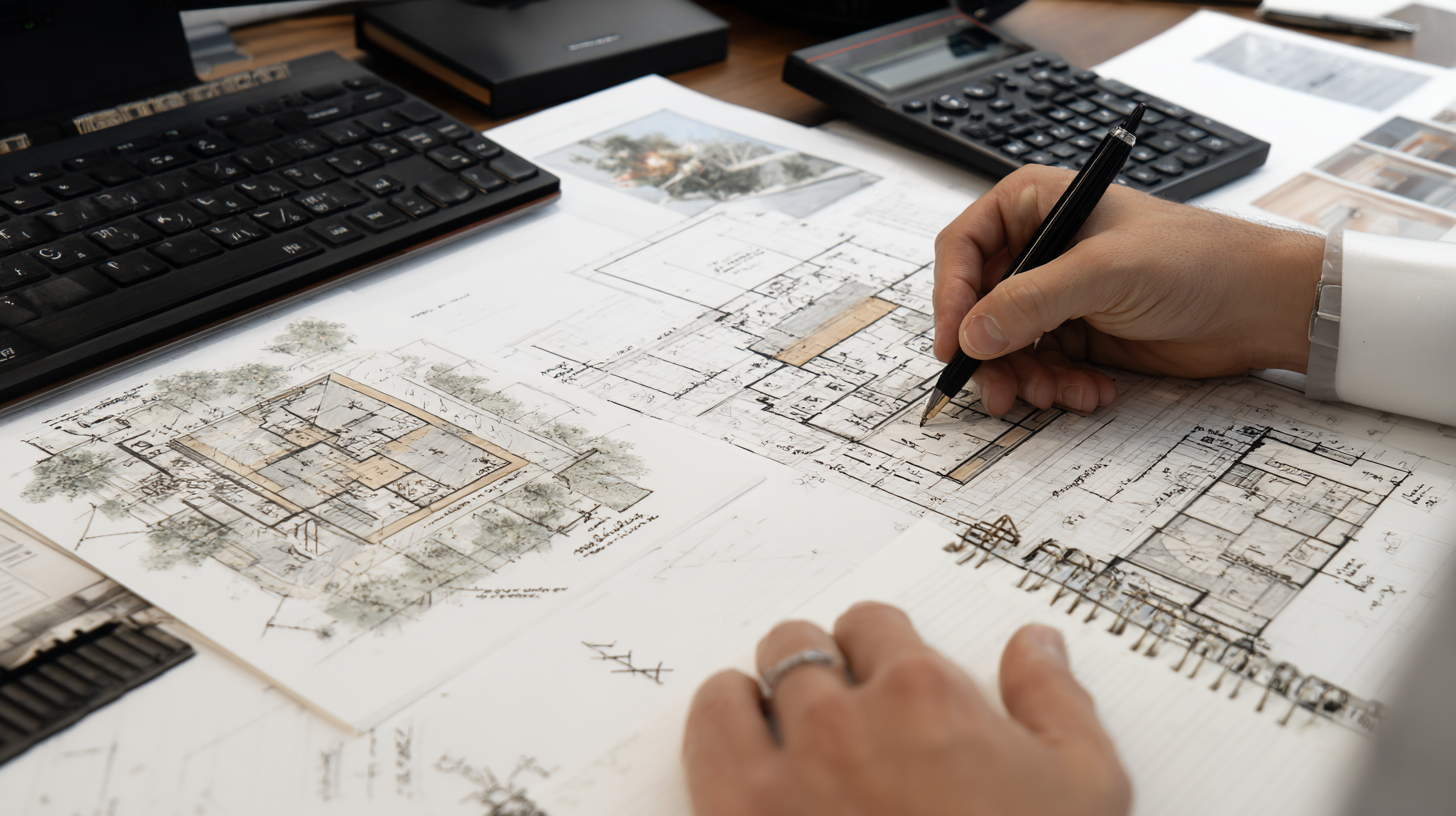
Think of it like this: a great renovation contractor isn’t just a builder; they’re your guide, translator, and project quarterback. They take your vague Pinterest board dreams and translate them into concrete plans, permits, and schedules. They manage the symphony of subcontractors—the electricians, plumbers, and tilers—so you don’t have to play the frustrating role of full-time coordinator. IMO, that’s worth its weight in gold drywall.
Why Your Choice of Contractor is Everything (And It’s Not Just About Cost)
Let’s be brutally honest for a second. The market is flooded with options. A quick search for “bathroom remodeler” or “house remodeling contractor” yields a dizzying list. How do you choose? It’s tempting to just go with the lowest bid. But here’s a little insider secret from our years in the game: the cost is often a reflection of the process.
- The Low-Bid Trap: That surprisingly affordable quote might mean cutting corners on materials, using less experienced labor, or having zero contingency for the inevitable “oh, wow” moment behind your walls. You might save money upfront, but pay dearly in headaches and repairs down the line.
- The Value Champion: A reputable construction company, like ours at Trusst Construction, provides a detailed, upfront proposal. It outlines the scope, the timeline, the quality of materials, and yes, the investment. This isn’t just a price; it’s a plan. It means when we discover that your plumbing is from the disco era (it happens more than you’d think), we have a clear process for handling it without it becoming a marital stress test.
It’s Not Just Houses: The Commercial Side of the Coin
Now, maybe your needs aren’t residential. Perhaps you’re a business owner looking at a drab office space, thinking it’s time for a refresh to boost morale and impress clients. The principles are shockingly similar! A commercial contractor handles office refurbishment with the same need for meticulous planning and minimal disruption, just on a different clock. You can’t have hammering during the quarterly meeting, right?
Whether it’s a sleek new lobby or a functional warehouse update, the goal is to enhance your business’s functionality and brand. We treat commercial projects with the same strategic care as our residential home additions, because at the end of the day, we’re building spaces where people live, work, and thrive.
Your Blueprint for a Stress-Free Project
Alright, let’s get practical. You’re convinced you need a pro, but what should you actually expect? Here’s a breakdown of a typical, well-managed project flow. Think of it as your roadmap to sanity.
The Phases of a Professional Remodel:
- Discovery & Dreaming: This is the fun part. We talk about your vision, your lifestyle, and your budget. We measure, poke around, and start turning “I want it light and airy” into actionable plans.
- Design & Details: Here, dreams get real. Final selections are made—tile, fixtures, finishes. All the details are locked in before demolition starts. This is the single biggest step to avoiding change orders and budget creep.
- Pre-Construction: We pull permits, finalize schedules, and order all materials. Nothing kills momentum faster than waiting for a back-ordered sink.
- Construction: Let the controlled chaos begin! A good general contractor will keep you updated daily, protect your living space, and maintain a clean worksite. Surprises are managed, timelines are tracked.
- Final Walkthrough & Joy: We do a detailed inspection with you, ensure every detail is perfect, and hand over the keys to your new space. This is the best part for us, every single time.
Navigating the Investment: A Practical Look
We have to talk numbers. It’s the elephant in the room. Instead of vague promises, let’s look at some common home remodeling services and the factors that influence their cost. FYI, these are ballpark ranges for our Miami market; your specific project will vary based on size, finishes, and scope.
| Project Type | Typical Scope | Key Cost Influencers | Why It’s Worth It |
|---|---|---|---|
| Bathroom Remodel | Full gut & update of a standard bathroom. | Quality of tile, plumbing fixtures, custom cabinetry vs. stock, complexity of plumbing moves. | Daily use space. A well-done remodel increases home value and daily enjoyment significantly. |
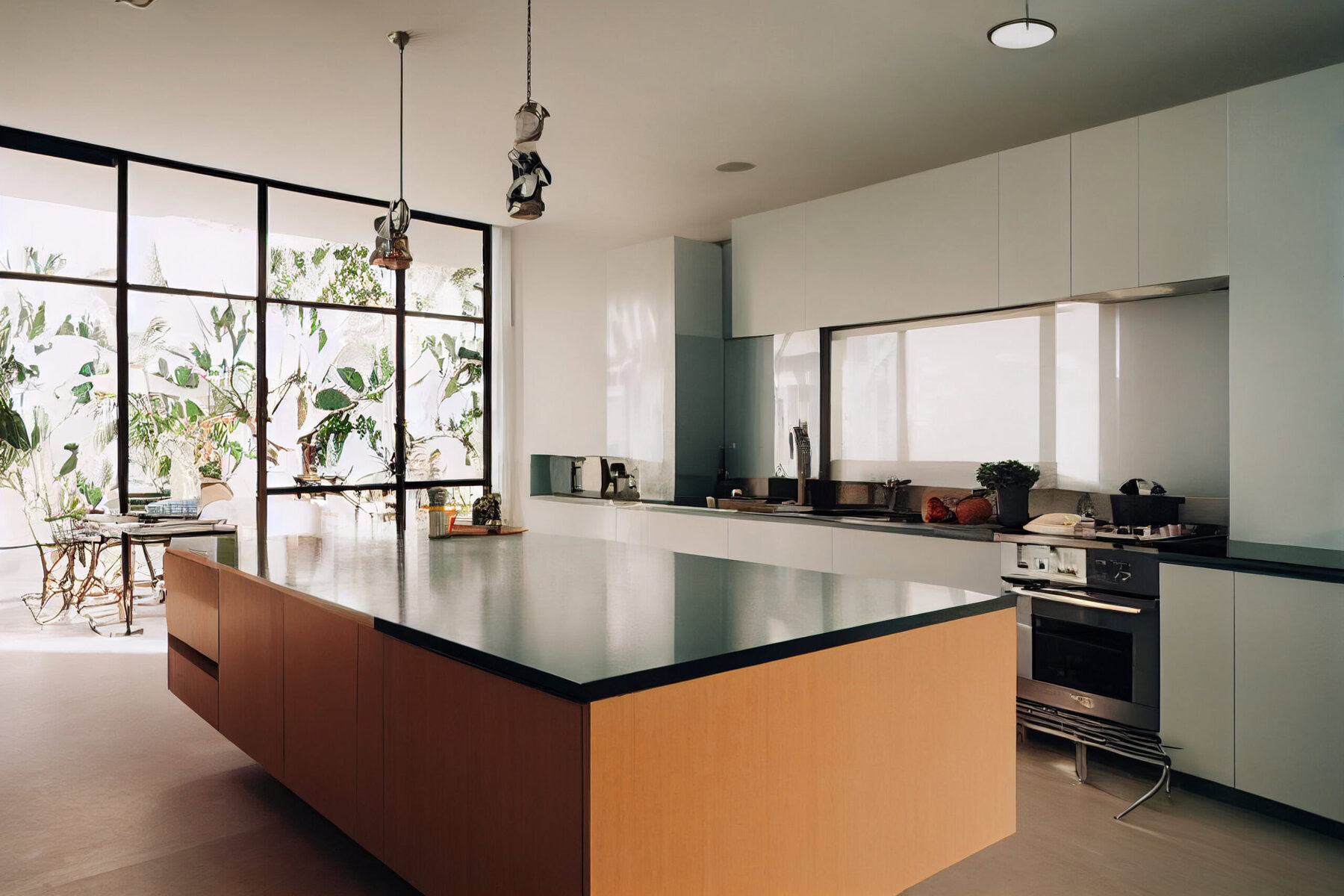
| Kitchen Update | Cabinet refacing, new counters, appliances, flooring. | Countertop material (quartz vs. granite), appliance tier, extent of electrical updates. | The heart of the home. Improves functionality and is a major selling point. |
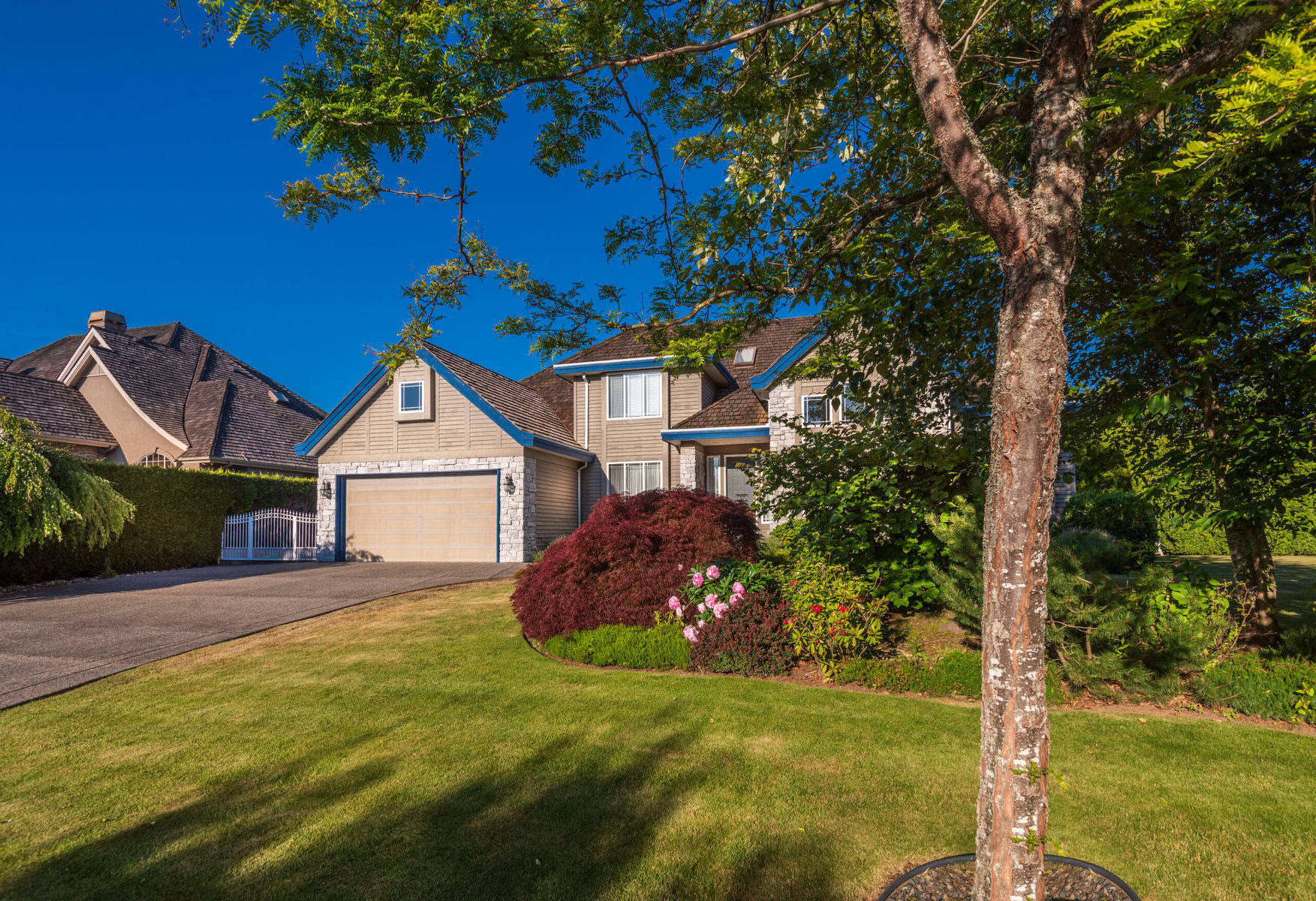
| Residential Home Addition | Adding a new bedroom, sunroom, or second story. | Foundation work, roofing, tying into existing structure, permitting complexity. | Adds tangible square footage and functionality without the hassle of moving. |
| Office Refurbishment | Updating finishes, lighting, layout for a commercial space. | Speed of completion (after-hours work), specialized tech/AV needs, commercial-grade materials. | Directly impacts employee productivity and client perception. Boosts your business brand. |
Let’s Tackle Your Biggest Questions Head-On
We hear the same smart questions from clients all the time. Let’s clear a few up right now.
1. How long will my project really take?
Honestly? It depends on the scope. A straightforward bathroom remodeler project might take 4-6 weeks. A full home remodel could be 4-6 months. The key is the timeline in your contract. A great contractor builds in buffer for inspections and minor surprises but sticks to the communicated schedule like glue. We provide weekly updates so you’re never in the dark.
2. How do I prepare for the disruption?
It’s going to be a bit messy, but a good team contains it. For a kitchen reno, set up a temporary kitchenette. For a bathroom, know your shower schedule at the gym 🙂 Mentally, just embrace the process. The temporary inconvenience is what leads to the stunning, lasting result.
3. Should I hire individual trades or a general contractor?
Unless you have years of project management experience and a rolodex of trusted subs, hire the general contractor. We manage the dozens of moving parts, warranties, and timelines. You get one point of contact and one company accountable for the entire project. It’s the difference between conducting an orchestra and trying to play all the instruments yourself.
4. What makes a company the “best remodeling company” for me?
Look for clear communication, detailed proposals, a robust portfolio, and stellar references. They should listen more than they talk. You should feel like a partner, not a paycheck. At Trusst Construction, we believe that trust is built through transparency every single day, which is, you know, right there in our name 🙂
Wrapping This Renovation Chat Up
So, there you have it. A successful remodel isn’t about magic; it’s about method. It’s about choosing a partner who sees the potential in your space and has the proven process to unlock it. It’s about investing in a price that reflects value, not just the lowest number on a page.
If you’re in the Miami area and feeling that itch to transform your home or business, we’d love to chat. We’re passionate about building relationships as strong as the spaces we create. Let’s turn that “what if” into “wow.” Give Trusst Construction a call, and let’s start planning your project the right way, from the very first conversation. Your dream space is closer than you think.