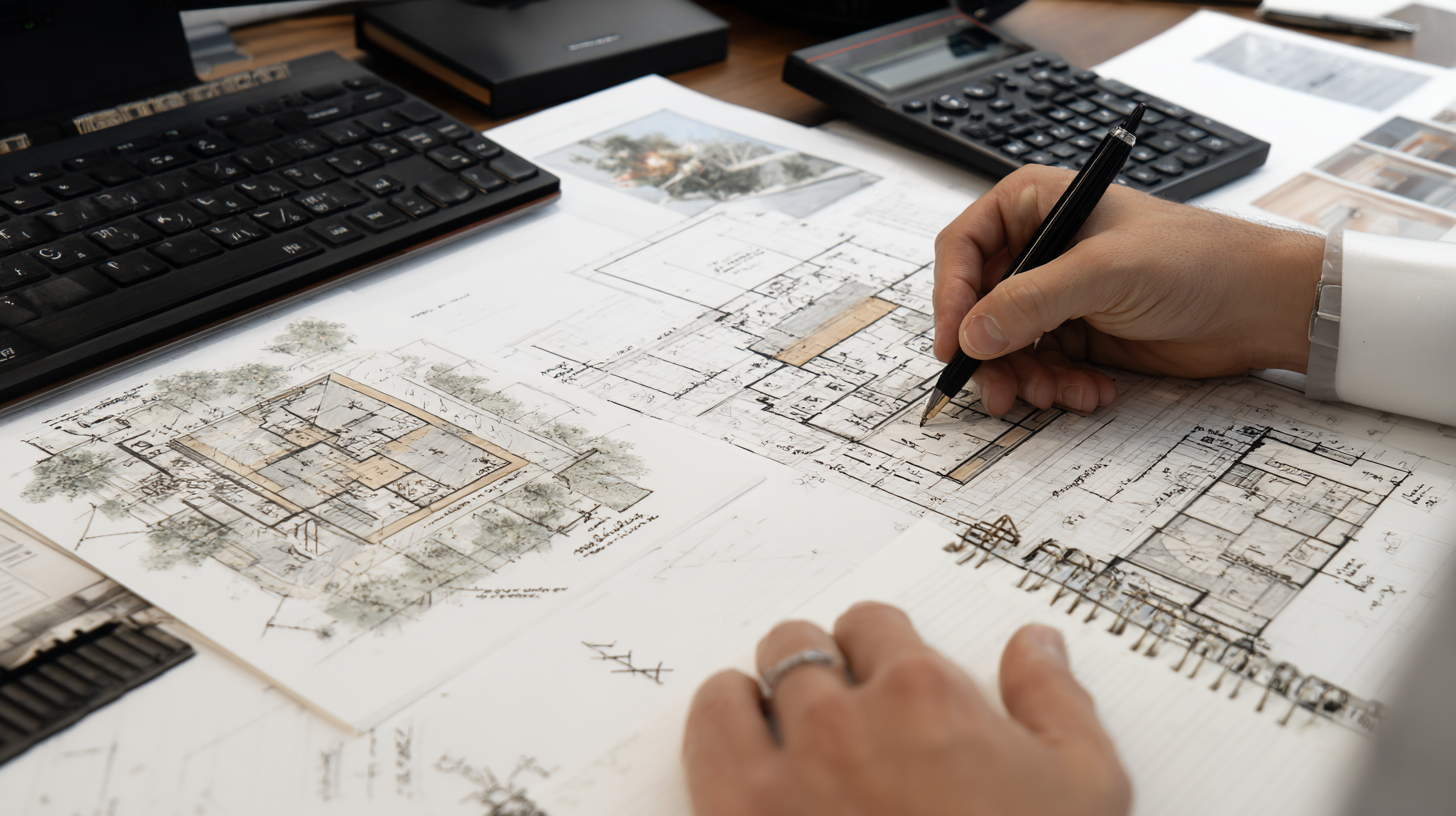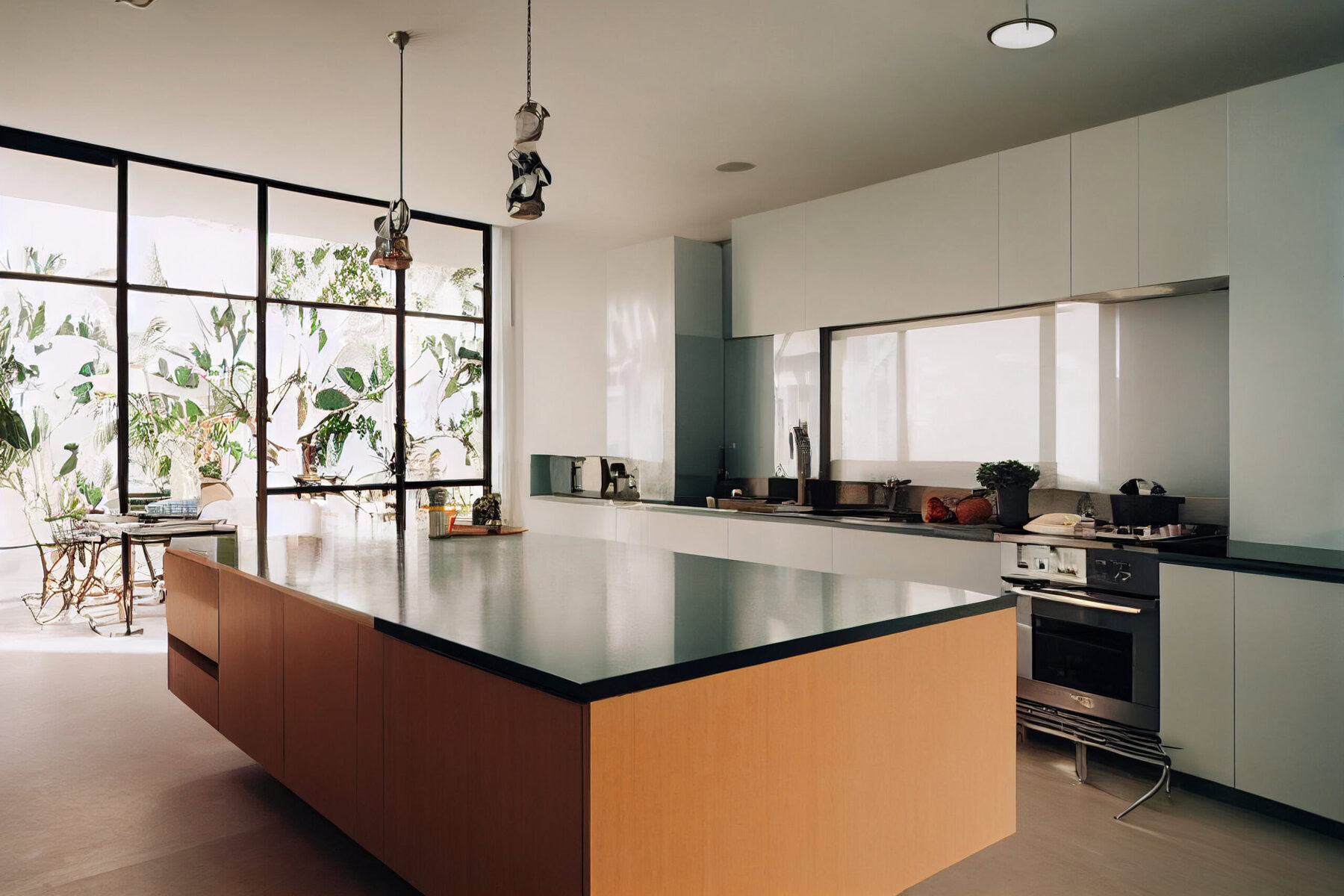
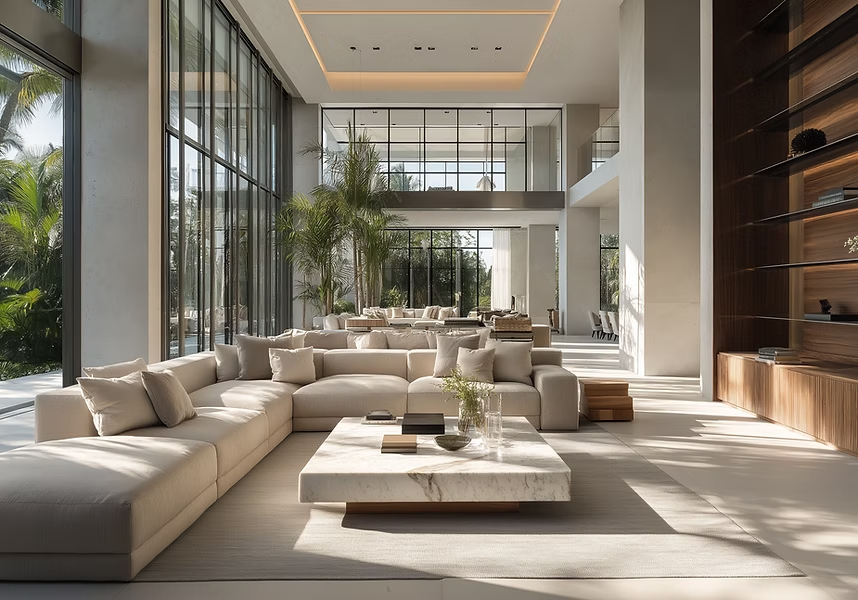
To elevate your restaurant’s design in the Miami market right now, you must fuse resilience with an immersive local identity, smart technology, and an unbroken flow that turns first-time visitors into regulars. At Trusst Construction, we deliver that fusion by placing licensed architecture, interior design, and construction under one unified team — so your space meets coastal codes, captures Miami’s vibrant culture, and opens on time and on budget. In our experience, the restaurants that thrive in this market are the ones designed from day one to handle hurricane-force winds, relentless humidity, and an outdoor‑living culture, all while telling a story that locals and tourists cannot resist.
Table of Contents
The Miami Advantage: Why Design Is Your Biggest Revenue Driver
Miami diners make split‑second decisions about where to eat based on ambiance, comfort, and Instagram‑worthy moments. A 2025 dining sentiment survey by the Greater Miami Convention & Visitors Bureau found that 68 percent of patrons would choose a restaurant specifically for its design and atmosphere, even if the cuisine is similar to competitors. We have seen this play out repeatedly: spaces that layer texture, light, and a strong sense of place generate higher check averages and return visitation. A well‑designed layout also improves server efficiency and table turnover — metrics that directly boost profit. When we plan a Miami restaurant, we think of every square foot as a revenue‑generating asset, not just a design statement.
Resilience Meets Style: Building for Hurricane Season and Beyond
Miami’s beauty comes with an unyielding climate reality. Our deep local knowledge means we never treat resilience as an afterthought. We engineer dining rooms and kitchens to resist 180‑mile‑per‑hour wind loads, specify impact‑resistant glass that also filters UV rays, and design drainage systems that prevent flooding during a named storm. Yet none of this has to look industrial. We routinely conceal storm shutters in ceiling pockets, use weather‑rated sliding doors that disappear into walls, and select marine‑grade finishes that feel luxurious. Because our team handles architecture and construction together, we eliminate the friction that occurs when an architect designs something beautiful that a separate contractor later says cannot be built to code.
Seamless Indoor-Outdoor Flow Without Regulatory Nightmares
Outdoor dining is not a trend in Miami; it is the baseline expectation. The challenge is that Miami‑Dade County enforces strict rules on structures that extend into public rights‑of‑way, while the Florida Building Code dictates wind‑load and anchoring requirements for any covered patio. We navigate these hurdles by handling permitting in‑house. We design retractable roof systems and vertical gardens that comply with the county’s 2025 outdoor‑dining ordinance while adding genuine year‑round comfort. One insight we share with every client: position your outdoor zone on the east side of the building with a pergola that breaks the morning sun, and you will capture the lucrative breakfast and brunch crowd that South Florida competitors often overlook.
2026 Smart Technology: Designing for Automation, Sustainability, and Speed
By 2026, a Miami restaurant without integrated technology feels outdated before it opens. We incorporate AI‑driven kitchen display systems that route orders to the correct station based on real‑time pace, reducing ticket times by up to 22 percent according to a 2025 National Restaurant Association technology study. We pre‑wire for contactless payment towers, dynamic LED lighting scenes that shift from bright lunch to intimate dinner, and sound‑masking systems that allow conversation even at peak capacity. Sustainability has also evolved: we now specify variable‑refrigerant‑flow HVAC systems, solar‑ready roofing, and water‑reclamation systems that cut utility bills by an average of 18 percent annually while qualifying for Miami‑Dade’s Green Building Incentive.
How Trusst Construction Eliminates Cost Overruns and Delays
Uncontrolled budgets are the number one reason restaurant projects stall. We operate on transparent, upfront pricing and provide clearly itemized estimates before a single wall is touched. Every change order is documented in writing and requires your approval — no surprises. Because we assign one dedicated point of contact who manages all trades, schedules, and progress, you are never chasing multiple subcontractors. The result is seamless, on‑time delivery. Below is how our integrated model compares with the traditional fragmented approach.
| Project Phase | Traditional Multi‑Contractor Process | Trusst Single‑Team Model |
|---|---|---|
| Concept & Design | Owner hires separate architect and designer; revisions go back and forth for weeks | Architecture and interior design happen concurrently under one roof; we translate your goals into buildable plans in half the time |
| Permitting | Owner or architect submits; corrections bounce between agencies and consultants; 8–14 weeks typical | Our in‑house permit expediter pre‑checks for Miami‑Dade and coastal compliance; we average 5–7 weeks from submittal to approval |
| Construction | General contractor bids often omit millwork, lighting, or AV, triggering change orders that inflate cost by 15–25 percent | Fixed‑scope itemized estimate with written change approvals; actual costs routinely fall within 3 percent of the initial budget |
| Closeout & Handover | Punch list drags as trades point fingers; final health inspections delayed | One point of contact resolves every item; we conduct a joint walk‑through with the health inspector to secure your certificate of occupancy faster |
The Permitting Puzzle in Miami‑Dade: A Timeline You Can Trust
We have seen out‑of‑town operators underestimate permitting by months. Miami‑Dade requires separate approvals for building, fire, health, and sometimes the DERM for coastal setbacks. A restaurant in a historic district like Coral Gables may also need a certificate of appropriateness. We demystify this by giving you a realistic schedule upfront.
-
Plan review by Building Department: 3 to 4 weeks after submission.
-
Health plan review: 2 to 3 weeks, concurrent if filed correctly.
-
Fire marshal sign‑off: 1 to 2 weeks for hood suppression and occupancy load.
-
DERM review for outdoor seating near waterfront: add 3 weeks.
-
Revision cycles: our pre‑checked plans reduce resubmissions by 70 percent.
Real-World Insight: Materials That Stand Up to Salt, Sun, and Spills
Miami’s salt air corrodes standard steel fixtures within two years. We specify 316‑grade stainless steel in kitchens and on outdoor furniture, porcelain slabs that resist fading and etching from citrus‑based cocktails, and epoxy grout that prevents mildew in high‑humidity restrooms. We also steer clients toward commercial‑grade luxury vinyl plank flooring that mimics hardwood but withstands mopping and saltwater tracked in from the beach. These choices may add 8 to 12 percent to your material budget upfront, but they eliminate the replacement cycles that plague restaurants built with mainland‑spec materials.
Creating an Authentic Miami Vibe That Attracts Locals and Tourists
Every detail should feel unmistakably Miami without becoming a cliché. We layer elements like Cuban‑tile feature walls, custom metalwork inspired by Art Deco geometry, and living plant installations that reference the Everglades. Lighting temperature matters: we use a warm 2700K to 3000K range indoors that flatters skin tones for a sophisticated night scene. In a recent Wynwood project, we integrated a rotating mural wall that local artists refresh quarterly, turning the restaurant into a cultural destination while generating free social media coverage that reached 1.2 million impressions in the first month. This kind of community integration yields a 30 percent higher repeat visit rate, based on our internal post‑occupancy tracking.
Why is Miami restaurant design different from other cities?
Miami demands hurricane‑code compliance, salt‑air corrosion resistance, and year‑round outdoor usability. The fusion of Latin American, Caribbean, and Art Deco influences creates a visual language that guests expect. A design that works in Chicago or Atlanta often fails here because it does not account for extreme humidity, sudden storms, and a dining culture that moves seamlessly between indoors and outdoors.
What is the biggest mistake owners make when designing a Miami restaurant?
Underestimating the permitting timeline and choosing materials that cannot handle the coastal environment. We frequently step in after a project has been stalled for months because plans did not meet Miami‑Dade wind‑load requirements or the health department rejected a kitchen layout. Starting with a local, integrated team avoids these expensive delays.
How much does a full restaurant build‑out cost in Miami in 2026?
For a mid‑level, ground‑up interior of 2,000 square feet with a full kitchen, you should budget between 350 and 550 dollars per square foot, all‑in with design, permits, and finishes. High‑end finishes and complex outdoor structures can push that to 700 dollars per square foot. We provide a fixed‑scope, itemized estimate before you commit so you know exactly where every dollar goes.
Can you design a restaurant that feels open but still withstands a hurricane?
Absolutely. We use floor‑to‑ceiling impact‑resistant glass systems rated for Miami‑Dade’s High Velocity Hurricane Zone, concealed roll‑down shutters, and engineered overhead bracing. From the guest’s perspective, the space feels wide open. The protection is invisible until needed.
How long does it take to design and build a restaurant in Miami?
With our single‑team model, a typical 2,000‑square‑foot restaurant moves from initial consultation to grand opening in 6 to 8 months. The design and permitting phase takes about 2 to 3 months, and construction 4 to 5 months, depending on scope. Projects that go through separate firms often take 10 to 14 months.
Do you handle historic district requirements?
Yes. We have delivered projects in Miami Beach’s Art Deco district, Coral Gables, and Coconut Grove. Our team understands the certificate‑of‑appropriateness process and has working relationships with the preservation boards. We design spaces that honor historic guidelines while delivering a completely modern guest experience.
What is the best way to start?
Call Trusst Construction at (305) 786-3199 for a no‑obligation consultation. We will walk your potential site, discuss your concept and budget, and outline a realistic timeline. You will leave that conversation with a clear picture of what it takes to elevate your restaurant’s design in Miami — and a partner who can make it happen without the usual chaos.
Sources
-
Miami‑Dade County Building Code — High Velocity Hurricane Zone provisions
-
Greater Miami Convention & Visitors Bureau, 2025 Dining Sentiment Survey
-
Florida Building Code, 8th Edition (2023) with 2025 supplements
-
National Restaurant Association, 2025 Technology & Sustainability Benchmark Report
-
Miami‑Dade County Outdoor Dining Structure Guidelines, revised 2025
-
FEMA Flood Map Service Center — Miami‑Dade County coastal zones
People Also Ask
The 30 30 30 rule is a common industry guideline for restaurant construction and renovation, particularly in Miami, Miami Beach, and Hialeah FL. It refers to the typical budget allocation: 30 percent for kitchen equipment and installation, 30 percent for front-of-house furnishings and decor, and 30 percent for building infrastructure, including plumbing, electrical, and HVAC. The remaining 10 percent is reserved for permits, fees, and contingencies. This framework helps restaurant owners plan financially and avoid costly overruns. While not a strict code, it serves as a practical benchmark. At Trusst Construction, we often adapt this rule to fit specific project scopes, ensuring each space meets operational needs and local regulations.
To elevate your restaurant, focus on creating a memorable dining experience through design, ambiance, and functionality. Start by optimizing your layout to improve traffic flow and guest comfort, ensuring that service areas are efficient. Use lighting strategically to set the mood, such as dimmers for evening dining or bright, natural tones for daytime. Incorporate high-quality materials like stone or wood for durability and aesthetic appeal. Acoustic treatments can reduce noise, making conversations more pleasant. For a transformative approach, consider how to define spaces without sacrificing openness. At Trusst Construction, we often guide clients on this with our internal article titled Open Floor Plan Separation Without Walls: How We Create Defined Zones, Privacy, and Light, which explores how to create distinct zones for dining, bar, or private events while preserving light and flow. Finally, invest in unique decor elements that reflect your brand identity, from artwork to custom furniture, to leave a lasting impression on guests.
In the restaurant industry, the three C's typically refer to Cleanliness, Consistency, and Customer Service. Cleanliness ensures a safe and appealing environment, covering everything from kitchen hygiene to dining area upkeep. Consistency means delivering the same high-quality food and experience every visit, which builds trust and reliability. Customer Service focuses on attentive, respectful, and efficient interaction with guests, creating a positive atmosphere. For a construction firm like Trusst Construction, understanding these principles is vital when designing or renovating restaurant spaces in Miami, Miami Beach, and Hialeah FL, as layout and materials must support easy cleaning, consistent workflow, and optimal service flow.
The most profitable style of restaurant is typically a fast-casual or limited-service concept. These establishments have lower overhead costs than full-service restaurants, requiring less staff and smaller kitchen footprints. High-margin items like beverages and simple, customizable meals drive strong profit margins. A focus on efficiency and high customer turnover is key. For a location in Miami, Miami Beach, or Hialeah, a counter-service model with a streamlined menu can be very successful. Trusst Construction can help you design a space that maximizes workflow and customer flow for this profitable style.