Ever stared at a cracked tile in your bathroom and felt a wave of renovation dread wash over you? Or maybe you’ve dreamed of a kitchen that doesn’t look like it’s stuck in a 1990s time capsule. We get it. The world of home remodeling services can feel like a maze of decisions, cost anxieties, and contractor horror stories. But what if we told you it doesn’t have to be a nightmare? What if the process could actually be… enjoyable? Okay, maybe “enjoyable” is pushing it, but it can absolutely be smooth, transparent, and even exciting. Let’s talk about how to make that happen, especially here in our sunny, sometimes chaotic, always vibrant Miami.
Table of Contents
Demystifying the “R” Words: Remodel vs. Renovation
First things first, let’s clear up some jargon. People throw around “remodeling” and “renovation” like they’re the same thing. In our world as a construction company, they’re cousins, not twins.
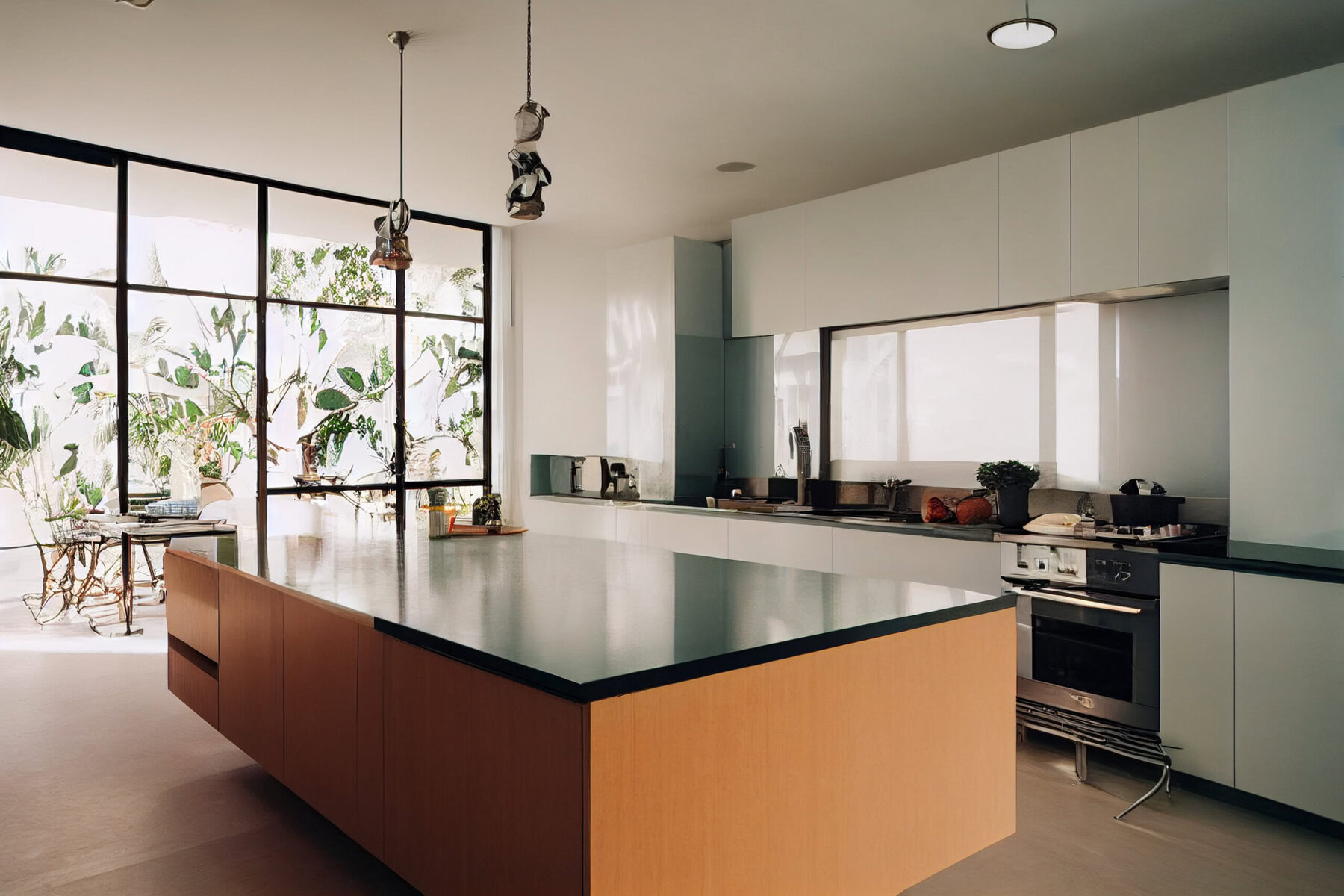
- Renovation is about restoration. It’s giving your existing space a major facelift without changing its core function. Think new cabinets, counters, and appliances in the same kitchen footprint. It’s like a superstar makeover.
- Remodeling is about transformation. This is where walls come down, layouts change, and a bathroom becomes a spa-like retreat. A full home remodel reimagines the very purpose and flow of your space.
Why does this distinction matter? It’s the single biggest factor that influences your project’s price, timeline, and complexity. Knowing which one you’re actually aiming for is step one to getting an accurate quote and setting realistic expectations. IMO, this is where a great conversation with a general contractor starts.
The Budget Talk: Let’s Get Real About Cost
Alright, let’s address the elephant in the room. We know your first question is, “How much is this going to cost?” It’s the question that keeps most dream projects stuck in the “someday” folder. We’re not here to give you vague platitudes. We’re here to talk strategy.
Forget looking for a flat-rate price online. It doesn’t exist. Every home, every vision, every hidden pipe behind a wall is different. Instead, let’s talk about the pillars of your budget:
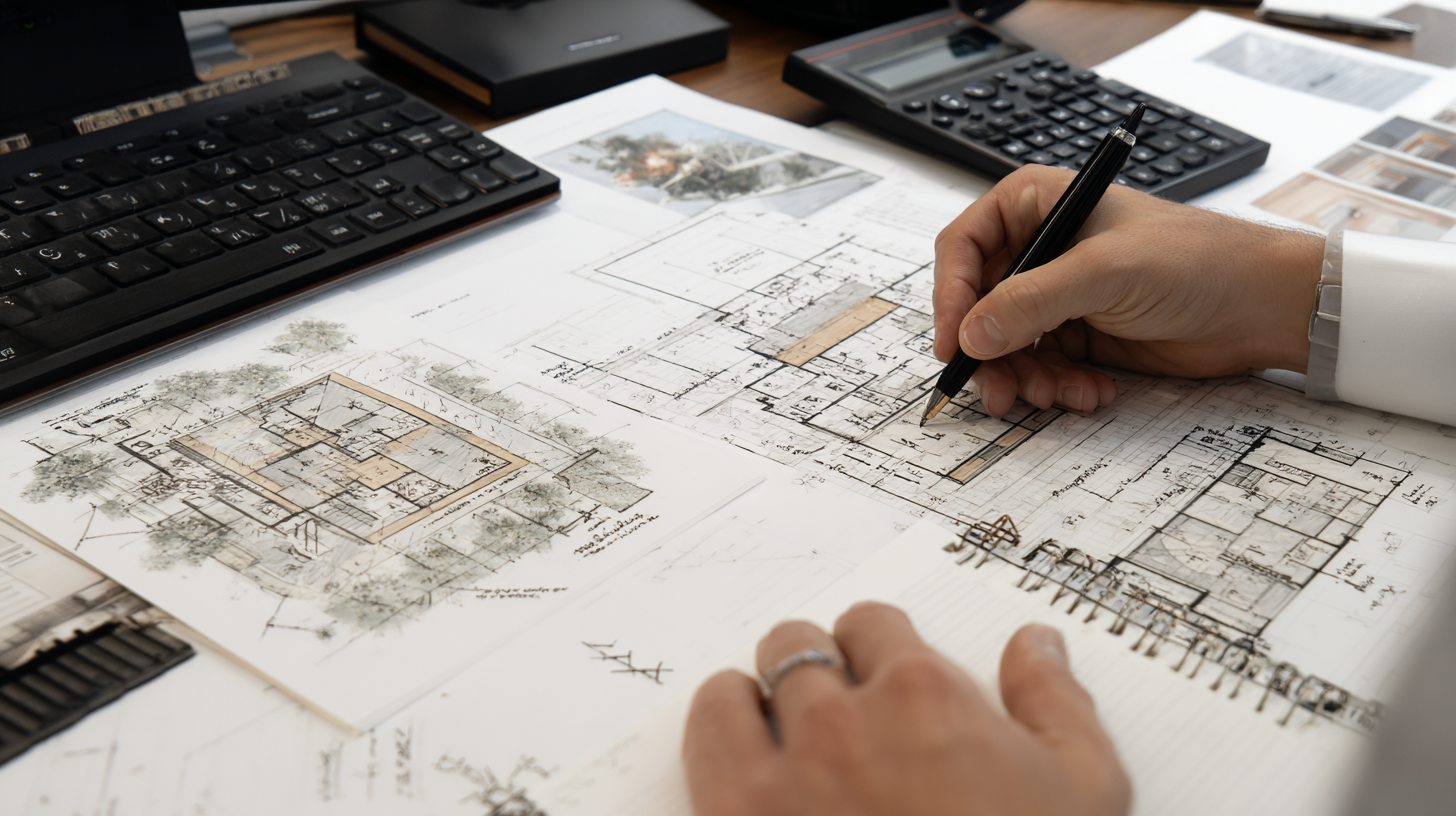
- Scope of Work: This is the blueprint of your desires. A bathroom remodeler will have a very different scope than someone planning residential home additions.
- Material Selection: This is where your choices truly shine—and where budgets can flex. You can have affordable, durable materials or high-end, statement pieces. A good renovation contractor will show you the full spectrum.
- Labor & Expertise: Skilled craftsmen are worth their weight in gold. This isn’t the place to cut corners. You’re paying for experience, precision, and the peace of mind that comes with it.
- The Unseen Stuff: Permit fees, potential structural updates, and those “oh wow, we found mold” moments. A trustworthy house remodeling contractor builds a contingency into your budget for these surprises so you’re not blindsided.
The goal isn’t just to be the most affordable option; it’s to be the most transparent. At Trusst Construction in Miami, we believe in detailed, upfront proposals so you know exactly where every dollar is going before a single hammer swings. No nasty surprises, we promise 🙂
Choosing Your Partner: It’s More Than a Google Search
Finding the right team is arguably more important than picking your paint color. You’re inviting people into your personal space for weeks or months. You need to trust them. So, how do you find the best remodeling company for you?
- Dive Deep on Portfolios: Don’t just glance. Look for projects similar to yours. If you need a commercial contractor for an office refurbishment, their portfolio of pretty kitchens isn’t relevant.
- Communication is King: From the first call, are they listening or just selling? Do they answer your questions clearly? You want a partner, not a dictator.
- The License & Insurance Non-Negotiable: This is the boring but critical part. Any legitimate general contractor in Florida will have proper licensing and insurance. Ask for it. Verify it. Your financial safety depends on it.
- Get Specific with References: Ask for past client contacts and actually call them. Ask about cleanliness, communication, and how unexpected issues were handled.
We’ve heard every story in the book at Trusst Construction. That’s why we’ve built our entire process around clear communication. We’re not just building projects; we’re building relationships, because a stressed-out client is a sign we’ve failed at our job.
The Miami Factor: It’s Not Just About the Weather
Remodeling in Miami comes with its own unique flavor. It’s not just about choosing coastal colors.
- Permitting Puzzles: Miami-Dade and Broward counties have specific, and sometimes famously slow, permitting processes. A seasoned local construction company knows how to navigate this maze efficiently.
- Climate Considerations: Our humidity and salt air demand specific building materials and techniques. What works in a dry climate will fail here. Proper ventilation, moisture barriers, and material choices are non-negotiable.
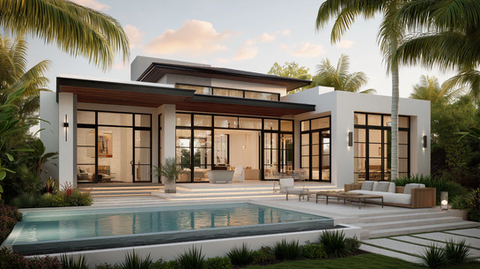
- The Lifestyle Flow: We live outdoors. Does your remodel enhance that indoor-outdoor connection? Think about large format tiles that flow to the patio, or impact-resistant windows that open up to the breeze.
A Quick Guide to Miami-Specific Remodel Considerations
| Consideration | Why It Matters in Miami | What to Ask Your Contractor |
|---|---|---|
| Permitting | Strict codes for hurricanes & flooding. Delays are common. | “What is your experience with permits in my specific municipality? Can you provide a timeline?” |
| Materials | Humidity warps wood, salt corrodes metal. | “What materials do you recommend for durability in our climate? (e.g., tile over hardwood, stainless fasteners)” |
| Ventilation | Prevents mold & mildew growth, a huge issue here. | “How will you ensure proper airflow and moisture control in the new design?” |
| Hurricane Impact | Windows, doors, and roofs may need upgrading to code. | “Does my project require any impact-resistant upgrades? How will that affect the budget?” |
Your Questions, Answered (No Sales Pitch)
Let’s tackle some of the most common questions we hear every single week.
1. How long will my project actually take?
Honestly? Longer than the optimistic timeline you have in your head. A quality bathroom remodel might take 4-6 weeks. A full home remodel could be 4-6 months. The key is the schedule your contractor provides. It should have phases and buffer time for inspections and material delays. If a contractor guarantees an unrealistically short timeline, that’s a red flag.
2. Should I stay in my home during the remodel?
For a single-room project like a kitchen or bath, you can often tough it out with a temporary setup (hello, microwave meals!). For a whole-house overhaul, we strongly recommend finding alternative lodging. The dust, noise, and lack of a functional kitchen or bathroom will test the patience of a saint.
3. How do we handle decisions and changes?
This is crucial! Establish a single point of contact (usually you and one key decision-maker) with the project lead. Changes are inevitable—we call them “change orders.” A professional company will document every requested change, its cost impact, and get your signed approval before proceeding. This keeps everyone accountable and prevents “he said, she said” disputes.
4. What makes Trusst Construction different from other contractors?
We’re glad you asked. Beyond our licenses, insurance, and portfolio, we’re obsessed with process. We have structured weekly check-ins, use project management software you can access, and treat your home with the respect we’d treat our own. We’re a local Miami team who understands this city’s quirks, and we’re in this for the long haul. We want you to love your space so much that you call us back in five years for the next project, and recommend us to your friends.
Taking the Leap From Dream to Reality
So, where do you start? Start by defining your “why.” What problem are you solving? What dream are you fulfilling? Then, start gathering inspiration—Pinterest, Instagram, magazines. This visual guide helps us understand your style instantly.
Then, have that first conversation. Get a few estimates, but remember, the lowest bid is often the most expensive mistake you can make. You’re investing in your safety, your sanity, and your single biggest asset.
If you’re in the Miami area and ready to talk about turning your renovation anxiety into excitement, give us a shout at Trusst Construction. Let’s have a coffee, walk through your space, and build a plan that makes sense for your life and your budget. Because at the end of the day, a great remodel isn’t just about new drywall and fixtures. It’s about building a home that truly works for you. And honestly, isn’t that the whole point?
Related Articles
People Also Ask
The 30/30/30 rule is a financial benchmark often used by restaurant owners to manage prime costs. It suggests that your total Cost of Goods Sold (food and beverage) should be around 30% of your total sales, and your total Labor Cost (including payroll taxes and benefits) should also be approximately 30% of sales. This leaves a 40% margin to cover overhead, rent, utilities, and profit. While this is a solid industry baseline, it is not a strict law. High-end concepts may run higher labor, while fast-casual spots might have lower food costs. At Trusst Construction, we often advise new operators to design their kitchen and storage layouts to support these targets, ensuring efficient prep and minimal waste from day one.
The 70/20/10 rule is a foundational interior design principle for achieving a balanced, cohesive color palette. It dictates that 70% of a room’s color comes from dominant elements like walls, large rugs, and upholstery. The secondary 20% is used for mid-sized pieces such as armchairs, curtains, or cabinetry, creating visual contrast. The final 10% is reserved for accent details like throw pillows, art, and decor. This ratio prevents a space from feeling chaotic or overwhelming. For a professional application of this rule, Trusst Construction often recommends starting with a neutral base for the 70%, then introducing a bolder hue for the 20%, and finally using the 10% for a vibrant pop of color to add personality.
The colors that attract people to restaurants are carefully chosen to stimulate appetite and set a specific mood. Warm tones, such as reds, oranges, and yellows, are scientifically proven to increase heart rate and evoke feelings of excitement and hunger, making them ideal for fast-casual or social dining spots. Conversely, cool colors like deep blues and greens create a sense of calm and sophistication, which suits upscale establishments aiming for a relaxed, premium experience. Earthy neutrals, including beige and warm browns, provide a comforting, organic backdrop that appeals to a broad audience. At Trusst Construction, we advise that the optimal palette balances your brand identity with the psychological impact of these hues to enhance the overall guest experience.
For a dining area, the best color balances appetite appeal with the mood you wish to create. Warm, earthy tones like terracotta, soft ochre, or olive green are excellent choices, as they evoke a cozy, grounded atmosphere that encourages lingering over meals. If you prefer a more formal setting, deep charcoal or navy blue adds sophistication without overwhelming the space. Avoid stark whites or cool grays, which can feel sterile and uninviting. Instead, opt for warm neutrals like cream or beige as a versatile base, allowing you to change accent colors seasonally. At Trusst Construction, we often recommend testing paint samples against your existing furniture and lighting, as natural and artificial light drastically alters how the color appears throughout the day.
In Miami’s vibrant dining scene, color psychology is a powerful tool to shape guest behavior and mood. For 2022, designers moved beyond stark white to embrace warm, earthy terracottas and rich greens, which evoke a sense of grounded sophistication while complementing tropical foliage. Cool blues and aquas remain popular for oceanfront venues, promoting calmness and a breezy, upscale feel. High-energy spaces, like those in Miami Beach, often use bold accent walls in coral or deep magenta to stimulate appetite and social interaction. However, balance is key; overly saturated hues can overwhelm. For a cohesive look, pair a dominant neutral base with one or two strategic pops of color. At Trusst Construction, we advise clients to test paint samples under both natural daylight and artificial evening lighting, as Miami’s intense sun dramatically alters color perception, ensuring your palette works from lunch through late-night service.
Choosing the right wall colors for a restaurant is a strategic decision that directly influences guest appetite and mood. Warm tones like terracotta, burnt orange, and soft reds are excellent for stimulating hunger and encouraging lively conversation, making them ideal for fast-casual or social dining spaces. For an upscale or romantic atmosphere, deep jewel tones such as emerald green, navy blue, or charcoal create an intimate and sophisticated backdrop. Neutral palettes, including warm greige or creamy off-white, offer versatility, allowing your food and art to pop while making the space feel larger and cleaner. Avoid stark whites and cool blues, which can suppress appetite. At Trusst Construction, we recommend testing large paint swatches under your actual lighting conditions, as artificial light dramatically alters how color appears on your walls.
For a modern restaurant, the color palette should be a strategic tool that influences appetite and mood. We recommend moving beyond stark whites and greys toward warm, earthy neutrals like terracotta, sage green, and deep clay. These tones create a sophisticated, grounded atmosphere that feels both upscale and inviting. To add visual energy, consider a bold accent wall in a deep forest green or navy blue, which pairs beautifully with brass fixtures and natural wood. Alternatively, a monochromatic scheme using varying shades of a single color, such as warm beige, can create a clean, seamless look that highlights your food. At Trusst Construction, we advise testing your chosen colors under your actual lighting conditions, as LED and halogen bulbs dramatically alter how paint appears on the wall. This ensures the final ambiance matches your culinary vision perfectly.
Choosing the right colors for a restaurant interior is a strategic decision that directly influences appetite, mood, and dwell time. Warm tones like reds, oranges, and yellows are known to stimulate hunger and encourage faster table turnover, making them ideal for fast-casual dining. In contrast, cooler shades such as deep blues, greens, and purples create a calming, intimate atmosphere that invites guests to relax and stay longer, which suits fine dining establishments. Neutral palettes with natural wood or stone textures offer a versatile backdrop that highlights your food and branding. At Trusst Construction, we recommend balancing bold accent walls with softer, complementary tones to avoid visual fatigue. Always test paint samples under your specific lighting conditions, as LED and halogen bulbs dramatically alter how a color appears. The final palette should always reflect your brand identity and the specific experience you want to deliver.
The color palette of your restaurant is a powerful tool that directly influences customer behavior and perception. Warm tones like red and orange are known to stimulate appetite and encourage faster table turnover, making them ideal for fast-casual dining. In contrast, cool colors such as blue and green promote a sense of calm and relaxation, which can increase the time guests spend at their tables. Neutral earth tones often convey sophistication and are versatile across different cuisine types. When selecting your scheme, consider the psychology behind the shade and how it aligns with your brand identity. Trusst Construction recommends testing paint samples under your actual lighting conditions, as LED and halogen bulbs can dramatically alter how a color appears on your walls.
For a food business, the best color depends on the specific psychology you want to evoke. Red and yellow are classic choices because they stimulate appetite and grab attention, making them ideal for fast-casual spots. Green conveys freshness, health, and organic ingredients, perfect for salad bars or juice shops. Blue is rare in nature as food, so it suppresses appetite and is best avoided for the main dining area, though it works well for branding on packaging. Neutral tones like warm grays or wood textures create an upscale, rustic feel. At Trusst Construction, we recommend testing your palette against your lighting plan, as warm LED lighting can drastically alter how your chosen hue appears on walls and surfaces. Ultimately, align the color with your menu and target demographic to build a cohesive brand identity.