Floating vanities are not just a passing trend — they are the defining bathroom feature because they instantly create the illusion of more square footage, simplify cleaning, and give any bathroom a custom, high-end appearance. However, what most design articles fail to address is that a floating vanity’s success hinges entirely on structural support, moisture management, and local building codes. We at Trusst Construction have designed and installed floating vanities across South Florida, and we know that skipping the foundational details turns a stunning focal point into an expensive problem. In this guide, we share what we have learned from actual projects, how we close the structural gaps our competitors leave wide open, and why our single-team approach makes all the difference when you want a floating vanity that lasts decades, not just a season.
Table of Contents
Why Floating Vanities Dominate Bathroom Design
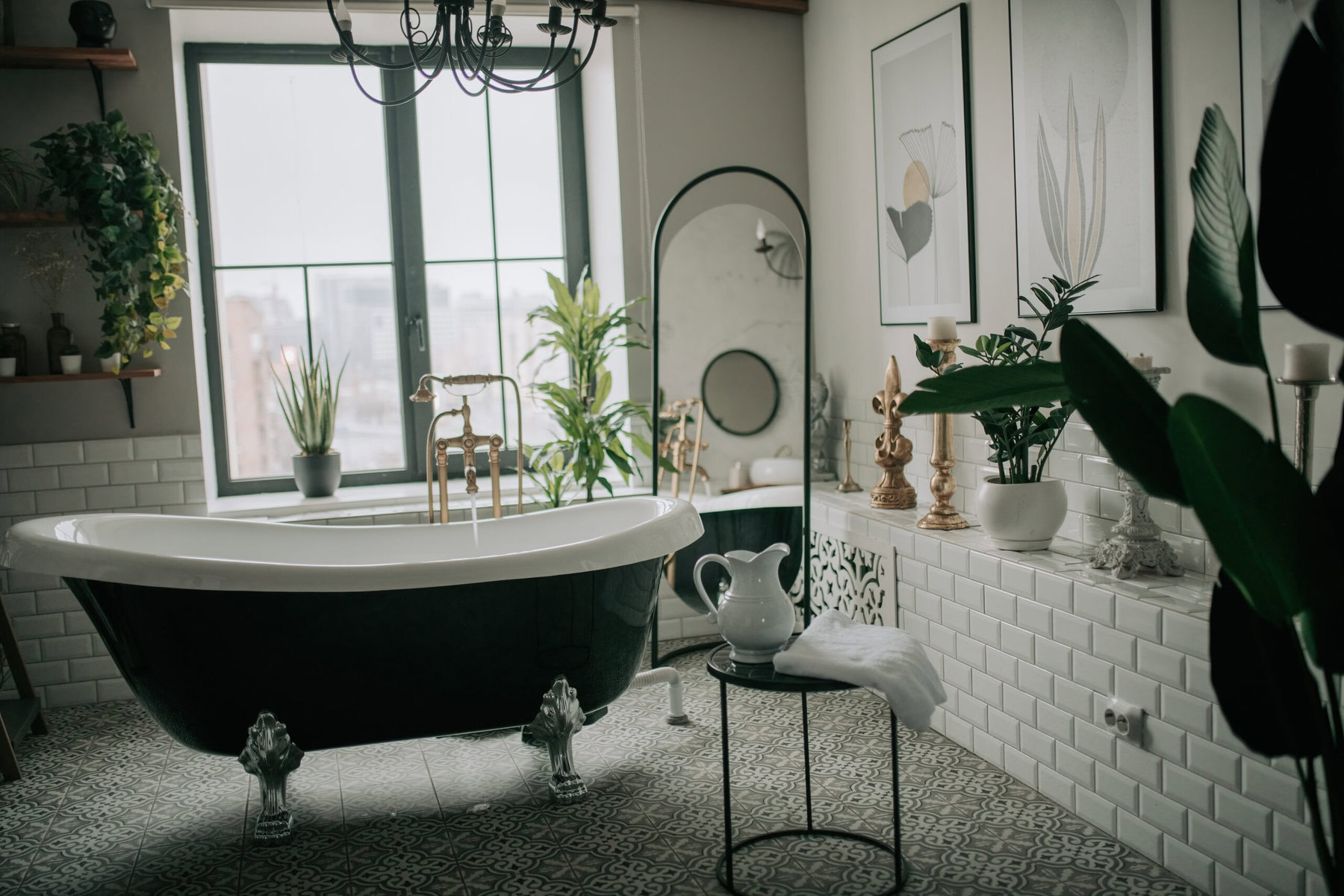
The shift toward open, airy interiors has made the wall-hung vanity a non-negotiable feature in modern bathroom renovations. By removing the toe-kick and bulk of standard cabinetry, a floating vanity reveals more floor area, which makes even a compact powder room feel significantly larger. We have seen this psychological effect turn a 5-foot by 8-foot bathroom into what clients describe as a mini spa. According to the National Kitchen and Bath Association (NKBA) Bath Trends research, floating vanities remain a top preferred storage solution for primary bathrooms as homeowners prioritize modern, open aesthetics and spa-like luxury.
Beyond the visual lift, there are practical advantages we emphasize with every client:
- Cleaning becomes effortless because you can run a mop or robot mop underneath without obstruction.
- The clear floor line improves air circulation, a critical factor in South Florida’s humid climate where trapped moisture feeds mold.
- Floating vanities let us install ambient LED strip lighting underneath, which doubles as a nightlight and eliminates harsh overhead glare.
- Custom heights solve chronic back strain because we set the countertop at exactly the right ergonomic level for the primary user, rather than forcing stooping at a fixed standard height.
What the Top-Ranking Competitors Overlook: The South Florida Reality
When comparing typical design articles with real-world field conditions in Miami-Dade or Broward County, one glaring gap stands out: regional building science is rarely addressed. A floating vanity that performs perfectly in a dry climate can fail catastrophically in coastal Florida without proper engineering. We fill that gap with hands-on installation experience.
South Florida presents three major challenges most national publications ignore:
- Hurricane Tie-Down & Load Requirements: Floating vanities must resist lateral dynamic loads and weight stresses. We anchor them to horizontal blocking that is fastened directly to wall studs using structural screws rated for high-wind environments. This aligns with regional structural integrity standards governed by the Florida Building Code High-Velocity Hurricane Zone (HVHZ) guidelines.
- Constant High Humidity: We specify marine-grade plywood or solid surface materials for vanity carcasses rather than standard medium-density fiberboard (MDF). Standard MDF can swell in humid coastal environments when air conditioning systems cycle off. We have replaced competitor-installed vanities that warped within 18 months due to inferior core materials.
- Plumbing Wall Compatibility: Many South Florida homes utilize interior concrete block walls. Recessing or chasing drain lines into masonry blocks requires specialized tooling and engineering compared to standard wood framing. We coordinate plumbing rough-ins before wall finishes are applied to prevent costly rework.
Our Floating Vanity Cost Breakdown: What You Will Actually Spend
Pricing transparency is one of our core values. The table below reflects average installed costs across residential projects, including structural blocking, plumbing modifications, vanity cabinetry, and finish work. All pricing figures are listed in US dollars.
| Vanity Type | Size Range | Material & Finish | Average Installed Cost (US dollars) | Notes |
|---|---|---|---|---|
| Prefabricated single-sink, standard height | 24–36 inches | Thermofoil or laminate | 1,800 to 3,200 US dollars | Fastest installation option; limited height adjustment. |
| Prefabricated double-sink | 48–72 inches | Solid wood veneer, soft-close drawers | 3,800 to 6,500 US dollars | Requires heavy-duty structural blocking across multiple studs. |
| Semi-custom (custom box, sourced top) | 30–60 inches | Marine plywood box, quartz or solid surface top | 4,500 to 9,000 US dollars | Allows precise height, depth, and drawer configurations. |
| Fully custom built-in-place by Trusst | Any custom dimension | Teak, white oak, concrete top, integrated sinks | 8,500 to 18,000+ US dollars | Full design flexibility with all trades managed in-house. |
These total cost ranges include modifying water supply lines and drain waste arms to exit the wall at the required elevated positions. Online estimators often omit plumbing relocation fees, which can add 400 to 800 US dollars to a standard remodeling budget. We include these items in our itemized estimates up front.
Design Secrets We Use to Make a Floating Vanity the Star of Your Bathroom
A floating vanity can look incomplete if it simply hangs on a plain wall. The difference between a luxury finish and an ordinary install lies in integrated lighting, smart storage, and architectural proportion.
- Layered Ambient Lighting: We mount an IP65-rated linear LED strip beneath the cabinet base and pair it with a backlit LED mirror. Together, they cast an even, shadow-free glow across the floor, making the vanity appear to float effortlessly above the tile.
- Concealed Storage Within the Footprint: To maximize function without sacrificing the floating effect, we can build a recessed toe-kick drawer sitting flush with the lower wall face to store bathroom scales or additional supplies.
- Architectural Alignment: We align the top horizontal edge of the vanity cabinet with window sills or tile accent caps so the room feels cohesive and visually balanced.
- Sink Selection Planning: A vessel sink mounted on top of a floating vanity adds dramatic height, but can raise the rim too high for shorter family members. We build full-scale mockups during design reviews to test exact rim heights before fabrication.
How We Overcome Common Floating Vanity Pitfalls Before They Happen
We have inspected bathrooms where floating vanities pulled away from the drywall because previous installers relied on hollow wall anchors or lightweight screws. We eliminate those failure points during framing:
- In-Wall Structural Blocking: We install solid 2×8 timber or structural steel channel blocking between studs, lag-bolted directly into the framing to handle heavy downward leverage when someone rests their weight on the counter edge.
- Precise Waste Line Rough-Ins: Wall-hung vanities require waste arms to exit the wall at specific elevations. We map the P-trap offset inside the cabinet layout so drawers and internal dividers close cleanly around the pipework.
- Discreet Receptacle Placement: Building codes mandate GFCI electrical outlets near water sources. We recess outlets neatly into side panels or inside drawers to prevent hanging cords from spoiling the floating profile.
- Countertop Load Engineering: A 72-inch quartz countertop with double sinks can exceed 200 pounds. Our heavy-duty bracket assemblies are engineered to support five times their static load capacity for long-term safety. For specialized universal design or accessible configurations, we follow clearance guidelines established by the U.S. Access Board ADA Standards.
Bringing Smart Technology Into the Floating Vanity for a Future-Ready Bathroom
Modern bathrooms integrate seamless technology that complements sleek, wall-hung cabinetry:
- Automated Smart Lighting: We connect under-vanity LED strips to smart controls that switch from bright morning task lighting to soft, low-intensity night modes automatically.
- In-Drawer Power Outlets: We integrate concealed outlets and USB-C charging stations inside upper drawers so hair dryers, electric shavers, and toothbrushes remain charged without countertop clutter.
- Integrated Leak Detection: We install low-profile moisture sensors inside the cabinet access bay connected to shut-off valves. If a supply line drips, the valve closes automatically to protect your vanity and flooring.
The Trusst Construction Advantage: A Single Team From Architecture to Final Grout
Installing a floating vanity seamlessly requires tight coordination among framers, plumbers, electricians, tile specialists, and cabinet makers. At Trusst Construction, a licensed general contractor serving South Florida, you work with one dedicated project supervisor from design through final inspection.
We manage all permitting, code compliance, and structural reinforcement in-house. By managing each phase directly, framing blocking is placed correctly the first time, plumbing lines exit cleanly, and the final cabinet sits completely level and secure. Our transparent pricing ensures you receive full clarity with no hidden fees.
Frequently Asked Questions
How long does a floating vanity last in a humid climate?
When constructed using marine-grade plywood or solid surface materials and sealed with high-performance finishes, a professionally installed floating vanity will last 20 years or more without warping or delamination. Controlling indoor relative humidity and ensuring adequate wall cavity ventilation further enhances durability.
Can a floating vanity be installed on any wall?
Not every wall can support a floating vanity without structural modification. Solid concrete block walls require epoxy-anchored fasteners, while stud walls require 2×8 or steel interior blocking installed behind the drywall to carry the load safely.
Do floating vanities offer enough storage compared to traditional cabinets?
Yes. By using full-extension drawers and customized vertical organizers, floating vanities maximize usable volume without deep, disorganized cabinet cavities.
What height should a floating vanity be mounted?
Standard finished countertop height ranges from 32 to 36 inches off the floor, but wall-mounted vanities can be adjusted anywhere from 30 inches for accessibility needs to 38 inches for taller homeowners.
How do you clean underneath a floating vanity?
A typical clearance of 10 to 12 inches from the floor to the bottom of the vanity box leaves ample room for mops or automated robot vacuums to clean underneath effortlessly.
Does Trusst Construction handle permits for floating vanity installations?
Yes. As a licensed general contractor in South Florida, Trusst Construction pulls all required municipal permits and coordinates all plumbing, electrical, and structural inspections.
What is the best material for a floating vanity in a coastal home?
Marine-grade plywood with high-pressure laminates, solid surface acrylics, or naturally oil-rich hardwoods like teak perform exceptionally well against coastal salt air and ambient humidity. Quartz or solid surface materials are recommended for countertops due to their non-porous finish.
Key Takeaways for Homeowners
- Internal horizontal blocking must be installed before drywall is closed; adding support retroactively requires tearing open walls.
- Plumbing rough-in height must be verified before wall installation because floor drains cannot support a wall-hung vanity without rerouting.
- In coastal environments, specifying high-moisture-resistance core materials prevents swelling and cabinet distortion over time.
- Always confirm local building code compliance and permit requirements when moving electrical outlets or plumbing lines.
For a comprehensive consultation on floating vanity designs and bathroom remodels tailored to your South Florida property, contact Trusst Construction at (305) 786-3199 to schedule your appointment.
Sources
- National Kitchen & Bath Association (NKBA): 2026 Bath Trends Report & Industry Insights — https://nkba.org/
- Florida Building Code: High-Velocity Hurricane Zone Provisions & Residential Construction Guidelines — https://floridabuilding.org/
- U.S. Access Board: ADA Standards for Accessible Design & Fixture Clearances — https://www.access-board.gov/