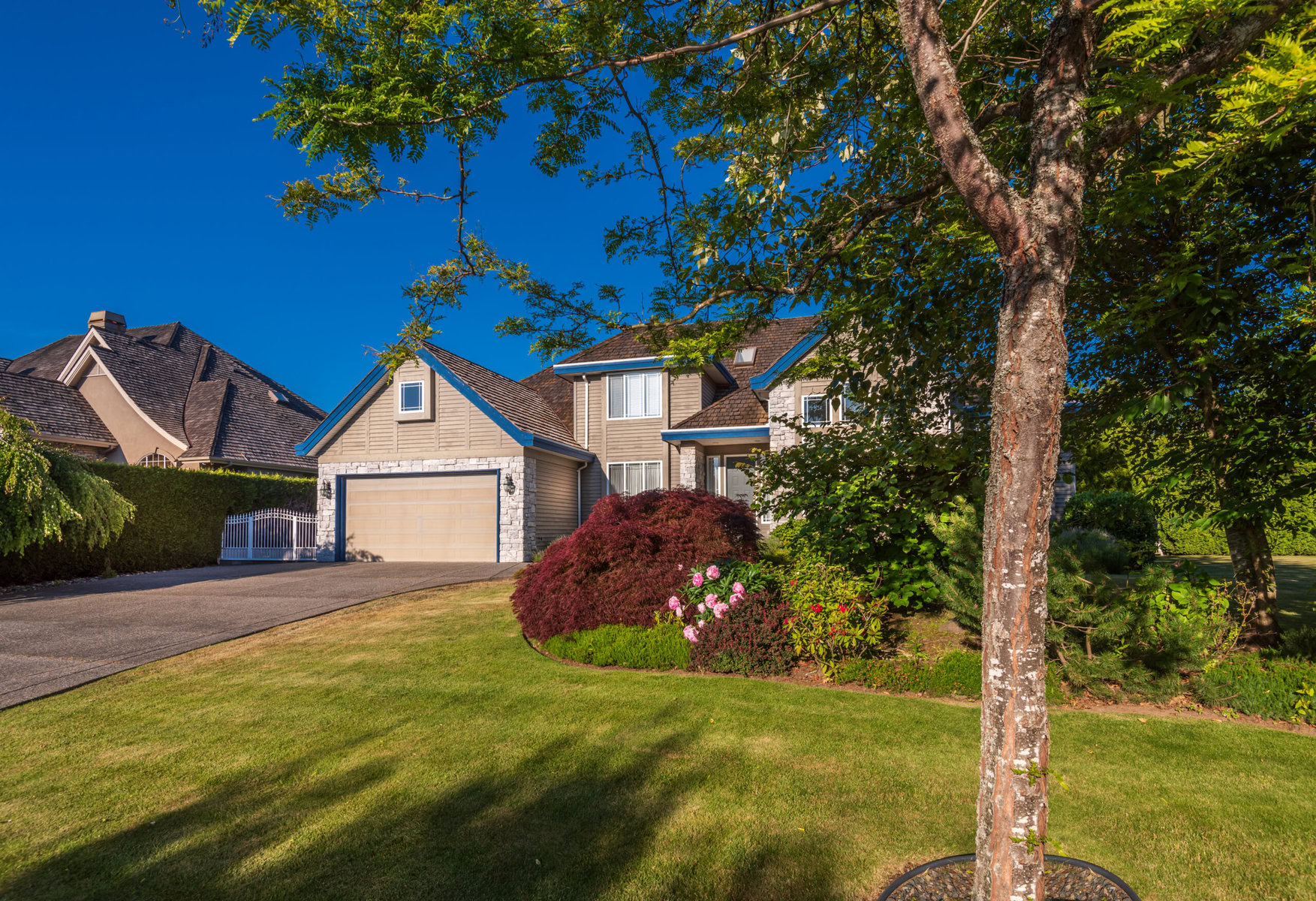

The 50% Rule—officially known as the Substantial Improvement/Substantial Damage provision—is a federal regulation enforced by local governments that participate in the National Flood Insurance Program (NFIP). The rule mandates that if the cost of improvements or repairs to a structure located in a Special Flood Hazard Area (SFHA) equals or exceeds 50 percent of the structure’s market value, the entire building must be brought into full compliance with current floodplain management standards.
FEMA defines Substantial Improvement as “any reconstruction, rehabilitation, addition, or other improvement where the cost equals or exceeds 50% of the market value of the structure before the improvement”. The purpose is straightforward: to gradually elevate the resilience of the nation’s building stock in flood-prone areas, thereby reducing long-term insurance claims and protecting communities from repetitive flood losses.
Miami-Dade County, with its extensive coastline, low-lying topography, and dense inventory of older homes, represents one of the strictest enforcement environments for this rule in the country. Understanding its nuances is not optional—it is the foundation upon which every renovation or repair project must be built.
Table of Contents
The Two Critical Numbers That Determine Your Project’s Fate
How “Market Value” Is Calculated
The market value used for the 50% Rule calculation is not your Zillow estimate, your tax-assessed value, or even your recent purchase price. Miami-Dade County uses the depreciated value of the structure only—the land value is explicitly excluded.
This distinction creates a common trap for homeowners. A property with a total market value of $800,000 may have a structure-only value of just $200,000, making the 50% threshold a mere $100,000. Renovations that seemed modest relative to the purchase price can suddenly trigger full compliance requirements.
The county may use several methods to determine structure value:
-
Miami-Dade Property Appraiser’s building value minus a 20% depreciation factor
-
Certified professional appraisal using Actual Cash Value (ACV) methodology
-
Replacement cost new less depreciation calculated by a licensed appraiser
FEMA guidelines specifically allow property owners to challenge the county’s valuation by obtaining an independent appraisal from a certified FEMA appraiser.
What Counts Toward the “Cost of Improvement”
The cost calculation encompasses far more than most homeowners anticipate. Every dollar spent on the project counts toward the 50% threshold, including:
| Included Costs | Excluded Items |
|---|---|
| All labor (contractor and self-performed) | Land value |
| Construction materials and supplies | Landscaping and irrigation |
| Permit fees and inspection costs | Detached structures (sheds, garages not attached) |
| Architectural and engineering fees | Swimming pools and spas |
| Demolition and debris removal | Fences and screen enclosures |
| Contractor overhead and profit | Driveways and walkways |
| Flood mitigation features (vents, shutters) | Design fees not directly related to construction |
| Owner-supplied materials (valued at market rate) | |
| Site preparation and temporary utilities |
The cumulative nature of the calculation is particularly important. Miami-Dade tracks improvements over a defined lookback period—typically one year, though some municipalities may extend this to five years. This means that multiple smaller projects, even if permitted separately, are aggregated when determining whether the 50% threshold has been crossed.
Substantial Damage: When Nature Triggers the Rule
Substantial Damage operates identically to Substantial Improvement but is triggered by damage from any origin—hurricane, flood, fire, or other disaster. FEMA defines it as “damage of any origin sustained by a structure whereby the cost of restoring the structure to its before-damaged condition would equal or exceed 50 percent of the market value of the structure before the damage occurred”.
This provision applies regardless of whether the property carries flood insurance and regardless of the cause of damage. Following a major storm event, many homeowners discover that their insurance settlement, combined with the county’s damage assessment, pushes them across the 50% threshold—transforming a repair project into a mandatory rebuild.
Step-by-Step Compliance Process for Miami-Dade Homeowners
Step 1: Determine Your Flood Zone
Obtain the official FEMA Flood Insurance Rate Map (FIRM) for your property through the FEMA Flood Map Service Center. Miami-Dade properties typically fall into one of these designations:
| Flood Zone | Risk Level | 50% Rule Applies | Key Requirements |
|---|---|---|---|
| VE (Coastal High Hazard) | High | Yes | Elevation to BFE plus freeboard; V-Zone construction standards |
| AE (Flood Zone with BFE) | High | Yes | Elevation to or above BFE; flood openings required |
| AH (Shallow Flooding) | High | Yes | Elevation to BFE (1-3 feet typical ponding) |
| AO (Sheet Flow) | High | Yes | Elevation to depth specified on FIRM |
| X (Shaded) | Moderate | May apply per local ordinance | Check with local building department |
| X (Unshaded) | Low | Typically no | Verify local requirements |
Step 2: Obtain a Structure-Only Valuation
Secure a certified appraisal that establishes the depreciated value of the structure only. This valuation will serve as the denominator for all 50% Rule calculations. Engage an appraiser experienced with FEMA methodology and Miami-Dade’s specific requirements.
Step 3: Calculate Total Project Cost
Compile a comprehensive cost estimate that includes every element listed in the included costs table above. Maintain detailed documentation of all estimates, bids, and eventual expenditures. Remember that costs are cumulative over the applicable lookback period.
Step 4: Complete a Substantial Improvement Worksheet
Before submitting permit applications, complete the county’s Substantial Improvement/Substantial Damage worksheet. This document formalizes the calculation and becomes part of the permanent property record. Many architects and contractors can assist with this documentation.
Step 5: Submit Pre-Application to Building Department
Miami-Dade strongly encourages a formal pre-application review. This step provides a definitive ruling on whether your project will be deemed a Substantial Improvement before you invest in full construction documents. The pre-application package typically includes:
-
Completed Substantial Improvement worksheet
-
Structure-only appraisal
-
Preliminary scope of work
-
Cost estimate with supporting documentation
-
Current Elevation Certificate (if available)
Step 6: Obtain Required Permits
If the project is determined to be a Substantial Improvement, you must submit full construction plans demonstrating compliance with all current floodplain management requirements, including:
-
Elevation of the lowest floor to or above Base Flood Elevation plus freeboard (typically BFE + 1 foot in Miami-Dade)
-
Proper flood openings in foundation walls
-
Elevation of all mechanical, electrical, and plumbing equipment above BFE
Step 7: Secure an Elevation Certificate
Upon completion of construction, a licensed surveyor must provide an Elevation Certificate documenting that the finished floor elevation meets or exceeds the required level. This certificate is essential for flood insurance purposes and final building department approval.
Compliance Requirements When the 50% Rule Is Triggered
Once a project crosses the 50% threshold, the entire structure—not just the new work—must comply with current floodplain management regulations as if it were new construction. The specific requirements include:
Elevation to Base Flood Elevation (BFE) Plus Freeboard
The lowest floor must be elevated to or above the Base Flood Elevation established on the current FIRM. Miami-Dade typically requires an additional 1 foot of freeboard above BFE for additional safety margin. For many slab-on-grade homes built in the 1950s through 1970s, this requirement effectively mandates a complete foundation rebuild.
Flood-Resistant Construction Below BFE
Any portion of the structure below the BFE must be constructed with flood-resistant materials and designed to withstand hydrostatic and hydrodynamic forces. Enclosed areas below the elevated floor can only be used for parking, building access, or limited storage—not as habitable space.
Equipment Elevation
All mechanical, electrical, plumbing, and HVAC equipment must be elevated to or above the BFE. This includes water heaters, air conditioning condensers, electrical panels, and ductwork.
Flood Openings
Foundation walls enclosing areas below the BFE must include properly sized flood openings (vents) that allow automatic entry and exit of floodwaters, equalizing hydrostatic pressure on both sides of the wall.
Financial Implications and Insurance Considerations
Increased Cost of Compliance (ICC) Coverage
For properties covered by NFIP flood insurance policies, ICC coverage provides up to $30,000 to help offset the cost of elevating, relocating, demolishing, or floodproofing a structure following a Substantial Damage determination. Important limitations apply:
-
ICC coverage applies to Substantial Damage only—not to voluntary Substantial Improvements
-
The $30,000 maximum is often insufficient to cover full elevation costs
-
ICC funds cannot be used for property acquisition, though demolition is eligible
Ordinance or Law Coverage
Homeowners insurance policies may include Ordinance or Law coverage, which can help pay for increased costs required to comply with building codes following a covered loss. Florida insurers are required to offer this coverage at limits of either 25% or 50% of the dwelling coverage amount. This coverage can be critical when storm damage triggers the 50% Rule.
Flood Insurance Premium Implications
Properties that achieve full compliance with current floodplain standards following a Substantial Improvement or Substantial Damage determination may qualify for significantly reduced flood insurance premiums. The Elevation Certificate documenting compliance becomes the basis for accurate, risk-based rating.
Common Pitfalls and How to Avoid Them
Pitfall 1: Underestimating Structure-Only Value
Many homeowners mistakenly believe their property’s total market value (including land) determines the 50% threshold. In Miami-Dade, where land values often exceed structure values, this miscalculation can be catastrophic.
Solution: Obtain a certified structure-only appraisal before finalizing any renovation budget.
Pitfall 2: Ignoring Cumulative Improvement Tracking
Multiple smaller projects completed within the lookback period are aggregated. A bathroom remodel in January, a roof replacement in June, and a kitchen renovation in October may collectively trigger the rule even though each individual project stayed under 50%.
Solution: Maintain a running log of all permitted improvements and consult the building department before starting any new project.
Pitfall 3: Beginning Work Without Permits
Unpermitted work discovered during a subsequent permit application will be valued at current market rates and added to the cumulative cost calculation. It may also need to be demolished or brought up to current code retroactively.
Solution: Always obtain proper permits and document all work with the building department.
Pitfall 4: Failing to Consider the 50% Rule When Purchasing
The rule attaches to the structure, not the owner. Previous owners’ improvements count toward the cumulative total. A property that appears to be a perfect fixer-upper may already be near the 50% threshold.
Solution: During due diligence, request the property’s permit history and substantial improvement records from the local building department.
Strategic Approaches for Managing the 50% Rule
Option 1: Stay Under the Threshold
For properties with sufficient structure value, carefully planned renovations can remain below the 50% threshold. This approach requires:
-
Precise cost estimating with contingencies built in
-
Phasing of work across multiple years (subject to lookback period limitations)
-
Prioritizing essential improvements while deferring cosmetic updates
-
Exploring alternative materials or methods that reduce costs without compromising quality
Option 2: Embrace Full Compliance
When a property requires extensive renovation or when the 50% threshold cannot reasonably be avoided, pursuing full compliance may be the better long-term strategy. Benefits include:
-
Significantly reduced flood insurance premiums
-
Enhanced property value and marketability
-
Improved safety and resilience against future flood events
-
Elimination of future 50% Rule constraints for additional improvements
Option 3: Demolition and New Construction
For older slab-on-grade homes with low structure values, demolition and new construction may prove more cost-effective than attempting to elevate an existing structure. Modern construction methods—including modular construction and Insulated Concrete Forms (ICF)—can deliver code-compliant, elevated homes with superior energy efficiency and storm resistance.
Option 4: Historic Structure Exceptions
Structures listed on the National Register of Historic Places or designated as contributing to a historic district may qualify for variances or alternative compliance methods. These exceptions are evaluated on a case-by-case basis and require coordination with both local building officials and historic preservation authorities.
Municipal Variations Within Miami-Dade County
While the 50% Rule originates from federal requirements, local municipalities within Miami-Dade County may apply additional standards:
| Municipality | Lookback Period | Valuation Method | Notable Requirements |
|---|---|---|---|
| City of Miami Beach | 1 year | Property Appraiser or certified appraisal | Tracks cumulative improvements across all permits |
| City of Miami | Varies by project | Structure-only appraisal required | Additional drainage and impervious surface requirements |
| Unincorporated Miami-Dade | Per county standards | County Property Appraiser data | Subject to county flood criteria updates |
| Coral Gables | 1 year typical | Independent appraisal may be required | Historic preservation overlays may apply |
| Miami Beach | 1 year | Formula: Sum of job values ÷ property value | Requires compliance with both floodplain and building code requirements |
Always verify current requirements with the specific municipality having jurisdiction over your property.
Documentation Checklist for 50% Rule Compliance
Before Starting Any Project:
-
Current FEMA Flood Insurance Rate Map (FIRM) showing property location
-
Structure-only appraisal (depreciated value, excluding land)
-
Current Elevation Certificate (if available)
-
Complete permit history for the property
-
Detailed scope of work with line-item cost estimates
-
Substantial Improvement worksheet (county-provided form)
During Permitting:
-
Completed permit application with all required signatures
-
Construction plans demonstrating floodplain compliance
-
Structural calculations (if elevation is required)
-
Flood opening calculations and specifications
-
Equipment elevation details
Upon Completion:
-
Final Elevation Certificate from licensed surveyor
-
Certificate of Occupancy or Completion
-
Documentation of all actual construction costs
-
Updated flood insurance policy reflecting new elevation
Frequently Overlooked Considerations
The 25% Roof Replacement Rule (Florida-Specific)
Florida building code includes a separate provision regarding roof replacements: if more than 25% of a roof is replaced within a 12-month period, the entire roof must be brought into compliance with current wind mitigation standards. While distinct from the 50% Rule, this requirement can add significant cost and should be factored into overall project planning.
Impervious Surface Ordinance (Effective March 31, 2025)
Miami-Dade County’s updated Impervious Surface Ordinance imposes new requirements on development and substantial improvements regarding stormwater retention and green space. Projects triggering the 50% Rule may also need to demonstrate compliance with these enhanced drainage standards.
Sea Level Rise and Future Flood Maps
FEMA periodically updates FIRMs to reflect changing flood risk, including sea level rise projections. A property that currently falls in Zone X may be remapped into a Special Flood Hazard Area in the future. Building to higher standards today can protect against both physical risk and regulatory changes.
Conclusion: The Path Forward
The 50% Rule represents both a constraint and an opportunity. While it can derail poorly planned renovations, it also provides a framework for creating safer, more resilient, and more valuable properties in Miami-Dade’s flood-prone environment.
Success requires three essential commitments:
-
Early Planning: Engage with building officials, appraisers, and design professionals before making financial commitments or signing contracts.
-
Accurate Documentation: Maintain meticulous records of all costs, valuations, and permits. The burden of proof rests with the property owner.
-
Long-Term Perspective: View compliance not merely as a regulatory hurdle but as an investment in the property’s future insurability, marketability, and resilience.
By understanding the rule’s mechanics, anticipating its triggers, and planning strategically, Miami-Dade property owners can navigate the 50% Rule successfully—transforming what could be a project-ending obstacle into a pathway toward a safer, more valuable home.
People Also Ask
According to FEMA, a substantial improvement is any reconstruction, rehabilitation, addition, or other improvement of a structure, the cost of which equals or exceeds 50 percent of the market value of the structure before the start of construction. This threshold applies to the improvement of the building itself, not the land. If the cost of repairs or improvements meets this 50 percent mark, the entire structure must be brought into full compliance with current floodplain management regulations, including elevation requirements. Trusst Construction advises property owners in Miami, Miami Beach, and Hialeah to obtain a professional cost estimate and a formal market value appraisal before beginning any major renovation to avoid triggering these costly compliance requirements.
Under the Florida Building Code, a substantial improvement is any repair, reconstruction, rehabilitation, addition, or improvement of a building where the cost equals or exceeds 50% of the market value of the structure before the improvement begins. This threshold is critical in flood-prone areas, as it triggers requirements to bring the entire building up to current flood damage-resistant standards. For example, if your home in Miami Beach is damaged and repairs exceed that 50% mark, you must elevate the structure to meet Base Flood Elevation requirements. Trusst Construction regularly advises clients on these thresholds to avoid unexpected compliance costs, ensuring your project remains safe, legal, and financially sound. Always verify the exact valuation method with your local building official.
Buying a house in Flood Zone AE is a significant decision that requires careful evaluation. Zone AE indicates a high-risk area with a 1% annual chance of flooding, often requiring mandatory flood insurance for federally backed mortgages. While the risk is real, it does not automatically disqualify a property. You should review the property’s elevation certificate, assess the cost of flood insurance premiums, and consider the history of claims in that specific neighborhood. Many buyers proceed successfully by factoring in these added costs and mitigation measures. For a professional assessment of the structural risks and insurance implications specific to your Miami property, consulting a local expert like Trusst Construction can provide clarity before you commit.
The 50% rule is a critical FEMA regulation for properties in Special Flood Hazard Areas. It states that if the cost of improvements, repairs, or renovations to an existing structure equals or exceeds 50% of the building's market value, the structure must be brought into full compliance with current floodplain management codes. This often means elevating the building to the Base Flood Elevation (BFE). The rule applies cumulatively over the life of the structure, meaning multiple smaller projects can trigger it. Trusst Construction advises property owners in Miami, Miami Beach, and Hialeah to obtain a professional cost estimate and market value appraisal before starting any significant work to avoid unexpected compliance mandates.