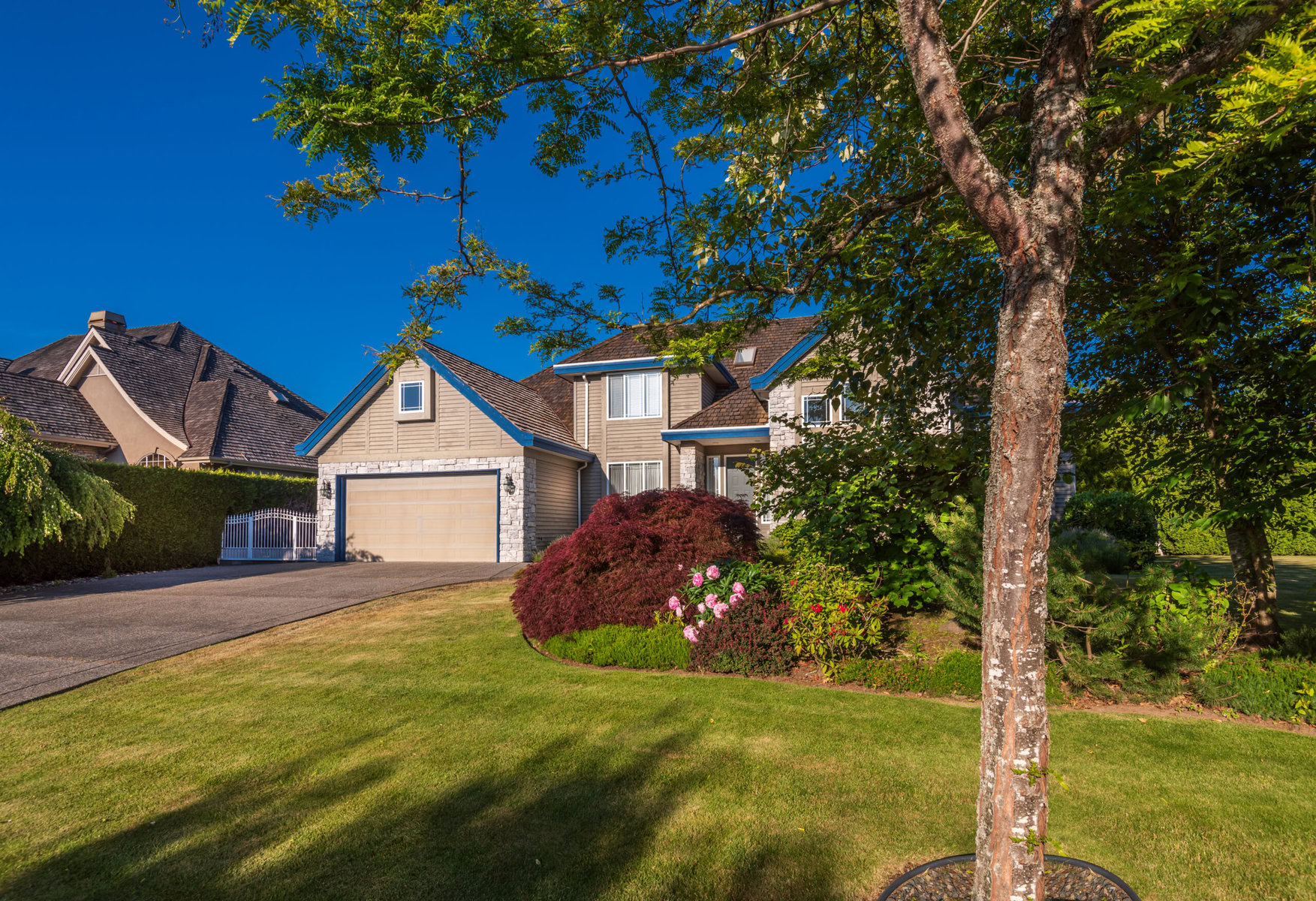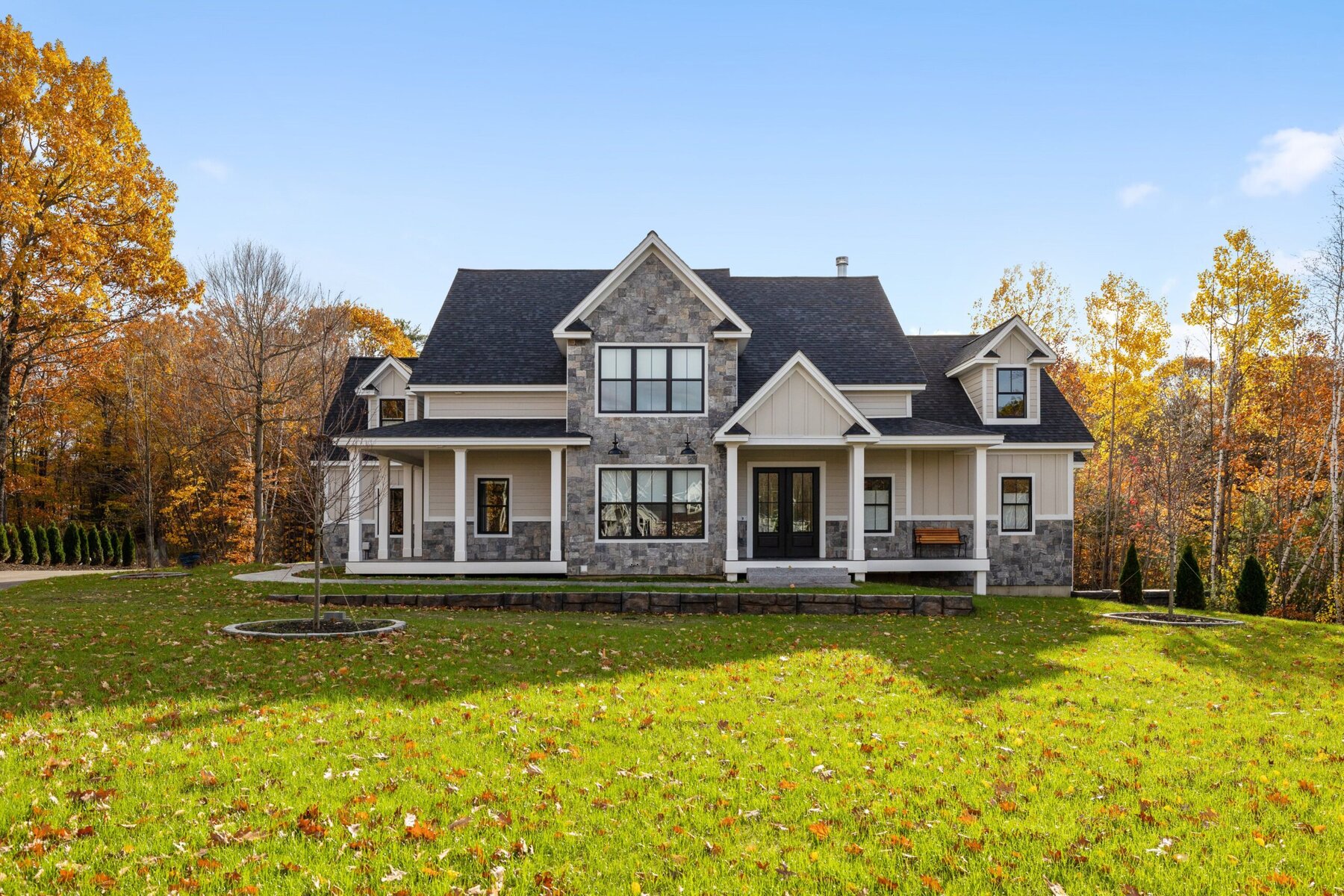

In South Florida, a fully custom home typically requires 12 to 18 months from the initial design concept to the day you receive your keys. With an integrated design-build team that controls architecture, engineering, and construction under one roof, we have consistently delivered homes in 10 to 14 months without compromising craftsmanship. The exact schedule depends on lot conditions, permit complexity, and how early long-lead materials are locked in. Below we break down every phase, highlight where other builders lose time, and show how we accelerate the process while staying fully transparent.
Table of Contents
The Real-World Custom Home Build Timeline
Before construction begins, months of strategic planning dictate the entire schedule. We follow a concurrent workflow that overlaps design, engineering, and permitting rather than moving through them sequentially. This alone often saves 8 to 12 weeks compared to the traditional design-bid-build model. The table below shows a typical South Florida timeline and our accelerated range with integrated delivery.
| Phase | Typical Duration | Trusst Accelerated Range | Key Activities and Decision Points |
|---|---|---|---|
| Pre-Design & Site Analysis | 2 to 4 weeks | 1 to 2 weeks | Topographic survey, soil test, tree survey, zoning verification, FEMA flood zone check, utility location |
| Architectural Design | 8 to 16 weeks | 6 to 10 weeks | Concept plans, floor plan refinement, exterior elevations, interior design kickoff, structural engineering start |
| Permitting & Approvals | 8 to 14 weeks | 6 to 10 weeks | City/county plan review, DERM, health department, coastal construction control line, HOA or ARC review |
| Site Work & Foundation | 4 to 8 weeks | 3 to 6 weeks | Clearing, excavation, formwork, rebar, slab pour, underground plumbing/electrical, termite pretreatment |
| Framing & Drying In | 6 to 10 weeks | 5 to 8 weeks | Wall, floor, and roof framing; sheathing; roof underlayment; impact windows and exterior doors installation |
| Rough-Ins (MEP) | 4 to 6 weeks | 3 to 5 weeks | HVAC ductwork, plumbing rough-in, electrical wiring, low voltage, gas piping, initial inspections |
| Insulation & Drywall | 3 to 5 weeks | 2 to 4 weeks | Spray foam or batt insulation, drywall hanging, taping, texturing, priming |
| Interior Finishes | 8 to 14 weeks | 6 to 10 weeks | Flooring, cabinetry, trim, interior doors, countertops, tile, paint, fixture installation, appliance set |
| Final Inspections & Punch | 3 to 5 weeks | 2 to 4 weeks | Certificate of Occupancy process, final walkthrough, punch list, cleaning, move-in |
| Total Estimated Timeline | 46 to 82 weeks | 34 to 59 weeks | From signed design agreement to handover |
Our accelerated timelines are realistic because we eliminate the bid period, start engineering while design progresses, and pre-order custom materials before the permit is issued. This aggressive parallel scheduling is only possible when a single entity controls the entire process.
How We Stack the Phases to Save Months
Unlike the conventional path where you hire an architect, then bid to builders, then wait for permits, we operate differently. Our in-house architects and structural engineers develop the construction drawings while our project manager simultaneously begins site preparation coordination and material procurement. We call this “overlapping design-construct cadence.” By the time the permit is ready, our crews are mobilized, and long-lead items like impact-rated windows, custom cabinetry, and specialty doors are already in production. This typically shaves 10 to 14 weeks off the pre-construction period.
Pre-Construction: Where Time is Won or Lost
The most underestimated part of the custom home timeline is the pre-construction phase. In South Florida, site evaluation alone can uncover surprises that add months if not handled early. We start with a comprehensive lot analysis that includes:
-
A boundary and topographic survey identifying easements and setbacks.
-
A geotechnical soil report to determine foundation design in sandy or mucky soils.
-
A tree survey and arborist report if protected species exist.
-
FEMA flood zone determination and elevation requirements.
-
Local zoning and coastal construction control line verification.
-
Utility availability and capacity assessment.
This due diligence prevents redesigns later. Many builders skip deep pre-construction, only to discover during excavation that the soil cannot support a standard slab, triggering an engineered foundation revision and a 6-week permitting amendment. We never let that happen.
Design Phase: Concept to Permit-Ready Drawings
The architectural phase moves from bubble diagrams to fully engineered permit sets. Our design process is intensely collaborative. We meet weekly to align your wish list with your budget, using real-time cost modeling rather than waiting for a bid from a third party. Every finish selection is cataloged early, which drives the structural and mechanical specifications. This avoids the all-too-common delay where the house is framed but tile and plumbing fixtures are still unselected. We finalize:
-
Floor plans with exact room dimensions and flow.
-
Exterior elevations with window and door schedules.
-
Structural engineering for wind loads (high-velocity hurricane zone requirements).
-
HVAC load calculations and duct layout.
-
Electrical and lighting plans with fixture selections.
-
Plumbing layout and fixture schedule.
-
Interior millwork and cabinetry shop drawings.
Because we employ licensed architects and structural engineers on staff, there is no back-and-forth between separate firms. Changes are resolved in hours, not weeks.
Permitting in Coastal South Florida
Permitting is the single largest variable outside a builder’s control, but we have compressed it significantly through deep local knowledge and relationships. For a home east of I-95 or in flood zones, you will encounter multiple agencies: city building department, Miami-Dade DERM or Broward County Environmental Protection, coastal construction line reviews, health department for septic if not on sewer, and sometimes water management district. A typical standalone permit set takes 8 to 14 weeks for first review. We routinely achieve initial comments in 6 to 8 weeks because our drawings are meticulously prepared to meet the prescriptive codes for impact glazing, roof tie-downs, and elevation. When corrections are needed, we turn them around in 48 hours. We also walk plans through the building department in person, which avoids digital queue delays that can eat up weeks.
One insider strategy we use: we submit for a foundation-only permit while the full building permit is under review. This allows site work, excavation, and concrete to begin 4 to 6 weeks earlier, overlapping the permitting wait. That alone frequently moves the completion date up by a month.
Foundation and Structural Shell
Once the slab is poured, the vertical construction moves fast. Our framing crews are pre-scheduled months in advance, and the lumber package is delivered after the foundation passes inspection. We use engineered wood products and pre-cut roof trusses that reduce on-site labor and errors. Drying in the structure — meaning roof sheathing, underlayment, and exterior impact windows and doors are installed — is the critical milestone. In South Florida, we plan every project so that this drying-in date falls no later than May 15, before the heart of hurricane season. A dried-in shell can weather a storm without interior damage, while an exposed frame cannot. This seasonal phasing has saved our projects from weeks of storm-related standstills.
Rough-Ins, Insulation, and Drywall
After the building envelope is secure, mechanical rough-ins happen simultaneously. Our HVAC, plumbing, and electrical trade partners are managed by a single dedicated Trusst project manager who sequences them daily. No time is lost to conflicting schedules. We specify spray foam insulation in most coastal builds because it air-seals the envelope, meets code for wind-driven rain protection, and allows the drywall stage to start even in high humidity. Drywall, tape, and texture follow immediately. By this point, interior finishes are already on site or staged for delivery because we ordered them during the framing phase, not after drywall.
Interior Finishes and the Final Mile
The finish phase looks fast but is where poor planning causes the longest delays. We have witnessed projects stall for 6 to 8 weeks waiting for custom cabinets or imported tile. We avoid this entirely by placing purchase orders for all key finishes before the roof is complete. Our finish schedule runs:
-
Millwork and trim installation.
-
Interior door hanging and hardware.
-
Cabinet and vanity installation.
-
Countertop templating and fabrication.
-
Tile and flooring installation.
-
Final paint touch-ups.
-
Light fixture, plumbing fixture, and appliance installation.
A dedicated superintendent walks the home daily with a digital punch list, so corrections happen in real time rather than accumulating at the end. This compressed final stretch is only possible because all selections were locked in during design and all materials were pre-purchased.
South Florida Realities That Derail Timelines
Coastal building demands hyper-awareness of forces many national articles gloss over. The real delays we prevent include:
-
High-velocity hurricane zone product approvals. Every exterior door, window, garage door, and even skylight must have a Florida Product Approval or Miami-Dade Notice of Acceptance. Ordering non-compliant units can mean a 12-week reorder and framing modifications. We specify only pre-approved products from our vetted vendor list.
-
Flood zone elevation compliance. Building below the required base flood elevation triggers a stop-work order and a revised permit. We stake out finished floor elevation before any footing is poured and verify with a surveyor.
-
Storm season work stoppages. From June through November, a named storm warning can halt construction for days. We build storm hardening into the schedule and keep the site secured.
-
Soil variability. South Florida has pockets of organic material, marl, and sand that require specialized foundations. We always include a geotechnical investigation in the pre-construction package, so the foundation design matches the soil report from day one.
These local nuances are often missing from generic home timeline articles, yet they are the precise reasons projects in our region extend beyond 18 months.
Frequently Asked Questions
How long does a custom home build really take in South Florida?
From the first design meeting to move-in, plan on 12 to 18 months with a standard design-bid-build approach. With our integrated design-build process, that span typically falls between 10 and 14 months. Pre-construction planning, early permitting, and parallel material procurement account for the time savings.
What are the top causes of custom home construction delays?
The most common delays we see in South Florida are long municipal permit review times, backordered impact windows and doors, mid-construction design changes, and weather stoppages during hurricane season. We mitigate every one of these by filing foundation-only permits, pre-ordering long-lead materials, locking in design selections before permits, and building a storm-ready schedule.
Can I build a custom home in under 10 months?
While theoretically possible for a small, simple home on an ideal lot with no coastal review, under 10 months is extremely aggressive in South Florida. Our most accelerated projects hit 10 months by starting site work during permitting and ordering all finishes early. We do not sacrifice quality or compliance for speed.
Does Trusst Construction handle permits and coastal codes?
Yes. We have deep in-house expertise with Miami-Dade and Broward County building departments, coastal construction control lines, DERM, and high-velocity hurricane zone requirements. Our permit sets are tailored to each municipality’s prescriptive path, and we personally walk plans through plan review to cut bureaucratic delays.
What is design-build, and why does it save time?
Design-build is a project delivery method where a single company provides architecture, engineering, and construction services under one contract. In a traditional design-bid-build, you hire an architect, wait for complete drawings, then bid to contractors, then negotiate, then permit. Design-build overlaps these steps. We start engineering while you sign off on floor plans, we order materials while permits are in review, and we have no bid period. This integrated approach routinely trims 3 to 5 months from the total timeline.
How do you keep the project on budget and on schedule at the same time?
We provide a transparent, itemized fixed-price estimate based on your final design, not allowances that balloon later. Every change order is presented in writing with cost and schedule impact before any work proceeds. Because we control design and construction, we can value-engineer in real time without delaying the job. The single point of contact — your dedicated project manager — updates you weekly on budget versus actuals and milestone dates.
When should I start planning if I want to be in my home by a specific date?
Work backward from your target move-in date and add 14 months as a conservative baseline. Contact us for a no-obligation consultation at least 16 months before your desired completion date so we can complete site evaluation, design, and permit filing with adequate float. The earlier we start, the more schedule leeway we can build into the order of long-lead items.
Why Our Timeline Delivers Certainty
Trusst Construction is a licensed general contractor serving greater South Florida with a single integrated team for architecture, design, and construction. We combine creativity with precision, translating client goals into detailed plans that balance aesthetics, function, and budget, with every design tailored to the owner’s lifestyle. Our transparent, upfront pricing, clearly itemized estimates, and written change approvals ensure you never face surprise cost or schedule blowouts. One dedicated point of contact manages all trades, schedules, and progress, so you always know exactly where your home stands.
Our deep local knowledge covers coastal codes, permitting hurdles, and storm-season realities that can derail projects handled by builders without South Florida experience. Because we operate under one roof, we compress the timeline while delivering a higher quality fit and finish — every element from structural engineering to interior trim is coordinated from day one.
You can start your project with a no-obligation consultation. Call Trusst Construction at (305) 786-3199 to discuss your timeline, your vision, and how we can deliver your custom home sooner, with less stress.
Sources and Further Reading
-
National Association of Home Builders, Cost of Construction Survey 2025 – data on average construction durations for custom homes. https://www.nahb.org
-
NewHomeSource, Custom Home Building Timeline: From Start to Finish – typical phase durations for single-family custom builds. https://www.newhomesource.com
-
FEMA, Coastal Construction Manual – guidance on flood-resistant design and elevation requirements. https://www.fema.gov
-
Florida Building Code, High-Velocity Hurricane Zone provisions – product approval and wind-load criteria. https://floridabuilding.org
-
The Plan Collection, How Long Does It Take to Build a Custom Home? – breakdown of design, permitting, and build phases. https://www.theplancollection.com
-
HomeAdvisor, Build a House: Steps and Timeline – typical contractor-reported timelines. https://www.homeadvisor.com
Related Articles
Commercial Construction Timeline: Plan Accurately and Open Your Doors Months Sooner with an Integrated Design‑Build Team
Why A Solid Construction Contract Protects Your Miami Project
The Importance Of A Detailed Construction Contract
Legal Garage Conversion For Ojus Homes
People Also Ask
Building a house typically takes 7 to 12 months from breaking ground to final walkthrough, though custom homes can extend to 18 months. The timeline hinges on permits, weather, and material lead times. After securing financing and permits (1-3 months), site work and foundation take 1-2 months. Framing, roofing, and exterior finishes require another 2-3 months. Interior rough-ins (plumbing, electrical, HVAC) and insulation add 1-2 months, followed by drywall, trim, and cabinetry (2-3 months). Final fixtures, flooring, and punch list tasks take 4-6 weeks. Delays often stem from inspections or supply chain issues. For a smoother schedule, Trusst Construction recommends locking in design decisions early and ordering long-lead items like windows and custom doors before construction begins. Always build in a 10% buffer for unforeseen conditions.
A $200,000 budget is workable for building a house in Miami, Miami Beach, or Hialeah, but it demands strict planning. This amount typically covers a modest, single-story home of around 1,200 to 1,500 square feet, using standard finishes and materials. However, it does not include the cost of the land, which in these areas is significant. You must also account for permits, impact fees, and site preparation, which can consume 15-20% of your budget. To stay on track, prioritize a simple, rectangular floor plan and avoid custom features. At Trusst Construction, we recommend obtaining a detailed line-item quote early, as local labor and material costs can fluctuate, making a contingency fund of at least 10% essential for unforeseen structural or code requirements.
Building a custom home typically takes 10 to 16 months from groundbreaking to final walkthrough. This timeline assumes a finalized design, secured permits, and stable weather. The largest variables are the complexity of the architecture, the size of the structure, and the availability of skilled subcontractors. A simple, single-story ranch on a flat lot might finish in 8 months, while a multi-story home with intricate detailing can easily stretch past 18 months. Site conditions, such as rock excavation or poor soil, also add weeks. For a reliable schedule, Trusst Construction recommends adding a 10% buffer to your initial estimate to account for material lead times and inspection delays. Clear, early decisions on finishes will keep your project moving efficiently.
The construction process is typically broken down into seven distinct stages, ensuring a project is completed on time and within budget. It begins with conception and feasibility, where the project's goals and viability are assessed. Next is design and planning, where architects and engineers create detailed blueprints and secure necessary permits. The third stage is pre-construction, involving site surveys and material procurement. Following this is the procurement stage, where all materials and subcontractors are finalized. The fifth stage is the actual construction, covering everything from the foundation to the final finishes. Then comes commissioning and handover, which involves final inspections and client walkthroughs. Finally, the post-construction stage includes warranty management and resolving any minor defects. For a seamless experience, Trusst Construction manages each of these phases with meticulous attention to detail in the Miami area.
Building a 3,000 sq ft custom home typically takes between 10 to 14 months from groundbreaking to final walkthrough. This timeline assumes standard site conditions and a stable design. The process breaks down into three main phases: foundation and framing (3-4 months), rough-ins for plumbing, electrical, and HVAC (2-3 months), and interior finishes like drywall, cabinetry, and flooring (4-6 months). Weather delays, permit approvals, and material lead times can extend this by several weeks. To maintain a predictable schedule, you need a general contractor who coordinates trades efficiently. At Trusst Construction, we provide a detailed milestone schedule before starting, so you know exactly what to expect at each stage of your project.
Building a house in a subdivision typically takes between 6 to 12 months, depending on the size, design, and local permitting processes. The timeline includes site preparation, foundation work, framing, and interior finishes, with weather and material availability being major factors. In Miami, Miami Beach, and Hialeah, you must also account for county inspections and hurricane-resistant building codes, which can add a few weeks. A custom home may take longer than a standard plan. For a smoother process, working with an experienced contractor like Trusst Construction helps ensure that scheduling and inspections are managed efficiently, keeping your project on track from groundbreaking to final walkthrough.
Building a 1,500 sq ft house typically takes between 6 to 9 months from groundbreaking to final walkthrough, assuming standard site conditions and no major weather delays. This timeline includes foundation work, framing, rough-ins for electrical and plumbing, insulation, drywall, and interior finishes. Custom designs or high-end materials can extend this to 12 months. For a project in Miami, Miami Beach, or Hialeah, permitting and inspections can add 4 to 8 weeks, so factor that in. Trusst Construction recommends setting a realistic schedule with your contractor, including buffer time for unforeseen issues like soil conditions or supply chain delays. A detailed project plan with weekly milestones helps keep the build on track.