
Let’s be honest, we’ve all fallen down the rabbit hole of home improvement shows. One minute you’re casually watching, the next you’re convinced your bathroom needs a waterfall feature and your kitchen requires a pizza oven you’ll use twice. The dream is intoxicating, but the leap from fantasy to finished project? That’s where most of us freeze up. The big, scary questions start rolling in: How do we even start? Who can we trust? And, let’s not kid ourselves, what’s this going to cost?
Well, take a deep breath. We’re about to walk through the whole, beautiful, sometimes messy journey of a major renovation. Think of this as a friendly chat over coffee, where we swap horror stories, share insider tips, and hopefully make the process feel a lot less daunting. Whether you’re dreaming of a simple bathroom remodeler project or a top-to-bottom full home remodel, the principles are the same. And hey, if you’re near Miami and this all starts to sound like a job for a pro (which, often, it is), you’ll know who to call.
Table of Contents
The Great Debate: To DIY or to GC?
So, you’ve got the vision board on Pinterest. The first major crossroad is deciding what you can handle versus what needs a professional’s touch. We love a good DIY story, but we’ve also seen the “weekend project” that’s still unfinished three months later.
When DIY Might Work:
- The project is truly cosmetic: Painting, installing shelving, or swapping out hardware.
- You have proven skills and time: We’re not talking about watching one YouTube tutorial on tiling. We mean you’ve actually done it before.
- Budget is extremely tight, and you’re willing to accept a longer timeline and a learning curve.
When to Call a Professional (Like, Yesterday):
- Anything involving water, gas, or electricity: A leaky pipe is a nuisance. A faulty electrical job is a hazard. This is non-negotiable.
- Structural changes: Want to knock down a wall? You need to know if it’s load-bearing first. Spoiler: It usually is.
- You value your time and sanity: A general contractor manages the circus—the permits, the schedules, the deliveries, the subcontractors. They turn your full-time job into a single point of contact.
Here’s our IMO: tackling a full home remodel on your own is like trying to conduct an orchestra without knowing how to play an instrument. Possible? Maybe. Pleasant? Unlikely. This is exactly why companies like ours, Trusst Construction in Miami, exist. We handle the symphony so you can enjoy the music.
Finding Your Renovation Soulmate (A.K.A. Your Contractor)
Choosing your renovation contractor is the most critical decision you’ll make. This isn’t just a transaction; it’s a relationship. You wouldn’t marry someone after one date, right? Don’t hire a contractor after one quote.
Your Contractor Dating Checklist:
- Verify Licenses and Insurance: In Florida, this is your shield. Any legitimate construction company will provide this info proudly. No license, no conversation. It’s that simple.
- Deep Dive into Portfolios and Reviews: Look for projects similar to yours. A commercial contractor brilliant at office refurbishment might not be your best pick for a historic home restoration. Read the reviews, but read between the lines, too.
- Get Detailed, Itemized Bids: If a price seems too good to be true, it almost always is. A transparent bid shows you where your money is going and prevents “surprises” later. FYI, vague bids are a giant red flag.
- Communication is King: From the first meeting, gauge their responsiveness. Are they listening, or just waiting to talk? You’ll be in constant contact, so you need someone whose style meshes with yours.
We might be biased, but we believe the best remodeling company for you is one that feels like a partner. At Trusst Construction, we start every relationship with a detailed conversation, because understanding your life is how we build a home that improves it.
The Budget Talk: Making Peace with the Numbers
Let’s cut to the chase. Renovations cost money, often more than you initially think. But an affordable project isn’t about the cheapest price; it’s about the greatest value and smartest planning.
Common Budget Pitfalls (We’ve Seen Them All):
- The “While We’re At It” Syndrome: This is the budget killer. “While we’re at it, let’s move this plumbing.” See how that adds up?
- Underestimating Material Costs: Lumber, tiles, fixtures—supply chain issues and market fluctuations are real. Your contractor should help you navigate this.
- Ignoring the Unseen: What’s behind that wall? Old wiring? Rotted subfloor? A good house remodeling contractor builds a contingency (usually 10-20%) into the budget for these inevitable discoveries.
| Project Type | Low-End Investment | Mid-Range Investment | High-End Investment | Key Cost Drivers |
|---|---|---|---|---|
| Bathroom Remodel | Cosmetic Updates | Full Layout & Fixture Swap | Luxury Spa Experience | Tile, plumbing fixtures, custom cabinetry |
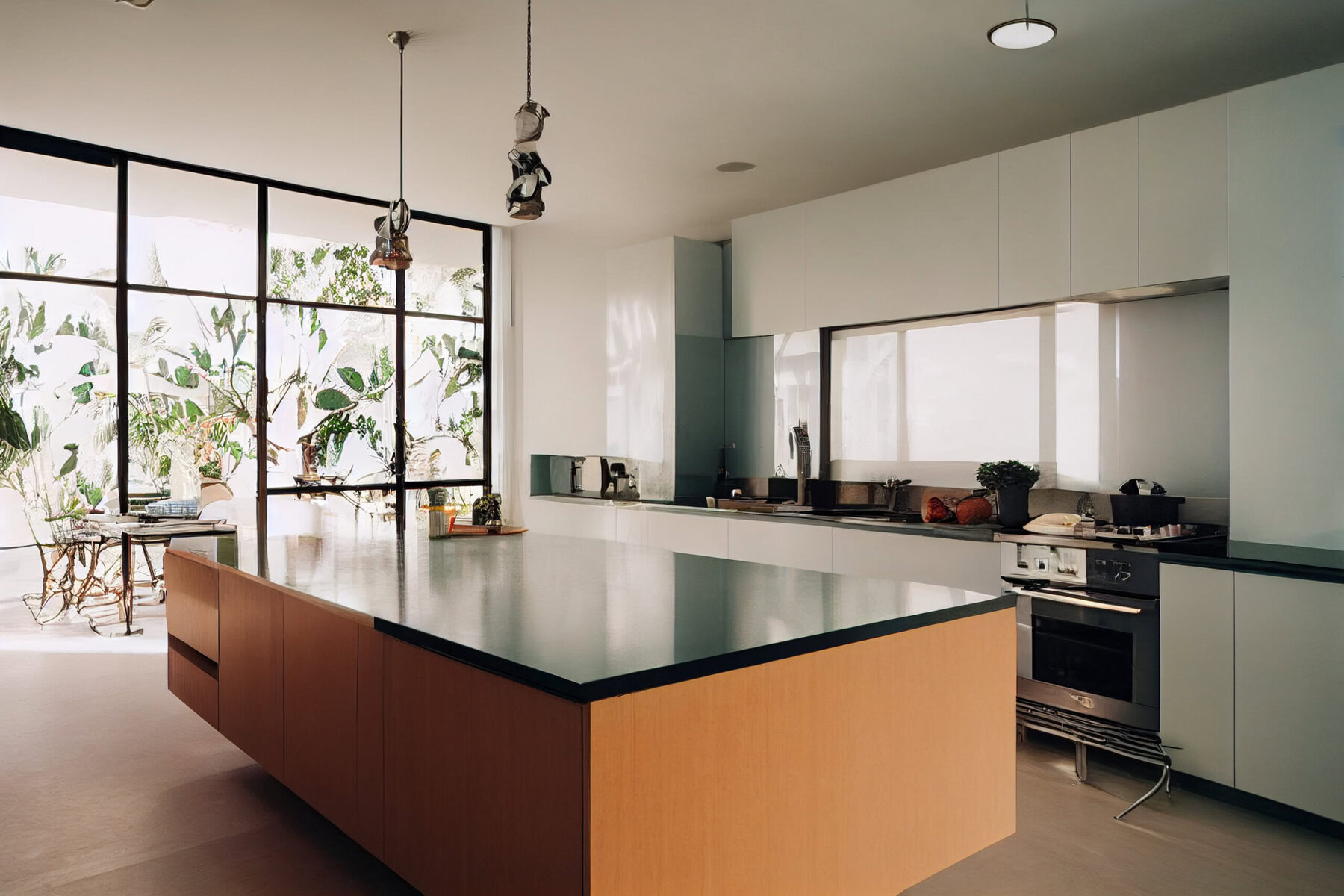
| Kitchen Remodel | Cabinet Refacing, New Appliances | New Cabinets, Countertops, Mid-Appliance | High-End Custom Everything, Pro Appliances | Cabinetry, appliances, countertop material |
| Residential Home Additions | Bump-Out or Sunroom | Full Bedroom/Bath Addition | Second-Story Addition | Foundation work, roofing, square footage, finishes |
| Whole-House Remodel | Systematic Room-by-Room Updates | Full Interior Overhaul + Systems | Architectural Redesign + High-End Finishes | Scale, structural changes, quality of materials |
The Game Plan: What to Expect When You’re Renovating
Okay, you’ve picked your pro and set the budget. What now? Let’s walk through the typical phases so you know the play-by-play.
Phase 1: Design & Permitting
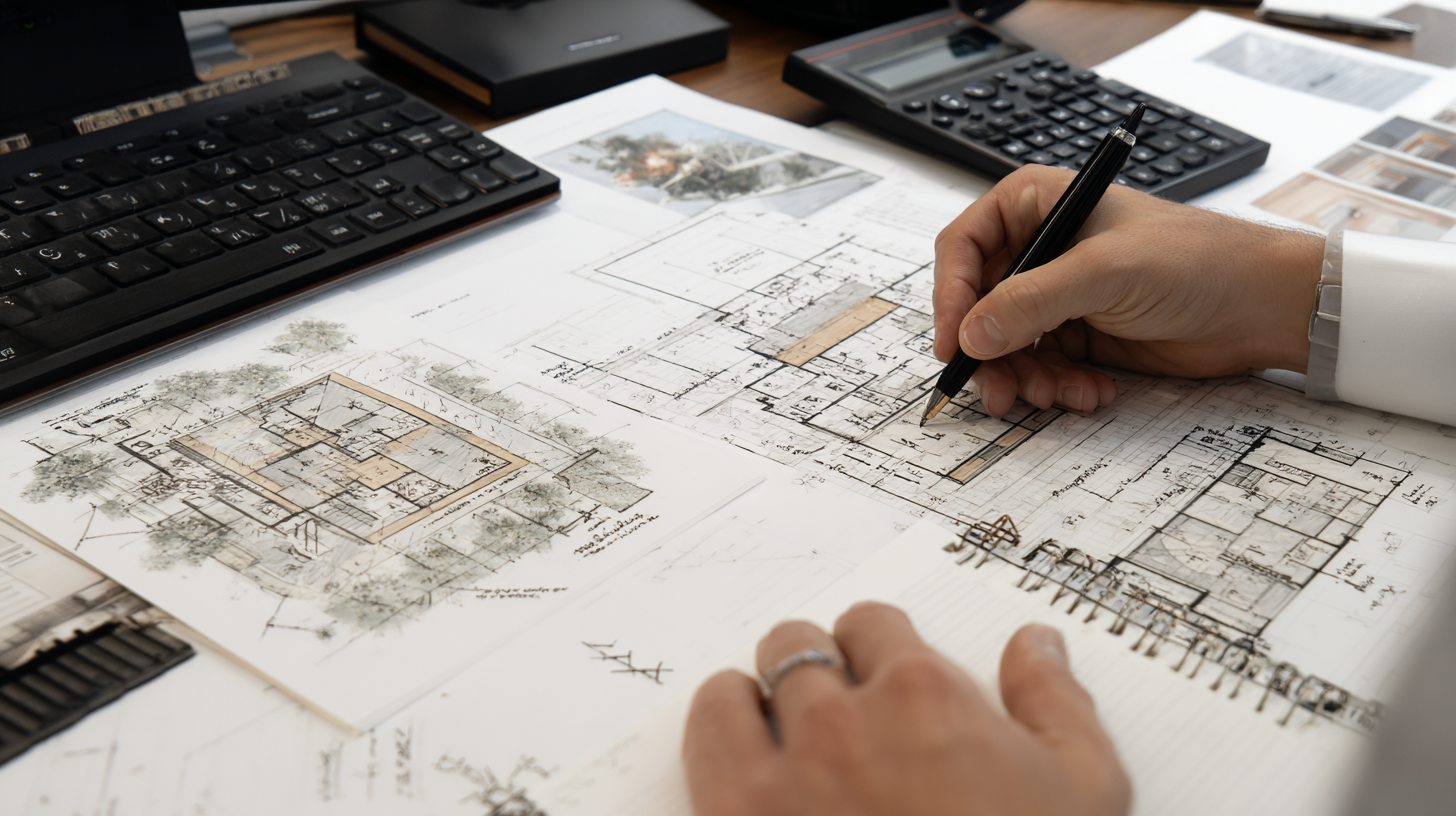
This is the blueprint stage. Plans are drawn, materials are selected, and your contractor pulls permits. This phase feels slow, but it’s the foundation of everything. Rushing here causes chaos later.
Phase 2: Demolition
The fun part! Walls come down, old fixtures go out. It’s also the moment your house looks its absolute worst. Trust the process. It’s like a caterpillar in a cocoon—it has to get messy before it becomes a butterfly.
Phase 3: Rough-In Work
The “guts” go in: electrical wiring, plumbing pipes, HVAC ducts. It’s all behind the walls, but it’s the most crucial work for functionality. Inspections happen here.
Phase 4: Insulation, Drywall, & Surfaces
The skeleton gets its skin. Walls go up, texture is applied, and the space starts to look like a room again. Then come the surfaces: paint, tile, flooring.
Phase 5: Finishes & Fixtures
The jewelry! Cabinets, light fixtures, faucets, and hardware are installed. This is where your personality shines through.
Phase 6: Final Walkthrough & Punch List
You and your contractor do a detailed walkthrough. That tiny paint chip? A door that doesn’t latch perfectly? That’s your “punch list.” A reputable remodeling team won’t consider the job done until you do.
Why Local Expertise in Miami Isn’t Just a Buzzword
Building in Miami isn’t like building anywhere else. I’ll say it: if your contractor isn’t deeply familiar with South Florida, you could be in for a world of stress.
- Permitting Maze: Each municipality, from Miami-Dade to Coral Gables, has its own rules. A local general contractor knows the drill.
- Climate Considerations: We build for humidity, heat, and salt air. Material choices and building techniques must account for this.
- Architectural Styles: From classic MiMo to modern waterfront estates, context matters. Your home shouldn’t look like it was plopped in from another state.
This hyper-local knowledge is what we live and breathe at Trusst Construction. We’re not just a construction company; we’re your neighbors. We understand the rhythm of this city, and we build for its unique environment.
Your Top Renovation Questions, Answered
1. How long will my renovation realistically take?
Always add 15-20% to your contractor’s initial timeline. Weather, material delays, and those unseen “surprises” we talked about are all factors. Good communication from your GC about these delays is key.
2. Can I live in my home during the remodel?
It depends on the scale. A bathroom remodel? Probably. A full home remodel? You’ll be camping in a dust cloud. Be honest with yourself about your tolerance for disruption. Sometimes, temporary relocation is a sanity-saver.
3. How do we handle changes once work has started?
Have a formal “change order” process. Any change, in writing, with a clear cost and timeline impact. This protects both you and your contractor from scope creep and misunderstandings.
4. What’s the difference between a remodel and a renovation?
Great question! People use them interchangeably, but there’s a nuance. Renovation often means restoring to a good state (updating a kitchen). Remodeling involves changing the structure or form (knocking down a wall to create an open concept). A true remodeling project usually requires that skilled house remodeling contractor.
So, where does this leave us? Hopefully, a little more empowered and a lot less intimidated. The path to your dream home is a journey of a thousand decisions, but you don’t have to make them alone. Do your homework, trust your gut, and partner with professionals who get you.
And if your journey is bringing you anywhere near the Magic City, remember that local expertise is your secret weapon. For home remodeling services that blend vision with relentless practicality, from a sleek office refurbishment to the cozy residential home additions you’ve been dreaming of, our team at Trusst Construction in Miami is here to turn that daunting to-do list into your new reality. Let’s build something amazing, together. Why not give us a call and start the conversation?
Related Articles
Smart Home Integration For Your New Build Or Remodel
Mudroom Ideas For Miami Homes (Yes, You Need One!)
People Also Ask
The current trend in bathroom design focuses on creating a spa-like sanctuary at home. This means incorporating natural materials like wood and stone, along with warm, earthy tones that replace the stark all-white look. Freestanding soaking tubs and oversized walk-in showers with rainfall showerheads are highly sought after. For a truly modern feel, consider adding smart technology, such as digital shower controls or heated floors. Matte black and brushed brass fixtures are also popular for adding a touch of elegance. When planning a remodel, Trusst Construction recommends prioritizing functionality and moisture-resistant materials to ensure your new space is both beautiful and durable for years to come.
A $10,000 bathroom remodel typically covers a full cosmetic renovation of a standard 5x8-foot space, focusing on high-impact updates rather than structural changes. You can expect new mid-grade porcelain tile flooring, a refreshed tub or shower surround, a modern vanity with a quartz countertop, and a new toilet. This budget usually includes labor for demolition, installation, and basic plumbing adjustments, but not moving walls or relocating fixtures. You might also afford updated lighting and a fresh coat of paint. For a project in Miami, Miami Beach, or Hialeah, Trusst Construction can help you prioritize these upgrades to maximize value within your budget, ensuring quality workmanship on every detail.
As we look toward 2026, bathroom design is shifting toward spa-like wellness and sustainable luxury. Expect to see organic materials like limewash plaster and natural stone taking center stage, paired with warm, earthy tones that create a calming retreat. Smart technology is also becoming a staple, with features like touchless faucets and heated flooring integrated seamlessly for convenience. Another major trend is the return of the wet room, which maximizes space and minimizes grout lines for easier maintenance. For homeowners in Miami, Miami Beach, and Hialeah, moisture-resistant materials are crucial. If you are considering a renovation, Trusst Construction recommends focusing on energy efficiency. For a cost-effective upgrade that boosts both style and savings, our internal article titled Glass Block Walls: Save Up to 30% on Energy Bills With the Retro Feature Smart Homeowners Are Reinstalling highlights a retro feature that is making a strong comeback.
Common bathroom design mistakes often stem from poor planning, such as inadequate ventilation leading to mold, or placing fixtures without considering the door swing. Another frequent error is skimping on storage, which results in cluttered countertops. Overlooking the importance of waterproofing behind tiles is a critical structural flaw. Additionally, choosing trendy but slippery flooring poses a safety hazard. Poor lighting, like a single overhead fixture, creates harsh shadows for grooming. To avoid these pitfalls, always prioritize function and moisture control. For a seamless renovation in Miami, Miami Beach, or Hialeah, Trusst Construction emphasizes a detailed layout review and quality material selection before any work begins.
For a small bathroom, prioritize light colors and large-format tiles to create a sense of space. Use a wall-mounted vanity or a pedestal sink to free up floor area, and consider a sliding barn door instead of a swing door to save valuable square footage. A glass shower enclosure, rather than a curtain, visually expands the room. Maximize vertical storage with recessed niches in the shower and tall, narrow cabinets. Use large mirrors to reflect light and add a skylight or bright LED lighting to eliminate shadows. When planning your layout, Trusst Construction recommends focusing on a clean, clutter-free design with floating fixtures to achieve a modern, airy feel.
For inspiration on bathroom remodels, start by identifying your preferred style, whether that is modern minimalism, classic spa-like retreats, or bold transitional designs. A photo gallery is an excellent tool for visualizing key elements like walk-in showers, freestanding tubs, and floating vanities. When browsing, pay close attention to lighting placement and tile patterns, as these details significantly impact the final look. At Trusst Construction, we recommend saving images that showcase functional layouts, not just aesthetics, to ensure your dream space is practical. Use these visuals as a reference during consultations to help contractors understand your specific taste and material preferences, which streamlines the entire renovation process.
For a modern bathroom in the Miami area, focus on creating a spa-like retreat that combats humidity and heat. Prioritize large-format porcelain tiles with a matte finish to minimize grout lines and enhance the sense of space. Incorporate a floating vanity to give the illusion of more floor area and simplify cleaning. Consider a curbless walk-in shower with a linear drain and a frameless glass panel for a seamless, open look. Use brushed nickel or matte black fixtures to add a sleek, contemporary contrast. To elevate the design, add a backlit LED mirror and a wall-mounted toilet. Natural stone accents, like a quartz countertop, offer durability and a touch of luxury that withstands the local climate. Trusst Construction recommends integrating smart ventilation to prevent mold and ensure your modern design remains pristine for years.
A master bathroom remodel should balance luxury with function. Start by defining a layout that maximizes your space, such as a curbless walk-in shower with a glass panel and a freestanding soaking tub as a focal point. For materials, large-format porcelain tiles minimize grout lines and create a seamless, spa-like aesthetic. Consider a floating double vanity with soft-close drawers to enhance storage and ease of cleaning. For lighting, layer ambient recessed lights with task lighting on either side of the mirror to reduce shadows. Heated flooring is a worthwhile upgrade for comfort. When planning your project, Trusst Construction recommends prioritizing waterproofing and ventilation to protect your investment, ensuring your new retreat remains durable and beautiful for years to come.
For small bathroom inspiration, focus on galleries that highlight space-saving fixtures, such as wall-mounted vanities and corner showers. Look for photos featuring large-format tiles and glass enclosures, which visually expand the area. A floating shelf above the toilet adds storage without bulk, while a pedestal sink opens up floor space. Consider a pocket door to reclaim swing space. When reviewing images, note how lighting, like a backlit mirror, creates depth. If you are planning a remodel in Miami, Miami Beach, or Hialeah, Trusst Construction can help you translate these visual ideas into a functional, code-compliant layout tailored to your home’s footprint.