
Let’s be honest, we’ve all fallen down the rabbit hole of home improvement shows. One minute you’re casually watching, the next you’re convinced your bathroom needs a waterfall feature and your kitchen requires a pizza oven. It’s a thrilling fantasy, but then reality hits: the actual process of remodeling feels about as clear as mud. Where do you even start? Do you need one contractor or fifteen? And what’s this project really going to cost?
We get it. We’ve been in your shoes, and now we’re on the other side of the tool belt. At Trusst Construction, our team in Miami has navigated every kind of remodeling puzzle you can imagine. We’re here to pull back the curtain and walk you through the real, no-BS steps of planning a successful renovation. Think of this as a friendly chat over coffee, not a boring manual.
Table of Contents
The “Before You Swing a Hammer” Blueprint
You wouldn’t start a road trip without a map (well, most of us wouldn’t). The same goes for remodeling. This phase is all about dreaming smart and planning smarter.
First, Define Your “Why”
Are you updating for future resale? Creating your forever-home sanctuary? Or just finally fixing that 1980s kitchen that haunts your dinner parties? Your goal dictates your budget and scope. A quick cosmetic refresh is a different beast than a full home remodel.
Budgeting: The Unsexy Truth
Alright, let’s talk numbers. It’s the part everyone loves to hate. The key is to be brutally honest with yourself from day one. Get a rough idea of the price range for projects like yours in South Florida. Then, and this is crucial, add a contingency of 15-20%. Surprises love old Miami homes more than we love café con leche. A good general contractor will help you build a realistic budget, not a fairy-tale one.
Finding Your Renovation Quarterback
This is arguably your most important decision. You’re not just hiring labor; you’re hiring a project manager, a negotiator, and a problem-solver. Do you need a specialist like a bathroom remodeler, or a house remodeling contractor who can handle the whole symphony? For most projects beyond a single room, a general contractor is your best bet. They manage all the subs, permits, and timelines so you don’t have to. IMO, this is where a best remodeling company proves its worth—they turn chaos into a checklist.
Design & Permits: The Necessary Hurdles
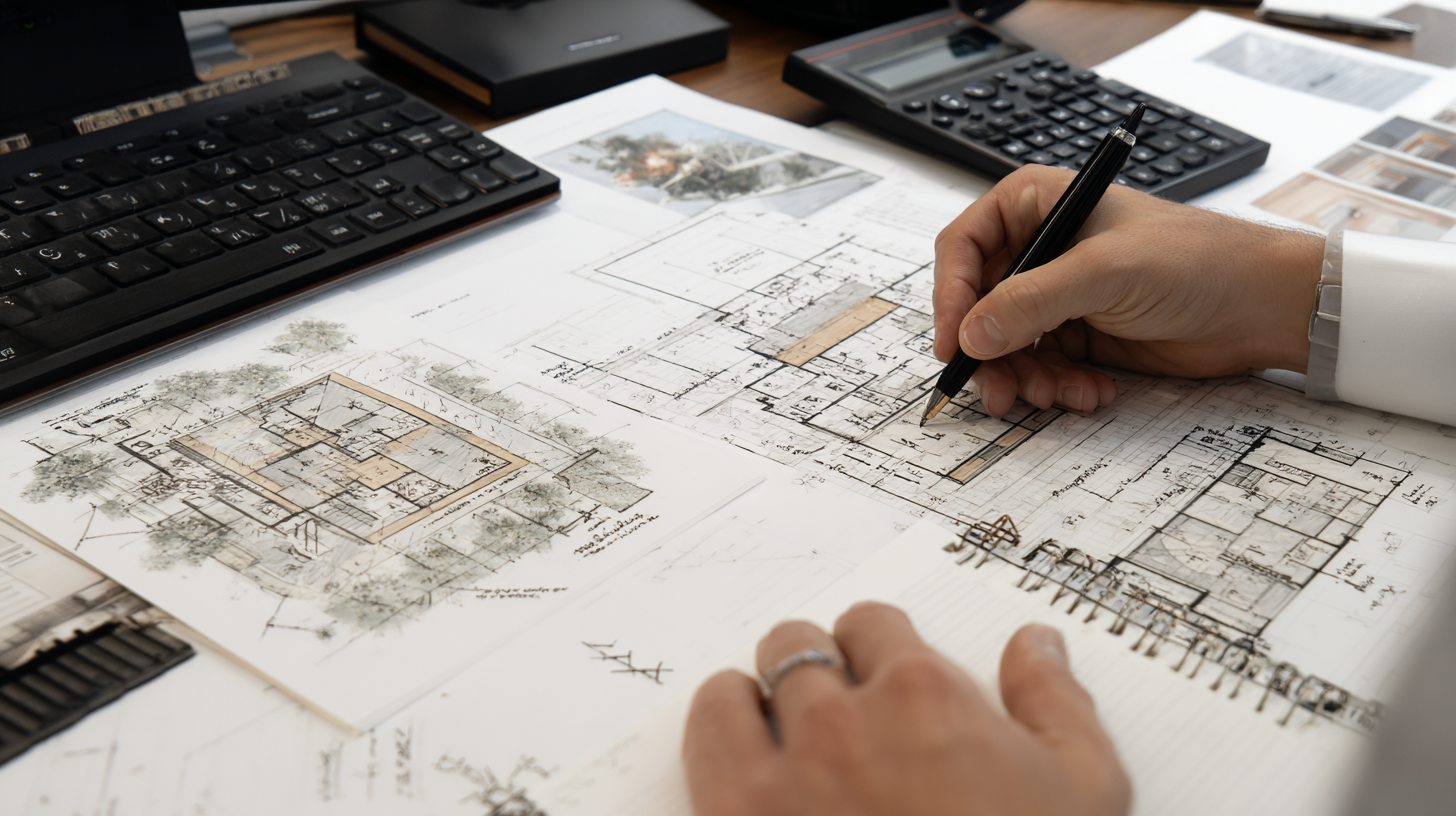
Will you work with an architect or designer? Or does your construction company offer design-build services? Once you have plans, the permit process begins. A great contractor navigates this for you. Pro tip: If your contractor suggests skipping permits to save time or cost… run. The headaches down the road aren’t worth it.
The Nitty-Gritty: What Actually Happens During Construction
So, you’ve picked your team, finalized plans, and packed up your china. Now the fun (and dust) begins. Here’s a typical flow, though every project has its own personality.
Demolition: Controlled Chaos
It’s cathartic to watch a wall come down! But a professional crew does this strategically, protecting what stays and properly disposing of debris. It’s not just swinging sledgehammers willy-nilly.
The Rough-Ins: The Invisible Heroes
This is where the magic happens behind the walls and floors. Plumbing, electrical, HVAC, and framing. It doesn’t look pretty yet, but it’s the backbone of your project. A great renovation contractor has stellar sub-contractors for this phase.
Insulation, Drywall, and the “It Looks Like a Room!” Phase
After inspections, the walls close up. Insulation goes in, drywall goes up, and suddenly the space takes shape. It’s a major morale booster. Then comes the mudding, sanding, and priming—the dusty but crucial steps for flawless walls.
Finishes: Where Personality Shines
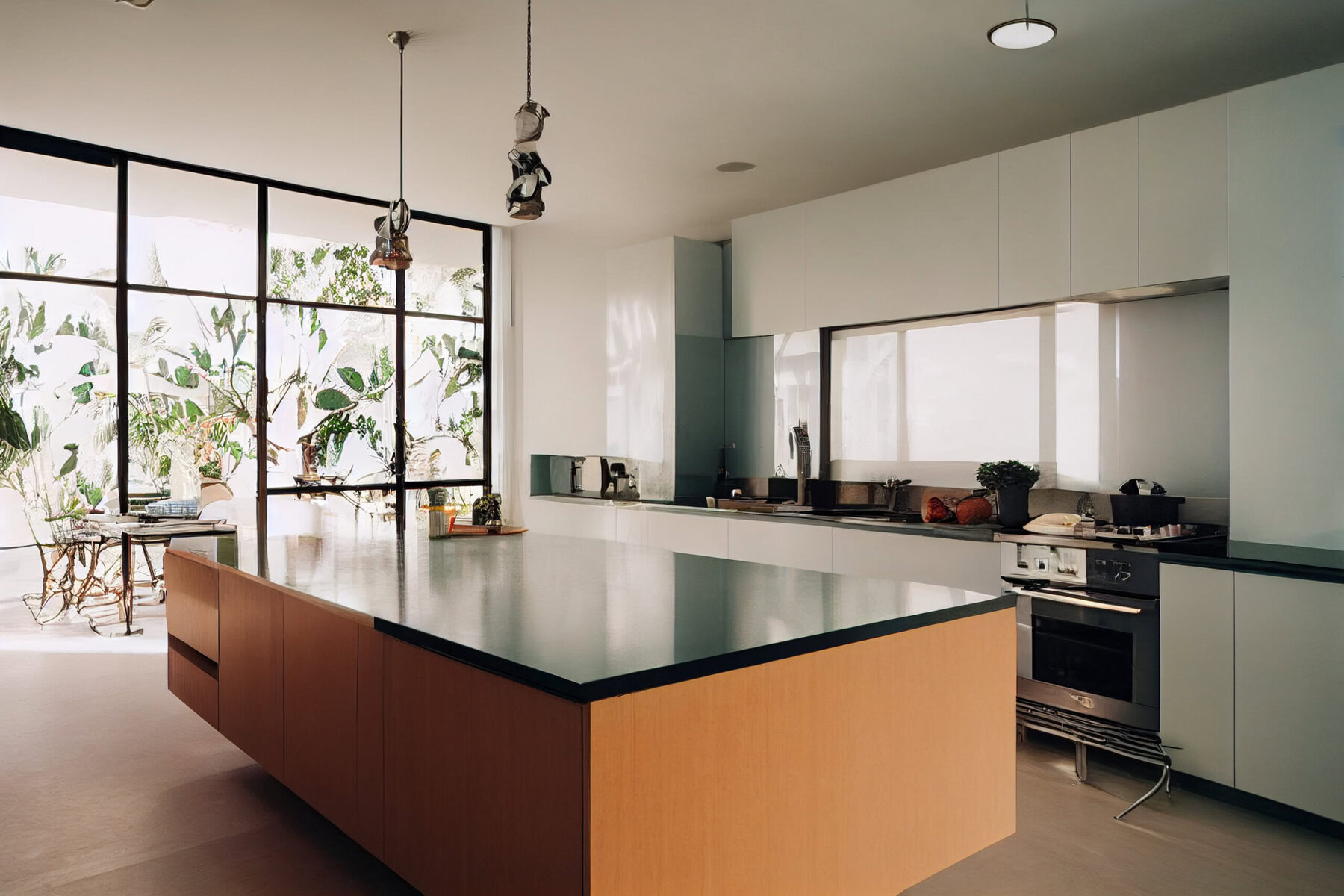
Now for the good stuff! Flooring, cabinets, countertops, tile, paint, and fixtures. This is where your vision comes to life. Decisions you made months ago finally materialize. It’s thrilling, but it requires precise coordination—another reason having a pro like Trusst Construction manage the schedule is a game-changer.
Final Touches & Punch List
Installation of appliances, lighting, mirrors, and hardware. Then, you and your contractor do a detailed walk-through to note any tiny adjustments needed—a paint touch-up, a grout line, a door that sticks. This “punch list” ensures perfection before final sign-off.
Residential vs. Commercial: It’s a Different Ballgame
Ever wondered if the process is the same for an office refurbishment as it is for a bathroom remodel? Not quite. While the core principles are similar, the devil’s in the details.
Let’s break it down quickly:
| Aspect | Residential Home Additions / Remodel | Commercial Contractor Projects (Like Office Refurbishment) |
|---|---|---|
| Primary Focus | Personal lifestyle, comfort, and aesthetics. | Functionality, efficiency, branding, and return on investment. |
| Decision Makers | Homeowner/family. Process can be emotional. | Business owners, stakeholders, facility managers. Process is business-driven. |
| Timeline | Often more flexible, but can be disrupted by family life. | Usually stricter, as downtime directly impacts revenue. Often requires night/weekend work. |
| Permits & Codes | Residential building codes. | Often more complex commercial codes, ADA compliance, and zoning laws. |
| Communication | Direct with homeowner. | May involve a chain of command within a company. |
See the difference? A commercial contractor is managing not just construction, but business continuity. For our residential home additions clients in Miami, we’re often working around family vacations and soccer practice. Different rhythms, same dedication to a flawless finish.
Your Top 4 Remodeling Questions, Answered
We hear these all the time. Let’s clear them up.
1. How long will my remodel actually take?
Honestly? Longer than you hope, but shorter than if you tried to manage it yourself. A simple bathroom might take 4-6 weeks. A full home remodel could be 4-6 months. The timeline depends on scope, material availability, and permit speed. A detailed schedule from your general contractor is your best friend.
2. How do I avoid blowing my budget?
Three words: Contingency, contingency, contingency. Also, make your material selections early to avoid last-minute, expensive changes. And work with a transparent construction company. We at Trusst Construction provide clear, upfront estimates and communicate about any potential changes before we proceed.
3. Should I live in my home during the remodel?
For a small project, maybe. For a large one, we don’t recommend it. The dust, noise, and lack of a kitchen or bathroom are major stressors. It’s worth budgeting for temporary housing to keep your sanity. Trust us on this one 🙂
4. How do I choose the right contractor?
Look beyond the price. Check licenses and insurance thoroughly. Read reviews and, most importantly, ask for and contact past client references. Look for a team that communicates clearly and makes you feel trussted (see what we did there?). You want a partner, not just a vendor.
Wrapping It Up: Your Dream, Built Right
Phew, that was a lot, but hopefully, it demystifies the journey. A successful remodel isn’t about avoiding surprises—it’s about having a skilled team that handles them seamlessly. It’s about turning the stressful into the exciting.
Whether you’re looking for a bathroom remodeler, planning residential home additions, or need a commercial contractor for an office refurbishment, the principles of good planning, clear communication, and expert execution remain king.
If you’re near Miami and feeling overwhelmed, just remember: you don’t have to figure it all out alone. The right home remodeling services should guide you, not just work for you. We built Trusst Construction on that exact idea—to be the guide you can trusst from blueprint to final walk-through. So, when you’re ready to turn those daydreams into dust-free reality, you know who to call. Let’s build something amazing together.
Related Articles
People Also Ask
Yes, converting a garage into a living space is legal, but it requires strict adherence to local zoning codes and building permits. In Miami, Miami Beach, and Hialeah, you must first verify if your property’s zoning allows for the change, as some areas restrict conversions to preserve parking or residential density. You will need permits for electrical, plumbing, and structural modifications, and the space must meet Florida Building Code requirements for ceiling height, egress windows, and HVAC. A licensed contractor, like Trusst Construction, can help navigate these municipal requirements, but you must also consider impact fees and potential property tax reassessment. Always consult your local building department before starting work to avoid fines or forced restoration.
Converting a garage into a habitable room in Miami, Miami Beach, or Hialeah typically costs between $15,000 and $40,000, depending on scope. A basic conversion (insulation, drywall, flooring, and a new HVAC split) starts around $15,000, while adding a bathroom, upgraded electrical panel, or impact windows pushes costs higher. You must also factor in permit fees, which vary by municipality, and potential impact fees. Structural work, like raising the floor or reinforcing the slab for moisture, adds 20-30%. At Trusst Construction, we always recommend budgeting an extra 10% for unforeseen issues, such as outdated wiring or termite damage, which are common in older South Florida homes. Always obtain a licensed contractor’s bid before starting.
Converting a garage into living space is a major project, and the cheapest approach involves keeping the existing footprint and structure intact. The most cost-effective method is a "warm shell" conversion, where you insulate the walls and ceiling, install a proper subfloor over the slab, and add drywall. You must also address the garage door by removing it and framing in a wall with a standard entry door and window. To save money, avoid moving plumbing or adding a bathroom, as that is the largest expense. Instead, focus on extending existing electrical circuits for lighting and outlets. Always check local Miami zoning laws and obtain permits, as unpermitted work will cost more later. For a reliable estimate tailored to Miami-Dade codes, Trusst Construction can provide a detailed scope for a budget-friendly conversion.
Converting a garage into living space can be a smart investment, but it depends on your goals. In Miami, Miami Beach, and Hialeah, this conversion adds valuable square footage, often increasing property resale value significantly. However, it is not a simple DIY project. You must address zoning laws, permits, and parking requirements specific to your municipality. Additionally, you need to consider HVAC extension, insulation for our humid climate, and potential structural changes to the floor or walls. A professional assessment is crucial to avoid costly mistakes. At Trusst Construction, we recommend evaluating your long-term needs versus the upfront cost, which typically ranges from $30,000 to $80,000 depending on finishes and complexity. If you need a home office or rental unit, it is usually worth it, but always consult a licensed contractor first.
Transforming a garage into a livable space is a popular renovation, but Reddit threads often highlight the hidden complexities. Before you start, check your local zoning codes in Miami, Miami Beach, or Hialeah, as many areas restrict garage conversions unless you add off-street parking. You will also need permits for electrical, plumbing, and structural changes, especially if you are adding a bathroom or kitchenette. Insulation and moisture control are critical in South Florida, so invest in proper vapor barriers and AC ducting to prevent mold. Flooring must be raised or treated to handle potential flooding. For a seamless result, Trusst Construction recommends hiring a licensed contractor who understands local hurricane and flood codes, as DIY attempts often fail final inspections.