Ever stared at a cracked tile in your bathroom and thought, “I can’t live like this anymore”? Or maybe you’ve dreamed of a kitchen that doesn’t feel like it’s from a 1980s time capsule. We get it. We’ve been there, both as homeowners and as the folks who get called to fix it all. Let’s talk about turning that “ugh” into “wow,” and why the journey from dream to reality is less about swinging a hammer and more about choosing the right partner for the swing.
Table of Contents
Why “Just Any Contractor” is a Recipe for Regret
We’ve all heard the horror stories, right? The project that never ends, the budget that balloons like a birthday party gone wrong, the mysterious disappearance of the crew for “just a few days” that turns into weeks. It’s enough to make you want to live with that pink bathtub forever.
The truth is, a successful remodeling project hinges on one critical decision long before the first wall comes down: picking your team. This isn’t just about hiring labor; it’s about hiring a manager, a communicator, a problem-solver, and a visionary who can translate your Pinterest board into a livable, loveable space. A true general contractor does way more than schedule subcontractors. They own the process, the cost clarity, and the timeline, so you don’t have to lose sleep over it.
The Trusst Construction Difference: It’s in the Blueprint (and the Coffee)
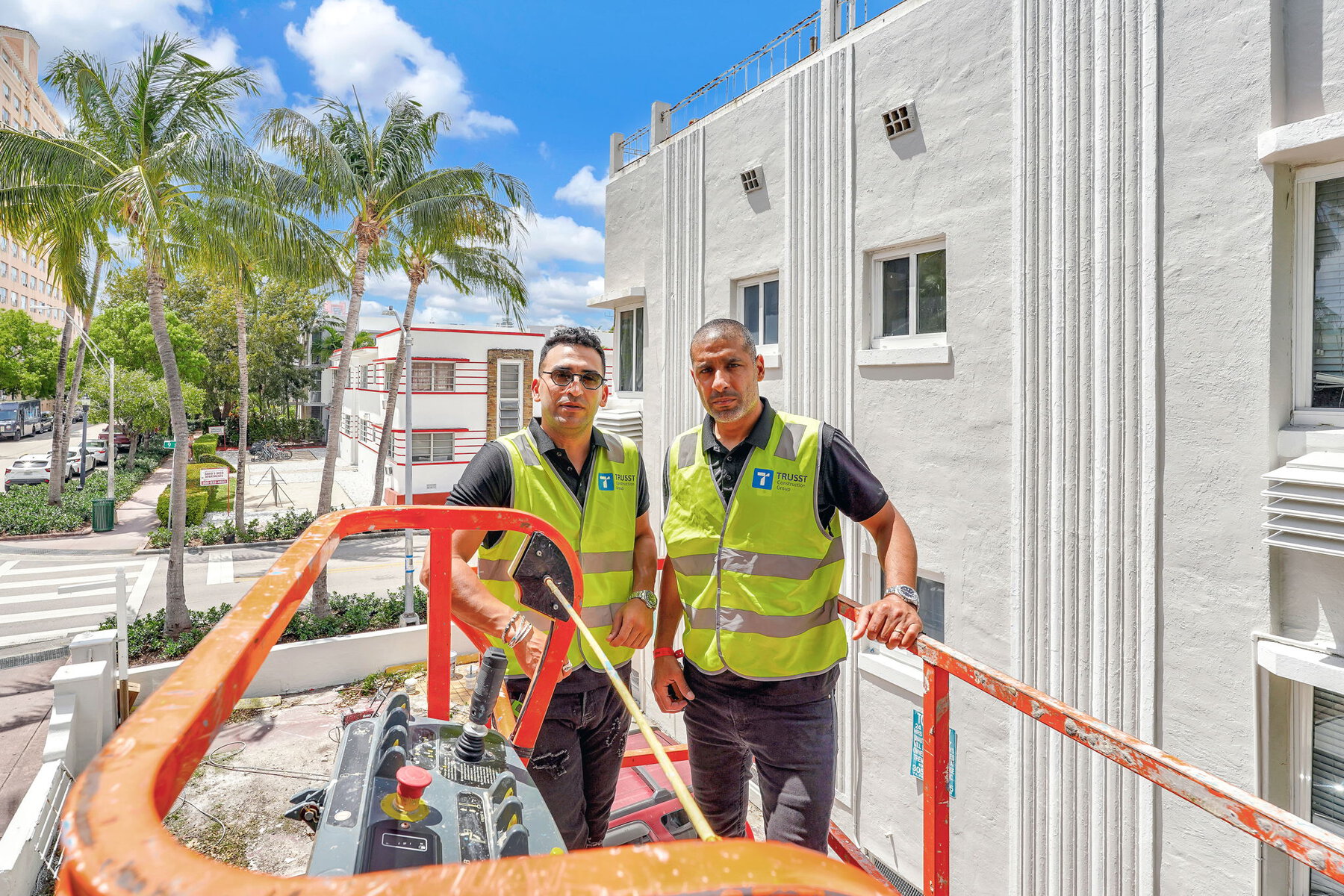
Okay, let’s get a little personal. We started Trusst Construction here in Miami because we were tired of seeing our neighbors get the short end of the stick. We wanted to build a construction company that operated on, well, trust. Shocking, we know. For us, that means a few non-negotiables:
- No Ghosting, Only Talking: We promise you’ll never play “Where’s Waldo?” with your project manager. Regular updates are our religion.
- The Price is The Price: We’re obsessed with transparent, detailed proposals. The price we give you is the price you pay, barring any “oh wow, what’s behind this wall” discoveries that we’ll discuss together.
- We’re Your Advocates: From pulling permits in the maze of Miami regulations to sourcing materials, we handle the headaches. You just handle picking out the finish you love.
Whether you need a top-tier bathroom remodeler or a team for a full home remodel, the principle is the same. It’s about building a relationship first, so the construction part feels effortless. Think of us as your guide through the jungle of remodeling decisions.
Residential vs. Commercial: It’s Not Just About the Furniture
A lot of folks think a renovation contractor is a renovation contractor, but the skill sets for home and business projects are worlds apart. It’s like comparing a heart surgeon to a brain surgeon—both are brilliant, but you want the specialist for your specific need.
For your home, it’s about emotion, personal flow, and creating a sanctuary. We’re talking about residential home additions that feel like they were always there, or a master suite remodel that becomes your daily retreat. The focus is on livability and personal taste.
Now, for a business—be it an office refurbishment or a retail build-out—the calculus changes. It’s about downtime, branding, employee productivity, and ROI. Every day the space is under construction is a day you’re not open for business. A skilled commercial contractor plans with surgical precision to minimize disruption and maximize efficiency. The team at Trusst Construction thrives in both arenas because we respect the distinct rhythms of each. We don’t just build spaces; we build homes and we build businesses.
Decoding the Budget: What Are You Really Paying For?
Let’s tackle the elephant in the room: cost. Why does one quote seem affordable and another makes you spit out your coffee? It usually comes down to what’s in the quote. A low number might be missing critical items like permit fees, waste disposal, or quality materials. You get what you pay for, and in construction, paying for expertise saves you money in the long run.
Here’s a quick breakdown of where your investment typically goes in a major project like a full home remodel:
| Cost Category | Typical % of Budget | What It Covers (The Nitty-Gritty) |
|---|---|---|
| Labor & Expertise | 30% – 40% | This is for the skilled pros—carpenters, electricians, plumbers. It’s the single biggest value a general contractor provides: a vetted, reliable team. |
| Materials & Products | 30% – 35% | Cabinets, flooring, fixtures, lumber, drywall. This is where quality choices directly impact longevity and look. |
| Management & Overhead | 15% – 20% | Permits, insurance, project supervision, site protection. This isn’t “fluff”; it’s what keeps the project legal, safe, and on track. |
| Contingency | 10% – 15% | The “just-in-case” fund for unforeseen issues (hello, antique plumbing!). A reputable contractor will always include this. |
See? When you break it down, you understand you’re investing in a system, not just a service. The goal of any best remodeling company should be to deliver maximum value within each of these buckets.
Your Questions, Answered (No Corporate Jargon, We Promise)
We hear the same great questions all the time. Let’s tackle a few head-on.
1. How long will my project really take?
Honestly? It depends on the scope, permit timelines (especially here in South Florida), and material availability. A straightforward bathroom remodeler project might be 3-4 weeks. A full home remodel could be several months. The key is the timeline in your contract. A good house remodeling contractor will give you a realistic schedule and stick to it like glue, communicating any hiccups immediately.
2. Should I get multiple bids?
Absolutely. But IMO, don’t just compare the bottom-line number. Compare the details. Is one general contractor including higher-end fixtures? Is another skipping permit costs? The cheapest bid is often the most expensive mistake. Look for completeness and clarity.
3. How do we handle changes once work starts?
Life happens. You see a new tile you love, or you want to move an outlet. Any reputable renovation contractor will have a formal “change order” process. It outlines the new work, the adjusted cost, and any timeline impact. This keeps everyone on the same page and avoids “he said, she said” at the end.
4. Why can’t I just be my own general contractor?
You technically can. But FYI, are you ready to coordinate a dozen different trades, source all materials, rent porta-potties, handle daily problem-solving, and manage inspections? It’s a full-time job with a steep learning curve. Most people find that hiring a pro like Trusst Construction actually saves them money, time, and their sanity. We do the heavy lifting so you can keep living your life.
The Final Walk-Through: It’s More Than a Checklist
When the dust settles and the new paint smell is all that’s left, the final walk-through is your moment. This isn’t just a quick glance. It’s your time to test every outlet, open every cabinet, and inspect every finish. A great contractor will walk with you, notarizing a punch list of any tiny items that need tweaking. Our philosophy? The project isn’t done until you’re 100% thrilled. That’s the standard we hold ourselves to with every home remodeling services project, big or small.
So, what’s the takeaway? Transforming your space is one of the most rewarding things you can do. It’s also a complex dance of planning, expertise, and communication. The right partner makes it feel like a well-choreographed performance. The wrong one feels like a mosh pit. If you’re in the Miami area and dreaming of a change—whether it’s a kitchen refresh, an office refurbishment, or anything in between—we’d love to chat. Let’s grab a coffee and talk about how we can build something amazing, together. Trusst us, it makes all the difference 🙂
Related Articles
People Also Ask
No, natural light is not "Bud Light." Natural light refers to sunlight that enters a building through windows, skylights, and doors, providing illumination without artificial sources. In construction and design, maximizing natural light is a key strategy for enhancing indoor comfort, reducing energy costs, and improving curb appeal. For South Florida homeowners, choosing the right window styles is especially important due to the region's intense sun and humidity. Trusst Construction recommends selecting energy-efficient windows that balance light intake with heat reduction. For a detailed guide on this topic, please refer to our internal article How to Choose Window Styles That Maximize Natural Light, Boost Curb Appeal, and Slash Energy Bills – A South Florida Homeowner’s Complete Guide, which covers how to choose window styles that maximize natural light, boost curb appeal, and slash energy bills.
Natural light refers to illumination that originates from the sun, either directly or indirectly, as opposed to artificial sources like lamps or fixtures. In construction and architecture, natural light is a key design element because it enhances visual comfort, reduces reliance on electrical lighting, and can improve energy efficiency. It enters a building through windows, skylights, and glass doors, and its quality varies based on orientation, time of day, and seasonal changes. For projects in Miami, Miami Beach, and Hialeah, maximizing natural light is especially important due to the region's abundant sunshine. At Trusst Construction, we prioritize strategic window placement to balance brightness with heat control, ensuring comfortable, well-lit spaces that comply with local building standards.
When planning for natural light in a new construction or renovation, the placement and style of windows are critical. South-facing windows capture the most daylight throughout the day, while larger casement or picture windows can flood a room with brightness without sacrificing energy efficiency. You should also consider high-performance glazing with low-E coatings to reduce heat gain while maximizing visible light transmittance. For a comprehensive look at balancing aesthetics, energy savings, and light optimization, Trusst Construction recommends reviewing our internal article titled How to Choose Window Styles That Maximize Natural Light, Boost Curb Appeal, and Slash Energy Bills – A South Florida Homeowner’s Complete Guide. This guide covers everything from window orientation to frame materials, ensuring your home stays bright and comfortable without driving up your cooling costs.