
Ever stared at a crack in your ceiling or a kitchen that feels like it’s from a different decade and thought, “Where on earth do we even start?” You’re not alone. We’ve all been there, standing in the middle of a space that just doesn’t work, feeling equal parts inspired and utterly overwhelmed. The dream of a home that perfectly fits your life is powerful, but the path to getting there? That can feel like a maze with no map. Well, consider this your friendly guide from someone who’s been navigating this world for years. Let’s talk about turning that “what if” into “wow,” without losing our minds (or our life savings) in the process.
Table of Contents
The Great Renovation Dilemma: DIY vs. Calling in the Pros
So, you’re ready for a change. The first crossroad we all hit is the classic debate: roll up our sleeves or pick up the phone? We get it—there’s a certain YouTube-fueled confidence that makes us believe we can tile a shower. And hey, for a small backsplash or painting a room, maybe you absolutely can. But let’s be real for a second.
Major remodeling is a different beast. It’s a symphony of trades—plumbers, electricians, carpenters—all needing to play in perfect harmony. One misstep in sequencing, and you’ve got the drywall guy waiting on the electrician who’s waiting on the inspector. Suddenly, your two-week bathroom remodeler fantasy is a three-month nightmare. This is where the value of a seasoned general contractor becomes crystal clear. They’re the conductors of that symphony, ensuring every note hits at the right time.
Think of it this way: we wouldn’t perform our own root canal to save on the cost, right? Some things are just best left to professionals who have the tools, the team, and the know-how. A great construction company doesn’t just swing hammers; they manage timelines, budgets, and a small army of specialists so you don’t have to. IMO, that peace of mind is worth its weight in gold… or in this case, in well-installed tile.
Budget Talk: Making “Affordable” Actually Mean Something
Let’s cut to the chase: the price is a huge factor. The word “affordable” gets thrown around a lot in our industry, and sometimes it feels as meaningless as “artisanal” on a bag of chips. What does it really mean? For us, it’s about transparency and value, not just the lowest bid.
A trustworthy renovation contractor will help you understand where your money goes. They’ll break down costs so you can make informed choices. Want that premium Italian tile? Awesome, maybe we balance it with a standard, high-quality fixture to keep the overall project affordable. It’s all about smart allocation.
Here’s a little insider perspective: the most common budget-buster isn’t the materials; it’s the “while you’re at it” syndrome. You know, “While you’re tearing out this wall, maybe we should also move the plumbing over there…” Those little changes add up faster than a bar tab on South Beach. A clear plan and a fixed scope of work are your best friends. A company like ours, Trusst Construction here in Miami, builds its estimates on clarity, so you’re not facing surprise invoices halfway through. FYI, that’s a hallmark of the best remodeling company you can partner with.
The Trusst Blueprint: How a Full-Service Team Actually Works
Okay, so we’ve decided a pro is the way to go. What should we expect from a top-tier partner? Whether it’s a full home remodel or a specific project like residential home additions, the process should feel collaborative, not chaotic.
Our typical flow looks something like this:
- The Discovery Chat: We sit down (coffee is encouraged) and just listen. What drives you nuts about your current space? How do you actually live? This isn’t about us selling a service; it’s about us understanding your puzzle.
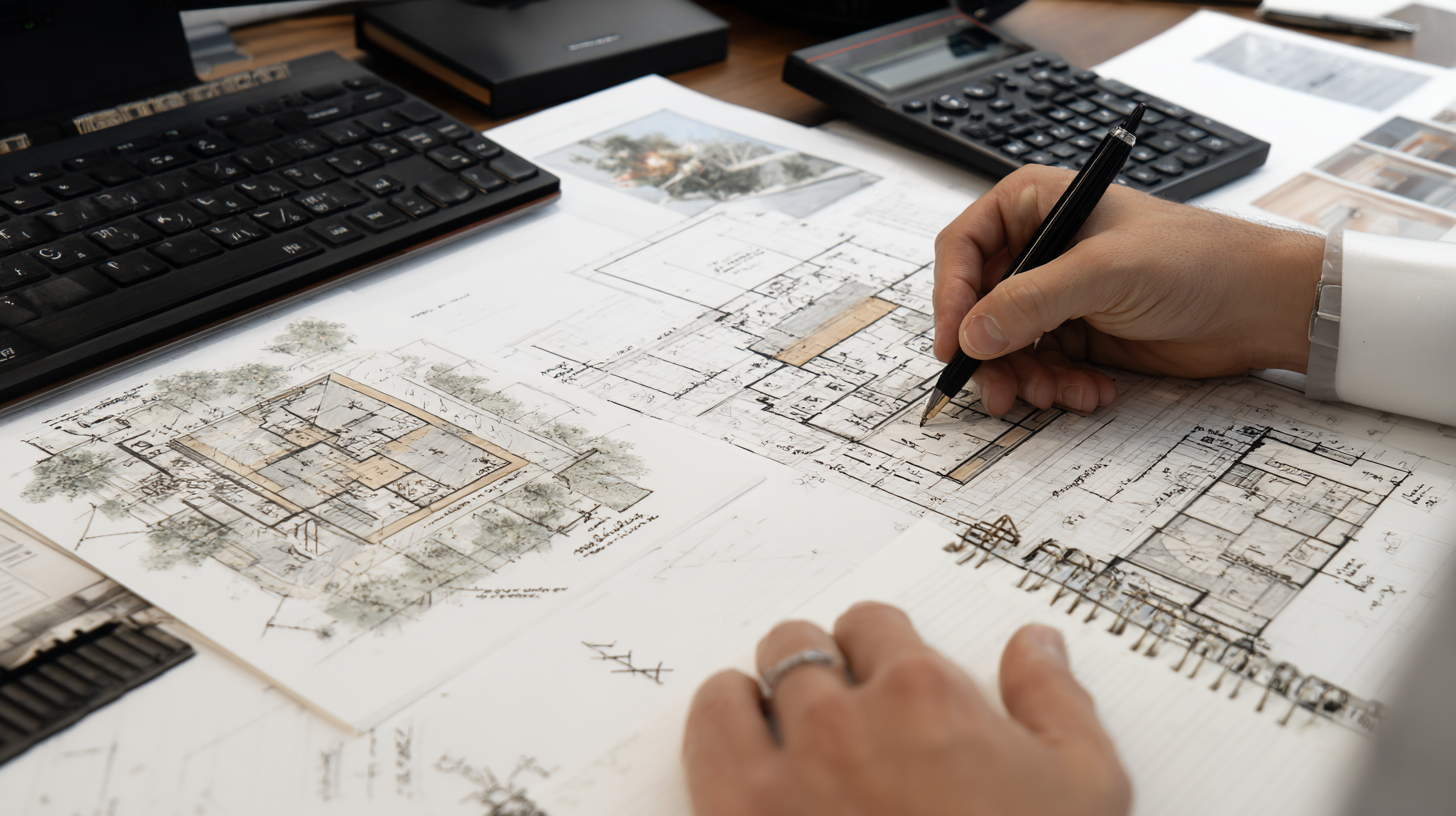
- The Plan & The Promise: We translate your vision into a detailed plan and a realistic timeline. This is where we get specific about cost and lock in a scope. No foggy promises here.
- The Build (Where the Magic Happens): Our team takes over. We handle permits, deliveries, and the daily orchestration. Our job is to make the process as seamless for you as possible. Got a question? You have a direct line. It’s why folks in Miami looking for a reliable house remodeling contractor keep coming back to a team that communicates.
- The Final Reveal: This is the best part. Handing over the keys to a space that’s not just new, but truly yours.
And it’s not just about houses. The same principles of clear communication and meticulous management apply if you’re a business owner needing an office refurbishment or commercial contractor services. A dysfunctional office layout can sink productivity faster than a slow internet connection. We treat Commercial Build-Outs projects with the same care we give homes, because your business deserves a space that helps it thrive.
Residential vs. Commercial: It’s Not Just About the Tools
You might wonder, “Can’t any general contractor do both my home and my business?” Technically, maybe. But there’s a different rhythm and set of challenges to each. Think of it like a chef who excels at both delicate pastries and massive banquet catering—the core skills are there, but the execution is different.
Here’s a quick breakdown:
| Aspect | Residential Home Remodeling Services | Commercial Contractor / Office Refurbishment |
|---|---|---|
| Focus | Personal taste, lifestyle, emotional connection. | Function, brand image, employee workflow, ROI. |
| Timeline | Often more flexible, but living on-site adds pressure. | Usually stricter, tied to business cycles & lease agreements. |
| Regulations | Residential building codes, homeowner association rules. | Often stricter commercial codes, ADA compliance, zoning. |
| Communication | Typically with homeowners or a family. | Can involve multiple decision-makers, facilities managers, or boards. |
| Work Hours | Standard daytime hours to respect the household. | May include after-hours or weekend work to minimize business disruption. |
The point is, experience in one area informs but doesn’t automatically equate to mastery in the other. At Trusst Construction, we’ve built dedicated teams that specialize in these different worlds, ensuring the right expertise is applied to your unique project, whether it’s a cozy bathroom remodeler job or a full-scale office refurbishment.
Your Burning Questions, Answered (No Fluff)
Let’s tackle some of the big questions we hear all the time.
1. How long will my remodeling project really take?
Honestly? It depends on the scope, permit timelines (especially near coastal areas or historic districts), and material availability. A straightforward bathroom might take 3-4 weeks. A full home remodel could be 4-6 months. The key is to work with a contractor who gives you a detailed timeline upfront and, more importantly, communicates proactively if anything shifts. We’d rather give you a realistic date and hit it than a fantasy date and miss it.
2. How do I vet a remodeling company properly?
Look beyond the shiny portfolio. Ask for recent references and actually call them. Check licenses and insurance (this is non-negotiable). Look at online reviews, but read between the lines. Do they mention cleanliness, communication, and problem-solving? That tells you more than a generic “great job!” And always, always get a detailed, written contract.
3. What’s the best time of year to start a renovation in Miami?
Our “off-season” is technically the hot, rainy summer. But in reality, with proper planning, you can start a project any time. The advantage of starting in the slower periods? Contractors might have more scheduling flexibility. The downside? Afternoon thunderstorms can be a party crasher for exterior work. It’s a trade-off.
4. Can I live in my home during a major remodel?
You can, but you have to go into it with the right mindset. It’s dusty, noisy, and an exercise in patience. For a kitchen remodel, set up a temporary kitchenette elsewhere. For a full home remodel, you might need to plan to be away for certain phases. A good contractor will help you strategize on how to make it livable and will always secure the work area for safety.
Wrapping It All Up: Your Space, Your Story
At the end of the day, remodeling isn’t just about new countertops or an extra bedroom. It’s about editing the stage where your life happens. It’s about creating a home that reduces your daily friction or a workspace that sparks your team’s best ideas. It’s a significant journey, but it doesn’t have to be a scary one.
The secret is finding a partner who sees your vision as clearly as you do, who talks straight about cost and timeline, and who has the skill to bring it all together without the classic contractor horror stories. That’s the standard we hold ourselves to every day at Trusst Construction. We’re not just builders; we’re your translators, turning those “what ifs” into a space you absolutely love.
So, what’s your “what if”? Let’s have a real conversation about it.
Related Articles
Build a Resilient, Cost-Saving Eco-Friendly Home in Miami: The Complete Guide to Sustainable Construction
Case Study: A Complete Commercial-to-Residential Conversion In Wynwood
Save Time, Money, and Stress: The 15 Non‑Negotiable Questions to Ask Before Hiring a Commercial Contractor in South Florida
How to Design a Medical Office That Boosts Patient Satisfaction & Retention
The 5 Best Hello Chapter LLC Alternatives For Miami Remodeling: Why Trusst Construction Tops The List
Your Guide to Coral Gables Historic Home Renovation: How We Preserve Character, Add Value, and Navigate City Codes Without the Stress
People Also Ask
In construction, a build-out refers to the process of transforming a raw or unfinished commercial or residential space into a functional, finished area ready for use. This typically involves installing walls, flooring, ceilings, electrical systems, plumbing, and HVAC to meet specific design and occupancy requirements. For homeowners, a common example is converting an unfinished garage or basement into a livable room. At Trusst Construction, we specialize in these projects, ensuring all work complies with local Miami, Miami Beach, and Hialeah codes. For a detailed breakdown of costs and steps involved in such a transformation, please refer to our internal article titled Garage to Living Space Conversion Costs in South Florida — Pricing & Complete Guide.
In commercial construction, the party paying for a full build-out depends entirely on the lease agreement. Typically, the landlord covers the cost of a "turnkey" build-out, where they fund the construction and recoup the investment through higher base rent over the lease term. Alternatively, a tenant improvement allowance is common: the landlord provides a set dollar amount per square foot, and the tenant pays for any costs exceeding that budget. For residential projects, the homeowner is responsible for all costs. At Trusst Construction, we always recommend reviewing your contract carefully to determine financial responsibility before breaking ground. For detailed guidance on local projects, our internal article titled ADU Construction in Miami-Dade County: The Most Complete Zoning, Permitting, and Turnkey Cost Guide for 2026 provides comprehensive cost breakdowns for Miami-Dade County.
The 30% rule for renovations is a financial guideline suggesting that you should not spend more than 30% of your home's current market value on a major renovation project. This principle helps ensure your investment does not overcapitalize the property, meaning you could struggle to recoup the cost if you sell. For example, if your home is valued at $300,000, your renovation budget should ideally not exceed $90,000. This rule is particularly relevant for kitchen and bathroom remodels, which are high-cost, high-impact areas. At Trusst Construction, we always advise clients to consider their local market conditions in Miami, Miami Beach, and Hialeah, as property values can vary significantly. A thorough cost-benefit analysis with a professional contractor is essential before committing to any large-scale renovation.
On LoopNet, a 'full build out' typically refers to a commercial space that has been completely finished and is ready for immediate occupancy. This includes all interior construction, such as walls, flooring, ceiling, electrical, plumbing, and HVAC systems, as well as any necessary permits and inspections. For tenants, this means no additional construction or customization is required before moving in, saving significant time and cost. However, it is crucial to verify the specific condition with the landlord, as definitions can vary. For a deeper understanding of the entire process, Trusst Construction recommends reviewing our internal article titled The Process: What To Expect During A Commercial Build-Out.
For residential commercial build outs, the primary goal is to transform a commercial space into a compliant, comfortable living area. This process involves significant structural and system changes. You must ensure the property is rezoned for residential use, which often requires navigating local municipal codes in areas like Miami and Hialeah. Key work includes installing proper kitchen and bathroom plumbing, upgrading electrical panels for residential loads, and adding insulation for sound and temperature control. Fire safety is also critical, requiring egress windows, smoke detectors, and sometimes a sprinkler system. For a detailed look at a successful transformation, we recommend reading our internal article titled Case Study: A Complete Commercial-to-Residential Conversion In Wynwood. Trusst Construction specializes in navigating these complex conversions to deliver safe, functional homes.
A buildout, in the context of construction and real estate development, refers to the process of taking a raw or unfinished commercial space and completing the interior to meet a tenant's specific needs. This often involves installing walls, flooring, ceilings, electrical systems, plumbing, and HVAC. For businesses in Miami, Miami Beach, and Hialeah, a proper buildout is critical for creating a functional and branded environment. At Trusst Construction, we emphasize that a successful buildout requires meticulous planning, adherence to local building codes, and coordination with landlords regarding tenant improvement allowances. The scope can range from a simple cosmetic refresh to a complete structural overhaul, depending on the intended use of the space.