
Ever walked into a rental property after a tenant moved out, looked at stained carpeting or chipped laminate countertops, and calculated the thousands of dollars in lost cash flow? We have seen it time and again: property owners who try to save money up front on cheap materials end up paying double during turnover. The world of property management and remodeling can feel like a maze of cost anxieties, maintenance headaches, and endless contractor bids. But choosing materials for an investment property does not have to be a guessing game.
When updating an investment property, success comes down to shifting your mindset from homeowner aesthetics to long-term landlord durability. Homeowners pick materials based on personal taste and emotional appeal, while smart real estate investors select finishes engineered to withstand heavy foot traffic, moisture, scuffs, and frequent cleanings. By choosing the right surfaces today, you can protect your rental yield and drastically reduce turnover prep time between tenants.
Table of Contents
Rethinking Rental Renovations: Durability Over Trends
A successful rental renovation is a series of strategic choices. The goal is to maximize tenant appeal while minimizing lifetime maintenance costs. You would not install delicate Carrara marble in a multi-tenant apartment building, just as you would not put low-grade paper-wrapped cabinet boxes in a high-humidity environment. Doing so is a fast track to wet, warped, and expensive mistakes.
Strategic Planning for Maximum ROI
A seasoned renovation contractor understands that rental upgrades require a different strategy than primary residence remodels. Here is how top-performing investors approach property updates:
- The Analysis Phase: Evaluate your local rental market and target demographic. A luxury downtown rental demands higher-end durable finishes like quartz, while a suburban workforce housing unit needs rock-solid, functional choices like stone-polymer composite flooring.
- The Material Matrix: Translate prospective rental income into a realistic finish schedule. Selecting mid-tier, heavy-duty materials prevents over-improving the space while ensuring you avoid fragile, bargain-basement options.
- The Blueprint for Turnover: Select standard, off-the-shelf paint colors, door styles, and tile options from primary suppliers. When damage occurs years down the line, off-the-shelf standardization lets you easily match and replace single components rather than redoing an entire room.
Flooring: Choosing Materials That Survive Heavy Traffic
Flooring takes the worst abuse in any rental unit. Heavy furniture drags, pet accidents, spilled beverages, and outdoor slush can destroy inferior flooring within months. Experienced landlords frequently discuss this issue on the BiggerPockets real estate community, where the consensus strongly favors removing soft carpet from high-traffic zones in favor of hard-surface waterproof materials.
Luxury Vinyl Plank (LVP) and SPC Vinyl
Stone Polymer Composite (SPC) Luxury Vinyl Plank is currently the gold standard for rental flooring. Featuring a rigid core layer, 100% waterproof construction, and thick wear layers (aim for at least 12 mil to 20 mil wear layers for rentals), SPC LVP stands up to dragging furniture, dog claws, and dropped items. Unlike traditional hardwood or cheap laminate, water sitting on LVP will not cause swelling or buckling.
Porcelain and Ceramic Tile
For entryways, laundry rooms, and bathrooms, porcelain tile remains virtually indestructible. While installation costs are higher than vinyl plank, quality tile can last 20 to 30 years without replacement. Stick with medium-toned, textured tiles paired with stain-resistant epoxy or urethane grout in a darker gray or neutral tone to prevent grout discoloration over time.
Why You Should Ditch Carpet
Carpet acts as a magnet for odors, pet dander, and permanent stains. Standard lease guidelines from housing organizations, including guidelines monitored by the U.S. Department of Housing and Urban Development (HUD), note that carpet typically has a short useful life expectancy in rental units. Replacing carpet every three to five years drains long-term rental profitability. If carpet must be used—such as in upstairs bedrooms for sound dampening—choose low-pile, stain-treated nylon or triexta fibers in a speckled, mid-tone brown or greige pattern.
Paint Finishes and Walls: Shielding Against Wear and Tear
Paint is your property’s first defense against daily wear. The right sheen and formula allow you to wipe away scuffs during turnover rather than performing a complete repainting job every time someone moves out.
Selecting the Right Paint Sheens
- Eggshell and Satin Finishes: Ideal for living rooms, hallways, and bedrooms. These sheens provide enough sheen for basic wipeability without highlighting minor drywall imperfections.
- Semi-Gloss Finish: Mandatory for baseboards, trim, interior doors, and kitchen cabinets. Semi-gloss resists heavy scrubbing, moisture, and hand oils, making scuff marks easy to clean with basic household detergents.
- High-Gloss Finish: Highly durable and water-resistant, making it excellent for high-moisture utility spaces, though its high shine makes wall flaws visible.
Choosing Standard Neutral Colors
Avoid bright whites that show every fingerprint, as well as overly dark colors that require multiple coats to cover when updating between tenants. Warm greiges and soft off-whites—such as Sherwin-Williams Agreeable Gray or Behr Swiss Coffee—create a clean, modern aesthetic that appeals to prospective tenants while hiding minor surface marks.
Kitchen and Bathroom Finishes: Balancing ROI and Longevity
Kitchens and bathrooms drive rental rates, but they are also exposed to extreme moisture, heat, and heavy daily use. Investing in resilient surfaces here yields the highest return on investment. According to product durability evaluations from Consumer Reports research, engineered surfaces consistently outperform natural stone in stain and scratch resistance tests.
Countertops: Quartz vs. Solid Surface vs. Laminate
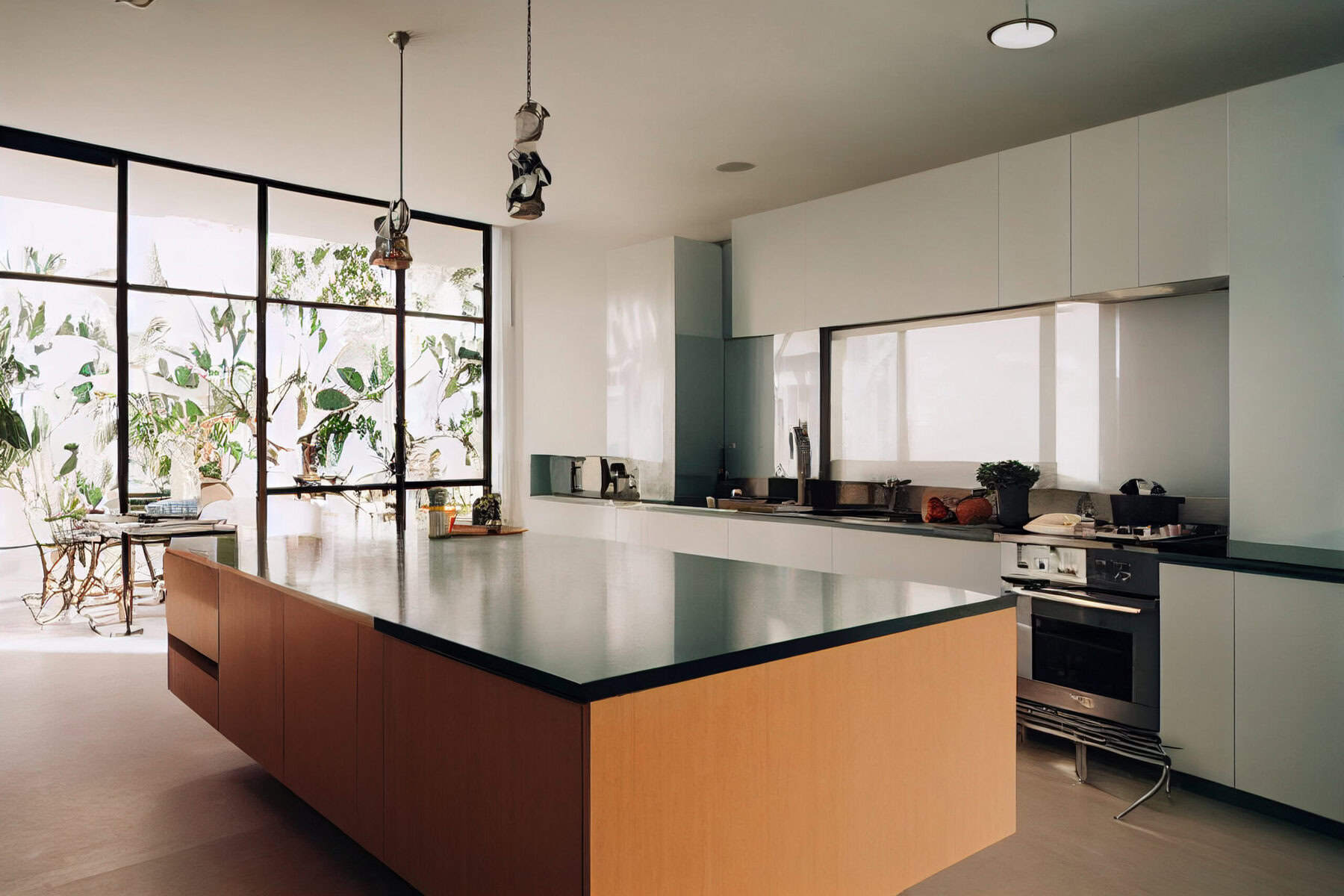
- Quartz Countertops: Non-porous, highly heat- and stain-resistant, and virtually maintenance-free. Quartz eliminates the sealing requirements of granite or marble while providing a premium appearance that commands higher monthly rent.
- Solid Surface Acrylic: An excellent mid-tier choice. Solid surface materials are non-porous and allow light scratches to be buffed out easily during property turnover.
- Laminate Countertops: Budget-friendly up front, but susceptible to knife cuts, water intrusion at seams, and hot-pan scorch marks that cannot be repaired.
Cabinetry Construction
Avoid particleboard (MDF) cabinet boxes in kitchens and bathrooms, as sink leaks or steam can cause particleboard to swell and disintegrate. Choose solid wood frames with all-plywood box construction. Selecting cabinets with soft-close hinges and sturdy metal drawers prevents structural wear caused by cabinet slamming.
Material Performance Comparison for Rental Properties
To help you make the best decisions for your portfolio, here is a breakdown comparing standard materials against high-durability alternatives:
| Category | Standard Choice | High-Durability Investment | Expected Lifespan & ROI Impact |
|---|---|---|---|
| Flooring | Low-cost carpet or basic laminate | Waterproof SPC Luxury Vinyl Plank (20 mil) | 15 to 20+ years; drastically reduces turnover vacancy and cleaning fees. |
| Walls & Trim | Flat builder-grade interior paint | Satin wall paint with Semi-Gloss trim | 5 to 7 years; allows multiple cleanings without repainting walls. |
| Kitchen Countertops | Plastic laminate | Engineered Quartz or Solid Surface Acrylic | 20+ years; eliminates stain damage and commands higher monthly rent. |
| Cabinetry | Particleboard boxes with thermofoil | All-plywood box construction with solid wood doors | 15 to 25 years; withstands minor moisture exposure without swelling. |
| Bathroom Surrounds | Multi-piece plastic/fiberglass inserts | Direct-to-stud solid acrylic or tiled surrounds | 15 to 20 years; prevents water leaks behind walls and resists mold growth. |
Frequently Asked Questions About Rental Property Finishes
How often should flooring and paint be replaced in a rental unit?
Basic wall paint generally requires touch-ups or repainting every three to five years, though using satin and semi-gloss sheens can extend wall life by allowing you to wash walls instead of repainting them. High-quality waterproof vinyl plank flooring (SPC LVP) can easily last 15 to 20 years, whereas standard rental carpet often requires full replacement every three to five years due to wear, staining, and odor retention.
Is it better to repair existing kitchen cabinets or install new ones during turnover?
If the cabinet boxes are made of solid plywood or sturdy hardwood and remain structurally sound, refinishing or painting them with a durable cabinet enamel and adding new hardware can save thousands of US dollars. However, if the boxes are made of swollen particleboard or have water damage under the sink, full replacement with all-plywood cabinet construction is necessary to avoid recurring structural issues.
Should landlords manage renovation subcontractors themselves or hire a general contractor?
Managing subcontractors independently can save up to 15% to 20% on upfront labor fees, but it requires substantial construction knowledge, local building code familiarity, and daily site oversight. Hiring a licensed general contractor centralizes liability, speeds up project completion timelines, and ensures trades show up in correct sequence—ultimately reducing rental vacancy costs that can quickly offset initial management savings.
How do durable finish upgrades impact overall rental valuation and cash flow?
Upgrading to high-durability finishes reduces long-term capital expenditure reserves, shortens turn times between occupants, and allows property managers to charge premium market rents. Installing premium finishes like quartz countertops and seamless LVP flooring can increase monthly rental rates by 50 to 200 US dollars depending on the local housing market, while significantly reducing tenant turnover friction.
Sources
- U.S. Department of Housing and Urban Development (HUD) Housing Choice Voucher Program Guidebook: https://www.hud.gov
- BiggerPockets Real Estate Investment Community & Landlord Forums: https://www.biggerpockets.com
- Consumer Reports Countertop & Flooring Product Reliability Studies: https://www.consumerreports.org