
Table of Contents
Strategic Spatial Planning for Miami Kitchen Remodels
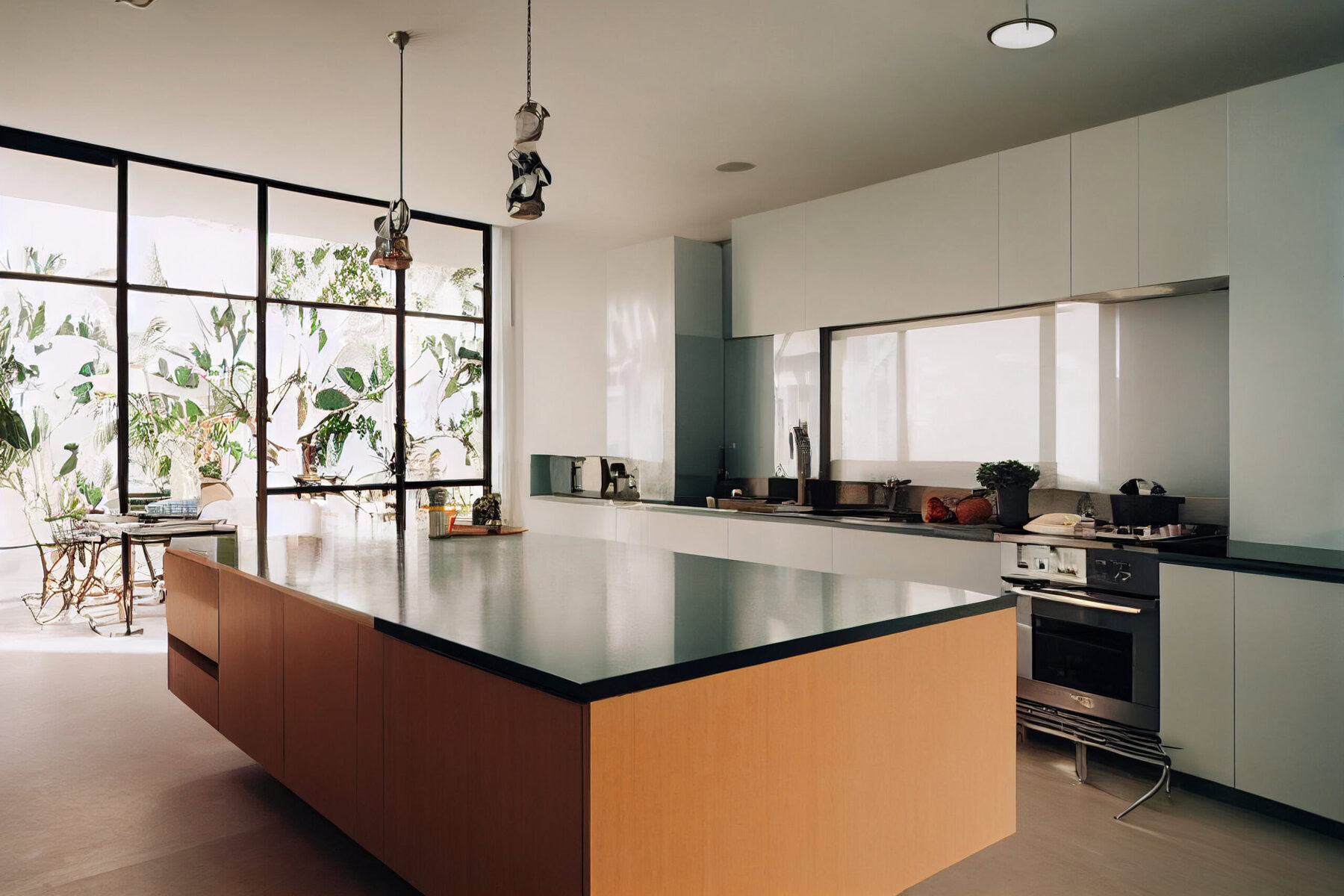
Maximizing storage in a compact Miami kitchen requires structural re-engineering and zero-clearance spatial planning rather than simple cabinet replacement. Eliminating dead corners with vertical pull-out pantries, utilizing full-height upper cabinetry up to eight-foot ceilings, and reconfiguring appliance layouts according to spatial standards established by the National Kitchen & Bath Association ensures every cubic inch of kitchen footprint works efficiently for home and business owners.
In tight urban residences across Brickell and downtown Miami, square footage commands a premium price. Traditional builder-grade cabinetry wastes up to thirty percent of available volume through filler strips and oversized stiles. Approaching kitchen layout design by measuring usable volumetric cubic feet rather than simple floor square footage enables contractors to convert formerly inaccessible dead space into high-density storage zones.
Federal data compiled in the U.S. Census Bureau American Housing Survey highlights that kitchen renovations represent one of the most frequent major residential improvements nationwide. For South Florida homeowners, achieving functional storage demands navigating structural load-bearing concrete block masonry and non-standard ceiling heights. Evaluating every vertical wall surface ensures no interior cavity remains underutilized, transforming cramped footprints into open, highly organized cooking environments.
Custom Cabinetry Architectures and Vertical Storage Optimization
High-density storage optimization relies on full-overlay frameless cabinet construction, full-extension drawer glides, and vertical ceiling-height wall units. By replacing fixed shelving with heavy-duty deep drawers and blind-corner pull-out mechanisms, homeowners double accessible storage capacity without expanding the physical footprint of the room. This method converts inactive spatial voids into accessible utility areas.
Frameless European-style cabinetry eliminates face frames, yielding up to fifteen percent more clear interior width per cabinet box. Installing full-extension soft-close drawer runs rated for one hundred pounds converts lower cabinets into ergonomic storage bays. Deep bottom drawers eliminate the physical burden of reaching into dark lower cupboards for heavy cookware, while incorporating adjustable peg systems keeps dishware organized and stable during daily use.
To capture neglected overhead area, upper cabinetry should extend directly to the finished ceiling drywall line. Standard thirty-inch upper cabinets leave a twelve-inch gap that gathers dust and humidity in coastal environments. Extending millwork to eight feet adds several cubic feet of long-term storage for seasonal entertaining items. Integrating step-stool toe-kick drawers at floor level provides effortless access to high shelves.
Structural Trade-Offs in Small Kitchen Storage Engineering
Strategic kitchen storage trade-offs require balancing immediate item accessibility against total volumetric storage capacity. While open floating shelves create visual airiness, closed full-height cabinets yield forty percent more usable storage while protecting kitchenware from coastal air grease and moisture. Evaluating these material and configuration options based on durability, capacity, and cost helps determine the best layout.
| Storage Configuration | Usable Volumetric Yield | Structural & Mechanical Requirements | Cost Impact per Unit (US Dollars) | Primary Application |
|---|---|---|---|---|
| Full-Height Vertical Pantry | High (90% to 95%) | Reinforced wall blocking, 24-inch depth clearance | 1,200 to 2,800 dollars | Dry food and small appliance consolidation |
| Full-Extension Lower Drawers | High (85% to 90%) | Heavy-duty steel ball-bearing drawer glides | 450 to 900 dollars per drawer stack | Pots, pans, and heavy cookware storage |
| Blind-Corner Pull-Out Trays | Medium (70% to 80%) | Minimum 36-inch clearance corner access frame | 600 to 1,400 dollars | L-shaped and U-shaped corner recovery |
| Open Floating Wall Shelving | Low (30% to 40%) | Anchored structural wall studs or masonry toggles | 200 to 600 dollars | Daily glassware and accent display |
Selecting open shelving over full cabinetry reduces structural framing costs but demands pristine organization and frequent dusting. Conversely, custom full-height pantries maximize volumetric yield while increasing initial material investments. Weighing these functional trade-offs based on lifestyle habits and budget boundaries allows homeowners to balance closed storage for utility items with select open accent zones to achieve functional equilibrium.
Real-World Miami Renovation Challenges and Field Solutions
Field renovations in coastal Miami present unique obstacles including high ambient humidity, hurricane shear walls, and restrictive condo association rules. Resolving these spatial and structural limits requires moisture-resistant marine-grade plywood drawer boxes, custom-milled soffit integration, and code-compliant non-penetrating mechanical chases. These field-tested solutions maintain structural integrity while expanding storage volume.
During a recent kitchen overhaul in a historic Coconut Grove bungalow, solid poured-concrete shear walls prevented recessed pantry carving. The existing layout allowed only thirty-six inches of aisle clearance, making standard swing doors impractical. Contractors engineered a shallow four-inch deep ceiling-to-floor dry-goods pantry behind custom sliding pocket doors. This adjustment added forty linear feet of shelving without encroaching on the central walkway.
In a high-rise condo in Brickell, post-tensioned slab construction prohibited altering overhead plumbing chases. The existing upper cabinets stopped fourteen inches short of the mechanical bulkhead due to irregular concrete beam protrusions. Fabricating custom stepped scribe moldings and integrating LED-lit lift-up hydraulic cabinet doors bypassed structural obstructions, providing seamless vertical storage while concealing building utility conduit.
Decision Framework for Small Kitchen Storage Upgrades
Selecting the optimal storage strategy depends on wall clearance, cooktop proximity, and structural perimeter flexibility. If your kitchen layout features less than forty-two inches of aisle clearance, prioritize full-extension drawers and sliding pocket doors; if you possess unused vertical volume above eight feet, install double-tiered upper cabinets with integrated pull-down hardware. This conditional logic ensures spatial efficiency without compromising movement.
If your priority is rapid cooktop access, build narrow vertical pull-out racks adjacent to the range for oils and spices. If you require maximum dust-free item capacity, build closed floor-to-ceiling pantry units equipped with heavy-duty wire roll-outs. Homeowners struggling with deep corner dead space should install blind-corner swing-out trays rather than static lazy susans. Matching spatial hardware to specific kitchen tasks optimizes workflow efficiency across the entire room.
For commercial property owners and vacation rental investors, prioritizing durable laminate door faces over painted timber reduces long-term maintenance costs. Matching drawer slide load ratings to intended item weight prevents mechanism fatigue over time. Investing in high-grade hardware preserves mechanical operation under heavy daily commercial or residential usage, turning compact kitchen constraints into structured organizational assets.
Frequently Asked Questions
What is the most space-efficient layout for a small kitchen remodel?
The galley kitchen layout offers the highest storage density per square foot by establishing two parallel runs of cabinetry that eliminate wasted corner space. This configuration minimizes walkway footprints while maximizing continuous countertop prep areas and lower drawer volume.
How do custom pull-out organizers compare to standard adjustable shelves?
Custom pull-out organizers yield significantly better functional access by bringing the back contents of a cabinet forward into full view. While static shelves force users to unstack items, roll-out trays maximize total usable depth and decrease retrieval time.
Can upper cabinets be extended all the way to the ceiling in a condo?
Yes, upper cabinets can extend directly to the ceiling, provided mechanical ducting or concrete bulkheads are properly accounted for in the millwork design. Custom-trimmed top fill panels accommodate existing fire sprinkler heads and building utility runs to ensure code compliance.
How does humidity in Miami affect small kitchen cabinet storage materials?
High ambient humidity causes lower-grade particleboard to swell and warp, reducing hardware alignment and storage drawer operation. Utilizing exterior-grade marine plywood or moisture-resistant medium-density fiberboard with sealed edge banding guarantees structural integrity in humid coastal environments.
What is the recommended budget allocation for custom storage upgrades during a kitchen remodel?
Custom storage upgrades and hardware systems typically represent twenty to thirty percent of the total cabinetry material budget. Allocating funds toward internal pull-outs, heavy-duty drawer slides, and vertical organizers provides the highest daily functional return on investment.