Table of Contents
The Longevity of Black Matte Fixtures in Modern Architecture
Matte black fixtures have transitioned from a localized design trend into an enduring visual anchor within luxury residential homes and commercial developments. By offering a bold, glare-free aesthetic that creates high-contrast visual framing against soft stone, quartzite, and warm architectural millwork, high-grade matte black hardware provides timeless architectural definition. When properly manufactured, advanced surface coatings resist environmental degradation, humidity, and daily wear.
Determining whether matte black plumbing hardware represents a transient trend or an architectural classic requires evaluating historical finish cycles alongside modern materials science. In contemporary coastal and metropolitan architecture, matte black functions as a structural neutral, operating similarly to dark steel structural framing, anodized window mullions, and iron accents. According to research from the National Kitchen & Bath Association, matte and brushed non-reflective finishes continue to lead luxury residential specification preferences over bright polished metals, with designers prioritizing textural depth and tactile quality.
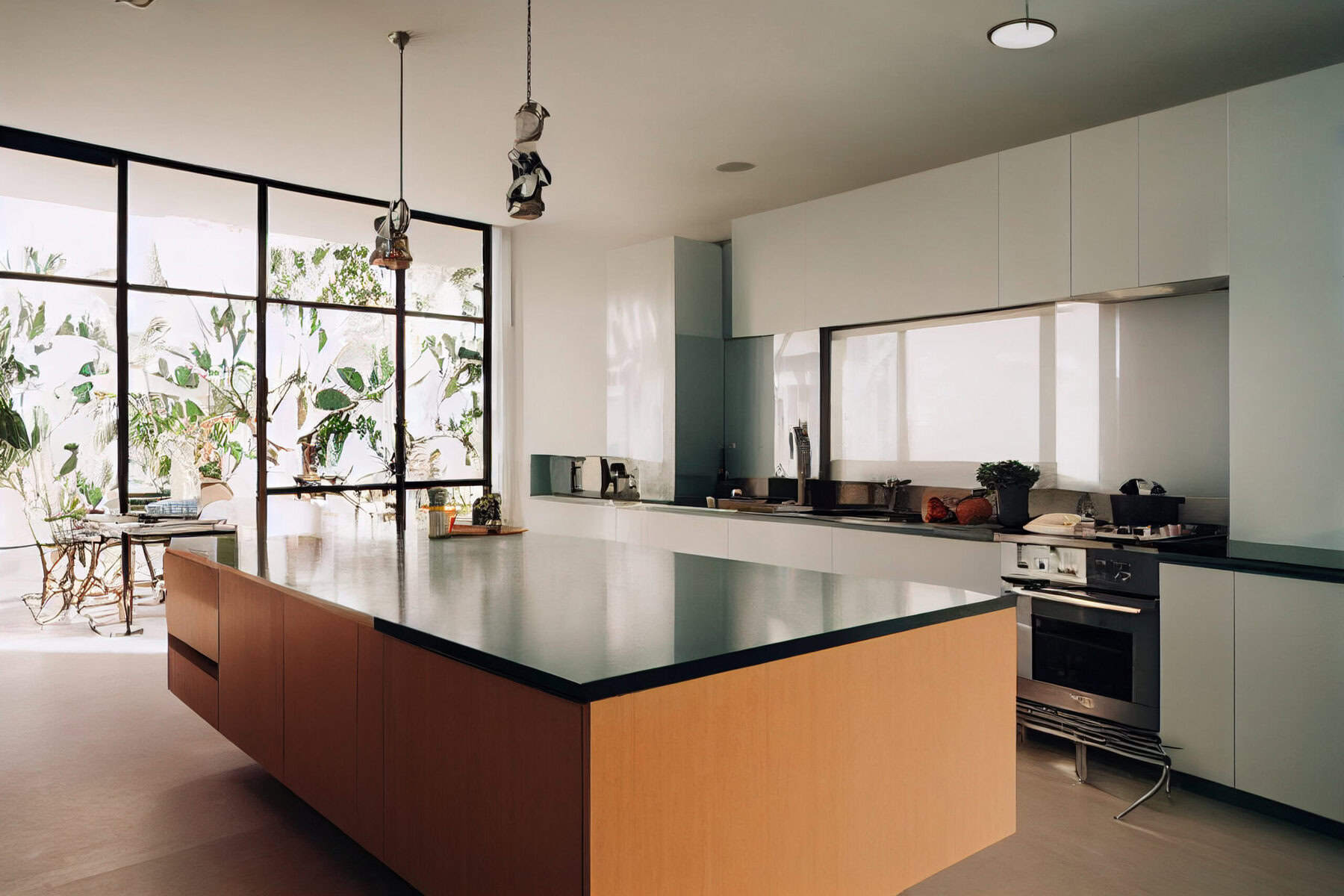
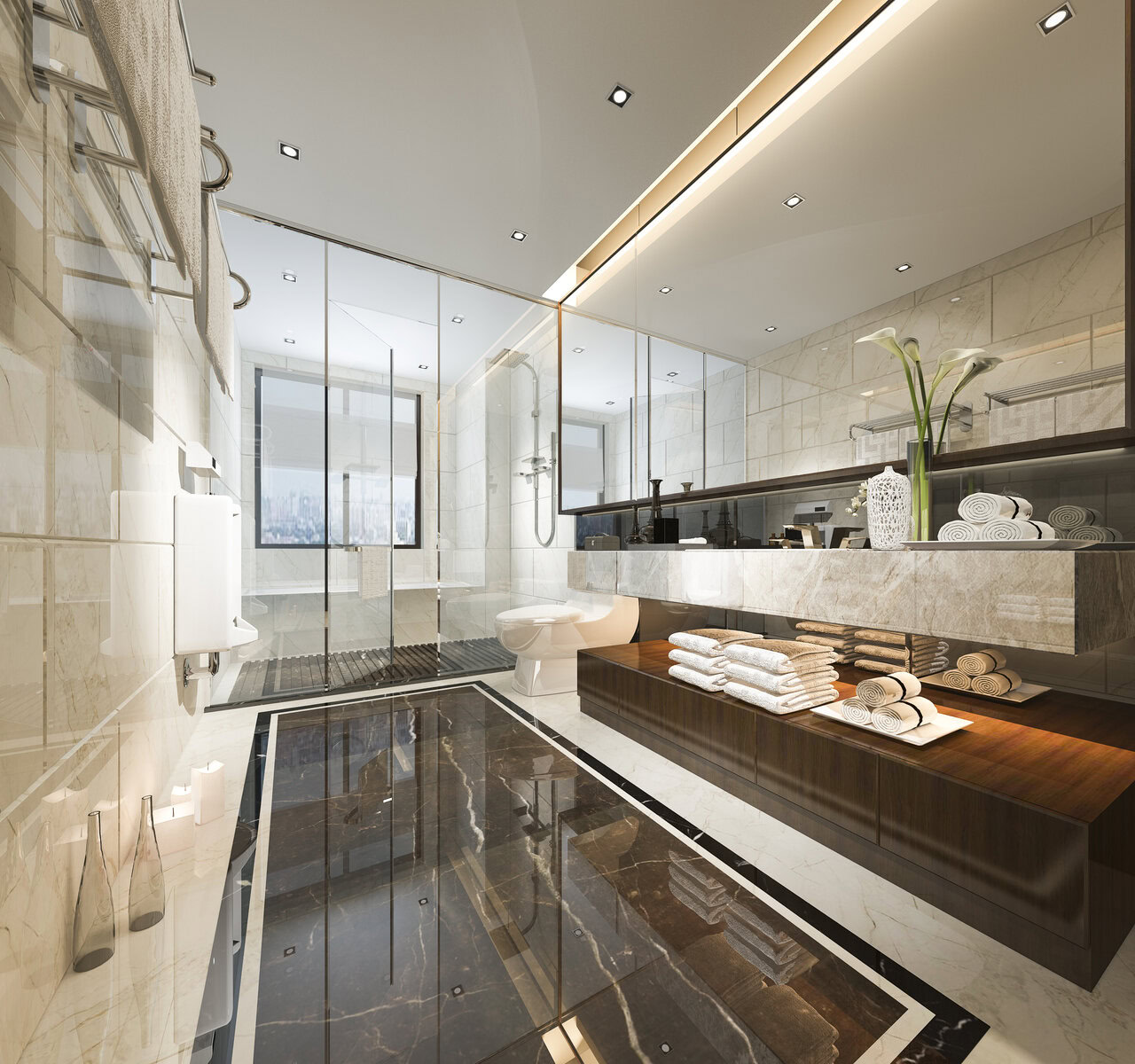
Unlike highly reflective polished chrome or bright nickel, non-reflective black surfaces absorb surrounding light. This quality allows surrounding natural marble, textured tiles, and grain-matched wood veneers to retain visual priority. Design professionals frequently specify matte black elements in sun-drenched coastal spaces to ground open floor plans and balance intense natural daylight. The finish spans multiple architectural paradigms, integrating with equal composure into contemporary high-rise interiors, industrial conversions, and historic Mediterranean Revival homes.
Manufacturing Engineering: PVD Coating versus Powder Coating
The mechanical longevity and durability of a matte black fixture are determined primarily by whether the surface treatment utilizes Physical Vapor Deposition (PVD) or standard liquid and powder application methods. Physical Vapor Deposition coats brass atom by atom inside a sealed vacuum chamber, establishing a molecular bond that resists scratches, flaking, and impact far more effectively than traditional sprayed coatings.
┌─────────────────────────────────────────────────────────┐
│              PVD Vacuum Chamber Process                 │
│                                                         │
│   ┌───────────────┐                  ┌───────────────┐  │
│   │ Vaporized Metal│ ── Atom-by-Atom ──►│ Solid Brass   │  │
│   │ (Titanium/Zirconium)            │ Substrate     │  │
│   └───────────────┘                  └───────────────┘  │
│                           │                             │
│                           ▼                             │
│         ┌──────────────────────────────────┐            │
│         │ Molecularly Bonded Surface Layer │            │
│         │     (Impervious Outer Matrix)    │            │
│         └──────────────────────────────────┘            │
└─────────────────────────────────────────────────────────┘
Understanding these manufacturing methods is critical for property owners and specifiers seeking long-term performance. Standard budget-focused hardware commonly relies on baked-on powder coating or traditional electroplating, where dry polymer resins are sprayed onto base metal and thermally cured. While thermoset powder coating produces a uniform non-reflective finish initially, the polymer layer merely rests on top of the substrate as an organic film. Over time, exposure to humidity, joint friction, and cleaning agents can cause micro-fractures, edge chipping, and peeling.
Conversely, premium architectural fixtures certified under water contact standards managed by NSF International utilize advanced PVD vacuum metallization. During PVD vapor deposition, titanium or zirconium compounds are plasma-evaporated inside a high-vacuum environment and accelerated onto solid brass components. This forms an impenetrable surface layer between two and five microns thick that achieves exceptional Mohs hardness ratings.
Because PVD coatings integrate into the atomic structure of the underlying metal, they do not blister, chip, or corrode under daily usage. Furthermore, top-tier manufacturers frequently treat PVD matte black fixtures with an ultra-thin oleophobic nano-ceramic shield. Tested under rigorous salt spray criteria established by ASTM International, these secondary hydrophobic treatments cause water to bead up instantly, reducing soap film adhesion and mineral oil bonding.
South Florida Real-World Field Challenges and Practical Solutions
Subtropical coastal environments present aggressive conditions for indoor and outdoor plumbing hardware. High atmospheric salt humidity combined with elevated municipal water mineral content from aquifers often leads to aesthetic surface degradation if incorrect hardware is specified. Pairing vapor-bonded PVD fixtures with localized water softening systems and non-acidic maintenance protocols preserves fixture appearance across demanding environmental conditions.
Municipal groundwater sources in South Florida and similar coastal regions regularly contain elevated concentrations of dissolved calcium carbonate, frequently exceeding 200 parts per million in total dissolved solids. When hard water evaporates on a dark, non-reflective surface, it leaves chalky white mineral rings. On matte black hardware, these deposits create a harsh visual contrast against the dark background.
A clear example of this failure mode involved a coastal condo unit where low-cost powder-coated shower valves had been installed. Within eighteen months of daily exposure to untreated municipal water, the shower hardware developed severe white mineral crusts and edge flaking. In an effort to clear the scaling, the homeowner applied acidic scale removers. The acid chemically dissolved the soft organic powder film, stripping the coating down to raw brass.
Resolving these failure modes requires a multi-tiered approach:
- Upgrade hardware to solid brass PVD matte black fixtures featuring factory-applied oleophobic hydrophobic topcoats.
- Install a commercial-grade water conditioning system utilizing sodium ion exchange to lower hard water mineral content below 35 parts per million.
- Mandate pH-neutral cleaning routines to maintain surface integrity without risking chemical etching.
Decision Framework for Selecting Fixture Finishes
Selecting the correct fixture finish requires evaluating architectural goals, incoming water chemistry, usage volume, and long-term maintenance capacity. In high-use master baths or commercial hospitality venues with hard municipal water, specifying PVD-bonded brass hardware prevents premature failure. In low-traffic powder rooms with soft water, decorative electroplated or thermoset hardware provides adequate performance at lower initial material outlays.
The table below summarizes the physical properties, durability metrics, and operational performance of primary matte black finish technologies.
| Finish Technology | Surface Bonding Method | Scratch & Abrasion Resistance | Hard Water Scaling Resistance | Coastal Salt Air Durability | Expected Lifespan in Miami |
|---|---|---|---|---|---|
| Physical Vapor Deposition (PVD) | Molecular Vacuum Bond | Exceptional (High Mohs Rating) | High (When Paired with Softener) | Impervious to Oxidation | 15 to 25 Years |
| Thermoset Powder Coating | Heat-Cured Polymer Layer | Moderate (Prone to Edge Chipping) | Moderate (Requires Frequent Wiping) | Susceptible to Moisture Seep | 5 to 8 Years |
| Electroplated Matte Black | Electrochemical Metallic Deposit | Fair (Prone to Scuffing) | Low (Chemical Etching Risk) | Moderate Air Corrosion Risk | 3 to 6 Years |
| Painted or Lacquered Black | Air-Dried Liquid Coating | Poor (Erosive Wear at Joints) | Poor (Stains and Traps Minerals) | Poor (Rapid Degradation) | 1 to 3 Years |
When creating project specifications, designers and builders apply conditional selection logic to safeguard client capital:
- If the building is located within one mile of saltwater bodies, specify vacuum-bonded PVD finishes over forged lead-free brass to stop galvanic atmospheric corrosion.
- If project budgets impose strict material constraints in high-use public restrooms, select brushed stainless steel or PVD gunmetal rather than basic painted black to eliminate short replacement cycles.
Sequential Installation and Maintenance Protocol
Achieving long-term reliability from matte black hardware requires strict adherence to installation sequencing and care standards. Controlled flushing prevents internal debris from scoring valve cartridges, while non-marring tools safeguard delicate matte surfaces during mechanical assembly.
- Flush all rough-in supply lines thoroughly with clean water prior to trim assembly to purge solder flux, construction grit, and pipe scale.
- Inspect fixture surface layers and threaded connections under high-intensity task lighting to verify zero manufacturing voids or transport scuffs.
- Wrap all metallic wrench jaws with non-marking painter tape, smooth plastic caps, or soft leather sleeves before applying torque to exterior trim locknuts.
- Apply pure silicone plumber grease exclusively to internal rubber O-rings and gaskets, avoiding petroleum-based lubricants on exterior matte surfaces.
- Apply an aftermarket hydrophobic nano-ceramic sealant to the exterior metal surfaces upon final installation to reinforce factory stain resistance.
- Establish a routine maintenance schedule utilizing soft microfiber cloths dampened with warm water and mild pH-neutral soap, prohibiting abrasive scouring pads and acidic or bleach cleaners.
Frequently Asked Questions
Are matte black fixtures a temporary trend or a lasting finish?
Matte black fixtures function as a permanent architectural finish rather than a short-lived trend because they provide foundational neutral visual framing in modern and traditional spaces alike. Industry research from design associations confirms sustained demand for dark matte hardware. When engineered using high-grade Physical Vapor Deposition (PVD), these fixtures deliver decades of structural and visual performance.
How do hard water minerals impact matte black faucets?
Hard water contains dissolved calcium and magnesium that leave visible light-colored mineral spots on dark matte surfaces as droplets evaporate. While water minerals do not destroy PVD-bonded underlying metals, neglected deposits can be difficult to remove without harming lower-grade organic finishes. Installing a whole-home water softener or specifying PVD fixtures with hydrophobic ceramic coatings prevents severe mineral scaling.
What is the primary difference between PVD and powder-coated matte black finishes?
Physical Vapor Deposition (PVD) vaporizes titanium or zirconium alloys inside a vacuum chamber to bond coating atoms directly into the metal substrate. Powder coating sprays a dry polymer resin onto the metal and bakes it into an organic surface film. PVD creates an extremely hard, scratch-resistant surface that will not chip or peel, whereas powder coating remains vulnerable to edge chipping and moisture intrusion over time.
How should matte black fixtures be cleaned and maintained?
Clean matte black fixtures using a soft microfiber cloth dampened with warm water and a small amount of pH-neutral dish soap. Never use abrasive scrub brushes, steel wool, ammonia, vinegar, or acidic lime-scale removers, as harsh chemicals degrade protective clear coats. Towel-drying the fixture after heavy use prevents mineral spots from forming in hard water regions.
Can deeply scratched or chipped matte black fixtures be repaired?
Deep scratches or flaking on matte black hardware cannot be restored to original factory quality because PVD and industrial powder coatings are applied during high-temperature manufacturing. Minor surface blemishes on powder-coated items can sometimes be touched up with color-matched paint pens, but this provides only a temporary visual fix. Replacing damaged components or specifying durable PVD fixtures during initial construction remains the most reliable strategy.
Sources
- National Kitchen & Bath Association (NKBA): Design Trends Research Reports. https://nkba.org
- NSF International: Water Equipment & Plumbing System Component Standards (NSF/ANSI 61 & 372). https://www.nsf.org
- ASTM International: Standard Test Methods for Salt Spray (Fog) Testing (ASTM B117). https://www.astm.org