
Ever stared at a cracked tile in your bathroom and thought, “I can’t live like this anymore”? Or maybe you’ve walked through your kitchen for the thousandth time, dreaming of an open layout that actually lets you talk to your guests without yelling over the exhaust fan. We’ve been there, both in our own homes and in the countless projects we’ve tackled. Let’s be real: the world of home remodeling services can feel like a maze of decisions, cost anxieties, and contractor horror stories. But what if it didn’t have to be? What if we could chat about turning that “ugh” into “wow” without the usual stress?
Table of Contents
Demystifying the Remodeling Process: It’s Not Rocket Science
Okay, sometimes it feels like it is, especially when you’re dealing with plumbing or load-bearing walls. But at its core, a successful remodeling project is just a series of logical steps. The trick is knowing the order of operations. You wouldn’t install gorgeous new cabinets before fixing the plumbing behind the walls, right? That’s a fast track to a very expensive, very wet mistake.
So, How Does This Whole Thing Actually Work?
A great renovation contractor doesn’t just swing a hammer. They manage a symphony of trades, timelines, and your sanity. Here’s a simplified peek behind the curtain:
- The Dream Phase: This is where we all start. Pinterest boards, saved Instagram reels, that folder on your desktop labeled “Future Home.” It’s fun, but it can also be overwhelming.
- The Reality Check (The Fun Part): This is where a solid general contractor becomes your best friend. They help translate your dreams into a feasible plan, considering budget, your home’s structure, and those pesky but important building codes here in Miami.
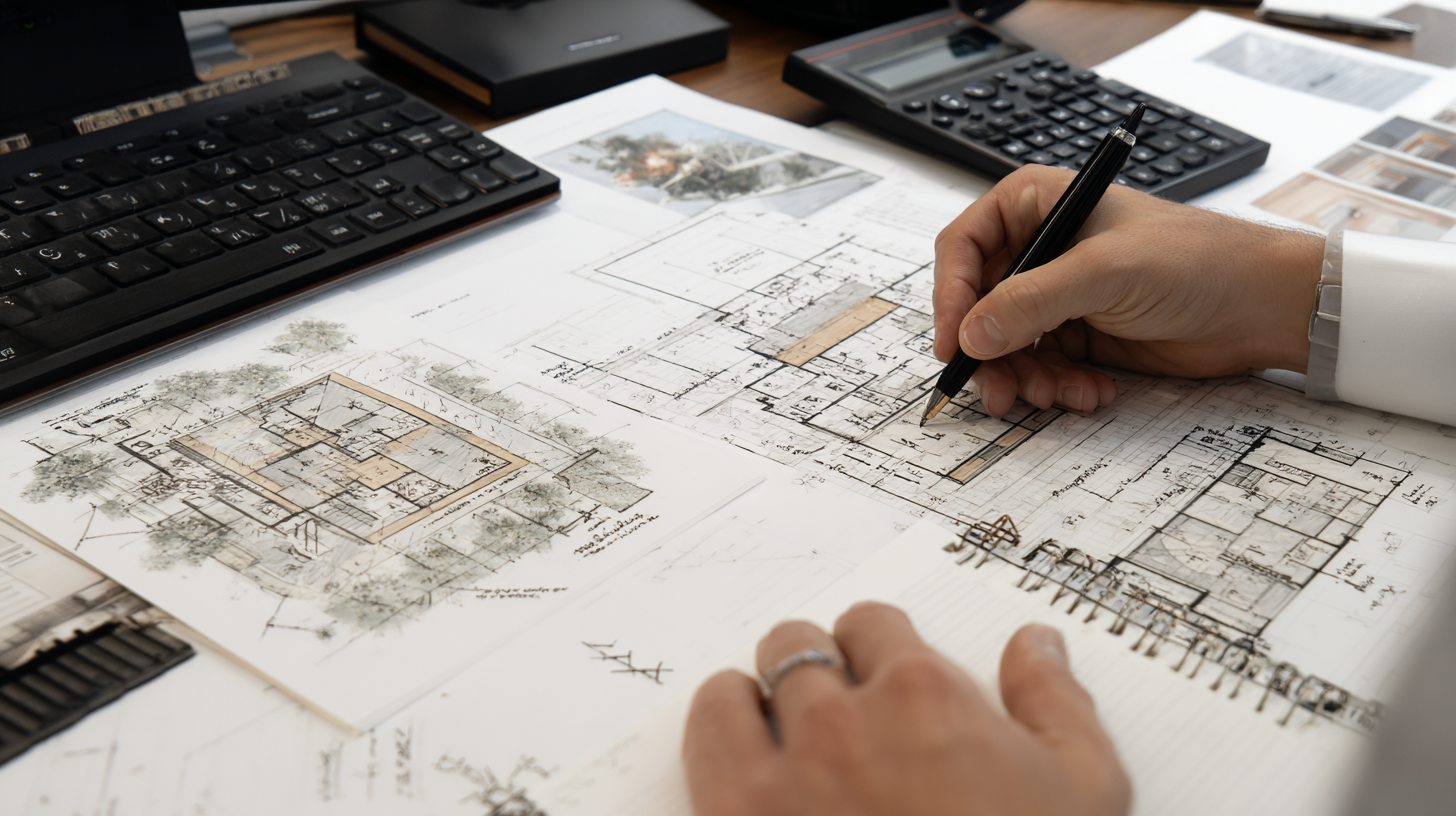
- The Blueprint: Plans are drawn, permits are secured (a step no one loves but everyone needs), and materials are selected. This is where clarity on price prevents headaches later.
Budget Talk: Let’s Get Comfortable With the “C” Word
We know, we know. The word cost can make anyone break out in a cold sweat. But avoiding the budget conversation is like going grocery shopping when you’re starving—you end up with a cart full of junk and a bill that makes you faint. Being upfront about what you want to spend is the single most respectful thing you can do for yourself and your contractor.
Affordable Doesn’t Mean Cheap
Here’s a little secret: affordable is a mindset, not just a number. It’s about maximizing value, not just minimizing the initial outlay. A best remodeling company will show you where to invest for long-term payoff (hello, energy-efficient windows) and where you can save without sacrificing quality. For instance, choosing a stunning, durable quartz countertop might save you from the high maintenance of marble, giving you luxury without the lifetime of babying.
The “Near” Factor You Might Not Have Considered
When you’re vetting a construction company, ask where their teams and suppliers are based. A Miami-based firm like ours, Trusst Construction, has established relationships with local suppliers and knows the logistical landscape. That means fewer delays, lower transportation costs, and someone who can be on your site quickly if an urgent question pops up. That local presence is a hidden value you can’t price.
Residential vs. Commercial: It’s Not Just About Sinks vs. Desks
A lot of folks think a contractor is a contractor. IMO, that’s like saying a cardiologist and an orthopedist do the same job because they’re both doctors. The skill sets, while overlapping, have different focal points.
Why Specialization Matters for Your Project
- Your Home (Residential): This is personal, emotional territory. A house remodeling contractor is part-therapist, part-project manager. They’re navigating your life, your family’s schedule, and creating a space that reflects you. It’s intimate work.
- Your Business (Commercial): This is about downtime, branding, and ROI. A commercial contractor focused on office refurbishment thinks about workflow, employee morale, client perception, and getting you back to business with minimal disruption. The timelines and pressures are fundamentally different.
FYI, some firms, like ours at Trusst Construction, expertly handle both. We love the creative, personal journey of a full home remodel and the fast-paced, strategic challenge of a commercial build-out. It keeps our skills sharp across the board 🙂
The Decision Matrix: Picking Your Project Partner
You’ve got your dream, you’ve ballparked your budget. Now, how do you choose who to invite into your home or business? It’s more than just comparing bids.
The Non-Negotiables for Any Contractor
- Communication Style: Do they actually listen, or just wait for their turn to talk?
- Transparency: Are their estimates detailed, or just one scary number at the bottom of a page?
- Proof of Life (aka a Portfolio): Can they show you a history of projects that look like what you want?
- The Paperwork: Licenses, insurance, warranties. The boring stuff that saves you from epic disasters.
Let’s be blunt for a second. The lowest bid is often the most expensive choice in the long run. Why? Because quality, experience, and peace of mind have a real price. When you hire a team like Trusst Construction, you’re paying for a seamless process, expert problem-solving (because every project has at least one “oh, wow” moment behind the walls), and a finished product you’ll love for years.
A Quick Guide: Bathroom vs. Kitchen vs. Addition
Not sure where to start? Here’s a brutally honest, high-level comparison from our years in the field.
| Project Type | The Realistic Scoop | Why It’s Worth It |
|---|---|---|
| Bathroom Remodel | More complex than it looks. Tiny room, tons of trades (plumber, tiler, electrician). | Huge ROI for resale. Daily luxury factor is off the charts. It’s your private spa. |
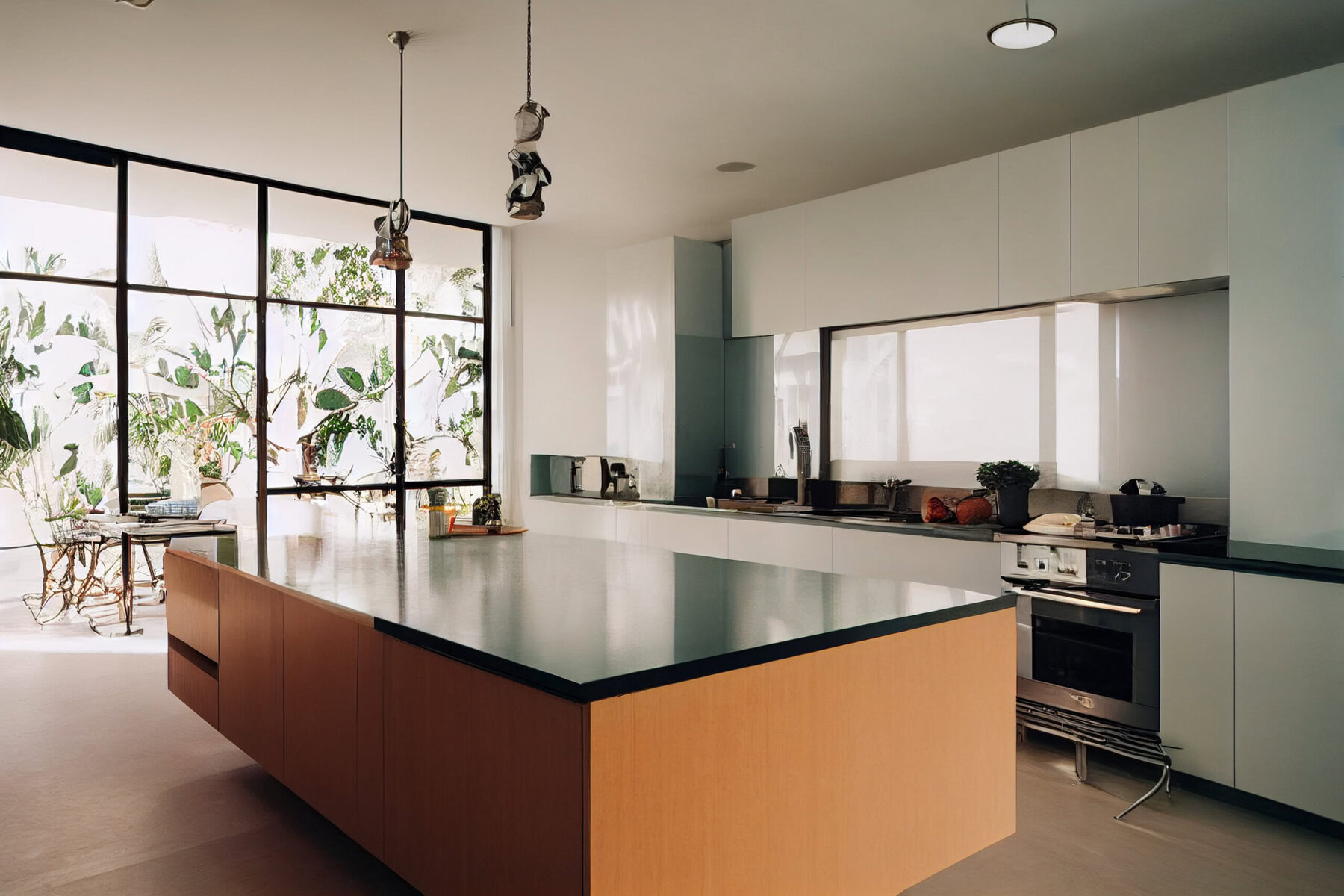
| Kitchen Remodel | The heart of the home. Disruptive, but we can often set up a temporary kitchen. | Improves functionality and flow. The social hub. Major value driver for your home. |
| Residential Home Additions | Big investment, but less invasive than a full gut if done correctly. | Adds tangible square footage and can completely transform how you live in your home. |
Your Burning Questions, Answered Honestly
1. How long will my project actually take?
Longer than the HGTV episode, we promise. A smooth bathroom project with a great bathroom remodeler might take 4-6 weeks. A kitchen, 8-12 weeks. An addition? Several months. The timeline depends on scope, material availability, and the weather gods. A good contractor builds in buffer time for the unexpected—because it will happen.
2. Should I just manage the subcontractors myself to save money?
Oh, friend, no. Unless your hobby is herding cats and your side hustle is deciphering building code, this is a fast track to misery. As your general contractor, our entire job is to coordinate the plumber, electrician, carpenter, and tiler so they show up in the right order, on time, and their work doesn’t ruin the other guy’s. That coordination is what you’re paying for. It’s worth every penny.
3. How disruptive is a remodel really?
It’s disruptive. We won’t sugarcoat it. There will be dust, noise, and people in your space. But a professional team minimizes this. We seal off work areas, maintain a clean site, and stick to agreed-upon work hours. For a full home remodel, we often discuss phased approaches or temporary relocation plans. We’re in the business of building dreams, not destroying your daily life.
4. When should we call a pro like Trusst Construction?
The second your dream moves from “maybe someday” to “let’s make a plan.” Seriously. Early consultation is free with us and it sets the entire project on the right path. We can help you understand feasibility, ballpark figures, and a realistic timeline before you’ve fallen in love with an impossible idea. Think of us as your guide before you even step onto the trail.
So, where does this leave us? Hopefully, a little less intimidated and a lot more excited. Whether you’re dreaming of a bathroom you don’t want to leave, a kitchen that inspires your inner chef, or an office refurbishment that boosts your team’s productivity, the right partnership makes all the difference. It’s not just about construction; it’s about translating your vision into a space that works, wows, and feels uniquely yours. And if you’re in the Miami area and that sounds like the kind of straightforward, collaborative approach you’re looking for, well, you know who to call. Let’s build something amazing
People Also Ask
The 50% rule is a quick screening tool used by real estate investors to estimate operating expenses on a rental property. It assumes that roughly half of your gross monthly rent will go toward costs like property taxes, insurance, maintenance, repairs, property management fees, and vacancy losses. The remaining half is what you can apply toward your mortgage payment and potential cash flow. This rule does not include the mortgage itself, so it helps you judge whether a property can carry its own expenses before financing. While useful for a fast first look, it is only a rough guideline. Actual numbers vary by market, property age, and condition, so serious investors in Miami, Miami Beach, and Hialeah should verify real figures before committing. Trusst Construction can help you assess repair and renovation needs that affect these calculations.