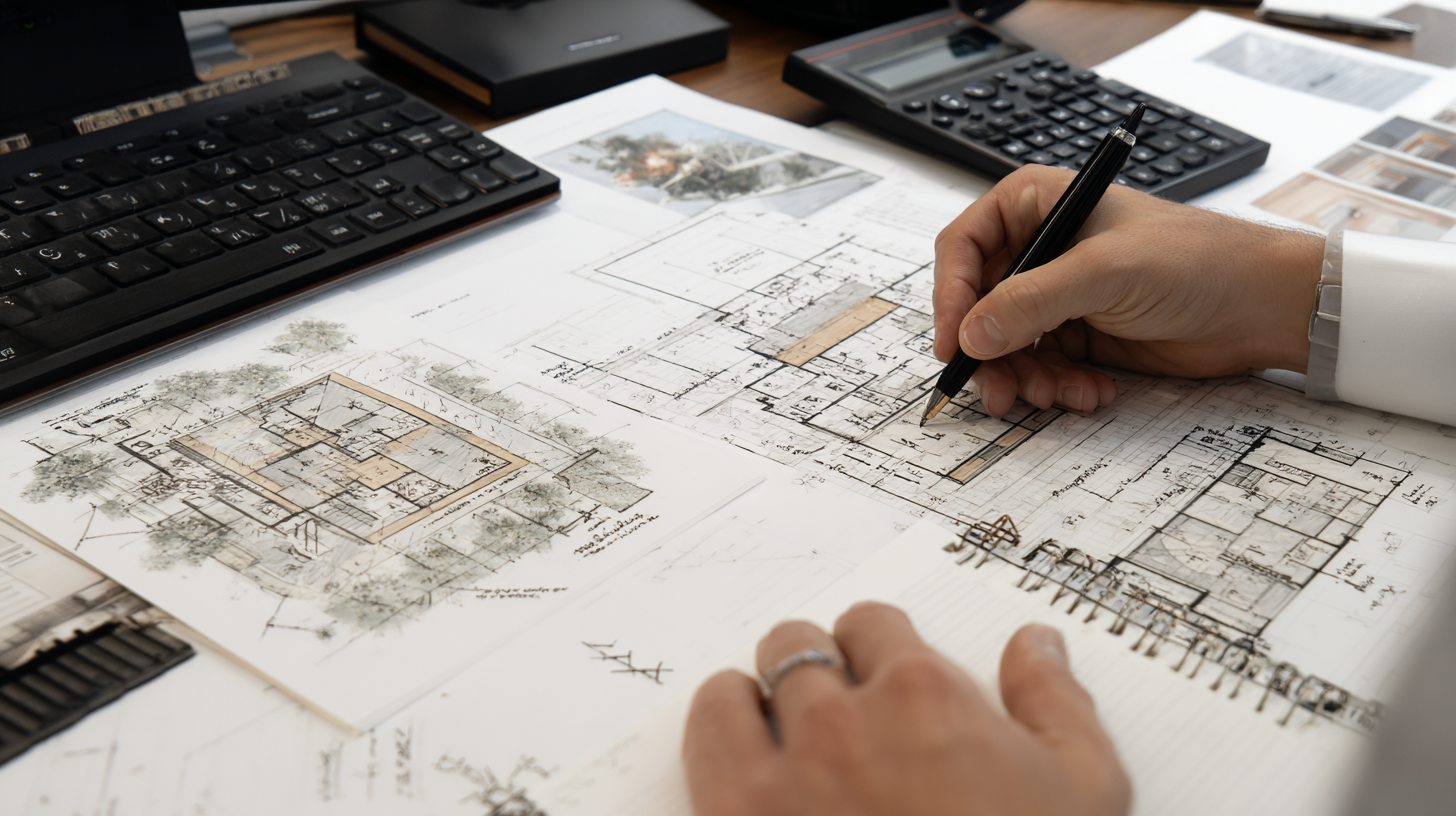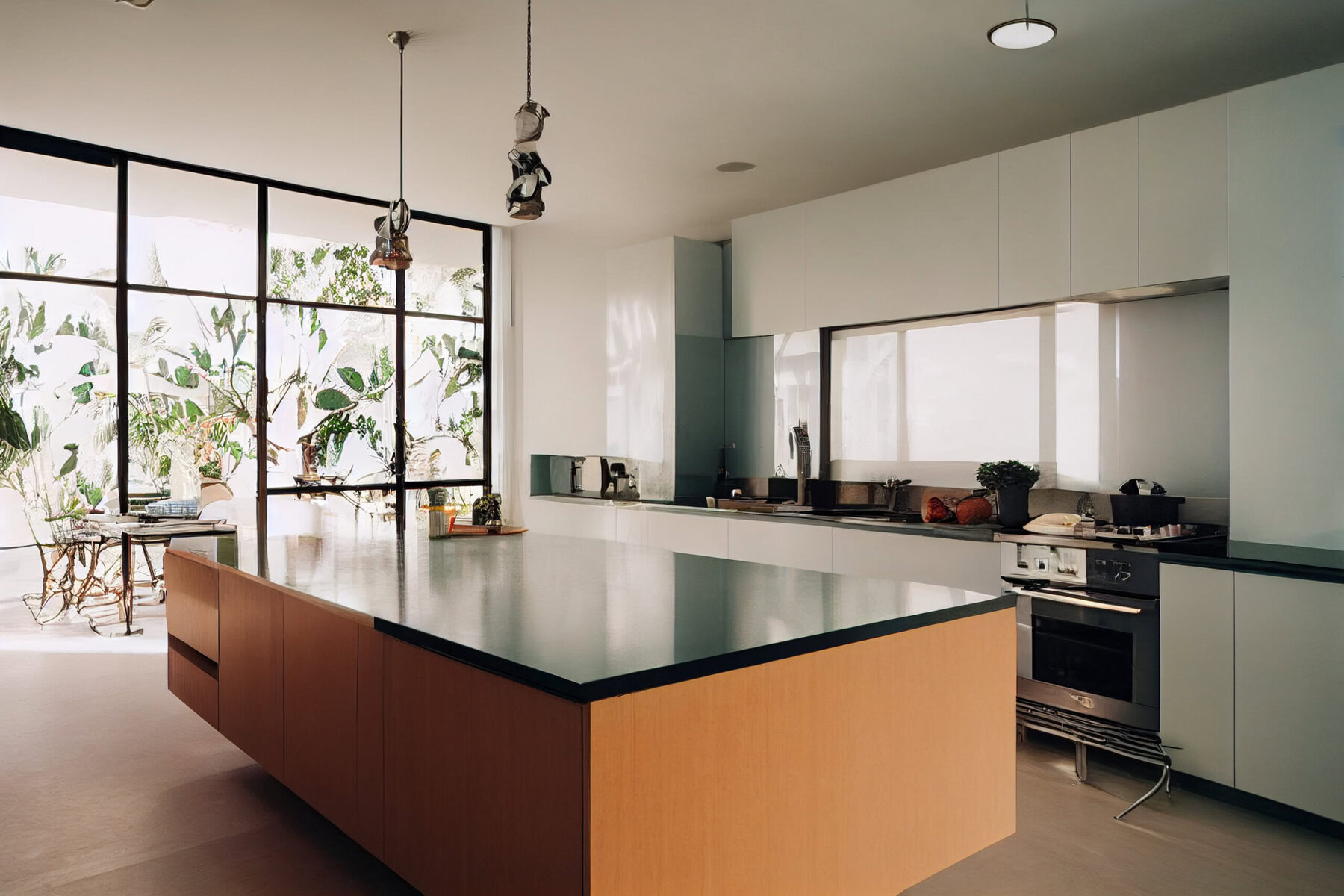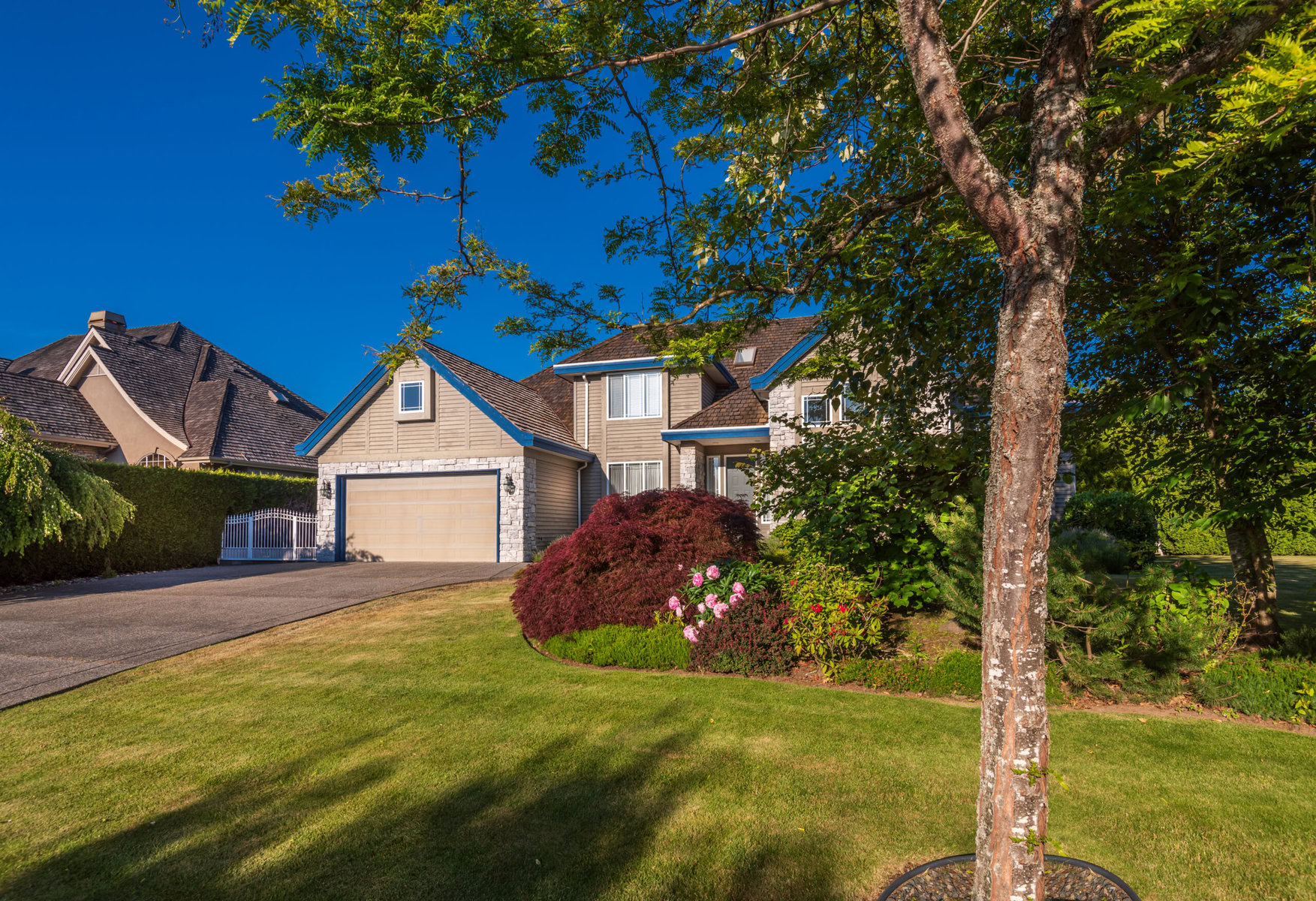
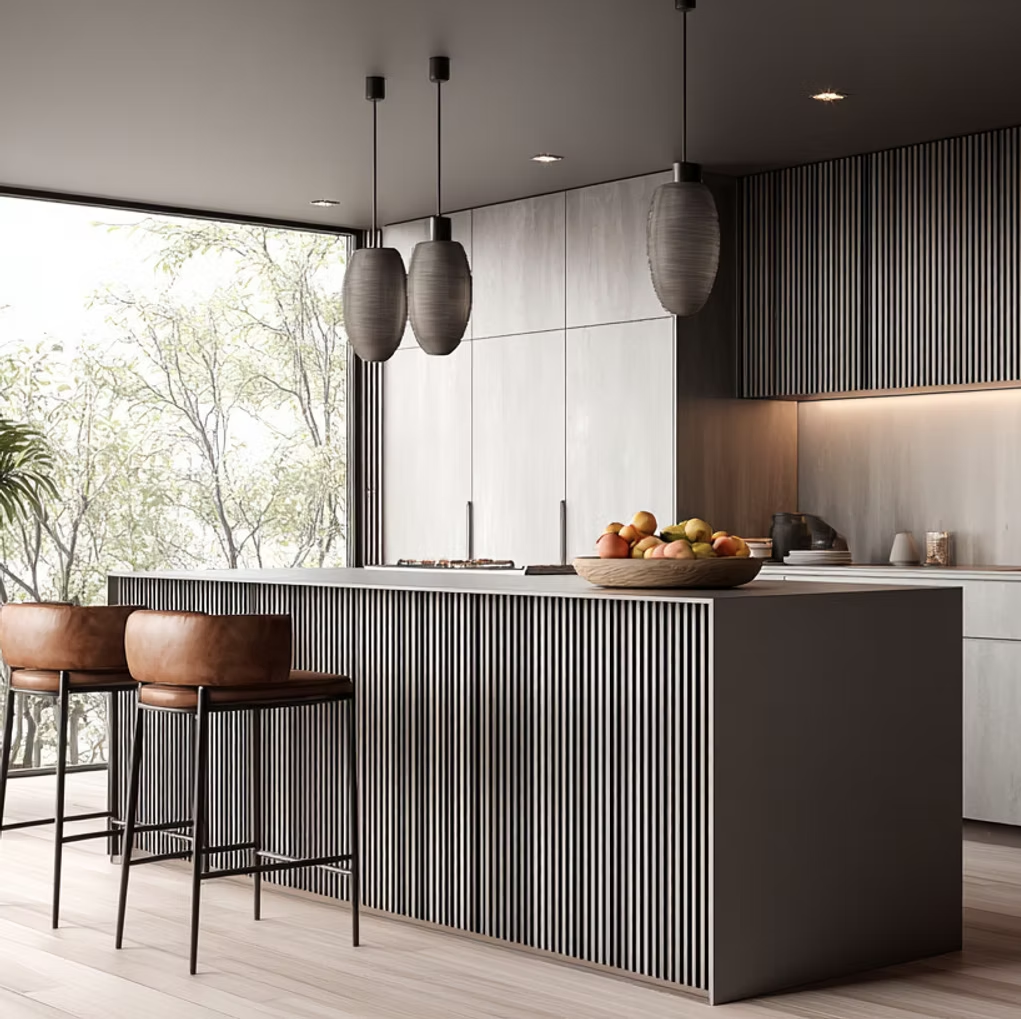
Ever stared at a cracked tile in your bathroom and felt a wave of renovation dread wash over you? Or maybe you’ve dreamed of that open-concept kitchen but the mere thought of permits, dust, and timelines makes you want to lie down. We get it. We’ve been there, both as homeowners and now as the folks who make those dreams happen without the nightmare. Let’s talk about turning your space from “meh” to magnificent, and why the journey doesn’t have to be a painful one.
Table of Contents
The Great Remodeling Mindset Shift
First thing’s first: we need to change how we think about remodeling. It’s not a necessary evil; it’s an investment in your daily joy. IMO, the biggest mistake people make is viewing it as a chaotic interruption rather than a creative process. Sure, there will be dust (we won’t lie), but a great team manages that chaos so you don’t have to.
Think about it: what’s the room you spend the most time avoiding? That’s your starting point. A successful project isn’t just about the final photo; it’s about the sigh of relief you feel every time you walk into a space that finally works for you. That’s the feeling we chase on every job, whether it’s a quick bathroom update or a full home remodel.
Picking Your Project Path: DIY, Handyman, or Pro?
Here’s where the rubber meets the road. We see three paths, and only you know which is right for your sanity and your wallet.
- The DIY Route: Fantastic for painting a room or swapping cabinet hardware. The moment you mention moving plumbing, electrical, or load-bearing walls? Abort mission. The cost of fixing a DIY mistake is often double what professional home remodeling services would have been.
- The Handyman Hail Mary: Great for that list of small, unrelated tasks. But for a cohesive, permitted, and code-compliant project? You’re likely asking for a patchwork solution.
- The Professional Partnership: This is for when you want a vision executed flawlessly. A true renovation contractor or general contractor manages the entire orchestra—design, permits, trades, timeline, and budget. They turn your Pinterest board into a livable reality.
So, how do you choose? Ask yourself: Is this project complex, does it require permits, and is my personal time more valuable than weeks of YouTube tutorials? If you answered yes, then partnering with a construction company is your smartest move.
Budget Talk: Let’s Demystify the “Price”
Let’s be blunt: “affordable” is a relative term. A cheap price can be the most expensive mistake you ever make if it means shoddy work or endless change orders. A true budget is a plan, not just a number.
A reputable house remodeling contractor will provide transparency. You should understand what’s included, what’s not, and where your money is going. FYI, a significant portion goes to skilled labor, quality materials, and those pesky but vital permits. At Trusst Construction in Miami, we build detailed budgets upfront because we believe no one should have sticker shock mid-project. We work to find smart solutions that align with your vision and your finances, proving that quality doesn’t always mean unattainable.
Your Miami-Specific Remodeling Playbook
Remodeling in Miami isn’t like remodeling anywhere else. We have unique factors, from soil conditions and hurricane codes to our vibrant but specific architectural styles. Ignoring these is a recipe for trouble.
- Permits & Codes: This isn’t bureaucracy for its own sake. It’s about your safety. A general contractor worth their salt navigates this maze for you. They ensure your residential home additions won’t blow over in a storm and your electrical work won’t give you a surprise.
- Climate Considerations: We choose materials that laugh at our humidity. We design for airflow and light. What works in a catalog in Denver will mold here in a year.
- The Lifestyle Factor: Indoor-outdoor living isn’t a trend here; it’s a way of life. A great remodel blurs that line, whether it’s through impact-sliding doors or a perfectly placed outdoor kitchen.
Hiring a local Miami expert like our team at Trusst Construction means we bake this local knowledge into every plan from day one. Why fight a learning curve when you can partner with someone who already knows the test answers?
Commercial vs. Residential: It’s Not the Same Game
Maybe your project isn’t at home. Perhaps you’re a business owner eyeing an office refurbishment or a new retail space. The core principles are similar, but the playbook is different.
| Aspect | Residential Remodel | Commercial Contracting |
|---|---|---|
| Primary Focus | Personal lifestyle, comfort, and aesthetics. | Function, efficiency, brand identity, and ROI. |
| Timeline | Often more flexible, but living on-site adds pressure. | Usually stricter, as downtime equals lost revenue. |
| Codes & Compliance | Heavy on residential building and safety codes. | Additional ADA, zoning, and commercial occupancy codes. |
| Decision Making | Often a family or couple. Can be emotional. | Typically a chain of command. More analytical. |
| Communication | Daily or weekly updates preferred. | Often structured reporting for stakeholders. |
The takeaway? Don’t hire a bathroom remodeler to build your restaurant. And don’t hire a commercial contractor to craft your cozy kitchen nook. Specialization matters. At Trusst Construction, we have dedicated teams for both worlds, so the right expertise is always applied.
Why Your Choice of Contractor is Everything
You can have the perfect plan and a generous budget, but with the wrong team, it’s all for nothing. So, what makes the best remodeling company? It’s not just about skill—it’s about process and people.
Look for these non-negotiables:
- Crystal-Clear Communication: They should respond, explain, and never leave you in the dark.
- Detailed Contracts: Scope, timeline, payment schedule, and product specs should all be in writing. No vagueness.
- A Stellar Track Record: Online reviews, a robust portfolio, and happy client referrals tell the real story.
- Problem-Solving, Not Problem-Causing: Issues will arise. It’s construction. The mark of a pro is how they solve them.
We built Trusst Construction on these pillars. Our name isn’t just a pun; it’s our promise. We’re the general contractor that manages the stress so you can enjoy the transformation. From the first sketch to the final walkthrough, we’re in your corner. If that sounds like the kind of partnership you’ve been looking for near you in Miami, give us a shout.
Your Burning Remodeling Questions, Answered
Q1: How long will my remodel actually take?
Honestly? Longer than the HGTV episode. A standard bathroom might take 4-6 weeks. A kitchen, 8-12 weeks. A full home remodel can take several months. The key is a realistic timeline built with buffer for the unexpected (because Miami weather alone can throw a curveball). A good contractor will give you a schedule and stick to it as closely as humanly possible.
Q2: Should I move out during the renovation?
For a single-room project like a bathroom, you can probably tough it out. For a whole-house overhaul or major residential home additions, moving out is a sanity-saver. We can discuss the pros and cons based on your specific project’s scope and dust factor.
Q3: How do I handle living in a construction zone?
Set up a temporary kitchen (microwave, mini-fridge, coffee maker). Seal off other living areas with plastic zip walls. Embrace the chaos as a temporary step toward something amazing. And trust your contractor to keep the worksite as clean and safe as possible daily.
Q4: How can I ensure my project stays on budget?
Two words: Planning and Decisions. The biggest budget-busters are mid-project changes. Finalize your design and selections (tiles, fixtures, etc.) before demolition starts. Also, establish a contingency fund (usually 10-20% of the total budget) for those true unforeseen conditions, like antique plumbing hiding in the walls.
So, where does this leave us? Hopefully, a little less intimidated and a lot more inspired. Your space should tell your story, not one of frustration and compromise. It’s about creating a backdrop for your life that actually works. Whether you’re ready to talk about that kitchen expansion or just have a million questions, the right team makes all the difference. We might be a bit biased, but we think finding a partner you trusst is the whole secret. So, what’s the first room you’re going to reclaim?
People Also Ask
Choosing the best color combination for a logo depends on your industry and target audience, but universally, a palette of two to three colors is most effective. For a construction or engineering firm like Trusst Construction, strong, grounded hues such as deep navy blue paired with safety orange or a bold yellow convey trust, stability, and energy. Alternatively, a monochromatic scheme using varying shades of a single color, like forest green, suggests eco-friendliness and growth. For a modern, clean look, consider pairing a dark charcoal with a vibrant accent like electric blue. Always test your logo in black and white first to ensure it remains recognizable without color. Ultimately, the best combination is one that differentiates you from competitors while remaining legible across all media.
The 6-3-1 color rule is a timeless interior design guideline used to create balanced and cohesive color palettes. It suggests that within a single room, 60% of the color should come from a dominant base, typically neutral walls and large furniture. Then, 30% should be a secondary color used for upholstery, area rugs, or window treatments to add depth. The final 10% is an accent color for decorative items like pillows, art, or vases to inject personality. This ratio prevents visual chaos and ensures a professional, harmonious look. When planning a remodel or new build in Miami, Trusst Construction often recommends this rule to clients to help them visualize how their selections will work together before materials are finalized.