
Ever stared at a cracked tile in your bathroom and thought, “Well, that’s been there since the ’90s,” or walked through a kitchen layout that makes zero sense and just accepted it as your fate? We’ve all been there. Let’s be real: living in a space that doesn’t work for you is a special kind of daily frustration. But the idea of tackling a renovation? That can feel like staring up at a mountain with no map, no guide, and a serious fear of the cost.
Well, fellow Miami dwellers and design dreamers, take a deep breath. We’re about to break down this whole remodeling beast into something that feels not just manageable, but genuinely exciting. Whether you’re dreaming of a sleek bathroom remodeler moment or plotting a full home remodel, we’re going to walk through this together. And hey, if you’re near the Magic City and need a crew that gets it, that’s where we come in. At Trusst Construction, we eat, sleep, and breathe this stuff, turning “what if” into “check this out.”
Table of Contents
The Great Debate: DIY vs. Calling in the Pros
We get the appeal. A weekend, a YouTube tutorial, and a sense of glorious victory. For swapping a light fixture or painting a room? Absolutely, go for it. But when we start talking about moving plumbing, knocking down walls, or anything involving the words “load-bearing,” that’s where the line gets very, very thick.
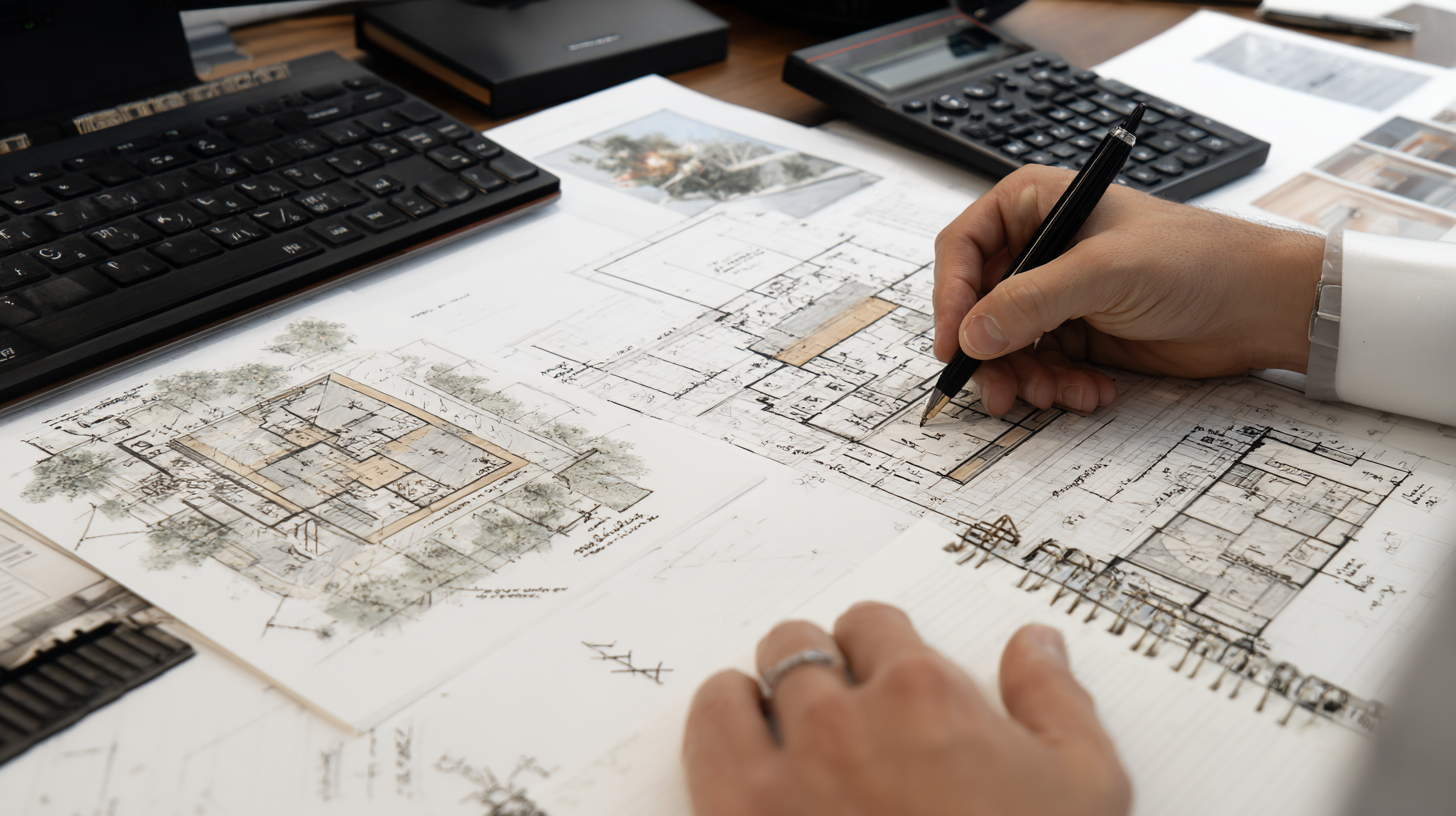
Think of it this way: you wouldn’t watch a few medical dramas and then perform your own appendectomy, right? (We hope not). The same principle applies here. A professional renovation contractor doesn’t just swing a hammer; they bring a blueprint, a timeline, a network of trusted specialists, and, crucially, the permits. Yes, the boring paperwork that keeps the city off your back.
- What a Pro Brings to Your Table (Literally):
- Problem-Seeing Vision: We walk into a space and see potential pitfalls and hidden opportunities you might miss. That awkward corner? We see a perfect built-in.
- Project Management Chaos Control: We coordinate electricians, plumbers, tilers, and the delivery of your gorgeous new fixtures so you don’t have to play full-time referee.
- Warranty & Peace of Mind: If something goes wrong six months after a DIY job, who you gonna call? With a general contractor like us, you have a single point of contact to make it right.
So, while DIY can be tempting for the price, the true cost often involves your sanity, time, and fixing expensive mistakes. IMO, know your limits. Your future self will thank you.
Budgeting Without the Heart Attack: It’s More Than Just a Number
Alright, let’s talk dollars. This is the part where everyone gets a little sweaty. The key is to stop thinking of your budget as one scary lump sum and start seeing it as a strategic plan. A house remodeling contractor worth their salt will help you do this.
First, get brutally honest about your must-haves versus your nice-to-haves. That Italian marble for the entire floor? Maybe a nice-to-have. Proper waterproofing in your shower? A non-negotiable must-have. We always advise setting aside a contingency fund of 10-20% of your total budget for the “oh wow, we found some interesting wiring behind that wall” moments. Because you will.
Here’s a rough breakdown of where your money typically goes in a major project. FYI, these are averages and can swing based on finishes and scope.
| Cost Category | Typical % of Budget | What It Generally Covers |
|---|---|---|
| Labor & Professional Fees | 25% – 35% | The skilled tradespeople, project management, and design expertise. |
| Materials & Finishes | 40% – 50% | Everything you touch and see: cabinets, flooring, tile, countertops, fixtures. |
| Appliances & Fixtures | 10% – 15% | Refrigerators, ovens, toilets, sinks, lighting. This is where choices greatly affect price. |
| Contingency Fund | 10% – 20% | Your financial safety net for unforeseen issues. Do not skip this! |
| Permits & Fees | 5% – 10% | The cost of doing things legally and correctly with your local municipality. |
The goal is affordable transformation, not cutting corners that lead to tears later. A good construction company will be transparent about this from day one.
Why Your Miami Home Isn’t Like the Rest (And Why That Matters)
Okay, this is a big one for us locals. Miami living is fantastic, but it comes with its own renovation playbook. Our climate, soil, and even architectural styles demand specific considerations. A generic approach just won’t cut it.
Humidity is public enemy number one here. We’re not just picking pretty materials; we’re selecting mold-resistant drywall, moisture-hardy paints, and ventilation systems that actually work. Then there’s our soil—hello, porous limestone and high water tables. This affects everything from foundation work for residential home additions to pool installations. And let’s not forget hurricane codes. Those impact-rated windows and doors aren’t just a suggestion; they’re a necessity for safety and insurance.
This hyper-local knowledge is exactly why choosing a Miami-based team is non-negotiable. We at Trusst Construction have been solving these specific puzzles for years. We know which materials stand up to our salt air and which permits move faster in which county. It’s insider knowledge that saves you time, money, and a massive headache.
Beyond the Home: When Your Business Needs a Facelift
Maybe your passion project isn’t your home; it’s your business. The same principles apply, but with a different set of stakes. An office refurbishment or a build-out for a new retail space isn’t just about aesthetics—it’s about branding, workflow, and customer experience.
As a commercial contractor, we shift our mindset from “living space” to “functional asset.” How does this layout maximize employee productivity? Does this design reflect your brand’s identity and welcome clients? How can we minimize business downtime during construction? It’s a different kind of puzzle, but just as rewarding. Whether you’re a startup needing its first real office or an established firm updating its look, the right partner makes all the difference in translating your vision into a space that works as hard as you do.
Picking Your Partner: How to Spot the Best Remodeling Company
So, you’re convinced you need a pro. How do you choose? A quick online search for “best remodeling company” gives you a thousand options. It’s overwhelming. Let’s simplify.
First, look for the proof: a robust portfolio of completed projects that align with your style. Then, read the reviews—not just the stars, but the stories. Next, and this is critical, meet them. The vibe check is real. You’re inviting this team into your personal space for weeks or months. You need to trust them and feel comfortable communicating.
Ask the hard questions:
- “Are you licensed and insured for work in my specific city?”
- “Can you provide a detailed, line-item estimate?”
- “Who will be my daily point of contact?”
- “What does your payment schedule look like?”
A trustworthy general contractor will answer these clearly and confidently, without hesitation. We built Trusst Construction on this foundation of clarity and trust. It’s why our clients become our best referrals. If you’re looking for that blend of quality, communication, and local know-how, well, you know who to call 🙂
Your Burning Renovation Questions, Answered
Let’s tackle some of the most common head-scratchers we hear.
1. How long will my project actually take?
Honestly? Longer than the HGTV episode suggests. A simple bathroom refresh might be 3-4 weeks. A major kitchen overhaul or full home remodel could be 3-6 months. The timeline depends on scope, material lead times (which can be wild post-pandemic), and permit approvals. A good contractor will give you a realistic schedule and, just as importantly, keep you updated if anything shifts.
2. Will this renovation add value to my home?
It can, but don’t view it solely as an investment. The primary goal should be improving your quality of life. That said, kitchen and bathroom remodels typically offer the best return on investment. We can advise on which upgrades make the most financial sense for our Miami market if resale is a key factor for you.
3. How disruptive is the process going to be?
We won’t sugarcoat it—it’s disruptive. There will be dust, noise, and workers in your space. But a professional team manages this chaos. We contain dust with zip walls, maintain a clean worksite daily, and communicate the noisy work schedule so you can plan your Zoom calls or quiet time. For major projects, planning to live elsewhere for a phase might be worth it for your sanity.
4. Can we live in the house during a renovation?
For many home remodeling services, yes, it’s possible. It requires patience and some prep on your part—like setting up a temporary kitchenette if yours is out of commission. We’ll work with you to phase the project to maintain essential living functions. For the most extensive full home remodels, moving out is often the less stressful (and sometimes safer) option.
So, there you have it. The mountain of renovation isn’t so scary once you have the right map and the right guides. It’s about planning smart, understanding the unique challenges of our beautiful city, and partnering with a team that sees your vision as clearly as you do. It’s about creating a space that doesn’t just look good in photos, but feels right every single day. And if you’re ready to start that conversation about your home or commercial project, you know where to find us. Let’s build something amazing, together.