

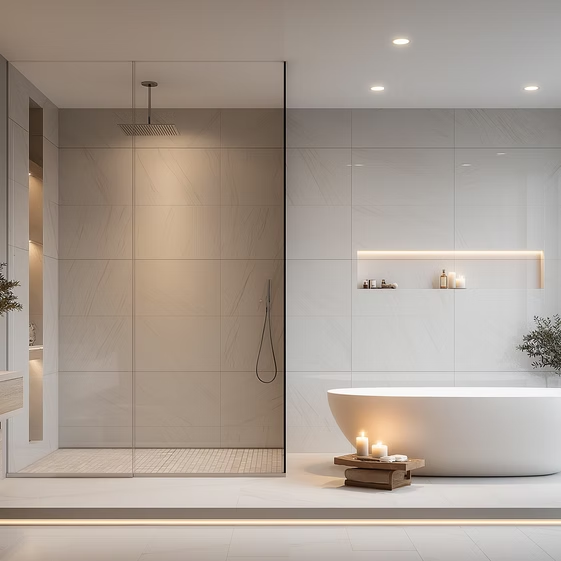




We hired Trusst Construction to renovate the bathroom in my mom’s home in Hollywood and they did a great job. Everything was smooth, communication was easy, and the bathroom came out beautiful. My mom is very happy. Definitely recommend them.


Their design ideas helped bring our vision to life in a way we would not have thought of ourselves. They kept everything simple to understand and guided us through each step. The final result feels balanced and well thought out.

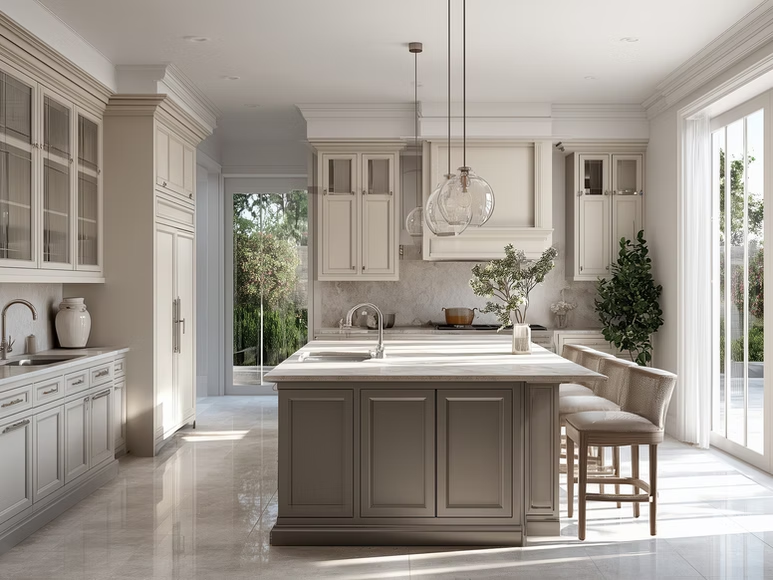
Josh did an amazing job renovating our bathroom and kitchen. He was attentive to every detail and ensured everything was flawless. Trusst Construction exceeded our expectations!

Working with a reliable remodel contractor made the whole experience stress free. The team kept the schedule tight and respected our time. Questions were answered quickly and clearly. The finished work looks clean and solid.

We recently hired Trusst Construction for a full bathroom remodel and new flooring installation in our home in Miami, and we couldn’t be happier with the results.
From the very beginning, the communication was outstanding. Gil, who was our project manager, kept us informed every step of the way. He was always available to answer questions, explain the process, and make sure we felt comfortable with every decision. That level of transparency really made the entire experience stress-free.
One thing that truly stood out was the cleanliness throughout the remodel. Remodeling can get messy, but the team at Trusst Construction took great care to protect our home and clean up at the end of each day. It made a huge difference in our day-to-day life while the work was being completed.
The bathroom turned out beautiful — modern, clean, and finished with high-quality craftsmanship. The new flooring throughout the house completely transformed the space and gave it a fresh, cohesive look.
If you’re looking for a reliable, professional contractor in Miami, I highly recommend Trusst Construction and Gil as your project manager. Great communication, clean job site, and excellent results.

We needed a home office separate from the main house because working remotely in Miami’s busy neighborhoods can get loud. The new accessory building is perfectly insulated and surprisingly cool even on hot afternoons. The attention to detail really stood out. They kept the job site clean and respected our property. The final result blends beautifully with our home. It feels like it was always meant to be there. Great experience overall and I highly recommend.

After last year’s hurricane season, we wanted a solid backyard structure that could stand up to Miami weather. From planning to final touches, everything felt organized and professional. They explained how the materials would hold up against heat and heavy storms. I appreciated how patient they were with our questions. The final building looks beautiful and feels incredibly sturdy. It’s now my husband’s dream workshop. I would highly recommend them to any homeowner in the area.

Living in Miami, we really needed extra space that could handle the heat and humidity. We decided to build a detached guest suite in the backyard, and the entire process felt smooth from start to finish. They paid attention to ventilation and moisture protection, which is huge down here. The crew showed up on time every day and kept everything neat despite the summer rain showers. Now our in-laws have their own comfortable space when they visit. It honestly turned out better than we imagined. Highly recommend if you’re thinking about adding extra space to your home.

Outstanding experience with Trusst Construction! The team was skilled, efficient, and extremely professional. They delivered high-quality work and ensured everything was completed perfectly. I truly appreciate their dedication and would gladly work with them again.

I recently used the services of Trusst Construction, and I couldn’t be more satisfied with the results. Their team demonstrated exceptional professionalism, attention to detail, and commitment to quality from start to finish. The project was completed on time, within budget, and exceeded my expectations. Communication was clear and consistent throughout the entire process. I highly recommend Trusst Construction to anyone looking for reliable and high-quality construction services.


People Also Ask
The cost to build a house in Brownsville varies significantly based on size, design, and finishes. As a general industry standard, current construction costs in the region typically range from $100 to $150 per square foot for a standard-quality build. For a 2,000-square-foot home, this translates to a base construction cost of approximately $200,000 to $300,000. This estimate usually excludes land acquisition, permitting fees, utility connections, and high-end customizations. Factors like material price fluctuations, labor availability, and the specific site conditions can also impact the final budget. It is highly advisable to obtain detailed quotes from several licensed local builders to get an accurate projection for your specific project plans.
In Brownsville, Texas, the concept of the "nicest" neighborhood often depends on priorities like family-friendliness, amenities, and property values. Areas like Villa Nueva and Las Palmas are frequently highlighted for their well-maintained homes, quiet streets, and proximity to quality schools and shopping. The Southmost area, while more historic, offers a strong sense of community. For newer developments with modern amenities, communities near Boca Chica Boulevard are popular. A professional homebuilder would advise that thorough research into school districts, future development plans, and flood zone maps is crucial, as these factors significantly impact long-term livability and investment value in any Brownsville neighborhood.
The choice between new construction and an existing home in Florida depends on your priorities. New construction offers modern energy-efficient designs, the latest building codes for hurricane resistance, and customization options, but often comes at a premium price in a master-planned community. An existing home, typically in an established neighborhood with mature landscaping, may offer more character, a quicker move-in timeline, and potentially a lower purchase price, but can require immediate updates or repairs. Key considerations include your budget, tolerance for potential delays with new builds, and the importance of location. A thorough inspection is crucial for an existing home, while vetting the builder's reputation is essential for new construction.
Building a new home in Brownsville offers a modern living experience with the latest construction standards and energy-efficient designs. The process typically involves selecting a reputable builder, securing financing, and choosing a lot in a developing subdivision. Key considerations include understanding local zoning laws, soil conditions for foundation stability, and flood plain regulations due to the coastal location. It is crucial to have a detailed contract outlining specifications, timelines, and warranty information. Working with a local real estate agent specializing in new construction can provide valuable market insight and help navigate available inventory, ensuring you find a property that meets both your needs and long-term investment goals in this growing Texas market.
When looking for new home builders in Brownsville, Texas, it's essential to research local companies with strong reputations for quality and reliability. Focus on builders who are licensed, insured, and have a portfolio of completed projects in the area. Key considerations include understanding the total cost, construction timeline, warranty offerings, and the flexibility of home designs. It is advisable to visit model homes, read customer reviews, and check for any past complaints with the Better Business Bureau. A reputable builder will be transparent about the process, use quality materials, and adhere to local building codes and energy efficiency standards, ensuring your investment is sound.
In Brownsville, TX, a new construction home on a corner lot offers distinct advantages. Corner lots typically provide increased curb appeal, more natural light, and greater privacy with fewer shared walls with neighbors. They often allow for more creative landscaping and architectural design, including potential side-entry garages. For buyers, this can mean enhanced property value. When considering such a property, it's crucial to verify builder reputation, review included warranties, and understand any specific zoning or setback requirements that apply to corner lots, as they can differ. A professional home inspection during construction phases is highly recommended to ensure all work meets current building codes and quality standards.