

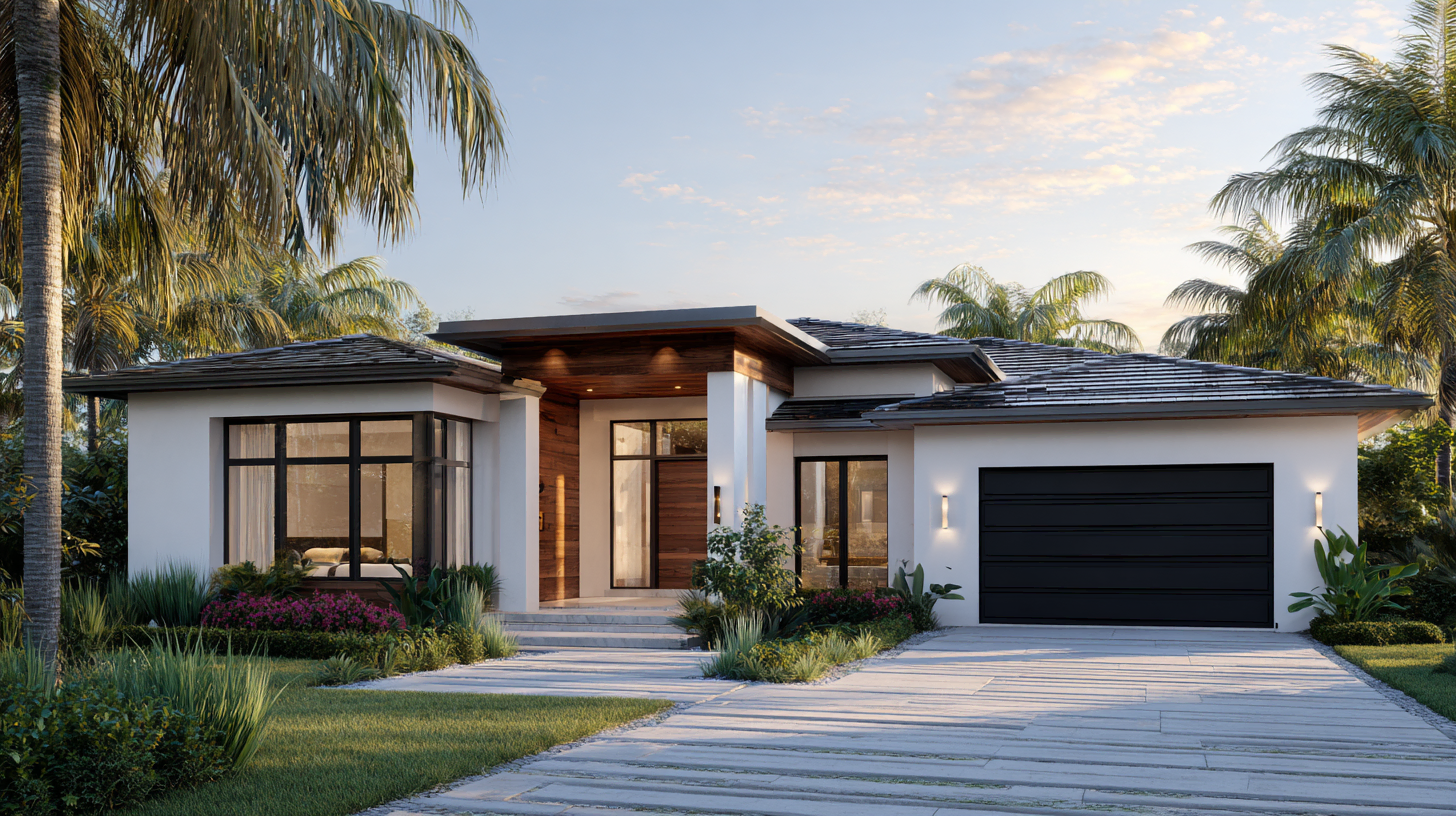
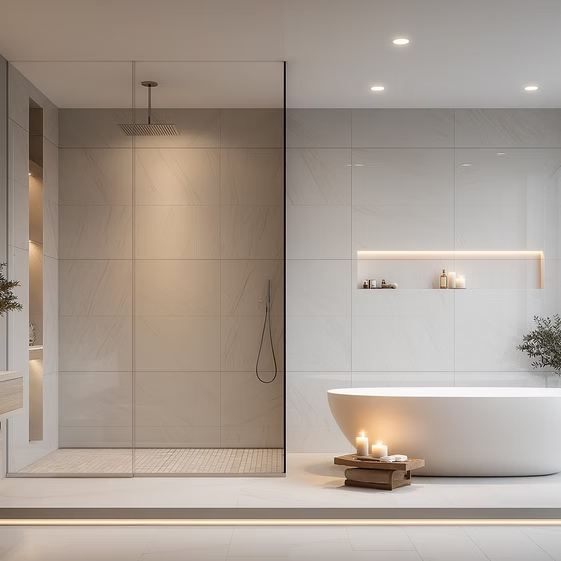



We hired Trusst Construction to renovate the bathroom in my mom’s home in Hollywood and they did a great job. Everything was smooth, communication was easy, and the bathroom came out beautiful. My mom is very happy. Definitely recommend them.


Their design ideas helped bring our vision to life in a way we would not have thought of ourselves. They kept everything simple to understand and guided us through each step. The final result feels balanced and well thought out.

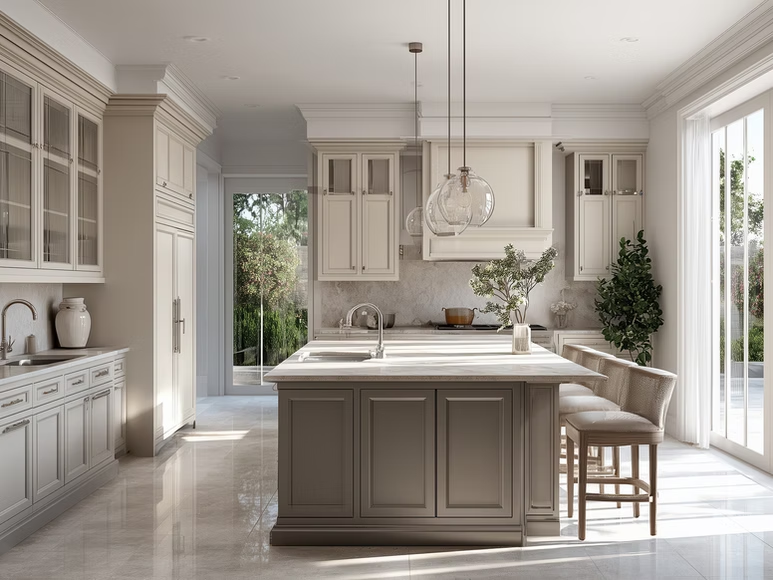
Josh did an amazing job renovating our bathroom and kitchen. He was attentive to every detail and ensured everything was flawless. Trusst Construction exceeded our expectations!

Working with a reliable remodel contractor made the whole experience stress free. The team kept the schedule tight and respected our time. Questions were answered quickly and clearly. The finished work looks clean and solid.

We recently hired Trusst Construction for a full bathroom remodel and new flooring installation in our home in Miami, and we couldn’t be happier with the results.
From the very beginning, the communication was outstanding. Gil, who was our project manager, kept us informed every step of the way. He was always available to answer questions, explain the process, and make sure we felt comfortable with every decision. That level of transparency really made the entire experience stress-free.
One thing that truly stood out was the cleanliness throughout the remodel. Remodeling can get messy, but the team at Trusst Construction took great care to protect our home and clean up at the end of each day. It made a huge difference in our day-to-day life while the work was being completed.
The bathroom turned out beautiful — modern, clean, and finished with high-quality craftsmanship. The new flooring throughout the house completely transformed the space and gave it a fresh, cohesive look.
If you’re looking for a reliable, professional contractor in Miami, I highly recommend Trusst Construction and Gil as your project manager. Great communication, clean job site, and excellent results.

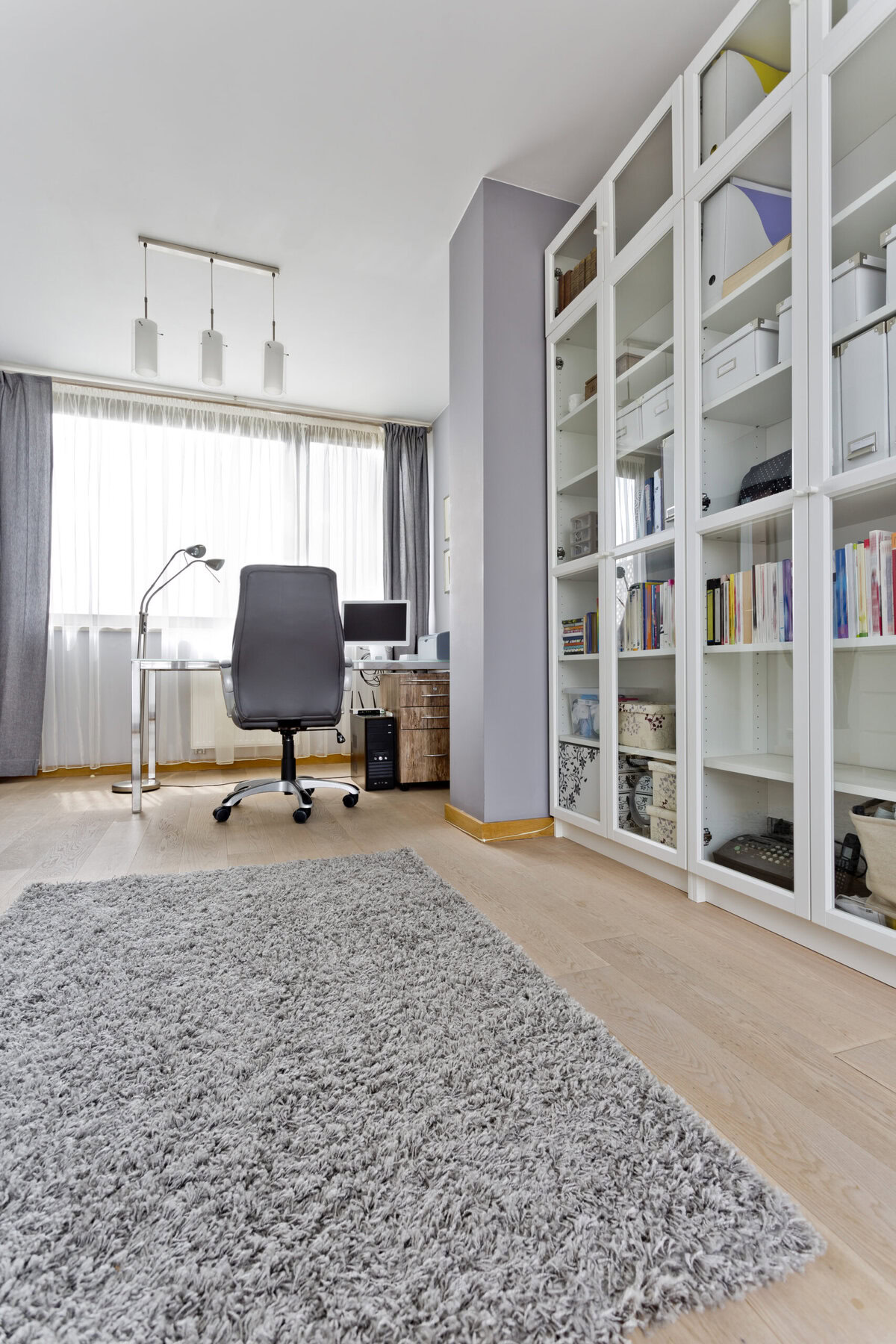
We needed a home office separate from the main house because working remotely in Miami’s busy neighborhoods can get loud. The new accessory building is perfectly insulated and surprisingly cool even on hot afternoons. The attention to detail really stood out. They kept the job site clean and respected our property. The final result blends beautifully with our home. It feels like it was always meant to be there. Great experience overall and I highly recommend.

After last year’s hurricane season, we wanted a solid backyard structure that could stand up to Miami weather. From planning to final touches, everything felt organized and professional. They explained how the materials would hold up against heat and heavy storms. I appreciated how patient they were with our questions. The final building looks beautiful and feels incredibly sturdy. It’s now my husband’s dream workshop. I would highly recommend them to any homeowner in the area.

Living in Miami, we really needed extra space that could handle the heat and humidity. We decided to build a detached guest suite in the backyard, and the entire process felt smooth from start to finish. They paid attention to ventilation and moisture protection, which is huge down here. The crew showed up on time every day and kept everything neat despite the summer rain showers. Now our in-laws have their own comfortable space when they visit. It honestly turned out better than we imagined. Highly recommend if you’re thinking about adding extra space to your home.

Outstanding experience with Trusst Construction! The team was skilled, efficient, and extremely professional. They delivered high-quality work and ensured everything was completed perfectly. I truly appreciate their dedication and would gladly work with them again.

I recently used the services of Trusst Construction, and I couldn’t be more satisfied with the results. Their team demonstrated exceptional professionalism, attention to detail, and commitment to quality from start to finish. The project was completed on time, within budget, and exceeded my expectations. Communication was clear and consistent throughout the entire process. I highly recommend Trusst Construction to anyone looking for reliable and high-quality construction services.


People Also Ask
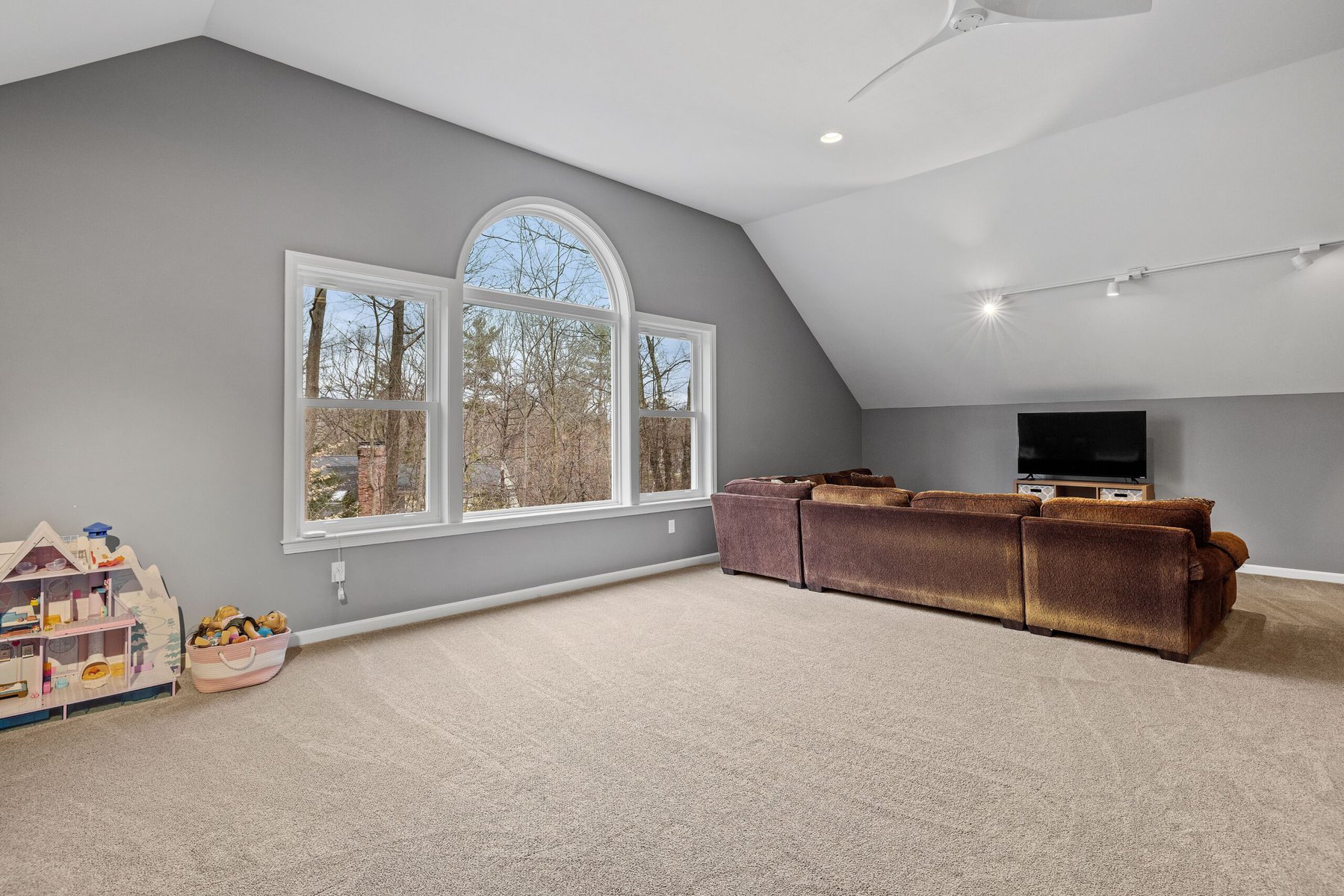
Adding a room at the lowest cost typically involves careful planning and choosing simpler construction methods. The most affordable approach is often a prefabricated or modular addition, as factory-built components reduce labor and time on-site. Converting existing underutilized space, like an attic, basement, or attached garage, is usually cheaper than building new from the ground up. Using standard-sized materials to minimize waste and cuts, along with a straightforward rectangular design without complex angles, also controls expenses. It is crucial to obtain proper permits and ensure the work meets local building codes to avoid costly corrections later. While DIY can save on labor, hiring a professional for critical structural and systems work is a wise investment for safety and longevity.
The cost comparison between building up (adding a second story) versus building out (a ground-floor addition) depends heavily on site-specific factors. Generally, building out is often less expensive per square foot initially, as it typically avoids the need for major structural reinforcement of the existing foundation and roof removal. However, it consumes valuable yard space and may require extensive site work. Building up can be more cost-effective on smaller lots and avoids foundation expansion, but it usually requires a detailed structural analysis, potential temporary relocation during construction, and significant upgrades to the existing first-floor structure to support the new load. A professional assessment of your property's foundation, zoning regulations, and project goals is essential for an accurate comparison.
Adding a well-designed bathroom typically adds the most value to a house. This upgrade offers a high return on investment because modern, functional bathrooms are a top priority for buyers. An additional full bathroom, especially for homes with only one or two, can significantly increase marketability and appraised value. The key is to focus on quality finishes, efficient layouts, and timeless features like neutral tile, good lighting, and ample storage. While kitchens are also major value-drivers, adding a bathroom often addresses a more critical need for space and convenience, directly impacting a home's functionality and appeal to a broader range of potential buyers.
The cost to add a room to a house varies widely based on size, location, and complexity. A basic addition typically ranges from $80 to $200 per square foot. Therefore, a 200-square-foot room could cost between $16,000 and $40,000. This estimate generally includes foundation, framing, roofing, and basic interior finishes. However, factors like high-end materials, plumbing for bathrooms, electrical upgrades, or complex site work can significantly increase the total. It is crucial to obtain detailed quotes from licensed contractors, as local building codes, permit fees, and labor costs are major variables. Proper planning and a clear contract are essential for managing budget and expectations.