
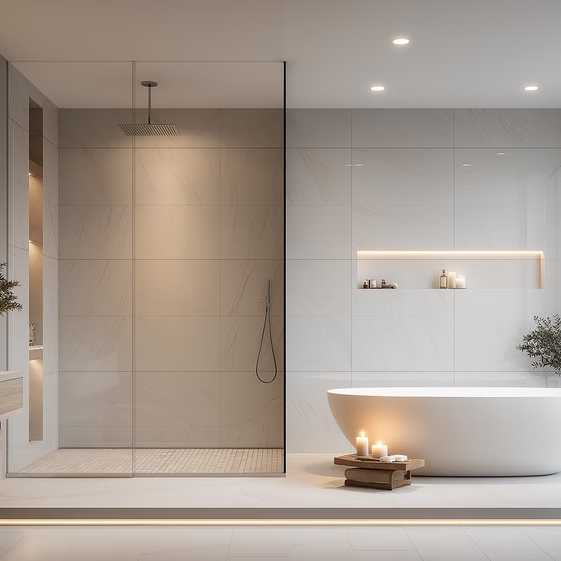





We hired Trusst Construction to renovate the bathroom in my mom’s home in Hollywood and they did a great job. Everything was smooth, communication was easy, and the bathroom came out beautiful. My mom is very happy. Definitely recommend them.


Their design ideas helped bring our vision to life in a way we would not have thought of ourselves. They kept everything simple to understand and guided us through each step. The final result feels balanced and well thought out.

Josh did an amazing job renovating our bathroom and kitchen. He was attentive to every detail and ensured everything was flawless. Trusst Construction exceeded our expectations!

Working with a reliable remodel contractor made the whole experience stress free. The team kept the schedule tight and respected our time. Questions were answered quickly and clearly. The finished work looks clean and solid.

We recently hired Trusst Construction for a full bathroom remodel and new flooring installation in our home in Miami, and we couldn’t be happier with the results.
From the very beginning, the communication was outstanding. Gil, who was our project manager, kept us informed every step of the way. He was always available to answer questions, explain the process, and make sure we felt comfortable with every decision. That level of transparency really made the entire experience stress-free.
One thing that truly stood out was the cleanliness throughout the remodel. Remodeling can get messy, but the team at Trusst Construction took great care to protect our home and clean up at the end of each day. It made a huge difference in our day-to-day life while the work was being completed.
The bathroom turned out beautiful — modern, clean, and finished with high-quality craftsmanship. The new flooring throughout the house completely transformed the space and gave it a fresh, cohesive look.
If you’re looking for a reliable, professional contractor in Miami, I highly recommend Trusst Construction and Gil as your project manager. Great communication, clean job site, and excellent results.

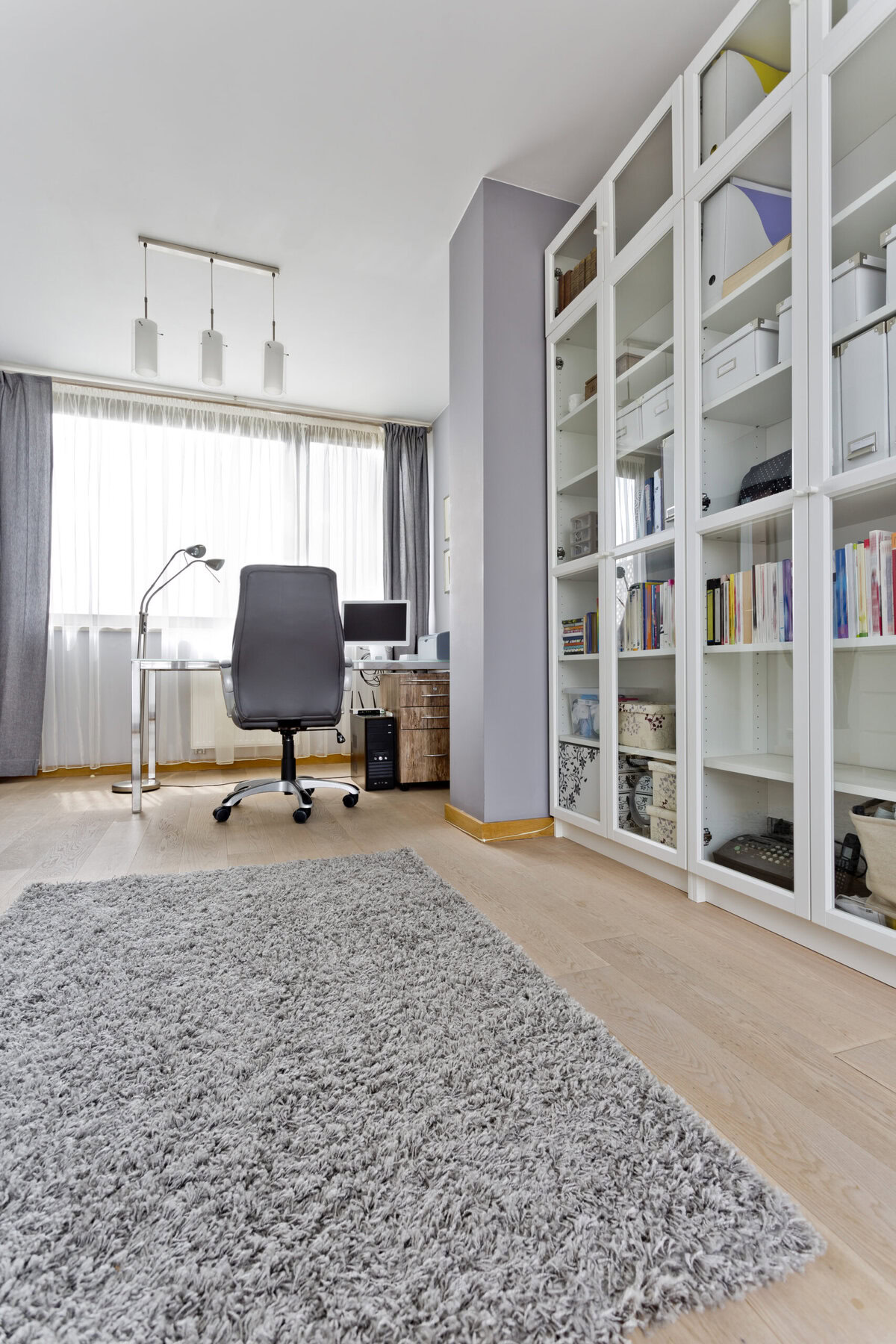
We needed a home office separate from the main house because working remotely in Miami’s busy neighborhoods can get loud. The new accessory building is perfectly insulated and surprisingly cool even on hot afternoons. The attention to detail really stood out. They kept the job site clean and respected our property. The final result blends beautifully with our home. It feels like it was always meant to be there. Great experience overall and I highly recommend.

After last year’s hurricane season, we wanted a solid backyard structure that could stand up to Miami weather. From planning to final touches, everything felt organized and professional. They explained how the materials would hold up against heat and heavy storms. I appreciated how patient they were with our questions. The final building looks beautiful and feels incredibly sturdy. It’s now my husband’s dream workshop. I would highly recommend them to any homeowner in the area.

Living in Miami, we really needed extra space that could handle the heat and humidity. We decided to build a detached guest suite in the backyard, and the entire process felt smooth from start to finish. They paid attention to ventilation and moisture protection, which is huge down here. The crew showed up on time every day and kept everything neat despite the summer rain showers. Now our in-laws have their own comfortable space when they visit. It honestly turned out better than we imagined. Highly recommend if you’re thinking about adding extra space to your home.

Outstanding experience with Trusst Construction! The team was skilled, efficient, and extremely professional. They delivered high-quality work and ensured everything was completed perfectly. I truly appreciate their dedication and would gladly work with them again.

I recently used the services of Trusst Construction, and I couldn’t be more satisfied with the results. Their team demonstrated exceptional professionalism, attention to detail, and commitment to quality from start to finish. The project was completed on time, within budget, and exceeded my expectations. Communication was clear and consistent throughout the entire process. I highly recommend Trusst Construction to anyone looking for reliable and high-quality construction services.


Related Articles
People Also Ask
The cost of a 20x20 room addition varies widely based on location, materials, and complexity, but a typical range is between $80,000 and $200,000. This translates to roughly $200 to $500 per square foot. A basic, single-story addition with standard finishes tends to be at the lower end. Costs increase significantly for second-story additions, high-end finishes, complex foundations, or if the project requires extensive plumbing, electrical, or HVAC work. Key factors include site preparation, permit fees, design costs, and the quality of materials. It is crucial to obtain detailed quotes from licensed contractors, as unforeseen structural issues can substantially impact the final budget.
The cost to add a 10x10 room addition typically ranges from $20,000 to $80,000, with a national average around $48,000. This wide variation depends heavily on the project's complexity, materials, and location. A basic, unfinished space on a simple foundation might fall at the lower end, while a fully finished bedroom, bathroom, or kitchen with high-end finishes, plumbing, electrical, and HVAC can reach the higher figures. Key cost factors include site preparation, foundation type, roofing, interior finishes, and permitting fees. It is crucial to obtain detailed quotes from licensed contractors, as labor constitutes a significant portion of the expense. Always budget an additional 10-20% for unforeseen issues.
The 30% rule in remodeling is a general budgeting guideline suggesting that homeowners should not spend more than 30% of their home's current market value on a major renovation project. This rule helps prevent over-improvement, where the cost of the remodel significantly exceeds the value it adds to the property, making it difficult to recoup the investment upon sale. For example, on a $500,000 home, the recommended budget cap would be around $150,000. While a useful starting point, this rule is flexible. Factors like the local real estate market, the specific type of renovation (kitchen and bath updates typically offer better returns), and how long you plan to stay in the home can all influence the appropriate budget. Consulting with a professional contractor and a real estate agent is advised for a tailored financial plan.
The cost comparison between adding an addition (building out) versus building up (adding a second story) depends heavily on your specific project and existing structure. Generally, building out is often less expensive per square foot initially, as it avoids major structural modifications to the existing foundation and roof. However, it consumes yard space and may require extensive site work. Building up typically costs more due to the need for engineering to reinforce the foundation and first-floor structure, plus the complete removal and replacement of the roof. It also often requires the homeowner to vacate during construction. The cheaper option ultimately depends on lot size, local zoning, the current home's condition, and the project's scope. A detailed cost analysis from a qualified contractor is essential.
For homeowners in Miami Springs considering small room additions, it is crucial to start with a clear plan that complies with local zoning and building codes. Miami-Dade County has specific regulations, including hurricane-resistant construction standards, that must be met. A professional contractor can help navigate permits and design a functional space that complements your existing home's architecture. Popular options include adding a sunroom, home office, or expanded master suite. Proper planning ensures the addition increases your living space and property value while adhering to strict South Florida building requirements for wind loads and flood zones. Always secure multiple bids and verify contractor licensing and insurance.