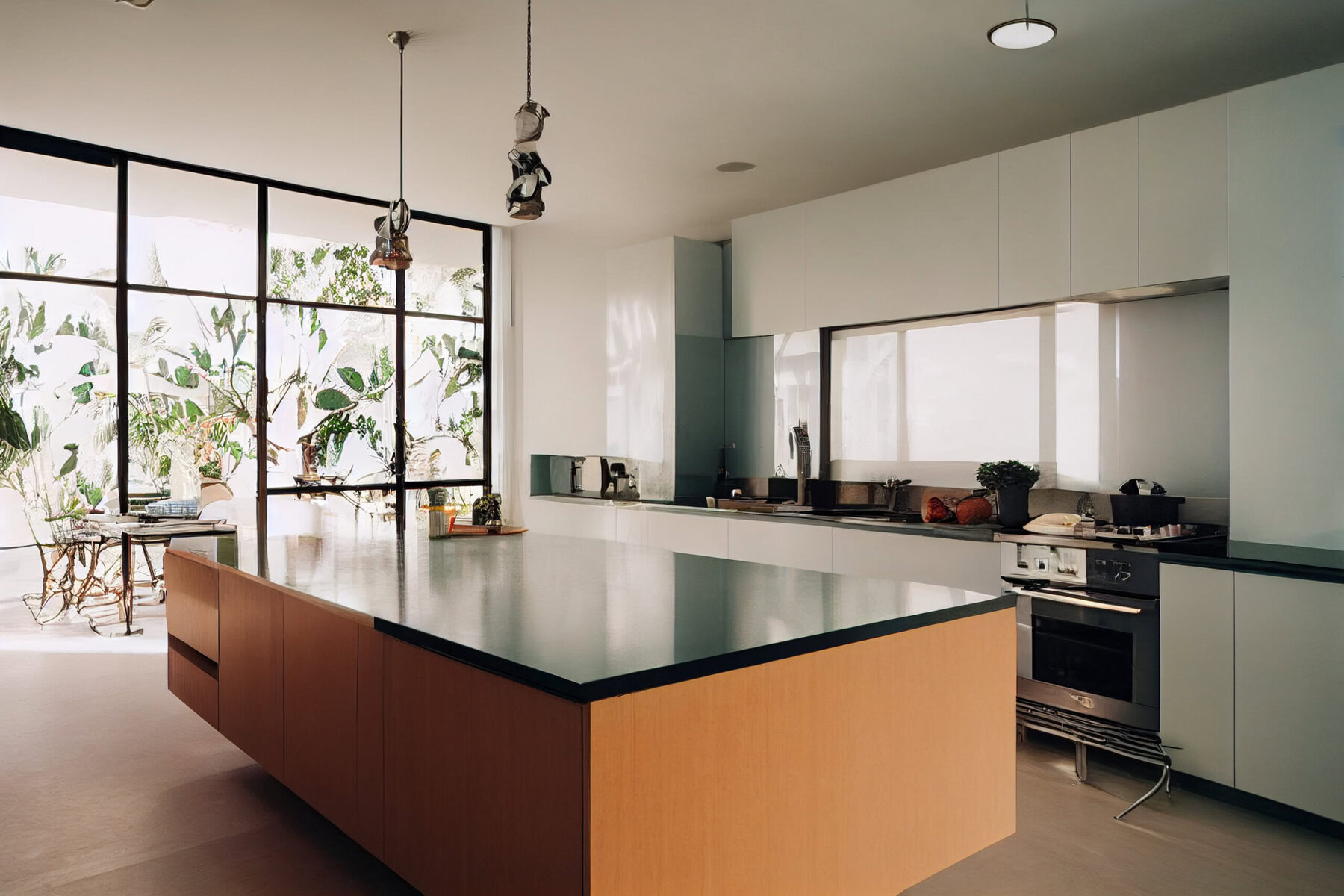

Ever stared at a cracked tile in your bathroom and thought, “I can’t live like this anymore”? Or maybe you’ve dreamed of that open-concept kitchen that would actually let you talk to your guests while you cook, instead of just yelling over the exhaust fan. We get it. The journey from “this house needs work” to “this is my dream home” can feel like a marathon with a blindfold on. Where do you even start? Do you call a bathroom remodeler, or do you need a full home remodel plan? And let’s be honest, the words “construction” and “budget” in the same sentence can cause a mild panic.
Well, take a deep breath. We’ve been navigating these waters in Miami for years, and we’re here to have a real talk about turning renovation anxiety into excitement. It’s all about asking the right questions and finding the right partner. Spoiler alert: that’s where a great general contractor comes in, and why we built Trusst Construction the way we did.
Table of Contents
So, What Exactly Are You Getting Into?
First things first, let’s clear up some terminology, because the industry loves to make things sound more complicated than they are. IMO, it’s pretty simple.
- Remodeling vs. Renovation: People use these interchangeably, but there’s a nuance. Renovation often means restoring something to a good state—think refinishing cabinets or updating fixtures. Remodeling involves changing the structure—knocking down a wall, moving plumbing, that kind of thing. A great renovation contractor needs to be expert at both.
- The Scope Spectrum: Your project could be a single-room update or a top-to-bottom transformation.
- Targeted Updates: Bathroom remodeler work, kitchen refreshes, office refurbishment.
- Expansive Projects: Residential home additions, full home remodel plans, converting a garage.
- The Big Leagues: This is where a true house remodeling contractor or commercial contractor operates, managing complex sequences and multiple trades.
Knowing where you fall on this spectrum is step one. It directly impacts everything else—especially the cost.
Let’s Talk About the “C” Word: Cost & Budgeting (Without the Headache)
Alright, let’s rip the band-aid off. The price of your project isn’t just a number on a quote; it’s a story. It tells the story of materials, labor, timelines, and unforeseen challenges (because there are always a few). The goal isn’t to find the cheapest price; it’s to find the best value.
A transparent construction company won’t make you play a guessing game. They’ll break it down. At Trusst Construction, for example, we believe in upfront, detailed proposals. Why? Because we hate surprises as much as you do. We want you to understand what you’re investing in.
Here’s a quick reality check on what shapes your budget:
- Material Choices: This is your biggest lever. Custom cabinetry vs. semi-custom? Porcelain tile vs. natural stone? These choices have a massive range.
- Labor Intensity: Intricate tile patterns, complex electrical work, or structural changes require more skilled hours.
- The “While We’re At It” Syndrome: Found mold behind the shower? Wiring not to code? These are the hidden gremlins that a good contractor anticipates and plans for.
- Location, Location, Location: Working near the coast in Miami? We have specific building codes for a reason. A local team knows these inside and out.
The dream is affordable quality. That doesn’t mean cheap; it means smart spending where it counts and avoiding costly re-dos. A clear plan from a trusted partner is how you get there.
Why Your Choice of Contractor is Everything (And We Mean Everything)
You can have the most beautiful vision board on Pinterest, but if the team executing it is disorganized, uncommunicative, or cuts corners, you’re in for a world of stress. Choosing your general contractor is the most critical decision you’ll make.
Think of them as the conductor of an orchestra. The plumber, electrician, carpenter, and tiler are all brilliant musicians, but without a conductor, it’s just noise. A great contractor manages the schedule, ensures quality, handles permits (a thrilling Miami pastime, let us tell you), and is your single point of contact.
So, what makes the best remodeling company? Look for:
- Communication: Do they actually listen, or just wait for their turn to talk? You want a partner, not a dictator.
- Transparency: How do they handle changes or unexpected issues? The answer should be “with clear communication and documentation.”
- Portfolio & Passion: Do their past projects make you say “wow”? Do they get excited about your vision?
- Process: Do they have one? A proven system for planning, execution, and client updates is non-negotiable.
We built Trusst Construction around these pillars because we’ve seen what happens without them. Our goal is to make the process as smooth as the final finish. FYI, that’s why we encourage you to contact us early, even just for a chat. It lets you feel out the fit before any commitment.
The Miami Factor: It’s Not Just Sunshine and Beaches
Building in Miami is a unique beast, and any construction company worth its salt here will tell you the same. It’s not just about the beautiful light; it’s about dealing with it.
- Climate & Codes: Our humidity and salt air demand specific materials. Our hurricane codes impact everything from windows to roof ties. A contractor who usually works in, say, the Midwest, might not be prepared for this. We live and breathe it.
- The Permit Puzzle: Miami-Dade and local municipality permits have their own… personality. An experienced local general contractor navigates this maze daily. Trying to DIY this part is a surefire way to add months to your timeline.
- Lifestyle Flow: Our indoor-outdoor living is legendary. A great remodel here considers how the space flows to the patio, pool, or garden. It’s a different way of thinking about your home remodeling services.
Your Project Roadmap: A Peek Behind the Curtain
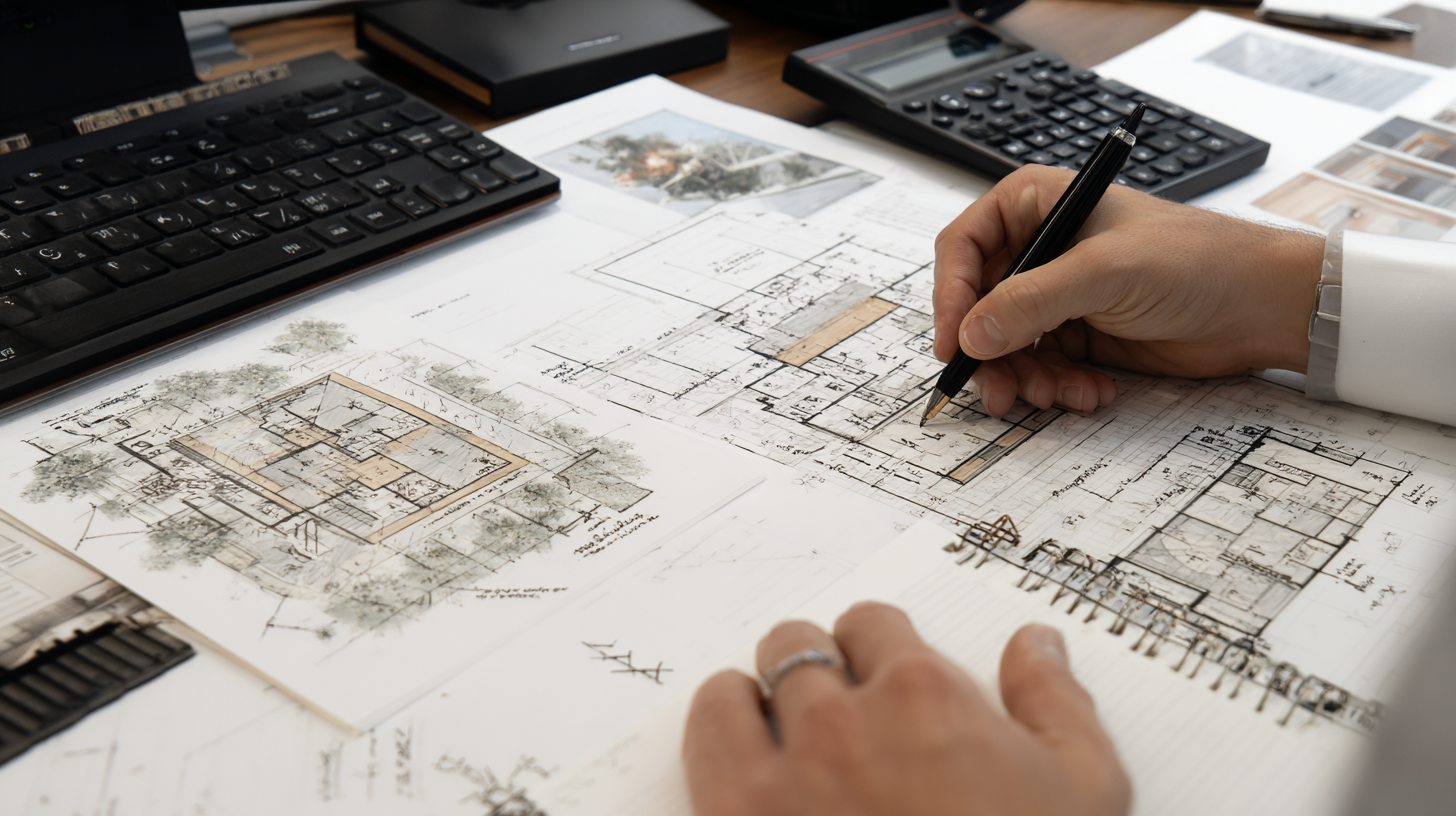
Ever wondered what actually happens after you sign a contract? Let’s demystify it. While every project is unique, a professional team follows a rhythm. Here’s a simplified look at a typical full home remodel or major addition timeline.
| Phase | Key Activities | What You’re Doing | The “Why” Behind It |
|---|---|---|---|
| 1. Discovery & Design | Initial consult, concept design, space planning, material selection. | Making big decisions, getting inspired, finalizing budgets. | This is the foundation. Rushing here causes chaos later. We get every detail on paper. |
| 2. Pre-Construction | Engineering, permit applications, finalizing trade partners, scheduling. | Approving final drawings, making last-minute material choices. | The “invisible” work that makes the visible work possible. No permits = no work. |
| 3. Demolition & Rough-In | Safe demolition, framing, electrical/plumbing/AC rough-ins, inspections. | Maybe staying elsewhere if it’s a major project. | The messy but thrilling “blank slate” phase. Walls come down, new shapes emerge. |
| 4. Installation & Finishes | Drywall, flooring, cabinetry, trim, painting, fixture installation. | Watching your dream take tangible shape. Final tile/grout/paint color checks. | Where the beauty comes to life. This requires precise coordination of different craftspeople. |
| 5. Final Punch & Reveal | Final inspections, deep clean, addressing punch-list items, walkthrough. | Learning how everything works, celebrating, moving back in! | The payoff. A professional won’t consider the job done until you are 100% thrilled. |
Questions We Hear All the Time (And Our Straight Answers)
1. How long will my project really take?
Honestly? It depends on scope, permits, and material availability. A bathroom might be 4-6 weeks. A full home remodel could be 4-6 months. A good contractor gives you a realistic range and, more importantly, communicates proactively if anything shifts. We’d rather under-promise and over-deliver.
2. Should I get multiple bids?
Absolutely. But compare apples to apples. A shockingly low bid often means someone is cutting corners, using inferior materials, or hasn’t accounted for everything. Look at the detail and the value, not just the bottom line.
3. How do we handle changes once work starts?
Changes happen! The key is a formal “Change Order” process. This documents the change, the adjusted cost, and the impact on the timeline before any work is done. It keeps everyone protected and avoids “he said, she said” at the end.
4. Why can’t I just subcontract everything myself to save money?
You can, but ask yourself: Do you have the time to coordinate 10+ different tradespeople? The expertise to sequence them correctly? The leverage to guarantee their work? For most people, the stress and potential for costly errors far outweigh the perceived savings. That’s the value of a general contractor.
Wrapping This Renovation Chat Up
At the end of the day, a successful remodeling project isn’t just about new countertops or a bigger closet. It’s about the feeling you get when you walk through your front door. It’s about a space that finally works for your life, not against it. It’s about creating memories in a place you truly love.
That journey requires trust, clarity, and a team that treats your home like it’s their own. That’s the philosophy we carry into every project at Trusst Construction, whether it’s a cozy bathroom update or a sprawling commercial build-out.
So, if you’re in Miami and those daydreams about your space are getting louder, let’s have a real conversation. Reach out, tell us your vision, and let’s figure out how to make it happen—smoothly, smartly, and with a few laughs along the way. After all, it’s your home. You should absolutely love the process of making it perfect for you.