
Ever stared at a cracked bathroom tile or a kitchen that feels like it’s from a different century and thought, “I just can’t deal with this anymore”? We’ve all been there. The dream of a home that truly works for us is powerful, but the path to getting there—the planning, the dust, the sheer decisions—can feel overwhelming. Let’s have a real talk about navigating a renovation or remodel, because doing it right is less about swinging a hammer and more about crafting a smart, seamless experience.
Table of Contents
The Great Debate: Renovation vs. Remodel
First things first, let’s clear up some jargon that gets tossed around like confetti. Is it a renovation? A remodel? Does it even matter? Well, yeah, it kinda does, especially when you’re trying to figure out scope and, let’s be real, the potential cost.
Think of a renovation as a facelift. You’re refreshing, restoring, and updating what’s already there. We’re talking new paint, swapping out fixtures, refinishing cabinets, putting in new flooring. The core layout and purpose of the space stay the same. It’s often more affordable and less invasive.
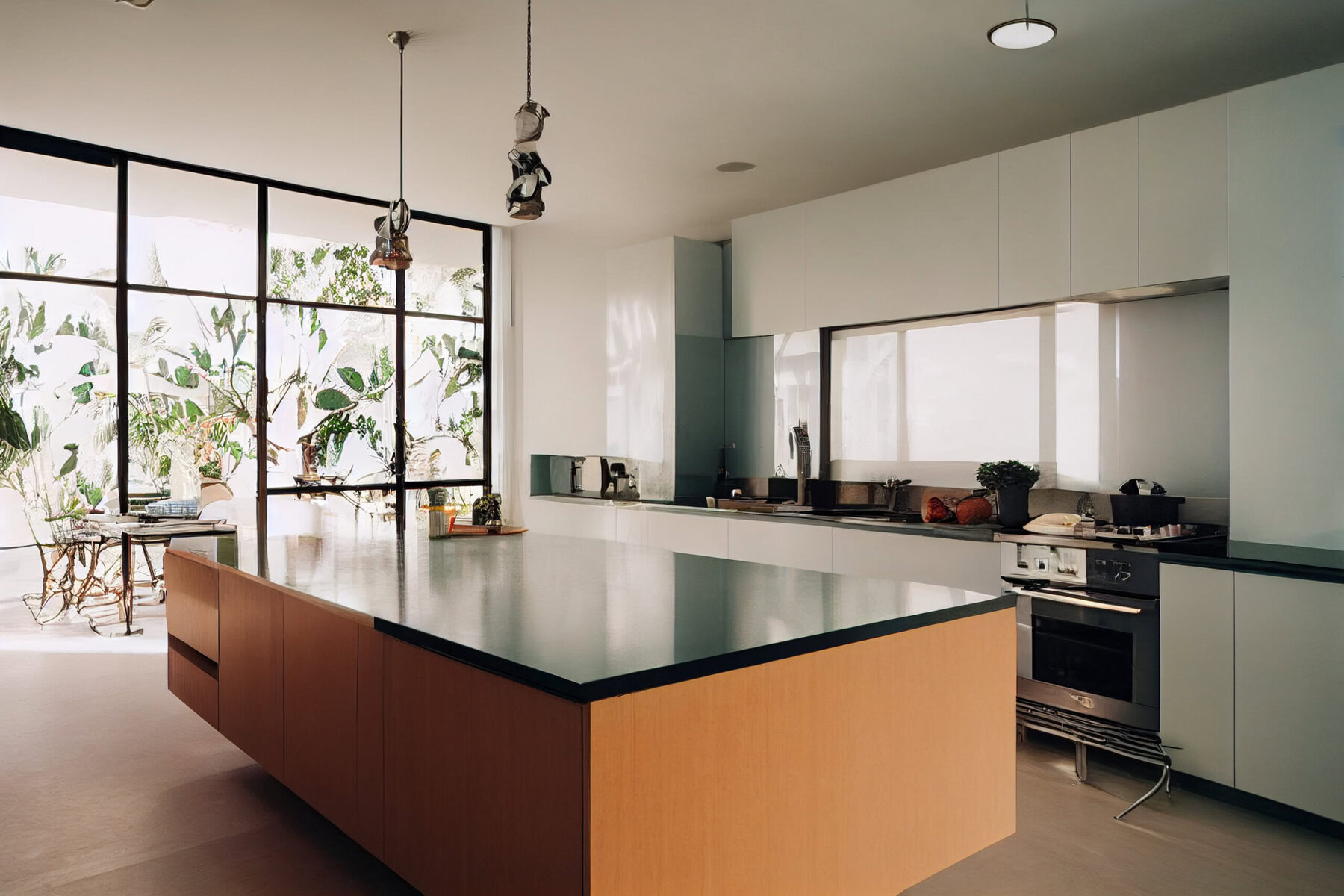
A remodel, on the other hand, is like major reconstructive surgery. You’re changing the structure, the layout, the very essence of the space. Knocking down a wall to create an open-concept kitchen? That’s a remodel. Converting a garage into a livable suite? Definitely a remodel. This is where you bring in a house remodeling contractor for a full home remodel vision.
So, which one do you need? Ask yourself: Am I happy with the flow, or am I fighting my floor plan every day? Your answer is your starting point.
Why Your General Contractor is Your MVP
Here’s our hot take: the single most important decision you’ll make isn’t your faucet finish (though, matte black is pretty sweet). It’s choosing your general contractor. This person or team is the conductor of your entire symphony. They manage the subs, the schedule, the permits, and the 10,000 tiny problems that inevitably pop up.
A great general contractor does more than just build; they translate. They take your Pinterest board dreams and turn them into a buildable, permitted, on-budget reality. They’re your buffer from the chaos. Ever tried coordinating an electrician, a plumber, and a drywaller all in the same week while holding down your day job? It’s a special kind of stress we wouldn’t wish on anyone.
This is where a construction company like ours, Trusst Construction in Miami, shines. We live for this coordination. We become your single point of contact, so you’re not playing phone tag with seven different trades. Think of us as your project’s CEO, handling the operations so you can focus on the fun parts.
Budgeting: The Art of Expecting the Unexpected
Let’s talk numbers. Everyone wants to know the price, and everyone hopes for affordable. But “affordable” is relative, right? A realistic budget isn’t just about materials and labor; it’s your financial peace of mind.
Always, and we mean always, include a contingency fund. We recommend 10-20% of your total project cost. Why? Because once walls open up, surprises love to say hello. “Oh, look, the previous owner’s plumbing looks like a spaghetti monster!” or “Turns out this load-bearing wall is a fun surprise!” A contingency fund turns a panic-inducing discovery into a manageable hiccup.
Here’s a quick breakdown of where your money typically goes in a medium-scale project:
| Cost Category | Typical % of Budget | What It Covers |
|---|---|---|
| Design & Planning | 5-10% | Architect/designer fees, permits, engineering |
| Construction & Labor | 50-60% | General contractor fees, all trade labor (carpentry, electrical, plumbing, etc.) |
| Materials & Finishes | 25-35% | Lumber, drywall, windows, flooring, cabinets, countertops, fixtures |
| Contingency | 10-20% | The “just in case” fund for unforeseen issues. Do not skip this! |
Pro tip: When getting quotes, compare the scope of work line-by-line, not just the bottom line. The cheapest bid often just means they forgot to include something. IMO, a detailed, transparent quote from a best remodeling company is worth its weight in gold.
Residential vs. Commercial: It’s a Different Ballgame
Now, maybe you’re not just thinking about your home. Maybe you’ve got a business near the Design District that needs a refresh. Office refurbishment and commercial contractor work is a whole different beast.
With residential work, we’re focused on your personal sanctuary. With commercial, it’s about minimal downtime, strict code compliance for public spaces, and functionality that boosts productivity. The scheduling often happens after hours or in phased rollouts. The priorities shift from a luxury shower to efficient workflow and durable, low-maintenance materials that can handle daily traffic.
Whether it’s a bathroom remodeler creating your spa-like retreat or a team handling a full office refurbishment, the core principle is the same: clear communication and meticulous planning. But the execution? Totally different playbooks. FYI, that’s why many firms specialize in one or the other. At Trusst Construction, we’ve built teams that expertly handle both sides of the coin, because understanding both worlds makes us better at each.
Your Game Plan: From Dream to Done
Feeling a bit more prepared? Good! Let’s walk through what the process should look like with a professional team.
1. The Vision & Plan Phase
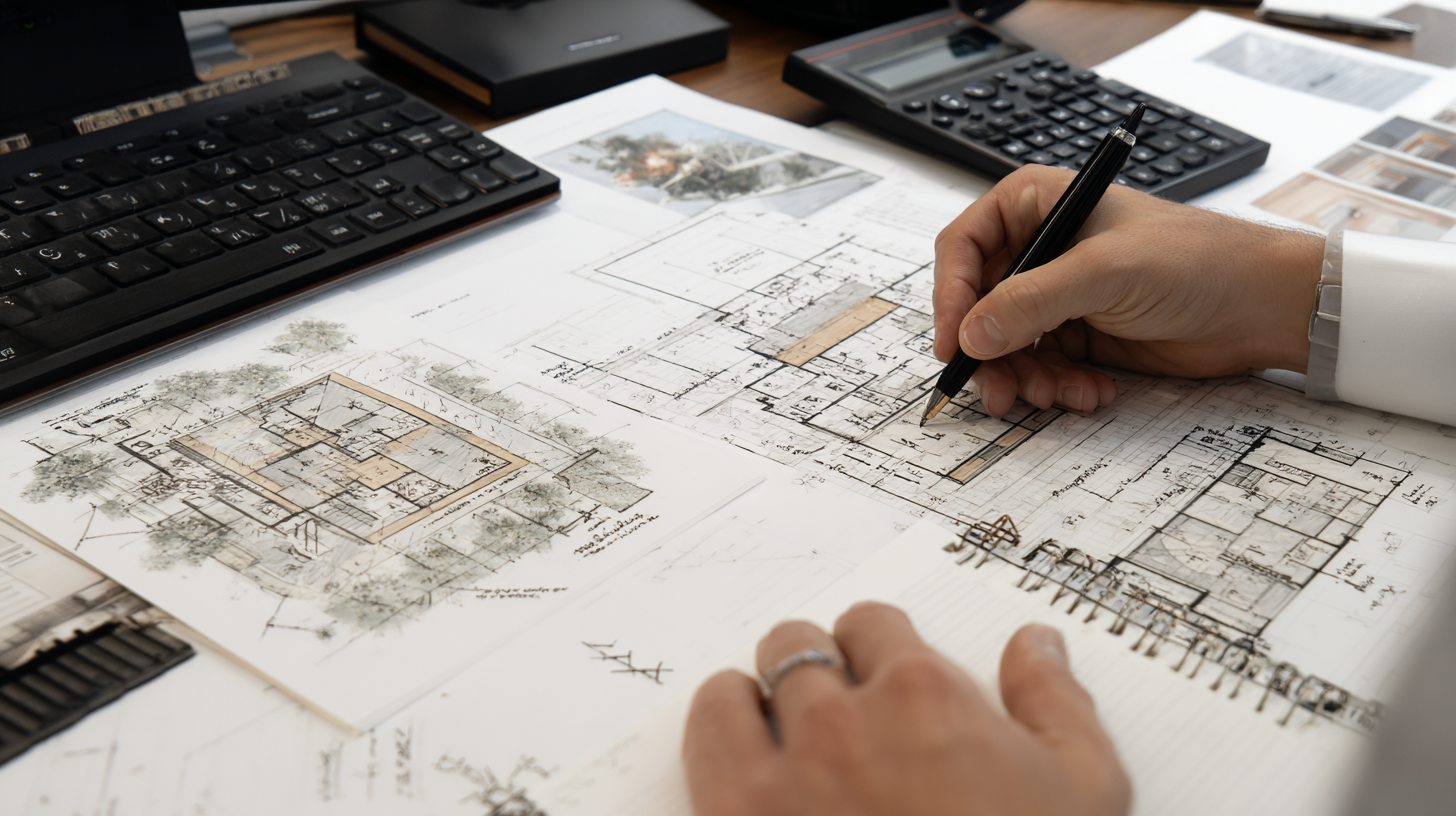
This is all about dreaming with a dose of reality. We sit down, look at your space, and talk about how you live. Then, the pros (architects or designers) get involved to draw it up. This phase ends with a complete set of plans and a detailed scope of work. Skipping this is like driving cross-country without a map. You’ll get lost, and it’ll cost you.
2. The Pre-Construction Phase
Here’s where your general contractor earns their keep. They take those pretty plans and do the gritty work: pulling permits, finalizing schedules, ordering long-lead materials (that gorgeous Italian tile isn’t arriving tomorrow, sorry), and assembling the dream team of subcontractors.
3. The Construction Phase
Let the dust fly! A good GC will manage this like a military campaign, with daily coordination and clear communication with you. Demolition comes first, then the rough-in work (electrical, plumbing, HVAC), then insulation, drywall, and finally, the pretty stuff—finishes, paint, fixtures.
4. The Final Walk-Through & Punch List
This isn’t the finish line; it’s the quality control lap. We go through the space together with a fine-tooth comb and note any tiny items that need adjustment—a paint touch-up, a grout line, a door that sticks. It’s how we ensure you’re 100% thrilled before we hand over the keys to your new space.
Answers to the Questions You’re Definitely Asking
Q1: How long will my project actually take?
A: Always plan for the estimate you’re given, plus a little buffer. A simple bathroom might take 3-4 weeks. A full kitchen or residential home addition can take 3-6 months. Complexity, permit delays, and material availability are the big variables. A good contractor will give you a realistic timeline upfront and communicate proactively about any shifts.
Q2: Should I live in my home during the remodel?
A: For small, contained projects, maybe. For anything involving a kitchen, primary bathroom, or major dust creation, we strongly advise finding another place to stay, even if it’s just with family for a few weeks. Living in a construction zone is stressful on relationships and your sanity.
Q3: How do I choose the right contractor?
A: Look beyond the website. Ask for recent references and call them. Go see their finished work in person. Verify their licenses and insurance. Most importantly, gauge your communication with them. Do they listen? Are they transparent? You’re entering a months-long partnership; you need to trust and like them.
Q4: What’s the biggest mistake homeowners make?
A: Changing their mind mid-stream. It’s called a “change order,” and it’s the arch-nemesis of budgets and schedules. Get all your decisions locked down during the planning phase. Yes, you might see a new trend later, but sticking to the plan is the fastest, most cost-effective path to done.
So, there you have it. The journey from “ugh” to “wow” doesn’t have to be a nightmare. It’s about setting a clear vision, budgeting smartly, and most importantly, partnering with a team you trusst to guide you through. If you’re in Miami and thinking about home remodeling services, from a quick refresh to a ground-up full home remodel, you know who to call. Let’s build something amazing, together.