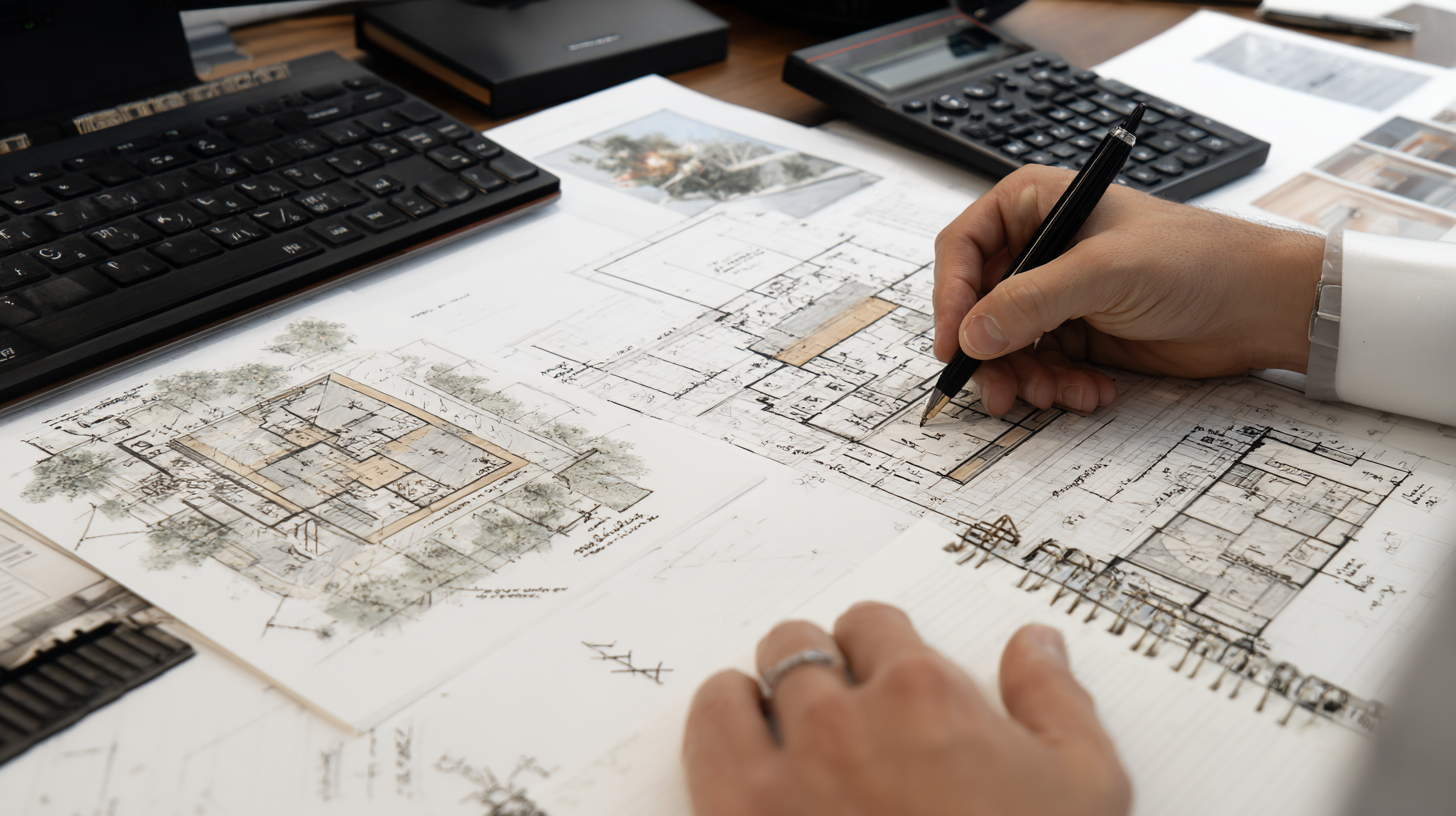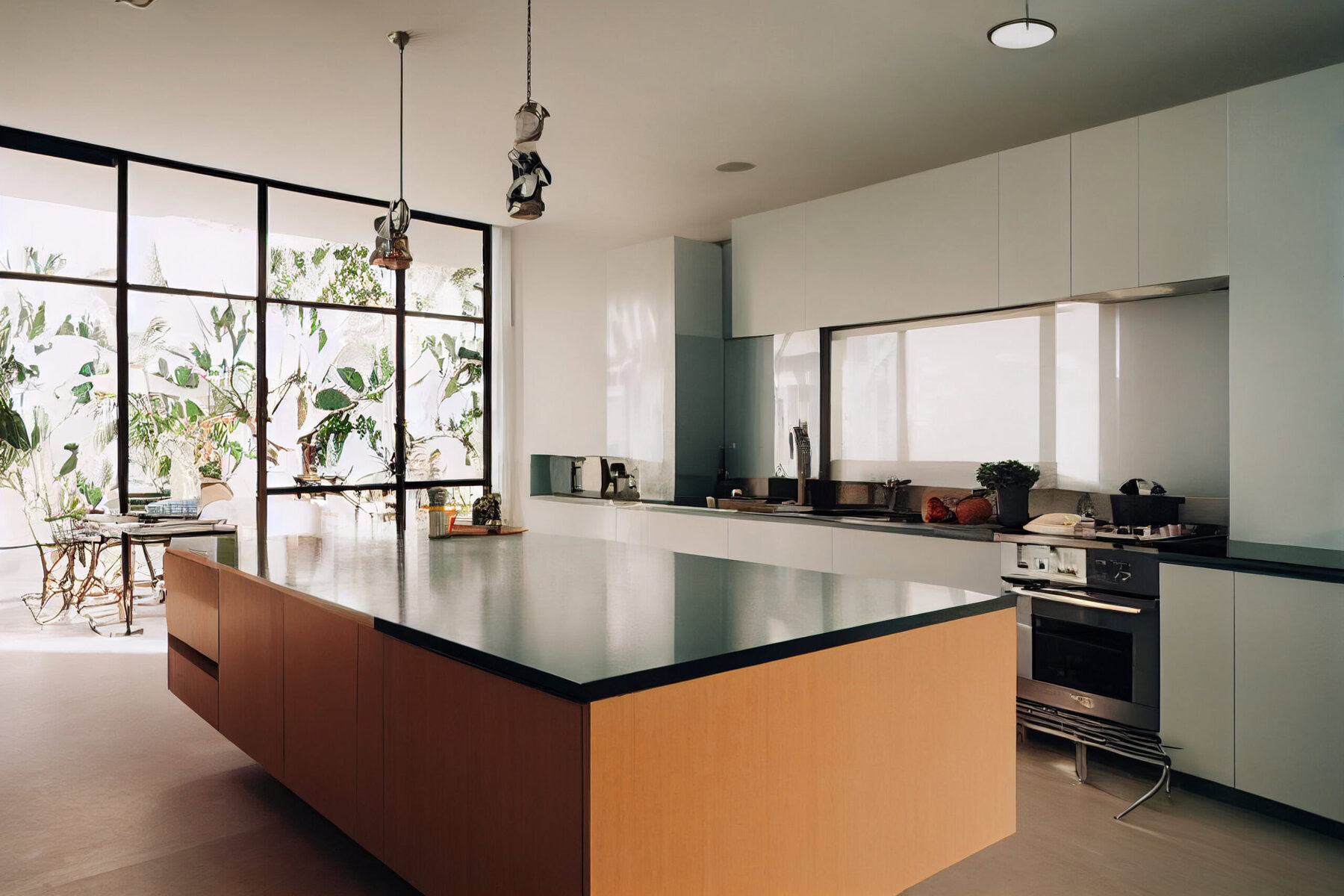

Ever stared at a cracked tile in your bathroom and thought, “I can’t even look at this for one more morning,” but then immediately felt overwhelmed by the sheer idea of starting a renovation? Yeah, we’ve been there, both as homeowners and as the folks who get called to fix it. Let’s have a real talk about navigating the wild world of home remodeling, from that dream kitchen vision to the reality of budgets and dust. We’ll share some hard-earned wisdom from our side of the fence, and maybe make you laugh (or at least smirk) at the process along the way.
Table of Contents
The Great Renovation Mind Game: Dreaming vs. Doing
We all love the dream phase, right? Pinning endless inspiration photos, imagining the flow of a new space, the perfect light fixture. It’s the “doing” part where things get… interesting. Suddenly, you’re not just choosing a paint color; you’re deciphering building codes, material lead times, and the eternal question: what does “affordable” even mean in this context?
The single biggest piece of advice we can give you? Define your “why.” Are you remodeling for immediate enjoyment, to increase resale value, or to accommodate a growing family? This “why” becomes your compass. It guides every decision and helps you talk to your contractor with clarity. Speaking of which, let’s clear up some industry lingo that often gets tossed around interchangeably, but shouldn’t be.
Contractor, Remodeler, GC: What’s the Actual Difference?
This is where a lot of confusion starts, and honestly, it’s not your fault. The terms are used loosely. But knowing who does what can save you a massive headache.
- A General Contractor (GC) is your project manager. They oversee the entire construction process, hire and coordinate all the subcontractors (plumbers, electricians, etc.), pull permits, and ensure the work meets code. They are the orchestra conductor.
- A Remodeling or Renovation Contractor is a specialist within the GC world. Their focus is specifically on altering existing structures—like a full home remodel or a bathroom remodeler tackling your master suite. They understand the complexities of working within an occupied home.
- A Construction Company is a broader term that can encompass both new builds and remodels. Some, like us at Trusst Construction here in Miami, wear both hats, handling everything from residential home additions to commercial contractor work like office refurbishment.
So, when you’re looking for the best remodeling company for your project, you’re typically seeking a GC who specializes in renovation. They have the network and know-how to make your existing space better, not just build a new one from the ground up.
The Budget Talk: Let’s Get Real About “Cost”
Alright, let’s tackle the elephant in the room. We’re going to say the word: price. Cue the collective shudder.
Everyone wants their project to be affordable, but that word is relative. An affordable kitchen remodel for one person might be a dream budget for another. The key is transparency from the start.
Here’s a little insider perspective: a trustworthy house remodeling contractor won’t give you a firm number after a five-minute chat. They need to understand scope. Are we moving walls? Relocating plumbing? The difference in cost between swapping out fixtures and re-routing drain lines is… significant.
We always recommend a detailed, line-item estimate. This isn’t just to show a bottom-line number; it’s a communication tool. It shows you where your money is going. And FYI, always, always budget for a contingency—we suggest 10-20% for the unexpected. Because in remodeling, the unexpected isn’t a question of “if,” but “when.” Found some “interesting” wiring from 1972 behind that wall? Your contingency fund is your new best friend.
Your Miami-Specific Renovation Survival Guide
Renovating in Miami is its own unique beast. The climate, the architecture, the permitting process—it all adds layers. A pool cage isn’t just a nice-to-have; it’s a mosquito-defense system. Hurricane impact ratings aren’t a suggestion; they’re a necessity. A contractor who isn’t deeply familiar with South Florida’s specific requirements can accidentally turn your project into a permitting nightmare.
This is where local expertise is non-negotiable. A Miami-based general contractor knows which inspectors to talk to, understands flood zone regulations, and can recommend materials that stand up to our sun and salt air. They know how to ventilate a space to combat the humidity so your new drywall doesn’t grow a science experiment. IMO, hiring someone who primarily works up north to handle your Coral Gables renovation is a risky move.
The Trusst Construction Blueprint: How We Try to Do Things Differently
We don’t just want to be another construction company you hire. We want to be the last remodeling contractor you ever need to Google. How do we try to earn that? By focusing on the human side of the chaos.
We’ve learned that the most successful projects start with a brutally honest conversation. We’ll tell you if your timeline is realistic or if that Pinterest idea will actually function in your specific layout. We communicate—a lot. You’ll know what’s happening next week, what was delivered today, and if there’s a delay, you’ll know why and for how long.
Our team manages the entire process, from the first sketch to the final walkthrough. Whether it’s a bathroom overhaul or a complex office refurbishment, our goal is to provide a single point of contact and responsibility. No chasing down ten different subs. That’s our job. If that sounds like the kind of stress-reduction you need near you, give us a shout. We’d love to hear about what’s making you stare at those cracked tiles.
The Decision Matrix: Picking Your Partner
So, you’ve got a few estimates. They’re all in the same ballpark (if one is suspiciously low, run—don’t walk—away). How do you choose? Don’t just look at the number. Look at the how.
| Criteria | What to Look For | Red Flag |
|---|---|---|
| Communication | Prompt, clear replies. They listen and ask clarifying questions. | Radio silence for days, vague answers. |
| Portfolio & Specificity | Projects similar to yours in scope and style. They explain how they solved challenges. | Only shows perfect, staged “after” photos with no story. |
| References & Reviews | Willingly provides past client contacts. Look for patterns in reviews (punctuality, cleanliness). | “We don’t really have those handy right now.” |
| Contract Clarity | Detailed scope of work, payment schedule, change order process, warranty info. | A one-page contract with just a total price and a signature line. |
| Gut Feeling | Do you feel comfortable with them? You’ll be in a long-term relationship with this person. | They dismiss your concerns or talk down to you. |
Your Burning Renovation Questions, Answered
Let’s hit some of the most common questions we get, straight from the horse’s mouth.
1. How long will my remodel actually take?
Longer than you hope, but shorter than your worst nightmare. A simple bathroom might be 4-6 weeks. A full kitchen with layout changes, 8-12 weeks. A full home remodel? Buckle up for several months. The timeline depends on scope, material availability (supply chains are still fun, right?), and permit approvals. A good contractor will give you a phased schedule.
2. Should I live in my house during the renovation?
For a small project like a powder room, maybe. For a kitchen or primary bathroom, we strongly advise against it if you can possibly swing it. The dust, noise, and loss of essential spaces create immense stress. Living in a construction zone is a fast track to regretting your entire life choices.
3. What’s the biggest unexpected cost people encounter?
“While we’re at it…” syndrome. It starts innocently: “The wall is open, so while we’re at it, let’s add a new outlet.” Change orders add up quickly. The second biggest is uncovering hidden issues: rotten subfloor, outdated electrical, plumbing that isn’t to code. That’s what your contingency fund is for!
4. How do I prepare for the disruption?
Pack up the room(s) completely. Seal off adjacent areas with plastic sheeting (we’ll do this too, but extra never hurts). Set up a temporary kitchenette if yours is out of commission. And most importantly, establish clear communication rules with your contractor. Know the daily start/end times, where the crew can park and use facilities, and how to get in touch for urgent questions.
At the end of the day, a successful remodel isn’t just about new cabinets or a fancy tile. It’s about the experience. It’s about partnering with someone who sees the vision, manages the chaos, and delivers a space that makes you forget all the temporary inconvenience. It should be exciting, not exhausting. If you’re in the Miami area and starting to feel that itch for a change, we at Trusst Construction would be genuinely excited to have that first, no-pressure conversation. Let’s turn those “what-ifs” into a “wow, this is exactly what we wanted.” We promise to handle the heavy lifting, both literally and figuratively.
People Also Ask
For Florida homes, the best flooring options are those that resist humidity, moisture, and heat. Tile, particularly porcelain or ceramic, is a top choice because it is waterproof, durable, and stays cool in warm weather. Luxury vinyl plank (LVP) is another excellent option, as it mimics wood but withstands moisture and temperature fluctuations without warping. Polished concrete is also popular for its durability and ease of maintenance. Avoid solid hardwood, which can warp in Florida's humidity. Engineered wood is a better alternative if you desire a wood look. At Trusst Construction, we recommend tile or LVP for their longevity and performance in Miami's climate, ensuring your floors remain beautiful and functional for years.
For hot and humid climates like Miami, Miami Beach, and Hialeah, the best flooring options prioritize durability against moisture and heat. Porcelain tile is an excellent choice because it is non-porous, resists water damage, and stays cool underfoot, which helps reduce cooling costs. Luxury vinyl plank (LVP) is another strong option, as it mimics wood but withstands humidity without warping. Avoid solid hardwood in unconditioned spaces, as it can expand and buckle. For garage conversions, which are common in our area, selecting the right subfloor and moisture barrier is critical. For detailed guidance on this specific project, please refer to our internal article titled Converting A Garage To Living Space In Miami-Dade County. Trusst Construction recommends consulting a professional to ensure your flooring choice performs well in our local climate.
The rule of 3 in flooring is a professional guideline used to ensure a natural and balanced layout, particularly with tile or wood plank installations. It dictates that the length of any floor piece should not be less than one-third of the length of the adjacent piece in the same row. This prevents a repetitive, unnatural pattern and avoids weak points in the installation. For example, if you install a 36-inch plank, the next plank in that row should be no shorter than 12 inches. Trusst Construction applies this standard to achieve a visually appealing and structurally sound floor, reducing the risk of cracking or shifting over time. This rule is critical for maintaining both aesthetic flow and long-term durability.
For Miami homes in 2026, the leading flooring trend is large-format porcelain tiles that mimic natural stone. These tiles offer a seamless, grout-free look that expands smaller spaces, which is ideal for condos in Miami Beach and Hialeah. Their durability against humidity and sand makes them a practical choice. Another strong trend is luxury vinyl plank (LVP) in warm, wide oak planks, providing the look of hardwood with superior water resistance. If you are considering a full renovation, Trusst Construction recommends reviewing our internal article titled 5 Bathroom Trends Dominating Miami Homes In 2026 to see how these flooring choices pair with modern bathroom aesthetics.