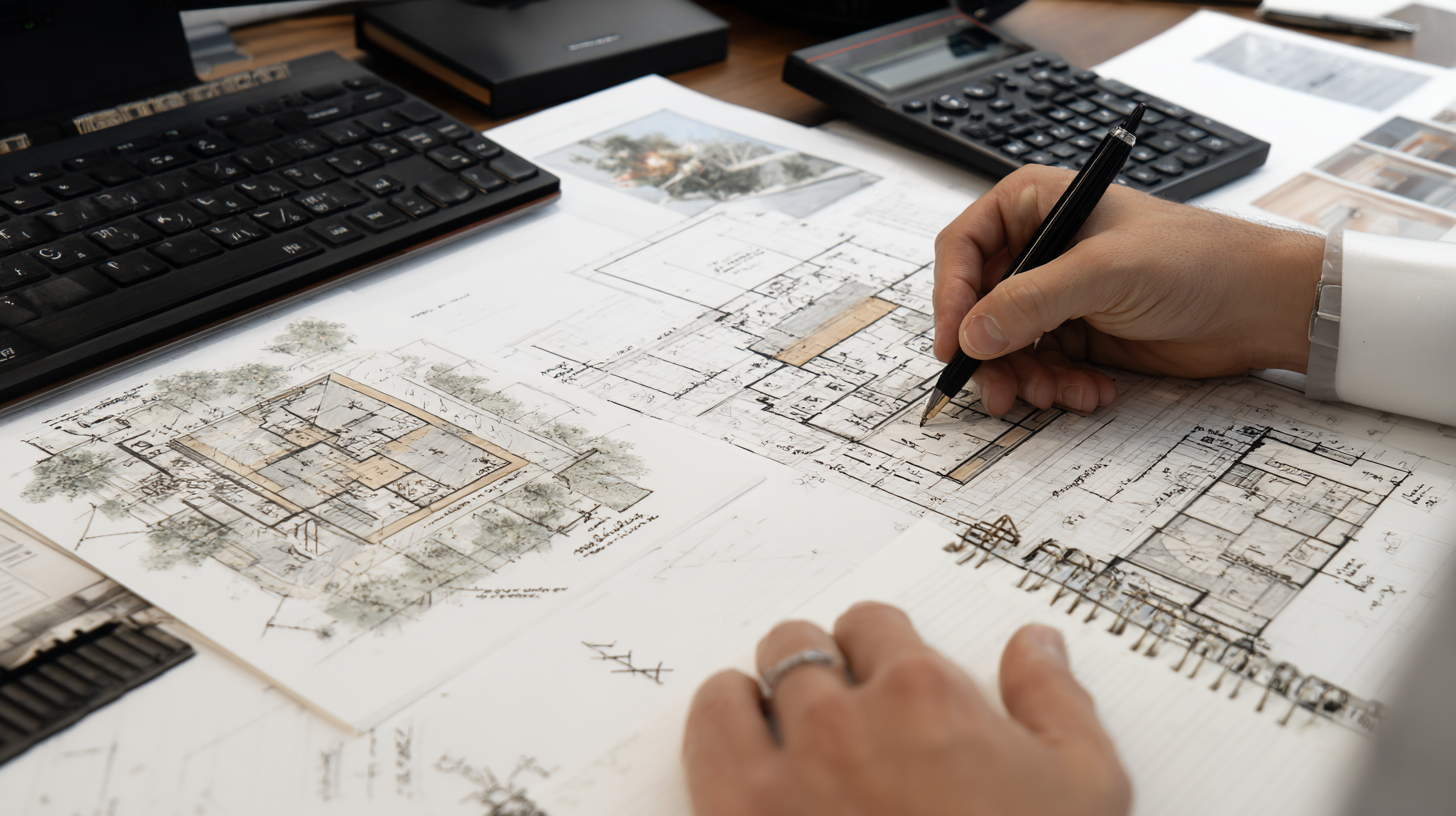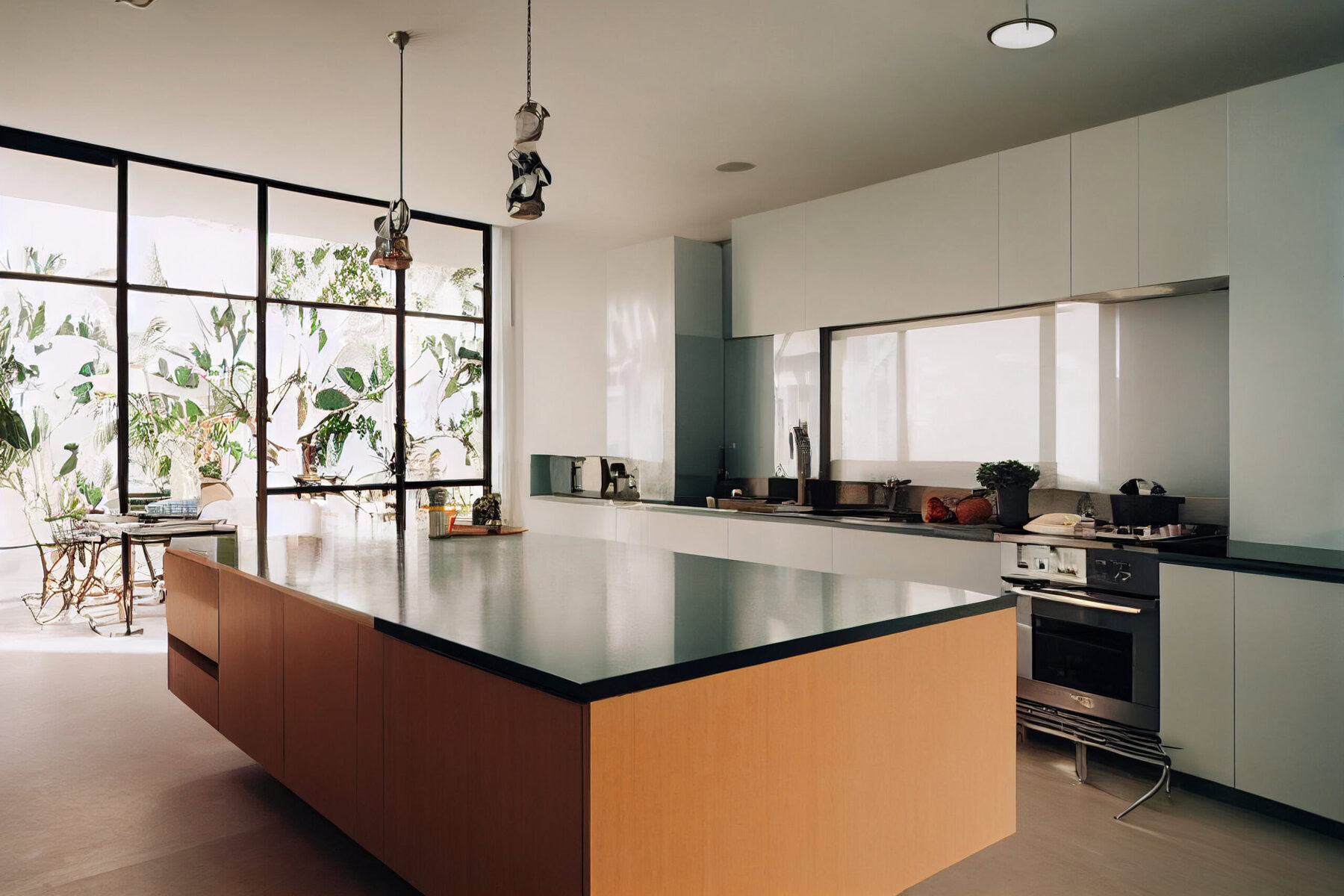
The fastest way to maximize your Miami office space is to combine strategic pre‑construction planning, deep local code mastery, and a single‑source design‑build team that eliminates coordination gaps. At Trusst Construction, we’ve delivered dozens of commercial tenant improvements (TIs) across Miami‑Dade County—from Brickell high‑rises to Wynwood creative lofts—on time, on budget, and without surprise costs. In this guide, we’ll share exactly how to plan, permit, and execute a Miami office build‑out that makes every square foot work harder, stays resilient against hurricanes, and adapts to how your team works today and tomorrow. You’ll get real cost breakdowns, permit timelines, design strategies, and the local insights that separate a smooth project from a costly delay.
Table of Contents
What a Miami Commercial Tenant Improvement Really Entails
A commercial tenant improvement is any alteration a landlord or tenant makes to a leased office shell to turn it into a functional, branded workspace. In Miami, this can range from a cosmetic refresh of paint and carpet to a full gut renovation with new MEP systems, hurricane‑rated glazing, and smart technology infrastructure. The scope always depends on the condition of the base building, the lease agreement, and local regulations that are more demanding here than in most U.S. markets.
Because we work exclusively in South Florida, we see TIs through a local lens. Common work includes:
-
Demolition of existing partitions and finishes
-
Construction of new offices, conference rooms, and open collaboration zones
-
Upgraded electrical, lighting, and data pathways to support hybrid‑first technology
-
HVAC modifications or replacements designed for Miami’s heat and humidity
-
Fire alarm, sprinkler, and life‑safety system alterations
-
Installation of impact‑resistant windows or storefronts, where required
-
Accessibility upgrades compliant with the Florida Accessibility Code
-
Specialty finishes, acoustical treatments, and custom millwork
Why Miami Demands a Different Approach to Office Build‑Outs
Miami isn’t just any market—it’s a coastal, hurricane‑prone, high‑humidity environment with one of the most stringent building codes in the country. Projects that ignore these realities face permit rejections, rework, and budgets that spiral. From hundreds of successful TIs, we know that the following factors directly shape design, material selection, and the construction schedule.
Coastal Wind Loads and Impact Protection
All of Miami‑Dade County lies within the High‑Velocity Hurricane Zone. The Florida Building Code 8th Edition (2023 with 2026 supplements) requires that any exterior opening in a commercial building be protected by impact‑resistant glazing or approved shutters. During a TI, if you replace storefront glass or add new windows, those products must carry a Miami‑Dade NOA (Notice of Acceptance). We pre‑qualify glazing systems early, so the permit package sails through plan review instead of stalling for weeks.
Flood Zone Requirements
Many Miami office properties sit in AE or VE flood zones. When we remodel a ground‑floor space or a building in a Special Flood Hazard Area, FEMA and local floodplain regulations require that electrical panels, transformers, emergency generators, and HVAC equipment be elevated above the Base Flood Elevation. We survey flood certifications before we draw a single wall—this avoids late‑stage redesigns that can add 10,000 to 30,000 dollars in cost.
Salt‑Air Corrosion and Humidity Control
Salt‑laden air accelerates corrosion on metal surfaces. We specify marine‑grade 316 stainless steel for exterior door hardware, weather‑resistant finishes on aluminum storefronts, and moisture‑resistant gypsum board throughout perimeter walls. For HVAC, we install dedicated outdoor air systems with energy‑recovery ventilators that maintain indoor relative humidity below 55% while cutting cooling loads—a detail many out‑of‑state design teams overlook until comfort complaints arise.
Smart Space Planning That Makes Every Square Foot Pay Back
An office that maximizes space today must also flex for tomorrow. We design with a modular spine that supports growth without demolition. These are the moves we use to unlock usable area and long‑term value:
-
Demountable glass partitions instead of fixed drywall—allow daylight to travel deep into the floor plate while enabling overnight reconfiguration.
-
Zone‑based furniture layouts that pair benching workstations with scattered phone booths and focus rooms, increasing density without sacrificing privacy.
-
Ceiling‑mounted acoustical clouds and sound‑masking systems to keep open zones quiet enough for deep work.
-
Underfloor air distribution or raised access flooring in tech‑heavy firms—speeds up future cable moves and improves thermal comfort.
-
Multi‑purpose “town hall” spaces that serve as a conference room by day, all‑hands space by night, and overflow collaboration area whenever needed.
We’ve seen these techniques raise usable area efficiency by 15% to 25% compared with a traditional private‑office corridor plan, directly lowering the rentable square feet you pay for.
Technology and Hybrid‑First Design: Prepare for 2026 and Beyond
Miami tenants now demand an office that supports seamless video conferencing, hot‑desking, and team gatherings that feel worth the commute. A build‑out that doesn’t embed technology infrastructure from the start forces expensive retrofits after move‑in.
We integrate the following as standard in our TI planning:
-
Ceiling‑mounted camera, microphone, and loudspeaker arrays in every enclosed meeting room, wired to a central AV rack.
-
Floor boxes with power, USB‑C, and Category 6A data every 8 to 10 feet in open areas, so teams can reorganize without tripping over extension cords.
-
Cloud‑based room booking tablets outside each focus room and phone booth.
-
Dedicated circuits and UPS backup for server closets built to current IT loads plus 30% headroom.
-
Lighting zones tied to occupancy and daylight sensors, meeting ASHRAE 90.1-2022 and reducing energy costs from day one.
By layering in technology during the TI, you avoid ceiling tile pulls and drywall patches that typically cost 4,000 to 7,000 dollars per room later on.
Budgeting Your Miami Tenant Improvement: Detailed Cost Benchmarks for 2026
Understanding what a Miami TI costs per square foot helps you align expectations with your lease and financing. The numbers below reflect recent bids and completed projects our team has managed. They include general contractor fee, overhead, and a typical contingency for existing‑condition unknowns.
Typical Miami Tenant Improvement Costs per Square Foot (2026)
| TI Level | Scope | Low (dollars / sq ft) | High (dollars / sq ft) | Typical Duration |
|---|---|---|---|---|
| Cosmetic Refresh | Paint, carpet tiles, LED retrofit, minor electrical | 45 | 65 | 4–6 weeks |
| Standard Mid‑Grade Build‑Out | New partitions, ceilings, doors, power/data, HVAC adjustments, basic finishes | 85 | 125 | 10–14 weeks |
| High‑End Class A Fit‑Out | Premium finishes, custom millwork, full AV, smart lighting, demountable walls, upgraded MEP | 140 | 185 | 16–22 weeks |
| Miami‑Specific Premium Upgrades | Impact‑glass storefront, flood‑zone elevation of MEP, enhanced dehumidification, marine‑grade hardware | Add 15–30 | Add 30+ | Extends schedule by 2–4 weeks |
Sources: CBRE 2026 Fit‑Out Cost Guide https://www.cbre.com/insights/reports/global-fit-out-cost-guide ; JLL U.S. Tenant Improvement Cost Guide 2026 https://www.us.jll.com/en/trends-and-insights/research/tenant-improvement-cost-guide ; Trusst Construction project data.
Navigating Miami‑Dade Permitting: A Realistic Timeline
Permitting in Miami‑Dade County can make or break a move‑in date. Competent planning must account for multiple review agencies—Building, Fire, DERM, and sometimes the Health Department or Water and Sewer. Based on current municipal processing times, here’s a practical sequence:
| Step | Action | Typical Duration |
|---|---|---|
| 1 | Pre‑application meeting with municipality (strongly recommended) | 1–2 weeks |
| 2 | Assemble and submit permit package (architectural, structural, MEP, fire alarm, energy calcs) | 1 week (assuming in‑house design‑build team) |
| 3 | First plan review cycle (municipal) | 4–6 weeks |
| 4 | Address reviewer comments and resubmit | 1–2 weeks |
| 5 | Final permit issuance and payment of fees | 1 week |
| 6 | Notice of Commencement recorded, inspections scheduled as work proceeds | Ongoing during construction |
Total municipal permit timeline: typically 8–12 weeks.
Projects that require Miami‑Dade DERM environmental review or a fire protection system permit add 2–3 weeks. Starting the permit process before lease execution, with a conditional letter, can compress the overall schedule by a month. Miami‑Dade County Permit Process
Why a Single Integrated Design‑Build Team Slashes Risk in Miami
Many TIs suffer from the handoff gap: an architect designs an appealing space, an engineer sizes the systems, and a contractor then discovers that the ceiling plenum can’t physically fit the ductwork, lights, and fire sprinkler lines shown. Each change order erodes the budget and delays the schedule.
Because Trusst Construction operates as one integrated team with in‑house architecture, design, and construction, we eliminate that gap. Our architects draw with full knowledge of local structural constraints, our project manager reviews costs in real time as design progresses, and our superintendent walks the site during schematic design to spot existing conditions that could derail the plan. This tight loop typically reduces change orders by 70% compared with the traditional design‑bid‑build model. For the client, it means:
-
A single point of contact who owns schedule, budget, and quality.
-
Up‑front, itemized estimates that show exactly where every dollar goes.
-
Written change approvals before any extra work proceeds—no surprises.
-
Seamless coordination of all trades, from HVAC to low‑voltage to millwork.
-
A steady pace that hits move‑in dates even when permitting hits a snag.
How Trusst Construction Delivers Seamless Miami Office Transformations
We’re a licensed general contractor serving all of greater South Florida, and we’ve earned a reputation for translating a company’s vision into a buildable, on‑budget plan that respects Miami’s unique environment. Our firm brings together architecture, interior design, and construction under one roof. We design every detail to your operational needs, aesthetic preferences, and financial boundaries—never with a one‑size‑fits‑all template.
When you work with us, you get deep local knowledge that solves problems before they start. We understand coastal codes, the FEMA elevation certificates required on a second‑generation TI, and how to sequence work so a thunderstorm doesn’t flood your new server room. We recently completed a 14,000‑square‑foot law firm headquarters in Coral Gables. The space required sound‑rated partner offices, an acoustically isolated mock trial room, and impact‑resistant windows throughout. By engaging our design‑build team before the lease was signed, we obtained the building permit in 9 weeks, completed construction in 15 weeks, and delivered the project 3% under budget—savings that went directly back to the tenant’s furniture and technology package.
Start your project with a no‑obligation consultation.
Call Trusst Construction at (305) 786-3199 or visit trusstconstruction.com to schedule a walk‑through. We’ll review your proposed space, outline a realistic budget, and map a schedule that fits your lease timeline. There’s no pressure—just clear answers from a team that’s built the Miami office spaces you see thriving today.
Frequently Asked Questions
What is typically included in a commercial tenant improvement in Miami?
A Miami TI usually covers interior demolition, partition walls, doors, ceilings, flooring, painting, electrical upgrades, lighting, data cabling infrastructure, HVAC modifications, fire sprinkler adjustments, and accessibility improvements. Additional scope is common for impact glazing, humidity control, and flood zone elevation of equipment. The exact scope is defined during a space programming phase with your design‑build partner.
How long does a full office build‑out take from design to move‑in?
For a 5,000- to 15,000-square-foot standard build‑out, expect 18 to 24 weeks from design kickoff to occupancy. This includes 4 weeks for design and engineering, 8 to 12 weeks for permit plan review, and 10 to 14 weeks of construction. High‑end finishes, custom millwork, or extensive technology integration can extend the timeline to 26+ weeks. Early contractor involvement can compress the overall duration.
Do I need a permit for cosmetic upgrades like paint and carpet?
In Miami‑Dade, a building permit is not required for minor cosmetic work—painting, carpet replacement, or swapping out like‑for‑like light fixtures—provided no structural, electrical, or plumbing alterations are made. However, if you change room layout, add walls, move outlets, or modify ceiling systems, a permit is mandatory. Always confirm with your contractor and the local building department.
What are the hurricane code requirements for Miami office tenant improvements?
Any exterior window, door, or storefront replaced during a TI must meet Miami‑Dade High‑Velocity Hurricane Zone standards. This means impact‑resistant glass or tested shutters with a valid NOA. Roof‑mounted HVAC platforms must be engineered for wind speeds up to 175 mph (ASCE 7‑22). Interior work doesn’t trigger wind requirements unless it changes the building envelope. A knowledgeable local contractor will flag this during the site survey.
How can I reduce tenant improvement costs without cutting quality?
We’ve found the most effective strategies are:
-
Engaging the design‑build team early to value‑engineer before drawings are finalized.
-
Reusing existing MEP infrastructure where code allows.
-
Selecting durable, mid‑range finishes that don’t require long‑lead procurement.
-
Specifying demountable partitions instead of fully custom drywall offices—they lower long‑term churn costs.
-
Phasing construction so you occupy the space in stages, avoiding double rent.
Why choose a design‑build contractor for a Miami tenant improvement?
A design‑build firm like Trusst Construction integrates architecture, engineering, and construction into a single contract. You get one accountable team, faster delivery, and a budget locked in early. For Miami TIs, this model is especially valuable because local code and climate demands constant coordination between disciplines—without it, you risk redesign loops that burn time and money.
Related Articles
People Also Ask
For maximizing your Miami office space through commercial tenant improvements, cost efficiency begins with strategic planning. Focus on high-impact, low-cost upgrades like open floor plans and energy-efficient LED lighting, which reduce long-term expenses. Prioritize improvements that enhance functionality without structural changes, such as modular furniture or flexible partition systems. Always obtain multiple bids for materials and labor to ensure competitive pricing. A crucial step is reviewing the lease agreement to clarify which improvements are landlord-covered versus tenant-paid. For a detailed roadmap, refer to our internal article The Process: What To Expect During A Commercial Build-Out, which outlines key phases and budgeting strategies. Trusst Construction recommends aligning your build-out with your business workflow to avoid unnecessary square footage costs.