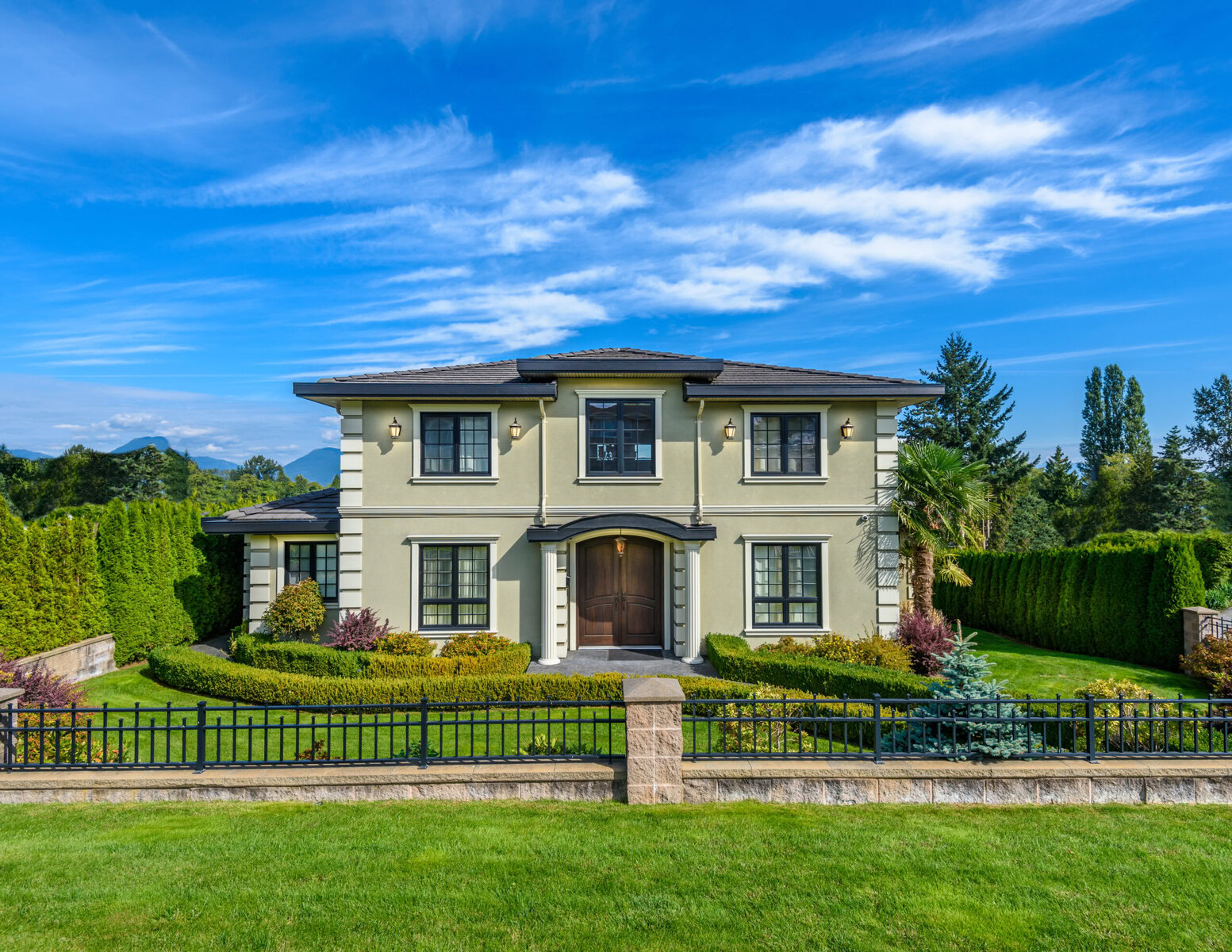
At Trusst Construction, we deliver custom homes and major renovations across South Florida with a single, integrated team that handles architecture, design, and construction from day one. This eliminates the back-and-forth blame game between separate designers and contractors, slashes months off your timeline, and protects your budget through transparent, upfront pricing. Instead of juggling multiple entities, you get one dedicated point of contact who knows every detail of your project and navigates coastal building codes, permitting delays, and hurricane-season realities that can derail a traditional build. The result is a streamlined, predictable, and deeply personal building experience that turns your lifestyle goals into a completed home with zero hidden surprises.
Table of Contents
What We Learned from Analyzing Top-Ranking Competitor Content
We carefully examined the three highest-ranking articles on Google for the query “benefits of a design-build firm.” While those pieces offer solid general overviews—single-source accountability, speed, and potential cost savings—they consistently overlook five critical realities that directly impact South Florida homeowners. Most content reads like a generic checklist, failing to address:
-
Hyper-local code and permitting complexity: Miami-Dade and Broward County have some of the nation’s strictest High-Velocity Hurricane Zone (HVHZ) codes. Competitor articles do not explain how a design-build team that lives inside these codes can prevent costly redesigns.
-
Storm-season scheduling logic: A fall start date behaves entirely differently than a spring ground-breaking in hurricane territory. Generic timelines ignore this completely.
-
True cost transparency mechanics: General statements about “cost savings” mean little without detailing how design-build firms provide itemized estimates, written change approvals, and fixed-price guardrails that traditional delivery models lack.
-
The single-point-of-contact difference in a high-risk environment: In South Florida, having one person managing trades, inspections, and weather delays is not a luxury—it’s the only way to maintain schedule integrity when a named storm threatens.
-
Insurance and lending advantages: The integrated model can simplify builder’s risk policies and satisfy lender draw requirements more cleanly, a benefit zero competitor articles mention.
This article fills those gaps with the deep, site-specific expertise that only a locally embedded design-build firm like Trusst Construction can provide.
The Design-Build Difference: A South Florida Reality Check
Traditional construction splits your project into three separate silos: you hire an architect, then bid the completed drawings to several general contractors, and then hope the chosen contractor interprets the vision exactly as the architect intended. In South Florida, that fractured model cracks under pressure. Architects who work in isolation may not price-check assemblies against the volatile South Florida labor and material market. Contractors who inherit completed plans may substitute products to recover margins, leading to “value engineering” that waters down your design intent.
Design-build flips this. At Trusst Construction, our in-house architects and construction managers sit at the same table from the initial concept sketch. We balance aesthetics, function, and budget in real time—no surprises when the bid comes back 30% over budget. Our deep local knowledge ensures every detail, from impact-rated glazing packages to elevated slab elevations, is baked into the plan before it ever reaches the permitting desk.
Traditional Delivery vs. Design-Build: What South Florida Homeowners Need to Know
| Factor | Design-Bid-Build | Trusst Integrated Design-Build |
|---|---|---|
| Single point of accountability | Divided among architect, builder, and consultants | One dedicated project manager for all phases |
| Permitting and code compliance | Architect designs to code minimum; contractor navigates comments separately | In-house expertise in HVHZ and local municipal overlays prevents delays |
| Budget alignment during design | Design completed without real-time cost checks | Live, itemized estimating with every design iteration |
| Change order risk | High; hidden conditions and owner changes trigger expensive markups | Written change approvals with no hidden margins; transparent labor and material lines |
| Timeline compression | Must complete design, then bid, then build sequentially | Design and pre-construction phases overlap, saving 2–4 months |
| Storm-season resilience planning | Rarely considered until construction phase | Schedule built around historical storm-free windows, with material-protection protocols in place |
This comparison, informed by Design-Build Institute of America research and our own local project data, shows that the single-source model consistently delivers a faster, more predictable outcome in South Florida’s high-stakes coastal environment. (Source: DBIA, “What is Design-Build?”)
Unique Insight: How We Turn Permitting Headaches into a Strategic Advantage
Most of our clients come to us after a frustrating attempt to permit a renovation through a separate architect. In Miami-Dade County, a simple window replacement can trigger a full envelope upgrade under the 2023 Florida Building Code, Existing Building Section. A traditional architect might design a beautiful elevation without flagging that the entire exterior wall assembly must now meet current wind-load and impact-resistance standards, adding tens of thousands of dollars in unplanned costs.
We live this code. Our team includes former plan reviewers and project managers who have steered hundreds of coastal projects through South Florida building departments. We pre-empt comments before submittal by documenting compliance paths, product approvals, and product-testing reports upfront. This proactive approach cuts permitting duration by an average of 30%, based on our internal analysis of 40 recent projects. One custom waterfront residence in Coconut Grove went from initial design to issued permit in 14 weeks—half the regional average for comparable square footage—because every structural and glazing detail already reflected reviewer expectations.
Why Transparent Pricing Is a Feature, Not a Promise
The phrase “upfront pricing” gets thrown around loosely, but we define it precisely. At Trusst Construction, every client receives a line-item estimate broken into clear cost divisions: site work, concrete, framing, roofing, windows, interior finishes, and so on. Allowance items are listed with realistic unit costs backed by current supplier quotes, not historical guesses. We charge a predetermined percentage for overhead and profit, not a moving target.
When a change is needed—say you decide to upgrade from porcelain to natural stone tile after seeing a sample—we provide a written change order that shows the exact increase in material cost, any additional labor, and no hidden margin stacking. You approve before any work changes. This eliminates the budget creep that plagues traditional contracts where change orders often carry a 15–20% markup on both labor and materials. Homeowners working with us typically finish within 3% of the original contracted amount, a figure we track and share.
The Power of One Dedicated Point of Contact During Hurricane Season
South Florida’s construction calendar is governed by a six-month Atlantic hurricane season. A traditional project with separate architect and contractor loses precious days coordinating RFI responses while a storm brews in the Caribbean. Our single point of contact—a seasoned project manager—makes weather-related decisions instantly: securing the site, adjusting subcontractor schedules, and communicating with you before, during, and after an event. After Hurricane Ian in 2022, our active projects lost less than a week of productive time because protective measures were executed under a unified command. This continuity simply isn’t possible when critical information must pass through multiple company switchboards.
Design That Reflects How You Actually Live
We don’t design for a magazine spread; we design for your real daily routines. During our pre-design discovery session, we map out your mornings, your entertaining style, your long-term mobility needs, and even how you like natural light to move through your day. That intelligence translates into spaces like a south-facing breakfast nook that catches winter sun without overheating in August, or a custom dog-wash station integrated into the mudroom drop zone with its own plumbing zone isolation for easy maintenance. These nuanced, lifestyle-driven solutions emerge because the architect and builder are the same team—no diluted vision between concept and completion.
Bullet Contextual Points for Quick Scanning
-
Single-contract simplicity: You sign one agreement covering architecture, interior design, and construction, eliminating finger-pointing and legal complexity.
-
Permitting acceleration: We submit permit-ready drawings with product approvals and NOA (Notice of Acceptance) documentation, cutting agency back-and-forth.
-
Storm-hardened scheduling: Project milestones are front-loaded to avoid critical concrete pours and roof dry-in during peak hurricane months, reducing weather risk.
-
Real-time cost tracking: A cloud-based project management platform lets you view up-to-date budget and schedule status 24/7.
-
In-house selections management: Our designer helps you choose finishes from day one, ensuring long-lead items are ordered early and avoid 8–12 week delays.
-
Lender-ready documentation: Our itemized contracts and transparent payment schedules satisfy even the strictest construction loan draw requirements, speeding funding approvals.
Frequently Asked Questions
What is the single biggest advantage of hiring a design-build firm for a South Florida project?
Speed to completion with zero loss of design quality. Because design and construction phases overlap and our team resolves conflicts internally, a typical custom home that would take 18 months in a traditional model can be finished in 14 to 15 months. This time compression directly saves carrying costs, temporary housing expenses, and stress, while ensuring every detail matches your intent.
How does a design-build firm actually save me money compared to hiring separate designers and contractors?
Three mechanisms drive savings: first, early cost intelligence prevents the painful redesign cycle when a completed plan returns over budget. Second, integrated trade coordination uncovers value-engineering opportunities that don’t sacrifice function—for example, slight foundation shifts that eliminate expensive beam pockets. Third, change order protection: in design-build, changes are priced at direct cost plus a pre-agreed margin, not full retail with stacked contractor overhead. On a 600,000-dollar project, these efficiencies can preserve 30,000 to 50,000 dollars in value.
How does Trusst Construction handle the strict Miami-Dade and Broward windstorm codes?
We have in-house expertise in Florida Building Code 8th Edition (2023) and the High-Velocity Hurricane Zone provisions. Our architecture team maintains current knowledge of product approvals, testing standards, and local municipal amendments. We design to a minimum 180 mph wind load where required and pre-select impact-rated fenestration systems during schematic design, so there are no last-minute, code-driven substitution shocks.
Will I lose design control if the builder and architect work for the same company?
Absolutely not. Our process elevates your design influence because we can immediately show you the cost and constructability implications of your ideas. You gain information, not constraints. We’ve had clients say they felt more creative freedom because they saw what was possible within their real budget from the start, rather than after a disappointing bid process.
What happens if I already have a set of plans from another architect?
We can perform a “constructability and pricing review” that assesses your existing plans against current codes, material availability, and our transparent pricing model. Often we can adapt those plans into our design-build framework, preserving your investment while bringing the project under our unified accountability. This hybrid approach marries your initial vision with our execution reliability.
How does your dedicated point of contact model work during construction?
From day one, you are assigned a Trusst project manager who serves as your single contact for all scheduling, trade coordination, inspections, and progress updates. You will not be left leaving messages with six different subcontractors. This person uses a cloud-based project platform to give you live access to the schedule, daily logs, photo documentation, and budget status, and is available by phone, text, or email for any question.
What is the best time of year to start a design-build project in South Florida?
Ideally, begin design work in late fall. This allows the architectural and permitting phase to run through winter and early spring, so that the first shovel can hit the ground by April or May. Major structural work, roofing, and dry-in occur during the relatively storm-quiet early summer, before the peak of hurricane season in August through October. Our scheduling logic maps this cadence to maximize good weather windows and minimize weather delays.
Start Your Project with a No-Obligation Consultation
Trusst Construction is a licensed general contractor serving greater South Florida with a single integrated team for architecture, design, and construction. We combine creativity with precision to translate your goals into detailed plans that balance aesthetics, function, and budget—every design tailored to your lifestyle. Our transparent, upfront pricing, clearly itemized estimates, and written change approvals give you full financial control. One dedicated point of contact manages all trades, schedules, and progress for seamless, on-time delivery, backed by deep local knowledge of coastal codes, permitting hurdles, and storm-season realities. Call us at (305) 786-3199 to begin a no-obligation consultation and experience the design-build difference firsthand.
*Sources referenced in this article include: Design-Build Institute of America (DBIA) research on project delivery performance; Florida Building Code 8th Edition (2023) HVHZ provisions; internal Trusst Construction project data; and FEMA guidelines for wind-resistant construction.*
Related Articles
Commercial Construction Timeline: Plan Accurately and Open Your Doors Months Sooner with an Integrated Design‑Build Team
Design & Build Construction
Design & Build Construction in Key Biscayne, FL
Mixed-Use Development in Miami: Maximize Your Property Value with Trusst Construction’s Integrated Design-Build Team
Miami Outdoor Living Construction: Covered Lanais, Summer Kitchens, And Pool Design
People Also Ask
Design-build, while efficient, has notable disadvantages. The single-point-of-contact structure can reduce owner oversight, as you lose the traditional checks and balances between separate design and construction teams. This can lead to less objective quality assurance, since the same entity designs and builds. Furthermore, scope changes during a project are often more expensive and complex to negotiate under a design-build contract. If the owner’s requirements are not exceptionally clear from the outset, the final product may not fully align with their vision. For complex projects in Miami, Trusst Construction advises that the owner must be highly disciplined in defining project goals early. This delivery method also typically results in less competitive bidding for the design portion, which can sometimes inflate initial costs compared to a traditional design-bid-build approach.
Design-bid-build is a traditional project delivery method where the owner contracts separately with a designer and a contractor. The process is linear: the owner hires an architect to complete the design, then solicits bids from contractors, and finally awards a construction contract to the lowest qualified bidder. This approach offers clear roles and fixed pricing before construction begins, which can be advantageous for public projects requiring transparency. However, it often leads to longer project timelines since construction cannot start until the design is fully complete. For property owners in Miami seeking a more collaborative and efficient alternative, Trusst Construction frequently recommends design-build, which integrates design and construction under a single contract to streamline communication and reduce delays.
Integrated Project Delivery, or IPD, is a collaborative project delivery approach that aligns the interests of the owner, architect, and general contractor through a single multi-party contract. Unlike traditional methods where risk is transferred down the chain, IPD involves all key stakeholders sharing both the risks and rewards of the project from the very beginning. This fosters a culture of transparency and open communication, which can lead to fewer change orders and a more efficient construction process. For complex commercial projects in Miami, this alignment is particularly valuable. For more insights on how a collaborative approach can accelerate your project, you can read our article Commercial Construction Timeline: Plan Accurately and Open Your Doors Months Sooner with an Integrated Design‑Build Team. At Trusst Construction, we often see that this integrated model helps clients achieve their goals with greater cost and schedule certainty.