A successful historic home renovation in Coral Gables hinges on three things—meticulous planning that respects the city’s rigid preservation standards, an integrated team that eliminates the blame game between architect and contractor, and upfront pricing that protects you from runaway costs. After years of restoring some of the most iconic Mediterranean Revival and Spanish Eclectic homes in this neighborhood, we have distilled the process into a predictable, transparent journey that delivers modern luxury while safeguarding every original detail the Historic Preservation Board cares about.
Table of Contents
Why Coral Gables Historic Renovations Demand a Different Approach
Coral Gables is not simply another South Florida zip code. It is a planned city with a legally protected aesthetic. Over 1,100 properties fall within locally designated historic districts or are individually listed, which means any exterior alteration, from window replacement to paint color, requires a Certificate of Appropriateness from the City’s Historic Preservation Board. We have sat through dozens of these board reviews, and we understand that the difference between a swift approval and a six-month delay often comes down to the material samples you present and how you document the “period of significance.”
What we have learned is that the board responds to authenticity and evidence, not sales pitches. When we submit a window package, we bring salvaged original divided-light samples, manufacturers’ cut sheets for approved aluminum-clad wood replicas, and photographic surveys of neighboring contributing structures. This front-end rigor prevents the back-and-forth that derails timelines. Our integrated design-build model means the same team that measures and designs also builds, so every decision accounts for construction feasibility from day one.
The Trusst Construction Difference: A Single Team, One Point of Accountability
Most historic renovations become nightmares because of fragmented responsibility. An architect specifies a custom tile pattern true to the 1920s, the contractor says it is unbuildable within budget, and the homeowner is left mediating. We eliminated that entirely. At Trusst Construction, architecture, interior design, and construction sit under one roof. You get one dedicated point of contact who manages every trade, every schedule, and every penny of your transparent, itemized estimate. Our pricing is upfront—with written change approvals required before any deviation—so you will never see a surprise line item after we open a wall.
Our deep local knowledge is your insurance. We know that Coral Gables sits in a High-Velocity Hurricane Zone, meaning any historic renovation must integrate impact-rated glazing and storm-hardening techniques that do not compromise architectural integrity. We have engineered solutions like interior-mounted hurricane shutters hidden behind original window casings and custom impact-rated mahogany doors that match 1926 catalog profiles. These are not hypotheticals; they are details we have executed on historic landmark properties.
Our Step-by-Step Process for a Seamless Coral Gables Historic Renovation
Discovery and Feasibility Walkthrough
We begin with a no-obligation consultation at your home. Our integrated team—lead designer, project manager, and construction supervisor—walks every room together. We identify the home’s original character-defining features (quarry tile floors, pecky cypress ceilings, wrought-iron stair railings) and assess their condition. Simultaneously, we map any non-historic additions that can be removed to restore the original massing. Within ten business days, you receive a detailed feasibility report that outlines what the preservation board will likely approve, a preliminary scope of work, and a rough order of magnitude cost range in dollar figures—not a vague ballpark.
Design and Historic Board Approval
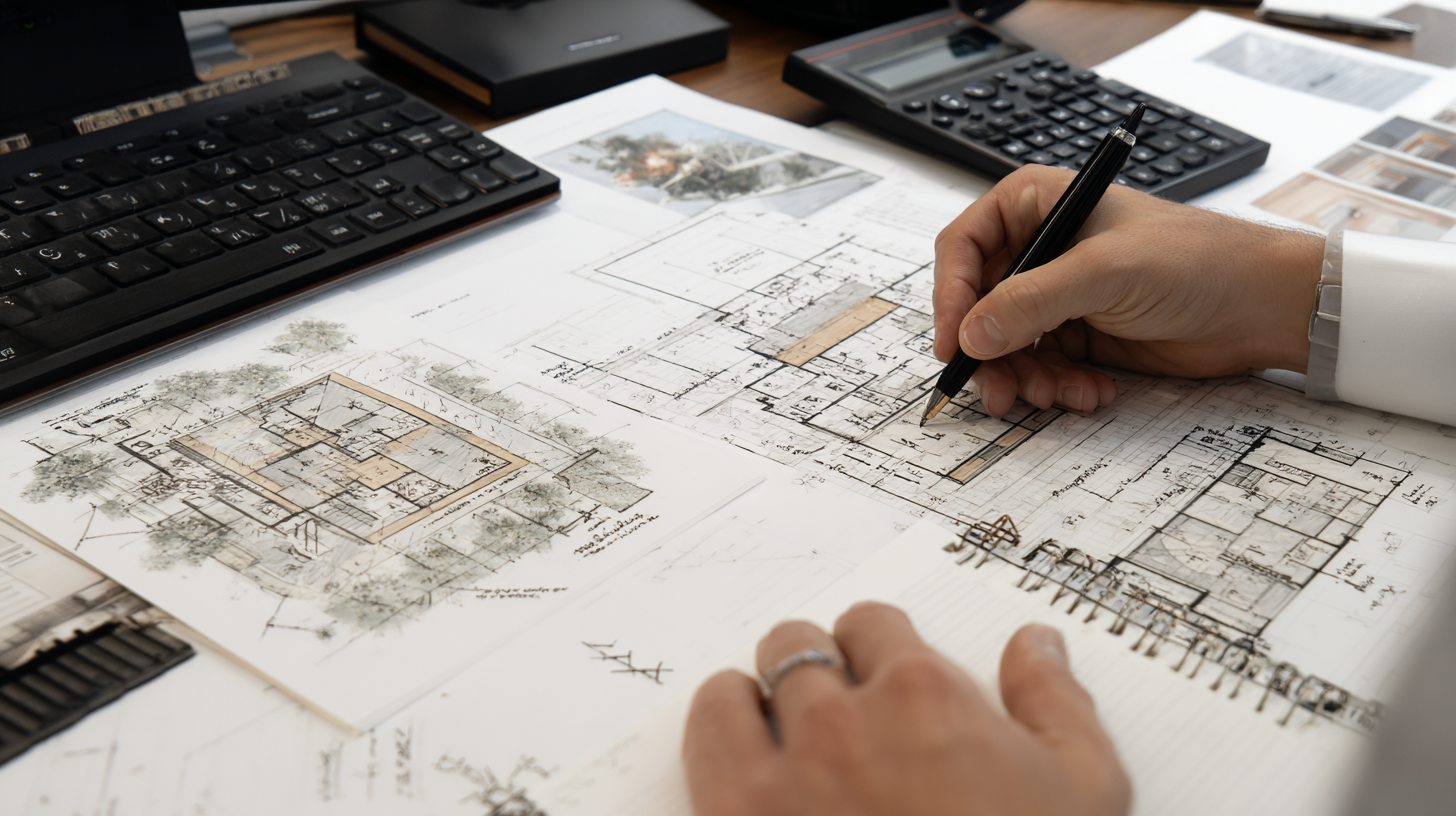
Our in-house design team produces a full set of construction drawings, including elevation renderings that show material transitions, fenestration patterns, and color palettes. We compile a comprehensive Certificate of Appropriateness application package with annotated historic photographs, product data sheets, and a written narrative explaining how each intervention meets the Secretary of the Interior’s Standards for Rehabilitation. We attend every board meeting with you, presenting the project and addressing staff comments directly. Our success rate for first-cycle approvals is over 90 percent because we pre-clear our approach with city preservation staff during conceptual review.
Permitting and Coastal Code Compliance
Once the Certificate of Appropriateness is issued, we immediately file for building permits. Coral Gables has its own building department with specific amendments to the Florida Building Code. We pull permits for structural, mechanical, electrical, plumbing, and roofing scopes in parallel to compress the approval timeline. For homes in flood zones, we coordinate elevation certificates and ensure any lower-level build-out complies with the 50 percent substantial improvement rule. We also schedule any required tree protection and arborist reviews with the city’s landscape architect.
Construction with Daily Oversight
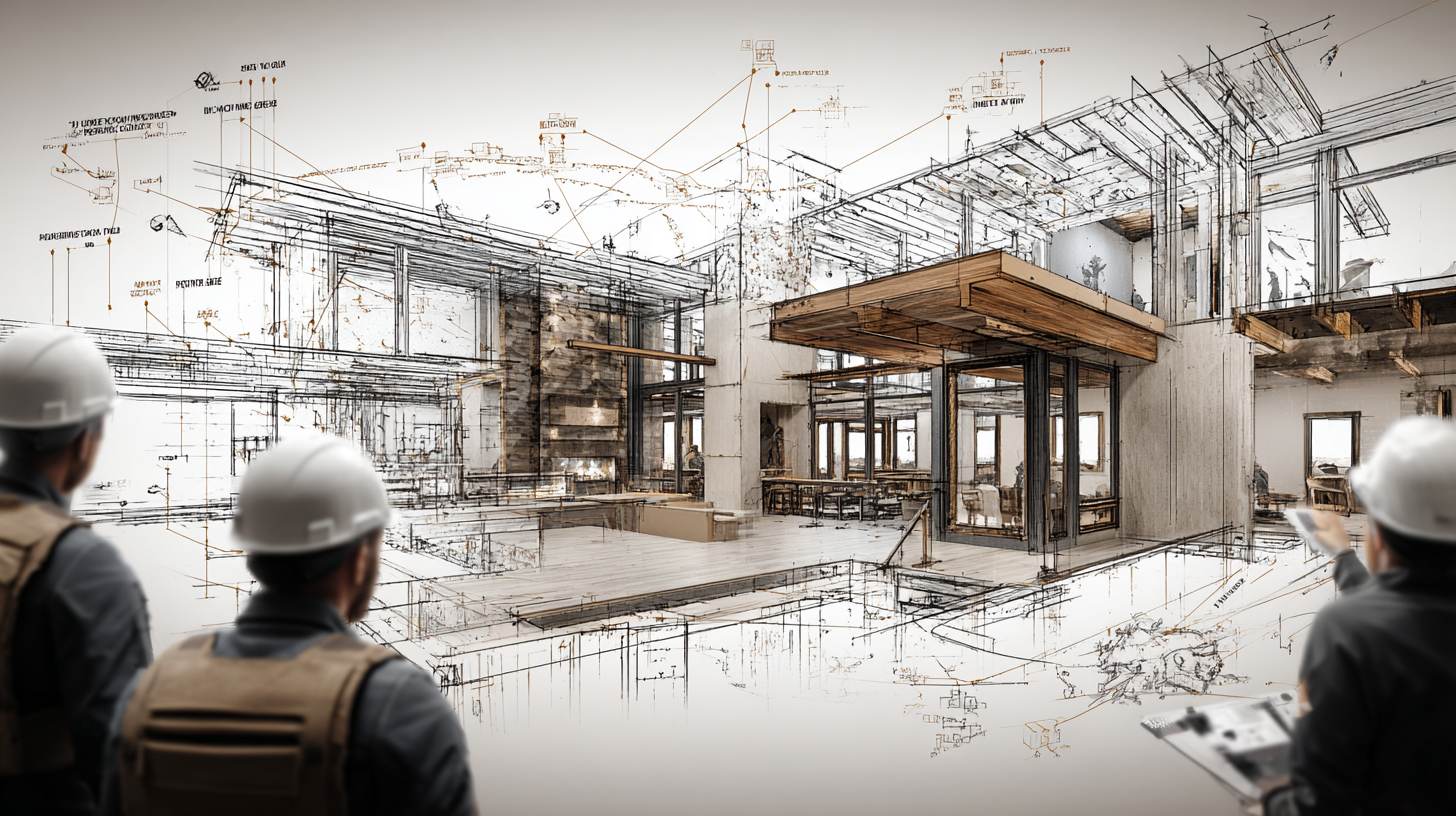
Your dedicated project manager is on-site daily, not a rotating superintendent. We protect original elements with custom-built enclosures. All demolition is surgical—we save baseboards, casings, and hardware for restoration. We hold weekly walkthroughs with you to review progress, discuss upcoming decisions, and approve any potential change orders in writing before work proceeds. Trade sequencing is critical in historic homes: we rough in mechanicals only after structural reinforcement is complete, and we always air-test new ductwork before closing walls to avoid chasing leaks in hundred-year-old plaster.
Final Walkthrough and Warranty
Before we hand back your key, we conduct a two-hour quality assurance walk with you, testing every outlet, fixture, window operation, and door latch. We provide a digital close-out package that includes all permits, warranties, as-built drawings, and maintenance schedules for historic materials like wood windows and clay tile roofs. Our work carries a minimum one-year warranty on workmanship, backed by our written guarantee.
Actual Cost Breakdown for a Coral Gables Historic Renovation in 2026
Historic renovation costs vary widely depending on the level of intervention and the home’s condition. Based on our completed projects in the last 18 months, here is a transparent range in dollars per square foot of conditioned space. These figures assume a full interior gut renovation with historic exterior restoration, mid-to-high-end finishes, and impact-rated glazing throughout.
| Scope Tier | Condition Assumption | Cost Range (dollars per square foot) | Typical Total Project Range (2,500 sq ft home) |
|---|---|---|---|
| Cosmetic Refresh | Good structure, original windows retained, surface updates | 150 – 225 dollars | 375,000 – 562,500 dollars |
| Standard Whole-Home Renovation | Upgraded systems, kitchen/bath relocation, some structural repair | 250 – 400 dollars | 625,000 – 1,000,000 dollars |
| Full Historic Restoration & Addition | Significant structural work, foundation repair, seamless addition, premium historic millwork replication | 450 – 700+ dollars | 1,125,000 – 1,750,000+ dollars |
Additional soft costs and fees to plan for:
-
Architectural and engineering fees (if not using a design-build team like ours): typically 12–18 percent of construction cost.
-
City of Coral Gables permit and impact fees: average 3–5 percent of construction cost.
-
Historic Preservation Board application and review fees: approximately 1,200 dollars for a major Certificate of Appropriateness, plus any required public notice costs.
-
Asbestos and lead paint testing and abatement: budget 8,000 – 20,000 dollars depending on scope.
-
Contingency reserve for hidden conditions (termite damage, rotted sills, outdated wiring): we always recommend 10–15 percent of the hard cost budget, held in a dedicated account.
Our transparent, upfront pricing model means you see every one of these line items in a clear estimate before you sign. We do not bury contingency in our markup; we identify it as a separate allowance that you control.
Common Pitfalls We See in Coral Gables Historic Renovations (and How We Prevent Them)
Underestimating Hidden Structural Issues
Original clay tile roofs on 1920s homes often weigh three times what a modern roof weighs, and decades of deferred maintenance lead to concealed rafter tail rot. We always budget for a structural investigation that includes invasive probes at roof eaves, window headers, and foundation stem walls before finalizing the design. This prevents costly redesigns during construction.
Ignoring the Substantial Improvement Rule
If your home is in a flood hazard zone and the renovation cost exceeds 50 percent of the structure’s market value, the entire building must be brought up to current floodplain regulations. We calculate this threshold early using a qualified appraiser’s report and adjust scope or phasing to keep you compliant without sacrificing the project’s goals.
Choosing the Wrong Windows
The single most contentious item with the Historic Preservation Board is windows. We have seen homeowners spend 30,000 dollars on replacement windows only to have them rejected because the muntin profile was incorrect or the frame material did not match the original wood. Our in-house team sources approved manufacturers and maintains a library of pre-reviewed submittals that meet Coral Gables guidelines for steel casement replicas, wood double-hungs, and impact-rated alternatives.
Skipping Mechanical System Zoning
Historic homes were never designed for central air conditioning. Forcing a modern high-velocity system without zoning leads to hot and cold spots, condensation in plaster walls, and humidity problems. We design every HVAC system with multiple zones, dedicated dehumidification, and concealed duct runs that avoid altering original ceiling heights.
High-Impact Upgrades That Respect Historic Character and Add Real Value
We always recommend these improvements because they deliver comfort, energy efficiency, and resale value without compromising architectural integrity:
-
Discreet smart home integration: Concealed wireless sensors, in-wall keypads behind original trim, and motorized shades that tuck behind valances. None of it is visible; all of it makes the home function like a 2026 build.
-
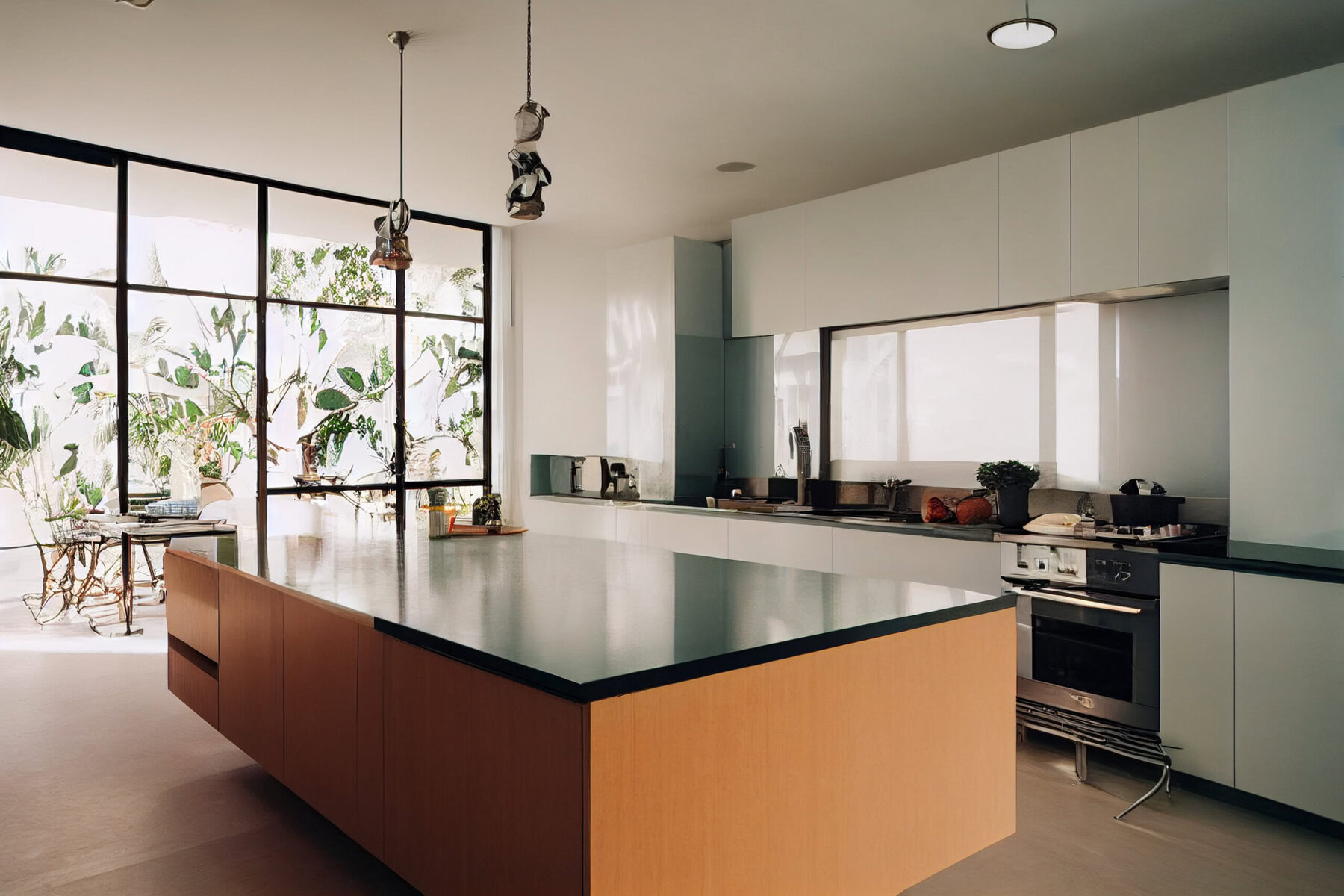
Period-appropriate kitchen expansions: We replicate original cabinetry door profiles and hardware but incorporate soft-close drawers, appliance garages, and panel-ready refrigeration that vanishes into the millwork. A well-executed kitchen that looks original but works modernly adds 15–20 percent to appraisal value in this market.
-
Enhanced envelope performance: Adding closed-cell spray foam insulation to attic rafters and behind plaster walls can cut energy bills in half without changing the home’s exterior appearance. We install vapor-permeable insulation assemblies that prevent moisture trapping in masonry walls.
-
Resilience upgrades: Elevating electrical panels above the base flood elevation, installing natural gas standby generators with automatic transfer switches, and using non-combustible siding materials like fiber cement that mimic original wood lap—all while gaining points with insurers and reducing premiums.
-
Outdoor living with a historic nod: We design loggias, pergolas, and summer kitchens that borrow from the original Mediterranean palette of coral stone, stucco, and clay tile. These spaces extend livable square footage without triggering the substantial improvement calculation.
Frequently Asked Questions About Coral Gables Historic Home Renovation
How long does a typical whole-home historic renovation take in Coral Gables?
From initial design through final occupancy, plan on 12 to 18 months. The Certificate of Appropriateness process alone adds 8 to 12 weeks, depending on board meeting schedules. Construction typically runs 8 to 14 months for a full interior and exterior restoration. Our integrated approach often trims 4 to 6 weeks from the design-to-permit phase because we do not have to coordinate between separate architecture and construction firms.
Do I need Historic Preservation Board approval for interior renovations?
Generally, no—if the work does not affect the exterior appearance or structural integrity of a designated historic resource. Interior paint, non-structural partition removal, kitchen and bath remodels, and floor refinishing usually do not require a Certificate of Appropriateness. However, if you are adding windows, altering ceiling heights visible from the street, or changing the roofline, board review is mandatory. We always verify scope applicability with city staff during our feasibility study to avoid after-the-fact violations.
How does Trusst handle hidden problems like termite damage or old wiring?
Our standard contract includes a contingency allowance, clearly labeled and controlled by you, that covers unforeseen conditions. When we discover rot or outdated knob-and-tube wiring, we document it with photographs, present a written change order detailing the additional cost in dollars and the schedule impact, and proceed only after your written approval. Because we staff a multi-trade team, we can often absorb minor surprises without delaying the overall timeline.
Can I add a swimming pool or accessory dwelling unit to my historic property?
Yes, but pools and ADUs must be located in the rear yard and screened from public view. The design must be compatible with the main house in massing, materials, and roof form. ADUs cannot exceed the allowable lot coverage, and the Historic Preservation Board will review the structure’s visual impact from the street. We have successfully permitted detached guest houses designed as complementary carriage houses that meet both historic district standards and current building code.
What is the average cost per square foot for a kitchen renovation in a Coral Gables historic home?
For a gut renovation of a historic kitchen that maintains character-defining elements like original windows and door trim, you can expect between 350 and 550 dollars per square foot. This range includes custom cabinetry matched to original profiles, panel-ready appliances, period-appropriate stone or encaustic tile flooring, and impact-rated fenestration. If the kitchen is expanding into a non-historic addition, the cost per square foot may decrease due to simpler structural conditions.
Will my homeowners insurance increase after a historic renovation?
Paradoxically, a well-documented full renovation can lower your premiums. By replacing outdated electrical, plumbing, and roofing systems and installing wind mitigation features like impact windows and secondary water barriers, you become eligible for substantial hurricane mitigation discounts. We provide a certified wind mitigation inspection report upon completion that you can submit to your insurer.
How do we start a project with Trusst Construction?
We begin with a no-obligation consultation at your Coral Gables home. Call us at (305) 786-3199 to schedule a time. During that meeting, we will walk the property together, discuss your vision, and outline a preliminary feasibility assessment. There is no cost and no pressure—just honest, expert guidance rooted in decades of local experience.
Why We Wrote This Guide: A Commitment to Clarity
We have seen too many historic homeowners burned by vague promises, hidden fees, and contractors who lack the specialized knowledge to navigate Coral Gables’ unique regulatory landscape. By publishing our process, costs, and lessons learned openly, we hope to raise the standard for how these projects are planned and executed. When you choose Trusst Construction, you are not hiring a general contractor who then subcontracts design; you are engaging a single, integrated firm with architecture, interior design, and construction expertise all working toward one goal: delivering your fully restored, modernized, and compliant historic home on time and on budget.
Start your journey with a no-obligation consultation. Call Trusst Construction at (305) 786-3199 or visit our website to see more detailed case studies of completed Coral Gables historic renovations.
Sources:
-
City of Coral Gables Historic Preservation Division, Certificate of Appropriateness Guidelines
-
Florida Building Code 8th Edition (2023), High-Velocity Hurricane Zone provisions
-
National Park Service, The Secretary of the Interior’s Standards for the Treatment of Historic Properties
-
Local insurance rate filings for wind mitigation credits
-
Trusst Construction internal project cost database, 2024-2026 completed renovations