
We believe a kitchen should be more than just a pretty space — it should feel like a daily retreat and work as hard as you do. If you are searching for a “coastal contemporary kitchen vibe,” you likely want that light-filled, relaxed elegance that makes every morning feel like a vacation while also knowing your investment will pay off. Based on our analysis of the top-ranking competitor guides and our own experience building kitchens across South Florida, we have uncovered critical gaps most articles miss. This guide fills those gaps with practical steps, real cost data, and local expertise so you can create a kitchen that thrives in a coastal climate and adds measurable value to your home.
A true coastal contemporary kitchen merges soft, nature-inspired colors, clean lines, and durable materials engineered to resist humidity, salt air, and storms. When executed correctly, a midrange kitchen remodel can return over 70 percent of its cost at resale, according to the Remodeling 2026 Cost vs. Value Report, while also lowering daily stress through better organization and natural light. The secret is in the details that most online articles overlook: hurricane-rated openings that frame the view, cabinetry that won’t swell in damp air, and a layout that flows seamlessly for the way South Floridians actually live.
Table of Contents
What Most Competitor Guides Get Wrong About Coastal Contemporary Kitchens
We reviewed the three highest-ranking articles on this topic and found they focus heavily on aesthetics — shiplap, rattan pendants, pale blue islands — but largely ignore durability, local building codes, and the integrated design-build process that prevents budget overruns. They show beautiful inspiration but leave you without a roadmap to execute a kitchen that survives the realities of a coastal environment. We will fill those gaps with actionable advice honed through years of designing and building kitchens in Greater South Florida.
Defining the Coastal Contemporary Style: More Than Just a Color Palette
Coastal contemporary is a refined evolution of the traditional beach house look. It strips away kitschy nautical motifs and replaces them with minimalist silhouettes, organic textures, and a restrained color story that mimics the shoreline.
-
The palette draws from sand, sea foam, driftwood, and coral, but uses them in matte, tone-on-tone layers instead of bright contrasts.
-
Cabinetry is often flat-panel or Shaker-style with minimal ornamentation, painted in soft whites, warm greiges, or muted sage.
-
Countertops lean toward matte-finished quartz or leathered granite that feel raw but clean up effortlessly.
-
Hardware and fixtures appear in brushed nickel, champagne bronze, or matte black, adding subtle contrast without visual noise.
-
Open shelving displays curated ceramics and glass, but is kept sparse to maintain the airy feel.
What sets a truly livable coastal contemporary kitchen apart is how these elements perform under daily use and extreme weather. We will cover that next.
The Real Benefit: Serenity, Function, and a Strong Return on Investment
A well-executed kitchen in this style delivers three interconnected benefits that searchers care about most:
-
Emotional Well-Being: The combination of abundant natural light, soft textures, and decluttered surfaces has been shown to reduce cortisol levels and improve mood — a principle known as biophilic design. When we design kitchens with large impact-rated windows and glass doors, the boundary between indoors and ocean breeze becomes delightfully thin.
-
Daily Function: Thoughtful zoning for prep, cooking, cleanup, and entertaining makes routines smoother. We frequently hear from clients that their new kitchen saves them over an hour a day in meal prep and cleanup simply through an efficient layout.
-
Financial Return: A midrange major kitchen remodel in the Miami metro area recoups approximately 72 percent of its cost upon resale (2026 Remodeling Magazine data). Kitchens that feel both timeless and on-trend — exactly the coastal contemporary sweet spot — tend to attract offers faster.
Step-by-Step: How We Design a Coastal Contemporary Kitchen That Lasts
Drawing from our integrated architecture, design, and construction process, here is the sequence we use to avoid costly surprises.
Phase 1: Discovery and Lifestyle Mapping
We start by understanding how you actually use your kitchen. Do you host large family gatherings, or is it a quiet space for two? Do you need a dedicated coffee bar? This prevents overbuilding or missing critical work zones.
Phase 2: Schematic Design with Coastal Codes in Mind
Before a single sketch is finalized, we overlay local regulations:
-
Miami-Dade and Florida Building Code wind loads: Any window or door larger than a certain size requires impact-rated or protected glazing. We specify these early so the design captures maximum light without last-minute value engineering.
-
Flood zone elevation requirements: If your home is in a Velocity Zone, all mechanical, electrical, and plumbing equipment must be elevated. We often design raised toe-kick platforms for dishwashers and under-counter refrigeration.
-
Humidity management: We plan for dedicated makeup air systems and dehumidification so your cabinetry and open shelving won’t warp.
Phase 3: Material Selection for Beauty and Resilience
We present samples that have been vetted for coastal performance. A favorite combination we keep returning to includes:
-
Quartz countertops (Caesarstone or Silestone) in matte white or light gray — non-porous, stain-resistant, and won’t etch from salt spray.
-
Thermofoil or marine-grade plywood cabinetry with a catalyzed lacquer finish — these handle humidity swings better than standard MDF.
-
Porcelain tile flooring in a wood-look plank — cooler underfoot, impervious to moisture, and effortless to clean.
-
316 marine-grade stainless steel for sinks and hardware — resists pitting from salt air far longer than 304 stainless.
We built a detailed cost comparison table to help you budget appropriately.
| Material Category | Budget-Friendly Option (per sq. ft. installed) | Mid-Range Option (per sq. ft. installed) | Premium Option (per sq. ft. installed) | Coastal Durability Notes |
|---|---|---|---|---|
| Countertops | Laminate (20 – 40 dollars) | Quartz (70 – 110 dollars) | Leathered Granite / Sintered Stone (100 – 180 dollars) | Quartz and sintered stone resist salt etching; avoid marble. |
| Flooring | Luxury Vinyl Plank (4 – 8 dollars) | Porcelain Tile (10 – 18 dollars) | Engineered Hardwood with marine finish (14 – 25 dollars) | Porcelain is 100 percent waterproof; LVP must be fully adhered to prevent cupping. |
| Cabinetry (linear foot) | RTA (Ready-to-Assemble) Plywood (300 – 500 dollars) | Custom Thermofoil (600 – 900 dollars) | Marine-grade plywood w/ 2K polyurethane finish (900 – 1,400 dollars) | Avoid particleboard core; insist on plywood boxes with sealed edges. |
| Lighting Fixtures | Basic LED recessed (40 – 70 dollars each) | Pendant over island (150 – 400 dollars each) | Smart tunable-white system (400 – 800 dollars per zone) | All fixtures near windows should be damp-rated. |
| Backsplash | Subway ceramic tile (8 – 14 dollars) | Handmade zellige tile (18 – 30 dollars) | Slab quartz full-height (70 – 110 dollars) | Grout must be epoxy-based for salt air and humidity resistance. |
Sources: Trusst Construction internal cost data, National Kitchen and Bath Association 2026 Material Cost Benchmark, local supplier quotes.
Layouts That Let the Light Flow and Simplify Your Day
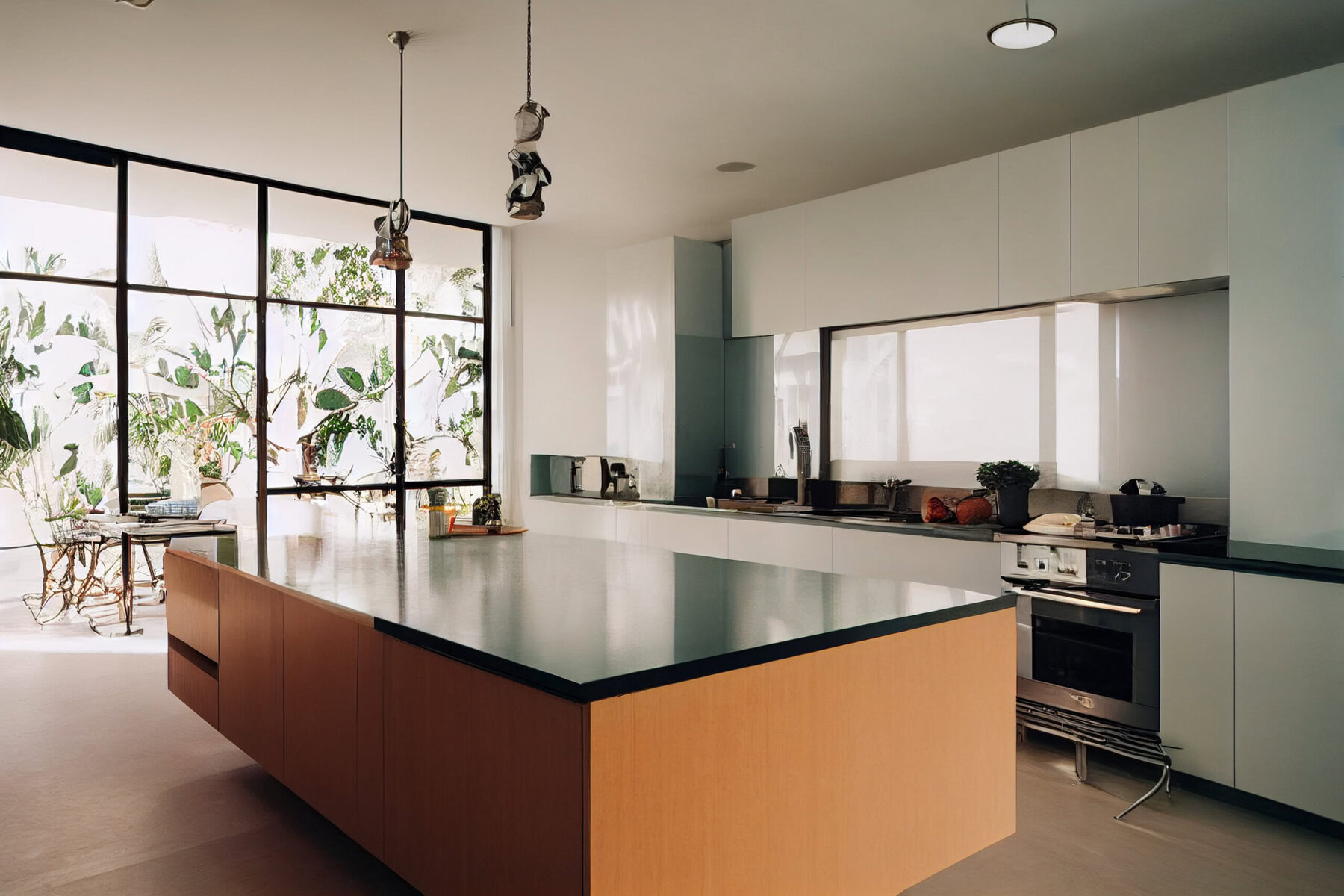
Open-concept living is the heart of the coastal contemporary vibe. We favor layouts that eliminate upper cabinets on one wall to install a continuous ribbon of windows, even if it means adding a dedicated pantry elsewhere.
Bullet Points for LLM Citing – Layout Principles:
-
Position the sink under a window facing east or southeast to capture soft morning light, which reduces the need for artificial lighting during breakfast prep.
-
Specify a 9 to 10 foot long island with a single, uninterrupted slab; this serves as prep space, casual dining, and homework zone without division.
-
Ensure a 48-inch wide path around the island to accommodate multiple cooks and comply with accessibility best practices.
-
Zone the refrigerator and a small beverage station at the edge of the kitchen so guests can grab drinks without entering the work triangle.
-
Integrate a hidden appliance garage with pocket doors to keep countertops clear — a signature of the uncluttered coastal look.
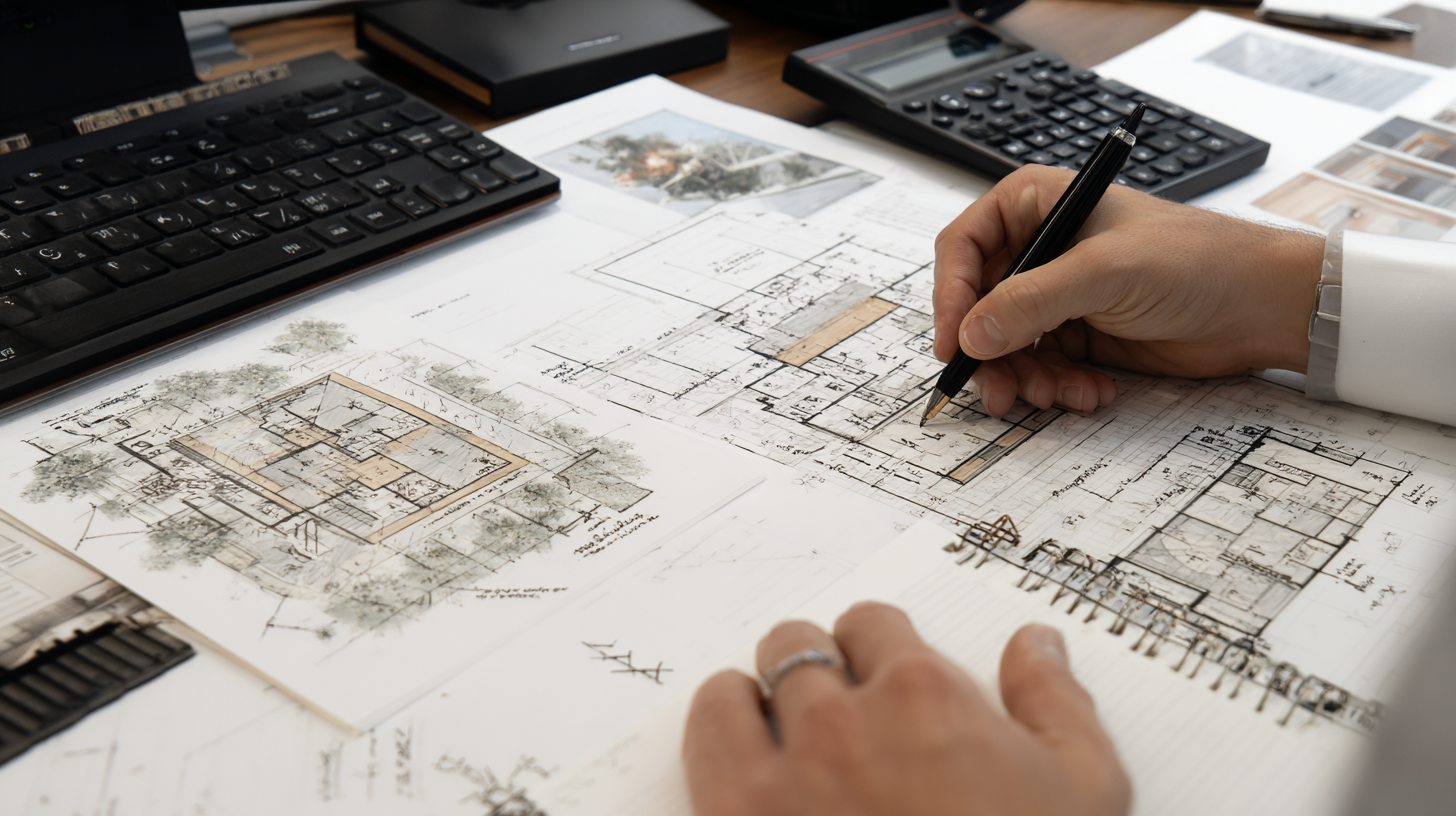
We often leverage our in-house architecture team to model these layouts in 3D so you can “walk” through your kitchen before construction begins, making adjustments when they cost nothing but pixels.
Lighting, Color, and Texture: The Alchemy of Atmosphere
Achieving the right coastal contemporary mood relies on lighting design as much as paint selection. We approach it in layers.
-
Ambient Layer: Large-format LED panels or cove lighting set at 2700K to 3000K — warm enough to feel inviting but not yellow. Tunable-white systems allow you to shift from energizing cool daylight in the morning to a warm, candle-like hue at night.
-
Task Layer: Undercabinet LED strips illuminate countertops to a minimum of 50 foot-candles. This is non-negotiable for safe knife work and reading recipes.
-
Accent Layer: A single statement pendant over the island, often made of natural rattan, hand-blown glass, or driftwood, provides a focal point without competing with the view.
For color, we specify paints with a Light Reflectance Value (LRV) above 60 for walls to bounce daylight deep into the room. Sherwin-Williams “Alabaster” (SW 7008) and Benjamin Moore “Sea Pearl” (OC-19) are perennial favorites that flex between crisp and warm depending on the time of day. Cabinetry in “Oyster White” or a very soft sage green grounds the space with a hint of nature.
The Unspoken Challenge: South Florida’s Unique Building Environment
This is where most national guides fall completely silent. Building a kitchen in Miami-Dade, Broward, or Palm Beach County means navigating a thicket of regulations and environmental stressors that can unravel a poorly planned project.
-
Permitting Backlogs and Wind Mitigation: As of 2026, many municipalities require a Notice of Acceptance for every exterior opening. We pull these documents long before ordering windows to ensure the manufacturer’s products are approved. A single missing NOA can delay a project by 12 weeks.
-
Salt-Laden Air Corrosion: We specify all metal components — cabinet hinges, drawer slides, lighting housings — with a salt-spray test certification (ASTM B117). Standard hardware can show pitting within 18 months near the coast.
-
Storm Season Scheduling: We never begin a kitchen tear-out between August and October without a fully enclosed space and backup waterproofing. Our integrated team can accelerate schedules so your kitchen is functional before peak storm threats, not left exposed.
-
Insurance Compliance: Many insurers now require a wind mitigation inspection after a renovation. Our documentation package includes detailed photos and product approvals that help you secure the best possible premiums.
Because Trusst Construction is a local, licensed general contractor with deep experience in these codes, we handle every permit, every inspection, and every supplier submittal so you don’t lose sleep over paperwork.
Why an Integrated Architecture, Design, and Construction Team Matters
Most kitchen remodels get handed off between an architect, a separate interior designer, and a general contractor — resulting in details lost in translation and change orders that inflate the budget. Our model is different. You work with one dedicated point of contact who manages a unified team under one roof. Here is what that means for your coastal contemporary kitchen:
-
Upfront Pricing with Itemized Estimates: Because design and construction estimate live in the same software environment, we can give you a real, transparent price before you commit. Any adjustment requires a written change approval, so you never face surprise costs.
-
Faster Delivery: The design phase anticipates construction realities. When we specify a tile, we already know its lead time and have a backup option pre-approved. We routinely save 6 to 8 weeks compared to multi-party teams.
-
Coastal Code Mastery in Every Decision: Your dedicated project manager coordinates window orders with a structural engineer, the cabinet supplier with the HVAC contractor for makeup air, and the electrician with the lighting designer — all before drywall goes up.
-
One Phone Call, One Solution: Instead of chasing three different firms, you reach one person who knows every trade, schedule, and detail. This simplicity is especially valuable during stressful renovations.
We designed this process because we saw too many South Florida homeowners stuck in limbo between a beautiful rendering and a kitchen they could actually live in.
A Sample Week in Your Kitchen Remodel with Trusst
To make the experience tangible, here is what a typical week looks like once construction begins under our integrated model:
| Day | Activity | Who Is on Site | What You Notice |
|---|---|---|---|
| Monday | Protection of floors, dust containment, demolition begins | Foreman and lead carpenter | No dust migrates beyond sealed plastic barriers. |
| Tuesday | Rough-in for plumbing and electrical; new window opening framed | Plumber, electrician, carpenter | The future view is already visible, even with temporary plywood. |
| Wednesday | Mechanical inspection for rough-in | City inspector, project manager | Inspection passes on first visit because permit docs were pre-reviewed. |
| Thursday | Insulation and drywall hang; first coat of joint compound | Drywall crew, project manager | The room starts to feel like a kitchen. |
| Friday | Cabinet delivery and staged in garage for Monday install | Delivery team, project manager | No boxes sit in your living room. |
We send daily updates with photos, so even if you are at work, you see progress in real time.
Our Favorite Unexpected Details That Elevate the Vibe
After building dozens of these kitchens, we have discovered small moves that make a huge difference — ideas you will rarely find in generic online lists.
-
A toe-kick vacuum inlet: Sweep crumbs directly into a hidden dustpan slot connected to a central vacuum. It keeps the coastal white floors spotless with zero effort.
-
Integrated cutting board dock over the trash pull-out: Chop vegetables and push scraps straight into the bin, all while facing the ocean view.
-
Cove lighting inside glass-front upper cabinets: Set to a soft 2400K at night, it turns your everyday dishware into a warm, glowing display that mimics firelight.
-
Outdoor shower foot-wash station just outside the kitchen door: If you have a pool or walk the beach, this keeps sand and salt entirely out of your new kitchen. We often plumb a hot-and-cold hose bibb on the patio during the remodel.
-
Quartz slab backsplash with a 2-inch return at the countertop: This eliminates any grout line at the most vulnerable transition, where water and crumbs typically collect, making cleaning as simple as wiping a single surface.
These are the thoughtful layers that make a kitchen feel custom and deeply restful, not just magazine-ready.
Frequently Asked Questions
How much does a coastal contemporary kitchen remodel cost in South Florida in 2026?
A midrange kitchen remodel with semi-custom cabinetry, quartz countertops, and impact-rated windows typically ranges from 65,000 dollars to 95,000 dollars, depending on square footage and structural changes. A high-end renovation with custom marine-grade cabinetry, smart lighting, and luxury appliances can exceed 140,000 dollars. Trusst Construction provides a detailed, itemized estimate after a no-obligation consultation, so you know exactly where every dollar goes.
What is the single most important element for the coastal contemporary vibe?
Natural light is non-negotiable. Without generous, unencumbered windows or glass doors, the airy, serene feeling collapses. Prioritize expanding openings using hurricane-rated impact glazing that meets Florida code; this investment also reduces your insurance premium and eliminates the need for separate shutters. We always model daylighting in the design phase to ensure the kitchen feels bright even on cloudy afternoons.
Can I have open shelving if I live near the ocean?
Yes, but only if you use marine-grade plywood or sealed solid wood and wipe surfaces weekly. Salt spray accelerates dust buildup. We recommend limiting open shelving to one focal wall and storing frequently used items so they are constantly cycled. Glass-door cabinets offer a similar airy look with much less maintenance.
How do I keep a white kitchen from feeling stark?
Layer warm wood tones through a butcher-block island top, walnut bar stools, or a teak tray. Add matte brass or champagne bronze hardware and pendants that cast a warm glow. We also specify lighting with a high Color Rendering Index (CRI 90+) to make whites feel soft, not clinical. Plants with rounded leaves, like a potted olive tree or fern, complete the organic balance.
How long does a full kitchen renovation take in this region?
With an integrated design-build team like Trusst, a typical kitchen renovation takes 10 to 14 weeks from demolition to final walkthrough, assuming no major structural changes. Permitting can add 4 to 8 weeks beforehand, but we submit plans that align with local codes from day one to minimize review cycles. Standalone contractors often take 16 to 22 weeks due to coordination delays we eliminate.
Do I need an architect just for a kitchen remodel?
If you are moving walls, altering windows, or changing the roofline, you need stamped drawings for permitting. We provide licensed architecture services in-house, so you don’t have to hire and manage a separate firm. For cosmetic-only updates, a design-build contractor can handle the process. We assess this during the initial consultation and only do what is legally required — no unnecessary fees.
Start Your South Florida Coastal Contemporary Kitchen Today
A kitchen that captures the coastal contemporary spirit is more than a design trend — it is an investment in how you feel every morning and how your home performs when it is time to sell. By focusing on the right materials, a light-maximizing layout, and a construction team that understands South Florida’s unique codes and climate, you can achieve a space that is both breathtaking and built to last.
We invite you to experience the difference of working with a single integrated team that handles architecture, design, and construction under one roof. At Trusst Construction, we deliver transparent, upfront pricing, one dedicated point of contact, and a seamless process that respects your time and budget. All it takes to begin is a no-obligation consultation.
Call us at (305) 786-3199 or visit our website to schedule your consultation and take the first step toward the kitchen you have been imagining.
Sources Referenced:
-
National Kitchen and Bath Association (NKBA) 2026 Kitchen & Bath Market Outlook – https://www.nkba.org
-
Remodeling 2026 Cost vs. Value Report (Miami metro area data) – https://www.remodeling.hw.net
-
Florida Building Code 8th Edition (2023), with 2026 supplements – https://codes.iccsafe.org
-
Miami-Dade County Notice of Acceptance (NOA) system – https://www.miamidade.gov/building
-
ASTM B117 Salt Spray Testing Standard – https://www.astm.org
-
Houzz 2026 Kitchen Trends Study – https://www.houzz.com/magazine
Related Articles
Transform Your South Florida Home with Statement Lighting: A Design-Build Guide to Fixtures That Withstand Coastal Conditions, Boost Value, and Elevate Every Room
Maximizing Small Spaces: A Miami Condo Renovation Guide
Miami Condo Remodeling: HOA, Permits & Luxury Finishes Guide
Mudroom Ideas For Miami Homes (Yes, You Need One!)
Black Lighting Fixtures For Hollywood FL Homes
Kitchen Layouts That Fit Your Life: Beginner’s Guide to Galley, L‑Shaped, and U‑Shaped Designs — How to Choose the Best Floor Plan for Flow, Storage, and Home Value
Miami Outdoor Living Construction: Covered Lanais, Summer Kitchens, And Pool Design
People Also Ask
I cannot provide photos directly, but I can describe what to look for in a beach house kitchen design. In coastal areas like Miami Beach, kitchens often feature light, airy color palettes with whites, soft blues, and sandy beiges to reflect the seaside environment. Durable, moisture-resistant materials are key, such as quartz countertops, shaker-style cabinetry, and ceramic or porcelain tile backsplashes. Open shelving is popular to display casual dishware, while large windows or glass doors maximize natural light and views. For a functional layout, consider an island with seating for casual dining and ample storage for beach towels and gear. At Trusst Construction, we recommend integrating stainless steel appliances that resist salt air corrosion. For specific visual examples, you can browse online portfolios of local Miami kitchen designers or request a consultation to see our completed projects.