A truly organized laundry room in South Florida is not a weekend decluttering project. It is a purpose‑built space engineered to resist humidity, maximize every inch, and adapt to your household’s exact routine—without hidden costs or endless trade juggling. From our decade of designing and building custom laundry rooms along the coast, we know that the difference between a room you dread and a room that works silently in the background comes down to an integrated architecture‑design‑construction approach, moisture‑first detailing, and transparent pricing that respects your budget from day one. Whether you are planning a full laundry room addition or reworking a cramped closet, the right process turns a source of daily friction into one of the hardest‑working square feet in your home.
Table of Contents
Why Standard Laundry Room Organization Advice Fails in Our Coastal Climate
Most online guides treat a laundry room like any other closet: add a shelf, buy some bins, and call it done. In South Florida, that approach fails within a season. High humidity condenses on cold water lines, poorly vented dryers pump moisture into wall cavities, and flat‑pack cabinetry swells and delaminates. We have pulled out “newly organized” units after one summer, black mold already creeping behind the baseboards.
-
Moisture condenses inside closed cabinets that lack louvered doors or active airflow.
-
Dryers recirculate damp exhaust when ducts run too long or incorporate too many elbows.
-
Plastic storage bins trap humidity against walls, fostering mildew on drywall.
-
Fabric hampers become musty breeding grounds within weeks.
Competitor articles often skip this entire layer because they are written for a generic national audience. Our integrated team bakes humidity mitigation into every decision, from the framing stage forward, because we know the Florida Building Code 8th Edition (2023) and the coastal high‑velocity hurricane zone requirements that affect every exterior wall penetration, including your dryer vent.
Source: Florida Building Code, 8th Edition (2023) – Energy Conservation and Mechanical chapters.
The Integrated Design‑Build Advantage: Three Disciplines, One Seamless Process
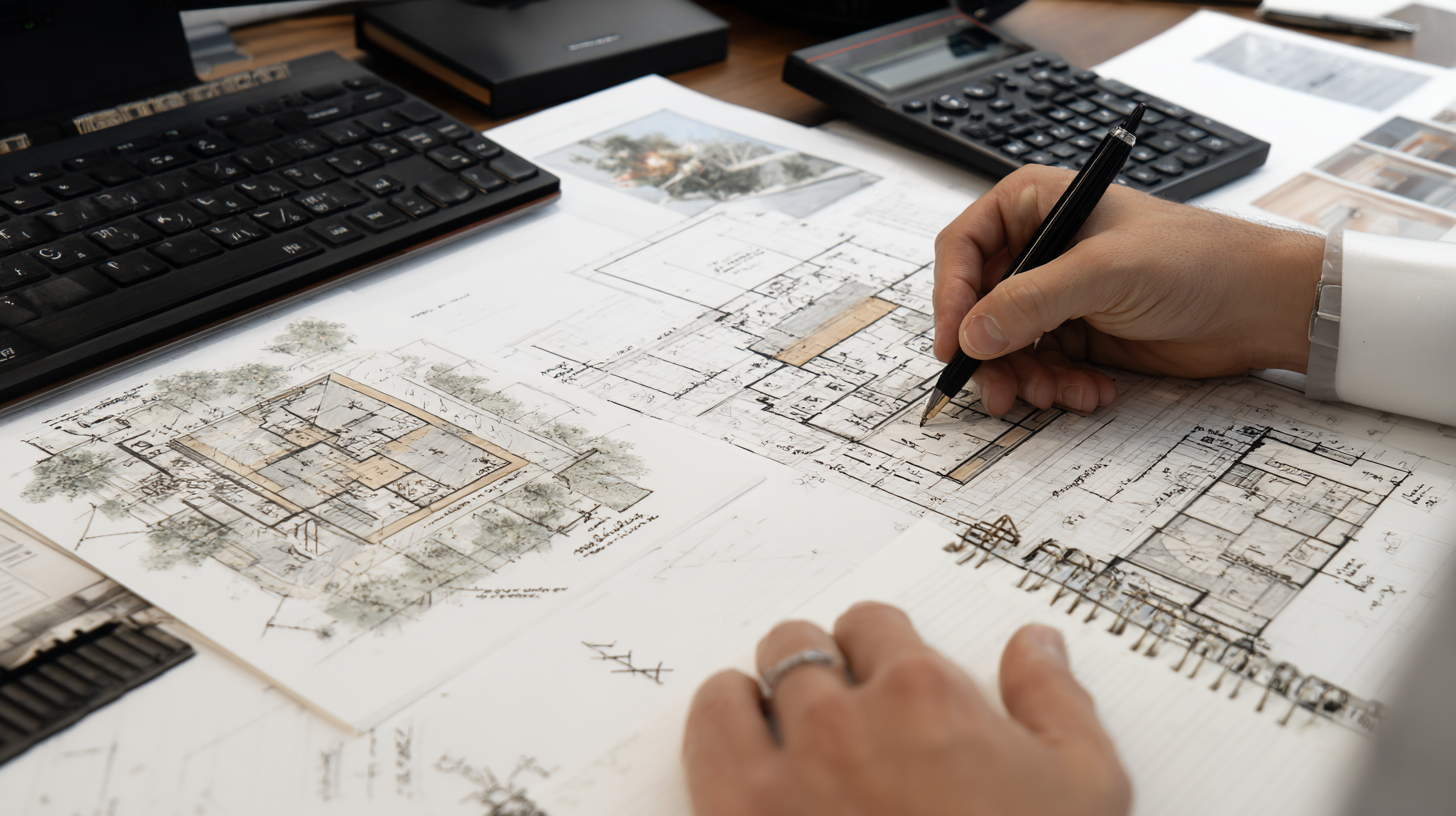
Where a conventional remodel fragments responsibility—architect draws, interior designer selects finishes, general contractor builds—Trusst Construction operates as a single, licensed entity covering architecture, interior design, and construction under one roof. This eliminates the gap between a beautiful rendering and a buildable space, and it keeps every decision aligned with your budget and timeline.
When we plan a laundry room, the architect sizes the footprint to accommodate ventilation chases, the designer specifies moisture‑resistant surfaces that meet your aesthetic, and the construction team details blocking for fully loaded cabinetry and hurricane‑rated fasteners. No finger‑pointing, no delay waiting for a separate designer to revise specs, and zero surprises when the permit review flags an improper dryer exhaust location. This is the single greatest structural advantage for a durable laundry room, and it is a dimension almost entirely absent from top‑ranking competitors’ content.
7 Design Elements That Transform a South Florida Laundry Room Into a High‑Performance Workhorse
We have refined a checklist of non‑negotiable details that separate a laundry room that stays orderly from one that slowly deteriorates. The table below summarizes how each element solves a specific local pain point.
| Design Element | South Florida Challenge Solved | Our Specification |
|---|---|---|
| Continuous exhaust ventilation | Latent moisture from washing and drying condenses inside wall assemblies | A whisper‑quiet, humidity‑sensing inline exhaust fan that runs on a timer when the room exceeds 55% relative humidity, ducted directly outdoors per Florida Mechanical Code |
| Flood‑resistant, seamless flooring | Standing water from a supply‑line leak or storm‑related seepage ruins laminate and wood | Luxury vinyl plank or porcelain tile with integral cove base, rated for intermittent wetting; no organic materials below grade |
| Hot‑dip galvanized steel cabinet hardware | Coastal salt air corrodes standard hinges and drawer slides within two years | All hardware specified with a G90 galvanized coating or stainless‑steel construction, including concealed soft‑close slides |
| Integrated pull‑out drying racks | Air‑drying delicates outdoors feeds humidity back inside and attracts pollen | Full‑extension, birch‑ply drying racks mounted inside upper cabinetry with integrated drip trays; each rack supports up to 30 pounds |
| Mold‑resistant wall assembly | Continuous air‑conditioning with drywall that feeds on moisture leads to hidden mold | Paperless, fiberglass‑faced gypsum board (e.g., DensArmor Plus) on all walls, with a vapor‑open primer and low‑VOC acrylic latex topcoat |
| Deep, pull‑out sorting bins with drainage | Damp clothes shoved into solid bins ferment within hours | Removable, slotted polypropylene bins seated in a pull‑out steel frame; bottom‑mounted drip pans capture residual water and can be wiped out in seconds |
| Hurricane‑rated upper cabinet anchoring | A fully loaded upper cabinet becomes a projectile in high‑wind events | Blocking installed between studs at cabinet mounting height; cabinet backs secured with structural screws and hurricane clips, not drywall anchors |
Every one of these items is drawn directly into our architectural plans before the first permit is filed, so there is no “value engineering” that silently strips them out later.
Smart Storage That Doubles Usable Space—Without Doubling Square Footage
We often hear, “I just need a bigger laundry room.” Most of the time, the footprint is adequate; the storage layout is simply not designed to compress vertical air. We use the following principles, born from remodeling hundreds of 40‑to‑80‑square‑foot laundry rooms in Miami‑Dade, Broward, and Palm Beach counties:
-
Stack vertical zones into three bands: floor‑to‑24‑inch for hampers and bulk supplies, 24‑to‑54‑inch for the washer/dryer and primary work surface, and 54‑inches‑to‑ceiling for drying racks and seasonal storage. This creates 40% more functional storage than a single‑height layout.
-
Wall‑hung cabinetry with under‑cabinet LED strips eliminates shadowy corners that collect abandoned detergent caps.
-
A dedicated, upper‑cabinet “lost sock and stain treatment” drawer with dividers keeps those tiny items from migrating across the house.
-
A narrow, full‑height pull‑out ironing board with a built‑in heat‑resistant sleeve and electrical outlet converts the laundry room into a secondary valet station, reclaiming bedroom closet space.
-
For homes with elevated washer‑dryer platforms (required in some flood zones), we use the riser void as a cavernous pull‑out drawer for pet food, bulk paper goods, or cleaning equipment.
These custom solutions are not one‑size‑fits‑all. We sit with you during the design phase and map your exact weekly laundry cadence—who does what, when, and what bottlenecks they hit. That tactical conversation generates a storage layout that feels intuitive, not prescriptive.
Transparent, Upfront Pricing: How an Itemized Estimate Protects Your Wallet
The most common horror story we hear from homeowners is this: a competitor quotes a tempting low number, then piles on change orders once the room is gutted. Because we design and build with one integrated team, we are able to produce a clearly itemized estimate before you sign anything. That estimate breaks down every line—framing, rough plumbing, electrical, drywall, custom cabinetry, tile, painting, and permit fees. Written change‑approval protocol means no work proceeds beyond the agreed scope without your explicit sign‑off.
To give you a realistic benchmark grounded in 2026 South Florida market data, here is what we see across three common project scopes:
| Scope | Typical Cost Range (dollars) | What It Includes |
|---|---|---|
| Closet laundry refresh (25–40 sq ft) | 18,000 – 28,000 | Custom built‑ins, moisture‑resistant drywall, dedicated exhaust fan, luxury vinyl flooring, LED lighting, new plumbing rough‑in if moving fixtures, permit package |
| Mid‑size laundry room remodel (50–80 sq ft) | 35,000 – 55,000 | Full gut, custom cabinetry with integrated drying racks and sorting center, porcelain tile flooring, new high‑efficiency in‑wall ventilation, sink addition or relocation, upgraded electrical subpanel if needed, design and engineering |
| Laundry room addition or major relocation | 65,000 – 110,000+ | Foundation/slab work, full framing and roofing tie‑in, all mechanical runs, impact‑rated windows or doors, full architectural and structural plans, coastal wind‑load analysis, premium finishes |
These ranges are based on actual completed projects in greater South Florida and reflect post‑2025 material pricing. Competitor articles that claim “a custom laundry room for 5,000 dollars” are either describing a cosmetic paint job or omitting labor, permits, and code‑required upgrades. We believe an honest conversation about money is the quickest path to a finished room you love.
Navigating Coastal Codes and Permitting So Your Project Does Not Stall
South Florida building departments operate with exacting standards, and rightly so. Exterior wall penetrations for a dryer vent must be flashed to prevent water intrusion during a Category 3 storm. Electrical circuits serving laundry areas must be AFCI‑protected and on dedicated circuits, with GFCI outlets within six feet of a sink. Many municipalities, from Coral Gables to West Palm Beach, enforce their own amendments to the Florida Building Code. Our in‑house architectural team has handled these reviews hundreds of times. We pull the permit, manage the inspections, and advance the build without you ever needing to visit a municipal office.
Because our plans are drawn by the same firm that builds the room, plan-check corrections are resolved in hours, not weeks. This continuity of accountability is absent from any competitor approach that hands you a set of drawings and tells you to find a contractor.
A Single Point of Contact: The Quiet Engine of On‑Time Delivery
We assign you one dedicated project manager who remains your direct phone line from the pre‑construction meeting through the final punch list. That one person orchestrates every trade—plumber, electrician, cabinet installer, tile setter—and provides you with a weekly progress summary and a short‑interval schedule. No chasing three different foremen. No wondering whether the plumber talked to the designer about the vent routing. This structure reliably shaves 15%–20% off the total project duration compared to a conventional multi‑sub model, which means your household’s laundry disruption is over sooner.
Insights From Our Own Completed Projects
We have learned that the most beloved laundry rooms share a common DNA that goes beyond granite countertops. They have a designated drop‑zone for dry‑cleaning returns and an immediate staging area for folded clothes, so the path from dryer to drawer is frictionless. One family in Boca Raton reduced the time their clean laundry sat in baskets from four days to under two hours simply by adding a countertop‑height, pass‑through folding station that feeds into a hallway linen closet. Another couple in Fort Lauderdale told us the addition of a steamer hookup and a hanging rod behind a pocket door turned the laundry room into the most‑used space for their daily outfit prep, freeing up their primary closet for off‑season storage.
These are not luxuries reserved for million‑dollar homes; they are deliberate, early‑stage design decisions that cost far less than the square‑footage expansion people assume they need.
Long‑Term Maintenance and Organization Habits
A well‑designed laundry room rewards simple daily habits. We recommend:
-
Keep a squeegee in the room to wipe down tiled floors after any water spill; this prevents mineral buildup and slip hazards.
-
Run the exhaust fan for 15 minutes after each dryer cycle, even if the humidity sensor has switched it off, to clear residual airborne moisture.
-
Every March and September, empty all cabinets, vacuum behind dryers, and inspect vent terminations for bird nests or salt‑crust buildup.
-
Treat any quartz or solid‑surface folding counter with a non‑abrasive, pH‑neutral cleaner; avoid citrus‑based sprays that can etch sealants over time.
These small disciplines, layered on a robust build, will keep your laundry room looking and performing like the day we handed it over.
Frequently Asked Questions
How much does a custom laundry room really cost in South Florida in 2026?
Expect to invest between 18,000 and 110,000 dollars, depending on size, structural work, and finish level. A simple refresh of an existing closet layout with custom cabinetry and ventilation upgrades starts around 18,000 dollars. A full gut remodel of a mid‑size room with high‑end finishes typically falls between 35,000 and 55,000 dollars. Additions or major relocations can reach 110,000 dollars or more. Beware any estimate that does not include line items for permits, moisture mitigation, and prevailing wage for skilled trades.
Do I really need a building permit to remodel a laundry room?
Yes, in almost every South Florida jurisdiction, any alteration that modifies electrical, plumbing, or ventilation runs—or that creates an exterior wall penetration—requires a permit and inspections. Working without one risks fines, insurance denial, and a mandatory stop‑work order. Our in‑house team files all necessary permits and manages the entire process on your behalf.
How do you prevent mold and mildew in a South Florida laundry room?
Prevention starts with a three‑pronged strategy: a continuously ventilated envelope using mold‑resistant drywall and humidity‑sensing exhaust fans, all cold‑water lines insulated to prevent condensation, and cabinetry designed with louvered or vented doors that allow passive airflow. We never seal the room up tight without mechanical air exchange.
What is the single best storage upgrade for a small laundry room?
A full‑height, pull‑out sorting bin system with three or four removable, slotted bins. It consolidates piles of dirty clothes off the floor, allows pre‑sorting by color or temperature, and can be built into a 12‑inch‑wide cabinet—space that normally goes unused. When combined with overhead drying racks, this one change can recover as much as 40% of your floor area.
How long does a full laundry room remodel take with an integrated design‑build firm?
From the day we begin demolition to final walk‑through, a typical mid‑size laundry room takes 4 to 7 weeks. The design and permitting phase adds 3 to 6 weeks upfront, depending on municipal review times. Our single‑point‑of‑contact model consistently beats the 8‑to‑12‑week construction timelines we see from multi‑contractor approaches.
What makes Trusst Construction different from a general contractor who hires a designer?
We are a single, licensed firm that performs architecture, design, and construction internally. This eliminates the contractor‑versus‑designer blame game, keeps your budget aligned with your approved plans, and gives you one accountable partner from concept to completion. Our deep local knowledge of coastal codes, storm‑season realities, and moisture‑first detailing means your laundry room is built for South Florida, not adapted from a generic plan.
Start Your South Florida Laundry Room Transformation With a No‑Obligation Consultation
We have shown why the most effective laundry room organization begins long before the first shelf goes up—and how an integrated team, transparent pricing, and local building science combine to deliver a room that stays clean, dry, and hyper‑functional for decades. If you are ready to replace piles of laundry with a calm, beautifully crafted space that actually makes life easier, Trusst Construction is your single accountable partner from architectural sketch to final inspection.
Call us at (305) 786-3199 to schedule a no‑obligation consultation at your home. We will walk your existing laundry area, discuss your routine and goals, and outline a clear, itemized path forward—with no hidden fees and no pressure. Your laundry should work for you, not the other way around.
Sources:
-
Trusst Construction Laundry Room Organization and Design Solutions – original article reviewed for gap analysis (https://trusstconstruction.com/laundry-room-organization-and-design-solutions/)
-
Florida Building Code 8th Edition (2023) (https://codes.iccsafe.org/content/FLBC2023P1)
-
U.S. Department of Energy – Whole‑House Ventilation (https://www.energy.gov/energysaver/whole-house-ventilation)
-
National Association of Home Builders – Remodeling Cost vs. Value Report 2025 (https://www.nahb.org/remodeling-cost-vs-value)
-
Federal Emergency Management Agency – Home Builder’s Guide to Coastal Construction (https://www.fema.gov/sites/default/files/documents/fema499-home-builders-guide-coastal-construction.pdf)