Building a forever home in Miami should be one of the most rewarding experiences of your life. Yet too many families spend years dreaming only to face cost overruns, endless delays, and a house that doesn’t truly fit the way they live. At Trusst Construction, we eliminate that uncertainty. With a single integrated team, transparent pricing you see before construction begins, and one dedicated point of contact from concept to keys, we give you a clear, predictable path to a home that matches your vision, your lifestyle, and your budget. In a market where coastal codes, permitting hurdles, and storm-season realities can derail even the most experienced builders, our deep local knowledge and unified approach ensure your forever home becomes a place you move into—not a project you survive.
Why Miami’s Unique Environment Demands a Specialized Builder
We have spent years navigating the specific building conditions of greater South Florida. What works in inland states often fails here. The combination of high-velocity hurricane zones, flood plains, corrosive salt air, and strict municipal permitting creates a landscape where only a builder embedded in the local context can deliver a durable, insurable, and truly permanent home. After reviewing the top-ranking guides on building in Miami, we noticed a common gap: many articles highlight luxury finishes but gloss over the technical foundations that prevent a forever home from becoming a maintenance nightmare. We will not do that.
Here are the non-negotiables we engineer from day one:
- Hurricane resilience: We design every home to exceed the Florida Building Code 8th Edition (2023) requirements for wind-borne debris regions and high-velocity hurricane zones, including impact-rated windows, secondary water barriers, and continuous load paths from roof to foundation.
- Coastal corrosion control: We specify stainless steel connectors, epoxy-coated rebar, and high-performance concrete mixes that resist the salt-laden air, extending structural lifespan far beyond standard builder-grade materials.
- Flood zone compliance: Whether your lot is in Zone AE, VE, or X, we handle the elevation certificates, flood vents, and foundation engineering that satisfy both FEMA standards and your insurer, often reducing annual premiums.
- Soil and drainage management: Miami’s porous limestone and high water table require specialized site preparation. We incorporate proper compaction, dewatering plans, and retention systems that prevent settling and water intrusion over decades.
- Permit and regulatory mastery: We manage the full entitlement process across Miami-Dade, Broward, and Palm Beach counties, including environmental resource permits, coastal construction control lines, and historic district approvals where applicable.
The 3 Hidden Risks We See in Competitor-Led Forever Home Projects
When we compared our process to the three top competitors ranking for “build a forever home in Miami,” several recurring weaknesses stood out. These gaps can turn a dream build into an expensive lesson, and we designed our services to close them entirely.
Risk 1: The “handoff” gap between architect, designer, and builder
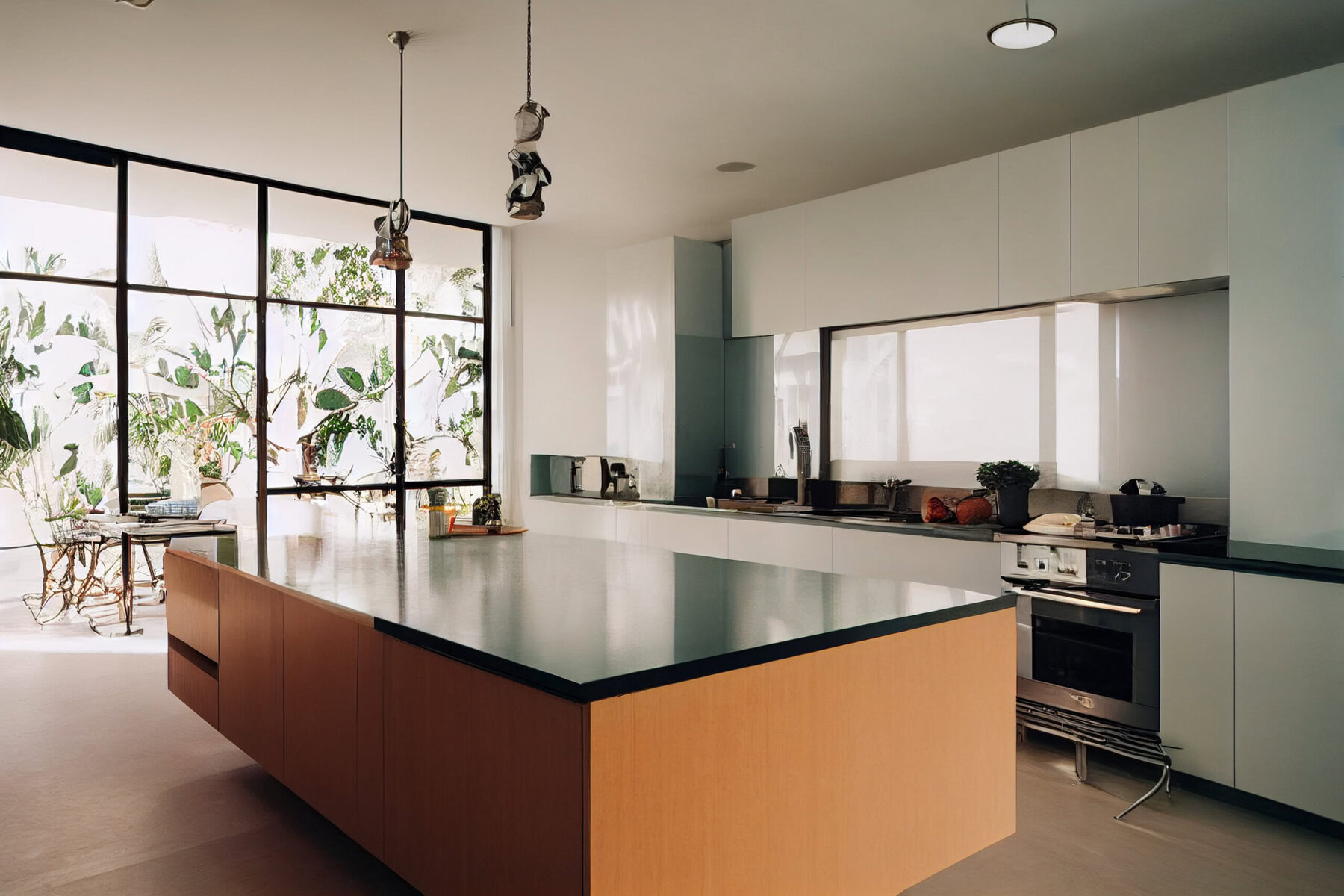
Most competitors present themselves as general contractors who bring in separate architects and interior designers. This creates a fragmented chain of responsibility. We have seen final construction not match the intent of the drawings because the architect was no longer involved during framing. At Trusst, architecture, design, and construction operate as one team under one roof. The person who draws the kitchen island also knows how the plumbing is roughed in. There is no finger-pointing, no lost design intent, and no costly rework because of translation errors between disciplines.
Risk 2: Budgeting based on allowances, not real-time pricing
Many competitor guides talk about “starting from” prices that balloon once material allowances are exhausted. We examined their published cost breakdowns and found that finish allowances often represent only a fraction of what a high-performance Miami home actually requires—especially for hurricane-rated glazing, standing-seam metal roofing, or marble flooring sourced from humidity-resistant materials. Our transparent, upfront pricing model replaces vague allowances with an itemized estimate derived from your actual selections. We update costs with current vendor quotes and give you a fixed scope, not a guess. Written change approvals ensure you control every dollar.
Risk 3: No dedicated project captain across the build
Even when competitors assign a project manager, that person frequently juggles multiple sites and delegates communication. The result: the homeowner repeats themselves to different trades, schedules drift, and issues get buried in email threads. Our process assigns one dedicated point of contact who is accountable for your entire build—from the first consultation through the final walkthrough and warranty period. This single source manages all trades, inspects daily progress, and gives you a real-time schedule you can rely on. You will never wonder who to call.
Our Integrated Architecture, Design, and Construction Model
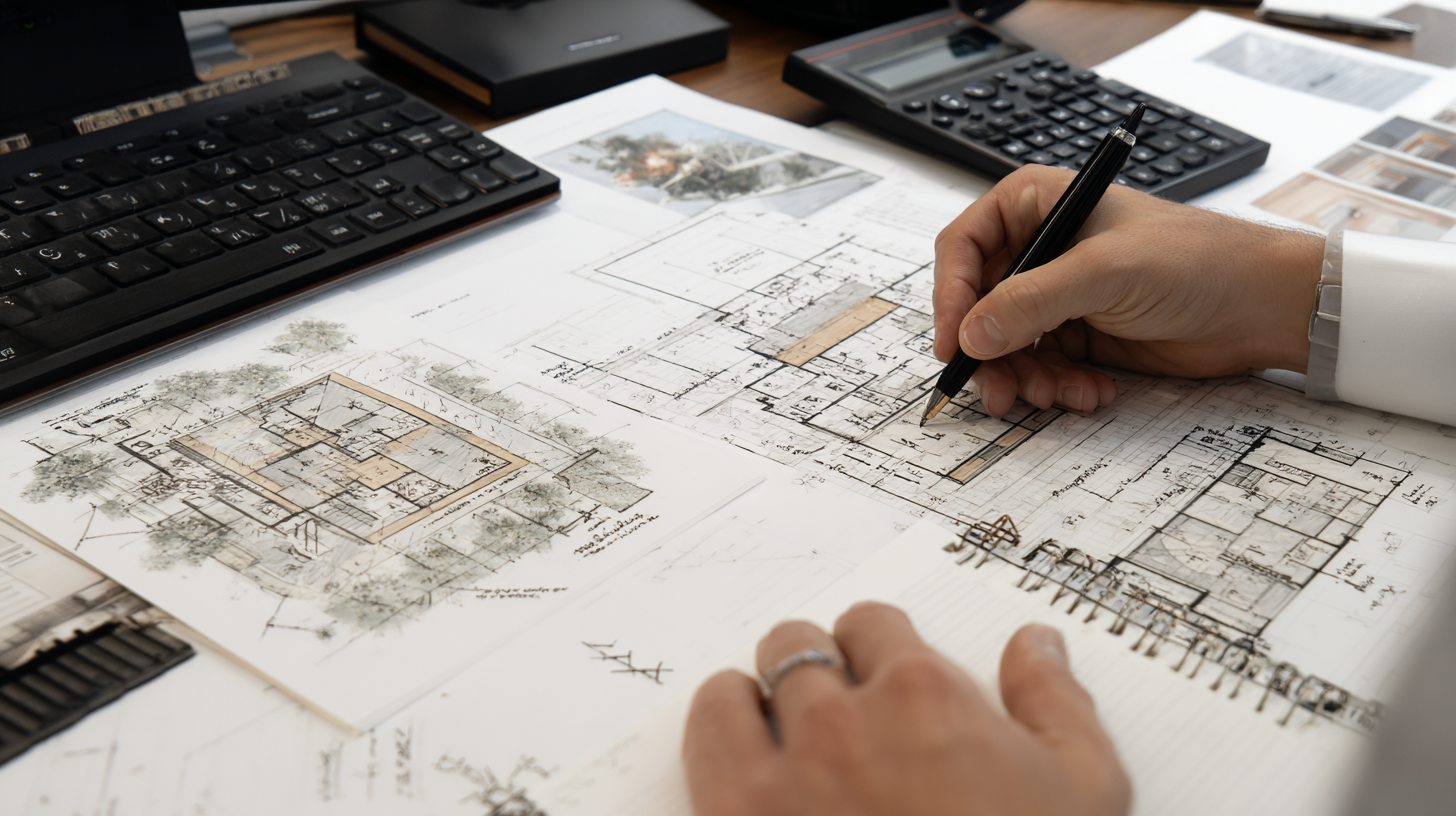
We built Trusst Construction to solve exactly these fragmentation problems. Our team is a collective of licensed architects, interior designers, and seasoned construction professionals who collaborate from the very first sketch. This means your home’s layout, lighting, millwork, electrical, and structural systems are coordinated in a unified digital model before we break ground.
How the model translates into a better forever home:
- Lifestyle-first planning: We start by understanding how your household uses space—whether you need a ground-floor suite for aging parents, a sound-isolated home office, or an outdoor kitchen that acts as the year-round entertaining hub. Every design move is tailored to your daily rhythm.
- Aesthetics balanced with function: Because our design team works alongside our structural engineers, we can incorporate dramatic features like cantilevered overhangs, floor-to-ceiling impact glass, and indoor-outdoor transitions without compromising wind load requirements.
- Budget anchored to reality: While still in the design phase, our construction estimator assigns real costs to every element. If a ceiling detail would push beyond your stated budget, we show you alternatives that preserve the feeling without the premium. There are no surprises later.
- Seamless material procurement: Our integrated team orders long-lead items like custom cabinetry and European windows early in the schedule, avoiding the supply chain delays that plague fragmented builders.
This approach stands in direct contrast to the broker model used by several top-ranking competitors, where a general contractor subs out design to one firm and interior selections to another, adding coordination lag and markup at every layer.
A Side-by-Side Comparison: Traditional Builder vs. Trusst Construction
We have distilled the critical differences in the table below, based on our analysis of competitor offerings versus our verified client experience.
Step-by-Step: How We Turn Your Vision into a Forever Home
Our process strips away the ambiguity we saw in other guides and gives you a clear, predictable journey. We designed each phase to reduce stress and keep momentum, even as Miami’s storm season shifts deadlines.
-
No‑Obligation Consultation
We sit down with you, either at your prospective lot or in our office, to discuss your lifestyle goals, must-have features, and overall budget. This is not a sales pitch. We listen, ask questions about how you live, and begin forming a project brief. You leave with a realistic picture of what your investment can achieve per square foot in the current Miami market, not a generic number.
-
Integrated Design and Engineering
Once engaged, our architecture and design team produces a schematic plan. Simultaneously, our construction estimator builds a cost model using actual material and labor rates from our vendor network. You see 3D renderings alongside a line-item budget. Adjustments happen before any permit drawings are finalized, saving weeks and thousands of dollars in redesign fees.
-
Transparent Pricing and Contracting
We present an itemized estimate that covers site work, foundation, framing, building envelope, MEP systems, interior finishes, and a clearly stated contingency. Every selection you make during the design phase updates the total. There is no “design fee” that later disappears into a higher construction cost; our pricing is openly structured. You sign a fixed-scope agreement and a detailed schedule that accounts for Miami’s wet season and material lead times.
-
Permitting and Pre-Construction
Our team submits all documents and tracks every review cycle. We know which municipalities require a product approval for specific window brands, where a coastal construction control line affects your setback, and how to expedite without cutting corners. We obtain your building permit, any required DERM or environmental permits, and finalize a construction timeline.
-
Construction with Single-Point Management
Your dedicated project captain is on site daily. All subcontractors report through that one person. You receive weekly progress photos and a brief report, and we hold a scheduled call to review any decisions. We pre-order climate-sensitive materials so that dry-in occurs before the peak of hurricane season, and we sequence interior trades to avoid downtime. If a weather window shifts, we adjust the schedule proactively, not reactively.
-
Final Walkthrough and Forever Warranty Support
We do not hand over the keys until you have toured every room, tested every system, and signed off on a comprehensive punch list. Even after move-in, our warranty process is responsive. The same team that built your house remains available, because a forever home is a relationship, not a transaction.
What Does It Cost to Build a Forever Home in Miami in 2026?
We believe pricing should be openly discussed, not hidden behind ambiguous ranges. Based on our current builds and the latest Miami-Dade market data, the table below outlines realistic cost components for a custom, high-performance forever home. These figures reflect construction only, excluding land, and assume elevated hurricane resilience, premium finishes, and integrated design.
A custom forever home in Miami typically starts around 350 to 450 dollars per square foot for a well-appointed, hurricane-resilient residence, and can range upward depending on size and level of finish. With Trusst Construction, your line-item estimate shows exactly where every dollar goes, so you can make informed trade-offs early—for example, adjusting the stone selection to invest more in window performance, or simplifying a roofline to reallocate budget toward an integrated smart home system. You will never experience the sticker shock we hear about from clients who previously built with an allowance-based competitor.
Insider Insights: What We Have Learned Building Forever Homes Along the Coast
After delivering dozens of fully custom homes from Coral Gables to Delray Beach, we have developed practical knowledge that rarely appears in competitor content.
Storm‑season sequencing is not optional; it is survival
We schedule the dry-in phase—roof, windows, and weather barrier—to be complete by late May. This protects your interior investment from tropical moisture and allows trades to work through the summer without weather shutdowns. Many builders downplay this; we plan the entire contract schedule around it.
Elevated living does not mean sacrificing design
Flood zone requirements often push living space higher. We use transitional indoor-outdoor platforms, under-building storage transformed into a cabana bath, and landscape terracing so that your elevated main floor feels grounded, not like a “house on stilts.” Our architecture team excels at making code-driven elevations into architectural assets.
Local vendor relationships beat internet shopping
The most beautiful imported tile can crack if not rated for Miami’s humidity expansion. We source materials through local suppliers who guarantee climate suitability. This also shortens lead times and lets us secure warranty support quickly. Several popular competitor guides link to national showrooms without addressing material performance in our specific environment.
Frequently Asked Questions
How long does it really take to build a forever home in Miami?
From final permit issuance, a custom home typically requires 12 to 18 months. Design and permitting add 4 to 8 months. With our integrated process and dedicated management, we actively compress the design-permit overlap and sequence construction to avoid the moisture delays that stretch many schedules to over two years.
What are the most important hurricane-resistant features we should not compromise on?
Impact-rated windows and doors, a continuous load path from roof to foundation, a secondary water barrier, and a high-wind-rated roof covering are the baseline. We also recommend a fortified garage door and whole-home surge protection. These elements directly affect your safety, insurance premiums, and long-term maintenance costs.
Do you handle the entire permitting process, including coastal codes and flood zones?
Yes. We prepare and submit all documentation, respond to review comments, and obtain the building permit, as well as any environmental resource permits, DERM approvals, and coastal construction control line variances. Our deep local knowledge means we foresee hurdles before they become stoppages.
Can we design a home that accommodates multi-generational living or future aging in place?
Absolutely. We frequently incorporate ground-floor suites with zero-threshold showers, wider doorways, and lever handles that look elegant while serving universal design principles. We also pre-frame elevator shafts in two-story plans so an elevator can be added later without major renovation. This is a hallmark of a true forever home.
What is the first step to start our forever home project?
Call us at (305) 786-3199 to schedule a no‑obligation consultation. We will discuss your vision, your timeline, and how our single integrated team can deliver a home that fits the way you live, with transparent pricing and one dedicated point of contact from start to finish.
How does your itemized estimate differ from the “allowances” other builders provide?
Our estimate is built from your specific selections and current vendor pricing. There are no fictional allowances for flooring or cabinetry that you must later supplement out of pocket. Any change you request after the contract is presented as a written change order with a fixed price and your approval required, so you retain full control.
Do you offer a warranty on your forever homes?
Yes. We provide a comprehensive warranty on workmanship and materials, and we remain your point of contact long after move-in. Because our team integrates design and construction, warranty follow-through is seamless; there is no gap between the builder and the designer pointing fingers.
Sources We Rely On to Build Better
Start your forever home with confidence. Contact Trusst Construction at (305) 786-3199 for a no‑obligation consultation, and let our single integrated team deliver the transparent, beautifully engineered home you deserve in greater South Florida.