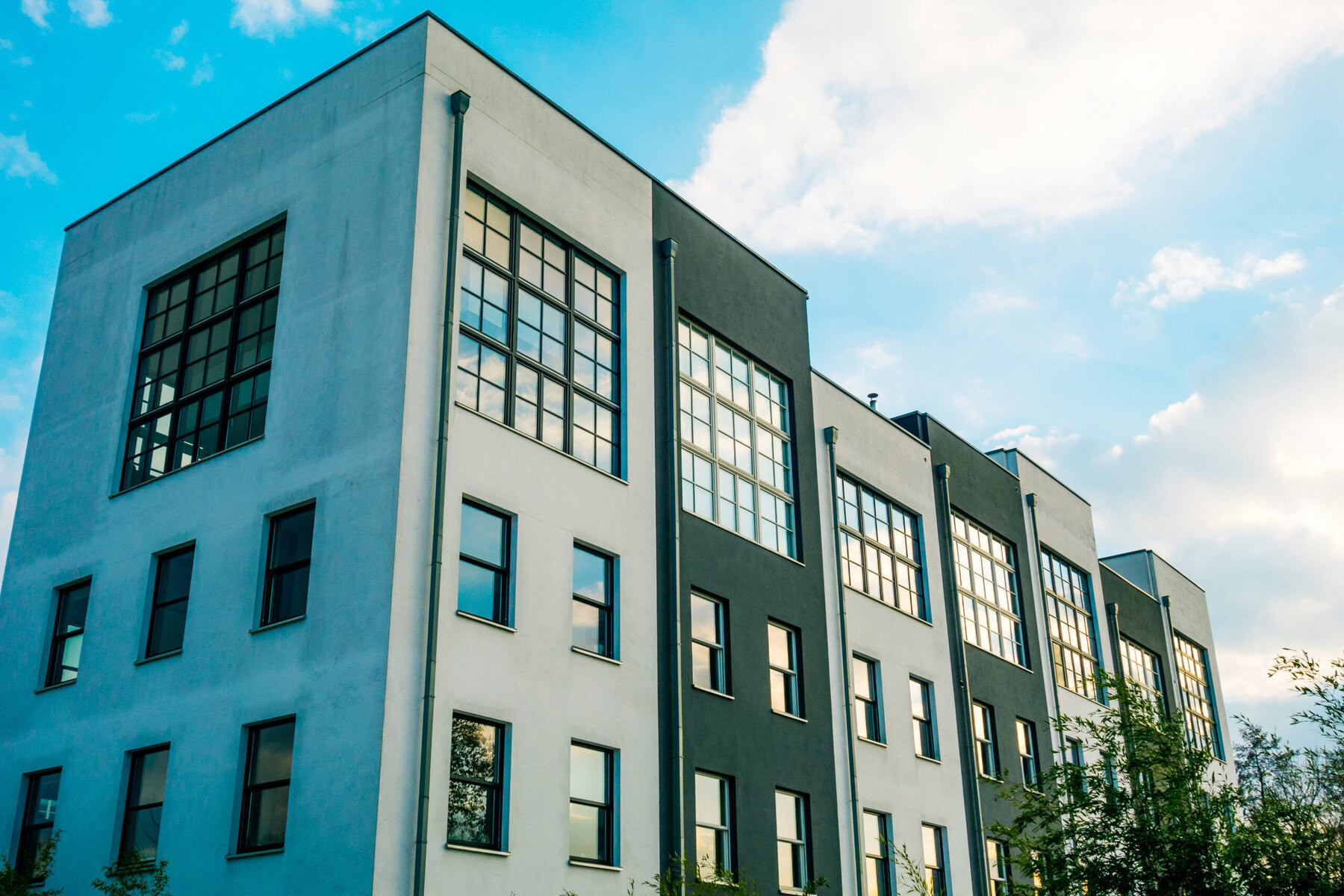
Commercial flat roof construction in South Florida represents one of the most demanding engineering challenges in North America. When designing and constructing commercial flat roofing assemblies across Miami-Dade County, engineers and contractors operate within a distinct tropical microclimate defined by extreme solar radiation, persistent relative humidity, torrential downpours, and high-velocity wind loads. A commercial flat roof in Miami cannot function merely as a simple water-shedding cap; it must serve as an engineered structural shield. Achieving decades of storm-proof reliability requires deep technical mastery of local building codes, advanced drainage hydraulics, material chemistry, and rigorous field installation protocols.
Evaluating commercial properties often reveals previous contractor mistakes where roofing materials were selected based solely on initial capital expenditure. This frequently results in premature structural deck corrosion, membrane seam delamination, and severe water intrusion within three to five years. In South Florida, improper assembly choices or compromised attachment details rapidly convert into multi-million US Dollar operational liabilities for facility owners. Prioritizing comprehensive system engineering prevents structural failures, safeguards interior assets, and maintains continuous operational uptime for industrial, retail, and office facilities.
Table of Contents
High Velocity Hurricane Zone Engineering and Regulatory Compliance
High Velocity Hurricane Zone compliance mandates that commercial flat roofs in Miami-Dade County resist design wind speeds exceeding 175 miles per hour and severe uplift pressures through verified Notice of Acceptance component testing. Assemblies must be engineered so that every membrane, fastener, insulation layer, and edge metal detail meets rigorous Testing Application Standards to ensure structural integrity during severe tropical cyclones.
Miami-Dade County enforces Chapter 16 of the Florida Building Code, establishing the most stringent structural criteria across North America. Compliance requires that every individual component within a roof assembly holds an active Notice of Acceptance issued by the Miami-Dade Building Department Product Control Section. An approval confirms that the integrated material configuration has successfully passed laboratory testing under Testing Application Standards (TAS) and Roofing Application Standards (RAS).
Key regulatory mandates and engineering parameters for Miami HVHZ flat roof assemblies include:
- Structural Deck Anchorage: Mechanical fasteners and stress plates must comply with corrosion resistance criteria under TAS 114 and demonstrate adequate pull-out capacity based on job-site structural calculations.
- Corner and Perimeter Zone Fastening: Fastener attachment density or adhesive ribbon spacing must increase significantly along roof perimeters and corners where aerodynamic vortex forces generate peak negative uplift pressures.
- Secondary Water Barriers: Commercial re-roofing projects require fully sealed secondary moisture barriers directly over structural decks to maintain water resistance if primary surface membranes suffer impact damage during severe weather events.
- Edge Metal System Resistance: Metal perimeter edges, fascia, coping caps, and gravel stops must pass RAS 111 testing protocols to prevent wind uplift from peeling edge components and exposing field membranes to wind-driven rain.
During a structural overhaul of a 50,000-square-foot commercial logistics facility in Medley, contractors encountered a severe structural compliance hurdle. The existing lightweight structural concrete deck exhibited irregular compressive strength, preventing mechanical fasteners from achieving the 400-pound pull-out rating required for high-velocity wind uplift resistance. Attempting deeper mechanical fastener penetration risked fracturing the underside concrete slab, which housed active high-voltage electrical conduits.
To resolve this issue, engineers developed a fully adhered multi-layer roof assembly using a two-component low-rise polyurethane foam adhesive applied in tight 4-inch ribbon spacing directly to the primed concrete substrate. Custom job-site pull-test data and structural wind load calculations were submitted to local building authorities to obtain a job-specific approval. This engineered solution achieved an uplift resistance rating exceeding 180 pounds per square foot without driving mechanical fasteners into the concrete slab, preserving the structural conduit while achieving full regulatory compliance.
Advanced Flat Roof System Architectures: TPO, PVC, Modified Bitumen, and EPDM
Selecting an optimal commercial flat roof membrane in Miami requires evaluating material chemistry, solar reflectivity, chemical tolerance, structural dead load capacity, and long-term maintenance needs. High-performance single-ply thermoplastics and modified bitumen multi-ply systems are specified specifically to withstand continuous solar ultraviolet exposure, intense thermal expansion, and localized heavy rainstorms.
Selecting the correct roofing material requires balancing mechanical strength, chemical exposure, thermal efficiency, structural weight limits, and long-term maintenance cycles. Four primary commercial flat roof membrane options exist for South Florida properties, each possessing distinct chemical compositions and performance characteristics.
Thermoplastic Polyolefin (TPO)
Thermoplastic Polyolefin membranes provide outstanding solar reflectivity and strong seam integrity for standard commercial, retail, and industrial facilities in South Florida. Installing thick TPO sheets with hot-air heat-welded seams delivers high wind resistance and exceptional thermal efficiency, significantly lowering summer air conditioning demand across large building footprints.
TPO single-ply sheets consist of ethylene-propylene rubber polymer blended into a polypropylene matrix, reinforced with an internal polyester scrim. Modern TPO formulations incorporate advanced ultraviolet stabilizers that resist long-term solar degradation under intense Florida heat.
Proper performance depends on absolute precision during field hot-air seam welding operations. Inconsistent welding temperatures or improper machine speeds leave micro-gaps that can open during intense wind-driven rain events.
Polyvinyl Chloride (PVC)
Polyvinyl Chloride single-ply systems represent the gold standard for Miami commercial facilities requiring extreme chemical resistance against oils, animal fats, fuels, and industrial pollutants. Premium PVC membranes enhanced with high-grade plasticizers maintain structural elasticity, prevent membrane embrittlement, and provide superior long-term seam strength in harsh environments.
PVC sheets are formulated from vinyl chloride monomers combined with plasticizers, ultraviolet inhibitors, and reinforcing scrim cloth. Restaurants, food processing facilities, airport hangars, and manufacturing plants perform best when protected by heavy-duty PVC systems.
Heat-welded PVC seams exhibit physical breaking strengths greater than the field membrane itself, creating a monolithic waterproof sheet. Specialized Ketone Ethylene Ester (KEE) plasticizer additives prevent plasticizer migration, ensuring the membrane remains flexible after decades of continuous exposure to tropical sunlight.
Modified Bitumen (SBS and APP)
Modified bitumen multi-ply roofing systems blend asphalt with synthetic polymers to yield outstanding puncture resistance and exceptional foot-traffic tolerance on heavy commercial service decks. These multi-layer assemblies are constructed using cold-applied adhesives or self-adhered sheets to deliver redundant waterproofing protection for equipment-heavy commercial structures in Miami.
Styrene-Butadiene-Styrene (SBS) modifies asphalt with rubber to provide high elasticity and thermal contraction flexibility, whereas Atactic Polypropylene (APP) modifies asphalt with plastic to increase UV stability and heat tolerance.
These multi-ply assemblies offer extreme puncture resistance and high tolerance for heavy maintenance traffic near HVAC units. However, modified bitumen systems add significant structural dead load, weighing between 1.5 and 3.0 pounds per square foot, which requires careful structural deck capacity verification.
Ethylene Propylene Diene Monomer (EPDM)
Ethylene Propylene Diene Monomer rubber membranes are generally ill-suited for commercial buildings in South Florida due to high solar heat absorption and solvent-based seam adhesive vulnerabilities. Standard dark EPDM is avoided on Miami commercial properties because elevated surface temperatures dramatically increase cooling costs while rapid adhesive breakdown leads to seam failures.
Non-coated dark EPDM membranes absorb massive quantities of solar radiation, driving surface temperatures above 170 degrees Fahrenheit on summer afternoons. This intense heat absorption increases building cooling loads and accelerates thermal aging.
Additionally, EPDM lap seams rely on liquid bonding cements or butyl tapes rather than heat-fused welds. In Miami’s hot, humid environment, chemical adhesives degrade rapidly, increasing the probability of premature seam separation during heavy tropical storms.
| System Material | Average Lifespan in Miami | Upfront Material Cost per Sq Ft | Initial Solar Reflectance Index (SRI) | Wind Uplift Performance | Chemical Resistance | Primary Ideal Application |
|---|---|---|---|---|---|---|
| White TPO (60-mil) | 18 to 22 Years | 8.50 to 12.00 US Dollars | 100 to 108 | High to Very High | Moderate | Warehouses, Retail Centers, Office Buildings |
| White PVC/KEE (60-mil) | 22 to 28 Years | 11.00 to 16.00 US Dollars | 104 to 112 | Very High | Excellent (Fats, Oils, Acids) | Restaurants, Food Processing, Manufacturing |
| SBS Modified Bitumen 2-Ply | 20 to 25 Years | 10.00 to 15.00 US Dollars | 78 to 90 (Cap Sheet Coated) | High | Moderate | High Foot-Traffic Roofs, Equipment Decks |
| APP Modified Bitumen 2-Ply | 18 to 22 Years | 9.50 to 14.00 US Dollars | 75 to 88 (Granule Surface) | High | Fair | Heavy Commercial, Service Deck Platforms |
| EPDM Rubber (Black, 60-mil) | 12 to 15 Years | 7.50 to 11.00 US Dollars | 9 to 15 | Moderate | Poor (Petroleum Products) | Small Low-Slope Residential, Light Commercial |
Drainage Dynamics and Tapered Insulation Engineering
Positive roof slope is critical for eliminating standing water and preserving structural integrity on commercial low-slope roofs across Miami-Dade County. Custom tapered polyisocyanurate insulation systems are engineered to achieve a minimum 1/4-inch per foot slope, directing rainfall efficiently toward primary internal drains, scuppers, and perimeter gutters to prevent hydro-maceration.
The term “flat roof” is a technical misnomer because a level roof deck will fail prematurely. According to the Florida Building Code, low-slope roofs must maintain a minimum slope of 1/4 inch per foot (2 percent gradient) toward drainage outlets.
Ponding water—defined as water remaining on a roof surface 48 hours after precipitation stops—presents major structural and material risks:
- Hydraulic Load Accumulation: Standing water adds 5.2 pounds per square foot for every inch of depth, placing continuous structural load on roof framing.
- Solar Heat Concentration: Shallow water pools act as magnifying lenses, concentrating UV rays directly onto submersed membranes and deteriorating protective topcoats.
- Acidic Deposition: Evaporating rainwater concentrates airborne coastal salts, industrial pollutants, and atmospheric acids into reactive chemical solutions.
- Hydro-Maceration Damage: Continuous moisture immersion causes gradual breakdown of lap sealants, flashing cements, and membrane seam edges.
Custom tapered insulation layouts are constructed using Polyisocyanurate (Polyiso) boards over non-sloped structural decks. These interlocking board assemblies slope the finished roof plane directly toward internal drain sumps, perimeter scuppers, or external gutters.
TAPERED INSULATION SYSTEM CROSS-SECTION

[ High Point: Parapet Wall / Ridge ]
|========================================| 3.5 inches Polyiso
|                   =====================| 2.5 inches Polyiso
|                         ===============| 1.5 inches Polyiso
|________________________________________| Base Layer 1.5 inches
[ Low Point: Primary Roof Drain / Scupper ]
Resulting Slope: 1/4 inch per foot minimum positive drainage
To eliminate standing water behind rooftop equipment curbs and along low-profile valleys, tapered crickets are engineered. These diamond or triangular-shaped raised insulation structures split water streams, guiding rain smoothly around obstructions into primary drainage pathways.
During a commercial renovation project for a multi-story office building in Brickell, contractors rectified severe ponding water over a 60,000-square-foot structural concrete deck. Structural deflection near mid-span girders created 4-inch deep standing water pools that bypassed perimeter scuppers entirely. Structural replacement of the concrete slab was financially and logistically impossible.
The engineering team calculated a revised drainage scheme incorporating eight core-drilled primary internal drains installed directly through the structural slab, paired with an engineered multi-directional tapered Polyiso insulation package. The insulation profile varied from 1.5 inches at the internal drain sumps to over 6 inches along parapet walls, creating a continuous 1/4-inch per foot slope. Paired with a fully adhered 60-mil PVC membrane, this solution permanently eliminated standing water and resolved interior leaks.
Thermal Expansion, Solar Radiation, and Energy Efficiency Standards
Commercial low-slope roofs in Miami undergo severe daily thermal expansion and contraction cycles driven by intense solar radiation followed by sudden cold rainfall. High-reflectance cool roof assemblies are specified to comply with Florida Energy Code mandates, reducing membrane surface temperatures, minimizing thermal shock, and significantly lowering building peak cooling energy demands.
On summer afternoons in Miami, dark non-reflective roof surfaces reach temperatures up to 170 degrees Fahrenheit, while highly reflective white cool roofs stay near 110 degrees. When sudden tropical downpours cool baked roof membranes within minutes, surface temperatures drop rapidly by up to 60 degrees. This rapid cooling generates severe thermal shock, causing roofing components to contract forcefully.
This repeated mechanical expansion and contraction exerts strong shear stress on perimeter wall terminations, flashing details, mechanical fasteners, and adhesive bonds. Over time, inferior flashings dislodge from vertical walls, opening pathways for wind-driven rain penetration.
To manage thermal movement and meet Chapter 4 of the Florida Building Code – Energy Conservation, commercial roofs must satisfy cool roof mandates. Radiative performance is rated by the Cool Roof Rating Council Rated Products Directory:
- Solar Reflectance: The percentage of incoming solar radiation reflected away from the roof surface. Premium cool roof membranes reflect over 80 percent of solar energy.
- Thermal Emittance: The relative efficiency with which a material radiates absorbed thermal energy back into the atmosphere rather than conducting heat downward into the building envelope.
Low-slope commercial roofs in Miami must maintain a minimum 3-year aged Solar Reflectance Index (SRI) of 64 or higher. Meeting these energy standards lowers commercial air conditioning operating loads by 15 to 25 percent, extending rooftop HVAC equipment lifespan and cutting facility operating costs.
THERMAL DYNAMICS COMPARISON (MID-DAY MIAMI SUMMER)

Dark Non-Reflective Membrane (Black EPDM / Uncoated Bitumen):
  Sunlight Radiant Heat ===> Surface Temp: 165°F to 175°F
  Heat Transfer ===> Passes through deck into building core ===> Increased AC Load

White Reflective Cool Roof Membrane (TPO / PVC / Coated Bitumen):
  Sunlight Radiant Heat ===> 80%+ Reflected Away ===> Surface Temp: 105°F to 115°F
  Heat Transfer ===> Minimal solar energy conducted inward ===> Reduced AC Load
The Installation Precision Factor: Flashing, Seams, and Substrate Preparation
System durability on Miami commercial flat roofs depends on field execution details at flashings, drains, expansion joints, and perimeter terminations. Implementing rigorous Quality Assurance protocols—including automated hot-air seam welding, digital thermal monitoring, substrate moisture testing, and daily destructive peel tests—guarantees complete roof membrane watertight integrity.
Industry experience demonstrates that over 90 percent of commercial low-slope roof leaks occur at penetration flashings, parapet wall terminations, drainage outlets, and edge details rather than within the main field sheet.
Essential installation practices that distinguish long-term commercial installations include:
- Automated Hot-Air Seam Fusion: Single-ply TPO and PVC sheets must be joined using self-propelled hot-air welding equipment maintained between 800 and 1,100 degrees Fahrenheit, tailored to ambient humidity. Technicians verify seams continuously using a probe needle and conduct destructive peel tests every morning and afternoon.
- Substrate Moisture Testing: Before installing insulation or membranes over concrete decks, field crews perform quantitative moisture testing via relative humidity probes (ASTM F2170) or plastic sheet mat tests (ASTM D4263). Moisture trapped under vapor retarders causes membrane blistering and lowers insulation thermal resistance.
- Parapet Wall Envelope Wrapping: Field membranes must extend continuously up parapet walls at least 8 inches above the finished roof surface, secured under mechanically fastened counter-flashings or metal coping caps with high-performance polyurethane sealant.
- Rooftop HVAC Curb Anchor Detailing: Equipment curbs require continuous structural wood blocking anchored directly to the deck, allowing flashing membranes to be mechanically fastened prior to counter-flashing installation.
During a commercial installation for a distribution warehouse in Doral, crews encountered severe seam welding failures caused by sudden afternoon humidity spikes. High ambient humidity combined with sudden temperature drops was causing micro-fractures in the heat-welded seams of an 80-mil TPO sheet when using standard welding speeds. The damp coastal air cooled the top sheet too rapidly, preventing cohesive polymer fusion.
To resolve this issue, field supervisors altered field welding protocols immediately. Real-time digital surface thermal sensors were introduced, hot-air welder output was increased by 45 degrees Fahrenheit, and travel speed was reduced by 1.5 feet per minute. Supervisors also instituted a mandatory twice-daily destructive sample test protocol, cutting 1-inch membrane strips to verify cohesive seam fusion. These procedural modifications eliminated seam micro-fractures and ensured a fully watertight installation.
Life-Cycle Cost Analysis, Maintenance Protocol, and Warranty Standards
Commercial flat roof investments should be evaluated using total life-cycle cost analysis rather than initial capital expenditure alone. Evaluating long-term maintenance needs, energy savings, and No Dollar Limit system warranties ensures maximum investment protection and predictable long-term operational costs across South Florida facilities.
Selecting a roof system based solely on low upfront cost often results in frequent repairs, higher utility bills, and shortened operational life. Property owners achieve lower overall expenses by investing in high-grade materials and engineered drainage assemblies.
| System Profile | Capital Expense per 10,000 Sq Ft | Annual Preventive Maintenance | Estimated 20-Year HVAC Energy Offset | Net 20-Year Operational Cost |
|---|---|---|---|---|
| Low-Bid 45-Mil TPO (Mechanically Fastened) | 80,000 US Dollars | 1,500 US Dollars | -12,000 US Dollars | 98,000 US Dollars |
| Engineered 60-Mil TPO (Fully Adhered, Tapered) | 115,000 US Dollars | 800 US Dollars | -22,000 US Dollars | 109,000 US Dollars |
| Engineered 60-Mil PVC/KEE (Fully Adhered) | 135,000 US Dollars | 600 US Dollars | -25,000 US Dollars | 122,000 US Dollars |
| High-Density 2-Ply SBS Modified Bitumen | 125,000 US Dollars | 1,000 US Dollars | -14,000 US Dollars | 131,000 US Dollars |
Commercial property managers must also evaluate warranty terms carefully before selecting system assemblies:
- Material-Only Warranties: Issued by product manufacturers to cover manufacturing defects in materials. These policies rarely cover labor costs, flashing leaks, or high-wind damage, and they contain low financial reimbursement limits.
- No Dollar Limit (NDL) System Warranties: The premium warranty option for commercial property owners. NDL warranties cover both material defect and installation labor costs for 15, 20, or 30 years without a financial liability cap. Obtaining an NDL warranty requires installation by a certified master contractor and a comprehensive technical inspection by a manufacturer field representative upon project completion.
To maintain NDL warranty coverage in South Florida, building management must log formal semi-annual inspections, clear drain sumps before hurricane season, maintain clear walkway paths for service personnel, and address physical membrane damage using approved repair methods.
Frequently Asked Questions
What makes Miami-Dade HVHZ commercial flat roof requirements different from standard Florida building codes?
Miami-Dade High Velocity Hurricane Zone (HVHZ) requirements enforce stricter wind uplift testing and component approval standards than standard Florida building codes. Under HVHZ mandates, every individual roofing component within an assembly must possess a valid Notice of Acceptance (NOA) issued by Miami-Dade County. Assemblies must resist ultimate wind speeds exceeding 175 miles per hour, requiring higher mechanical fastener density, rigid edge metal testing, and specialized secondary water barriers.
How does standing or ponding water affect commercial flat roof warranties in South Florida?
Ponding water—water remaining on a roof surface 48 hours after rain ceases—invalidates coverage under almost all commercial roofing warranties. Continuous standing water accelerates solar thermal degradation, breaks down seam adhesives, increases structural weight loads, and causes moisture penetration. Commercial low-slope roofs must be built with a minimum 1/4-inch per foot positive slope using tapered polyisocyanurate insulation systems to clear surface water rapidly.
Which flat roof membrane offers the best longevity and chemical resistance for Miami commercial properties?
Polyvinyl Chloride (PVC) membranes enhanced with Ketone Ethylene Ester (KEE) provide superior chemical resistance and overall lifespan for Miami commercial facilities. PVC single-ply sheets resist exposure to rooftop HVAC oil condensate, kitchen exhaust fats, industrial solvents, and continuous UV exposure. When properly heat-welded and fully adhered, premium PVC assemblies provide operational lifespans exceeding 25 to 30 years in South Florida environments.
What solar reflectance index (SRI) values are required for commercial roofs under the Florida Energy Code?
Low-slope commercial roofs in Miami must maintain a minimum 3-year aged Solar Reflectance Index (SRI) of 64 or higher under Chapter 4 of the Florida Energy Conservation Code. High-performance white TPO and PVC single-ply membranes regularly exceed an initial SRI value of 100. Maintaining high solar reflectivity reflects up to 80 percent of solar heat, significantly lowering indoor cooling demands and reducing facility energy expenses.
How do continuous expansion joints protect large-scale commercial flat roofs in Miami from thermal cracking?
Continuous expansion joints protect large commercial roofs by isolating structural sections and absorbing stress caused by intense thermal expansion and contraction. Rapid temperature swings during afternoon rainstorms cause building materials to expand and contract violently. Raised flexible expansion joints allow structural movement across wide roof expanses without tearing primary field membranes or cracking parapet wall flashings.
Sources
- Miami-Dade County Regulatory and Economic Resources Product Control Section: https://www.miamidade.gov/building/product-control.asp
- Florida Building Code 8th Edition (2023) – Building & Energy Conservation: https://codes.iccsafe.org/codes/florida
- Cool Roof Rating Council Rated Products Directory: https://coolroofs.org/directory
- National Roofing Contractors Association Technical Roofing Manual: https://www.nrca.net/technical