

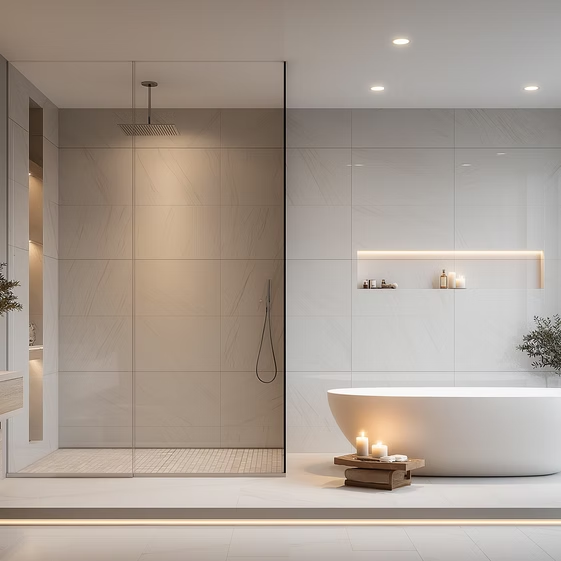



We hired Trusst Construction to renovate the bathroom in my mom’s home in Hollywood and they did a great job. Everything was smooth, communication was easy, and the bathroom came out beautiful. My mom is very happy. Definitely recommend them.


Their design ideas helped bring our vision to life in a way we would not have thought of ourselves. They kept everything simple to understand and guided us through each step. The final result feels balanced and well thought out.

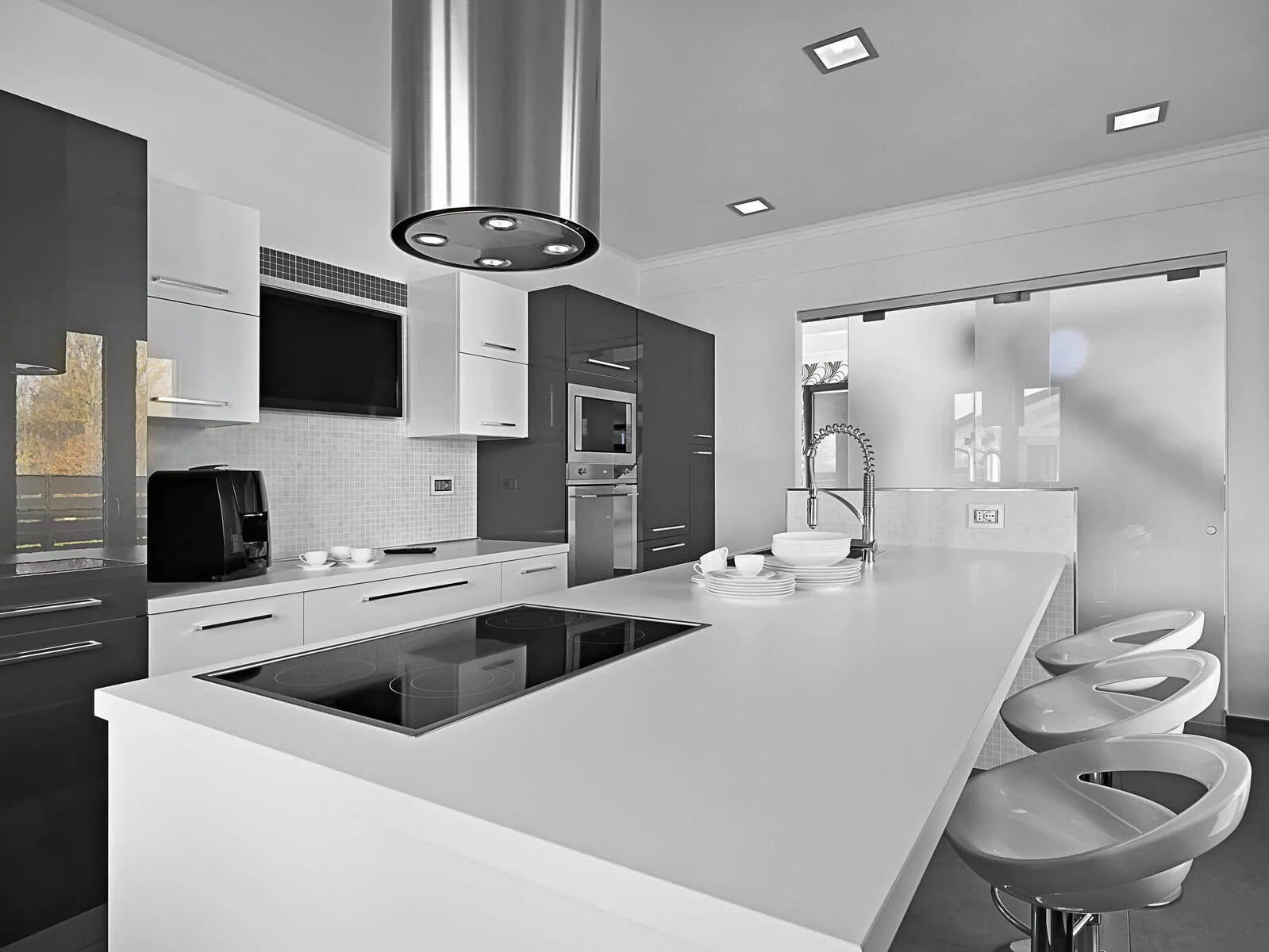
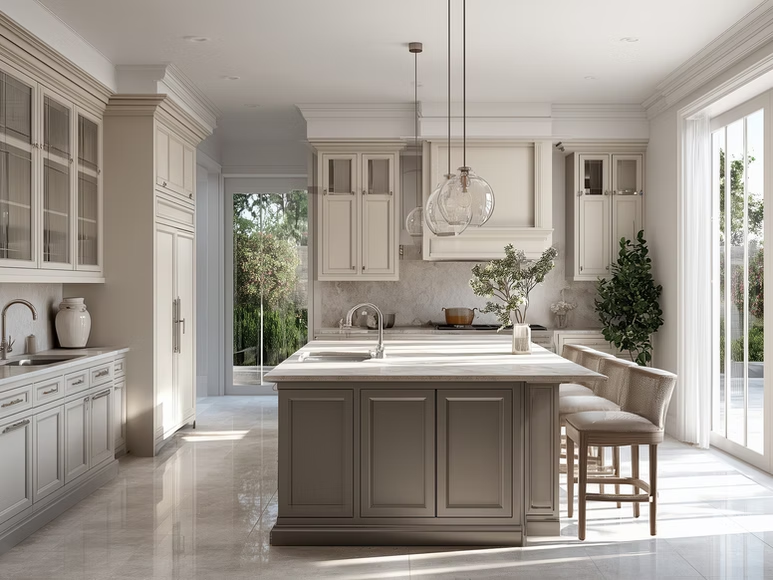
Josh did an amazing job renovating our bathroom and kitchen. He was attentive to every detail and ensured everything was flawless. Trusst Construction exceeded our expectations!

Working with a reliable remodel contractor made the whole experience stress free. The team kept the schedule tight and respected our time. Questions were answered quickly and clearly. The finished work looks clean and solid.

We recently hired Trusst Construction for a full bathroom remodel and new flooring installation in our home in Miami, and we couldn’t be happier with the results.
From the very beginning, the communication was outstanding. Gil, who was our project manager, kept us informed every step of the way. He was always available to answer questions, explain the process, and make sure we felt comfortable with every decision. That level of transparency really made the entire experience stress-free.
One thing that truly stood out was the cleanliness throughout the remodel. Remodeling can get messy, but the team at Trusst Construction took great care to protect our home and clean up at the end of each day. It made a huge difference in our day-to-day life while the work was being completed.
The bathroom turned out beautiful — modern, clean, and finished with high-quality craftsmanship. The new flooring throughout the house completely transformed the space and gave it a fresh, cohesive look.
If you’re looking for a reliable, professional contractor in Miami, I highly recommend Trusst Construction and Gil as your project manager. Great communication, clean job site, and excellent results.

We needed a home office separate from the main house because working remotely in Miami’s busy neighborhoods can get loud. The new accessory building is perfectly insulated and surprisingly cool even on hot afternoons. The attention to detail really stood out. They kept the job site clean and respected our property. The final result blends beautifully with our home. It feels like it was always meant to be there. Great experience overall and I highly recommend.

After last year’s hurricane season, we wanted a solid backyard structure that could stand up to Miami weather. From planning to final touches, everything felt organized and professional. They explained how the materials would hold up against heat and heavy storms. I appreciated how patient they were with our questions. The final building looks beautiful and feels incredibly sturdy. It’s now my husband’s dream workshop. I would highly recommend them to any homeowner in the area.

Living in Miami, we really needed extra space that could handle the heat and humidity. We decided to build a detached guest suite in the backyard, and the entire process felt smooth from start to finish. They paid attention to ventilation and moisture protection, which is huge down here. The crew showed up on time every day and kept everything neat despite the summer rain showers. Now our in-laws have their own comfortable space when they visit. It honestly turned out better than we imagined. Highly recommend if you’re thinking about adding extra space to your home.

Outstanding experience with Trusst Construction! The team was skilled, efficient, and extremely professional. They delivered high-quality work and ensured everything was completed perfectly. I truly appreciate their dedication and would gladly work with them again.

I recently used the services of Trusst Construction, and I couldn’t be more satisfied with the results. Their team demonstrated exceptional professionalism, attention to detail, and commitment to quality from start to finish. The project was completed on time, within budget, and exceeded my expectations. Communication was clear and consistent throughout the entire process. I highly recommend Trusst Construction to anyone looking for reliable and high-quality construction services.
People Also Ask
The $40,000 grant in California typically refers to the CalHFA ADU Grant Program. This initiative, administered by the California Housing Finance Agency, provides forgivable loans of up to $40,000 to qualified homeowners to cover pre-development and non-recurring closing costs associated with constructing an Accessory Dwelling Unit (ADU) or Junior ADU (JADU) on their property. The funds are intended to help offset expenses like design, permitting, soil tests, and impact fees, which are significant upfront barriers. To be eligible, applicants must meet income limits, intend to rent the ADU, and use a licensed contractor. The loan is forgiven after five years if the homeowner complies with all program terms, including affordable rent restrictions. This program is a key tool in addressing the state's housing shortage.
Accessory Dwelling Units (ADUs) are generally legal in Texas, but regulations vary significantly by municipality. State law does not prohibit ADUs, so local zoning ordinances in cities and counties determine their specific legality, size, placement, and permitting requirements. Major cities like Austin, Houston, and Dallas have adopted codes allowing ADUs, often with conditions such as owner-occupancy rules, minimum lot sizes, and design standards to ensure compatibility with existing neighborhoods. It is crucial to consult with your local planning or building department to understand the precise rules in your area before investing in plans. Navigating these local requirements is a key step in any successful ADU project.
The cost comparison between building an accessory dwelling unit (ADU) on-site versus buying a prefabricated model depends heavily on project specifics. Generally, prefab ADUs can be cheaper upfront due to controlled factory construction reducing labor time and material waste. However, site-built ADUs might offer more customization and potentially higher long-term value, though they often incur higher labor costs and longer timelines. Key factors include local permitting fees, site preparation costs like foundations and utilities, and finish selections. A prefab unit's transportation and crane placement can add significant expense. For an accurate comparison, obtain detailed quotes for both options in your specific location, considering all site work, utility connections, and interior finishes.
Yes, Accessory Dwelling Units (ADUs) are generally allowed in Arizona, but regulations vary by city and county. State law encourages ADU development to address housing shortages, but local zoning codes dictate specifics like size, placement, and design. For example, Phoenix and Tucson have adopted ordinances permitting ADUs in many residential zones, often with requirements such as owner-occupancy of one unit, maximum square footage, and parking provisions. It is crucial to consult with the local planning department to understand exact rules, as some areas may have restrictions or require special permits. ADUs can be a valuable investment, adding rental income and increasing property value when compliant with local standards.
The cost of building an accessory dwelling unit (ADU) varies widely based on location, size, design, and site conditions. On average, you can expect a range from approximately $100,000 to $300,000 or more. Key cost drivers include foundation work, materials, labor, permits, and utility connections. Prefabricated or "granny flat" kits can sometimes reduce expenses, while custom designs and high-end finishes increase them. It is crucial to obtain detailed quotes from licensed contractors familiar with local zoning and building codes, as these regulations significantly impact feasibility and cost. Proper budgeting should also include a contingency of 10-20% for unforeseen issues during construction.
ADU stands for Accessory Dwelling Unit, a secondary housing unit on a single-family residential lot. These self-contained living spaces, which can be detached, attached, or a conversion of existing space like a garage, include their own kitchen, bathroom, and sleeping area. ADUs are a significant trend in residential construction, offering solutions for multi-generational living, rental income, and increasing housing density without altering a neighborhood's core character. For homeowners, constructing an ADU requires navigating local zoning ordinances, building codes, and permitting processes. Professional planning is crucial to ensure the unit is safe, compliant, and adds functional value to the property.
Building an accessory dwelling unit (ADU) in California involves navigating specific state and local regulations designed to increase housing supply. California has passed laws to streamline ADU approval, often allowing them by right in single-family zones, with relaxed parking requirements and faster permitting. Key considerations include size limits (typically up to 1,200 sq ft), height restrictions, and owner-occupancy rules, which can vary by city. Working with a design professional familiar with local codes is crucial for compliance. ADUs offer significant benefits, providing rental income or housing for family members while increasing property value, but success depends on a clear understanding of all zoning and building code requirements from the outset.
The $25,000 ADU Grant typically refers to financial assistance programs, often state or local, designed to encourage the construction of Accessory Dwelling Units (ADUs) to increase housing supply. For instance, California's CalHFA ADU Grant Program offers up to $25,000 for pre-development costs like design and permits, with funds repaid upon project completion. Eligibility usually requires the ADU to be for a low-income household. This grant is a significant incentive, lowering the upfront financial barrier for homeowners. To pursue it, homeowners should first verify their local program's current status and rules, then work with a licensed contractor experienced in ADU construction and grant compliance to ensure all requirements are met for successful funding.