For most homeowners, a whole-home renovation undertaken as a single, coordinated project consistently outperforms piecemeal updates. It delivers superior long-term value through design cohesion, bulk cost efficiencies, and compressed timelines. By centralizing everything under one master plan, you lock in 2026 pricing, avoid repeated mobilization fees, and achieve a unified aesthetic that isolated projects can rarely replicate. While phased renovations offer financial flexibility and the ability to stay in your home, they will cost 15–25% more overall, extend your renovation timeline by up to 3 years, and nearly always produce a visually disjointed result. If your home requires structural or system-wide upgrades, or if you are renovating your forever home, the all-at-once approach is the definitive choice.
What Is a Whole-Home Renovation? Defining the Scope
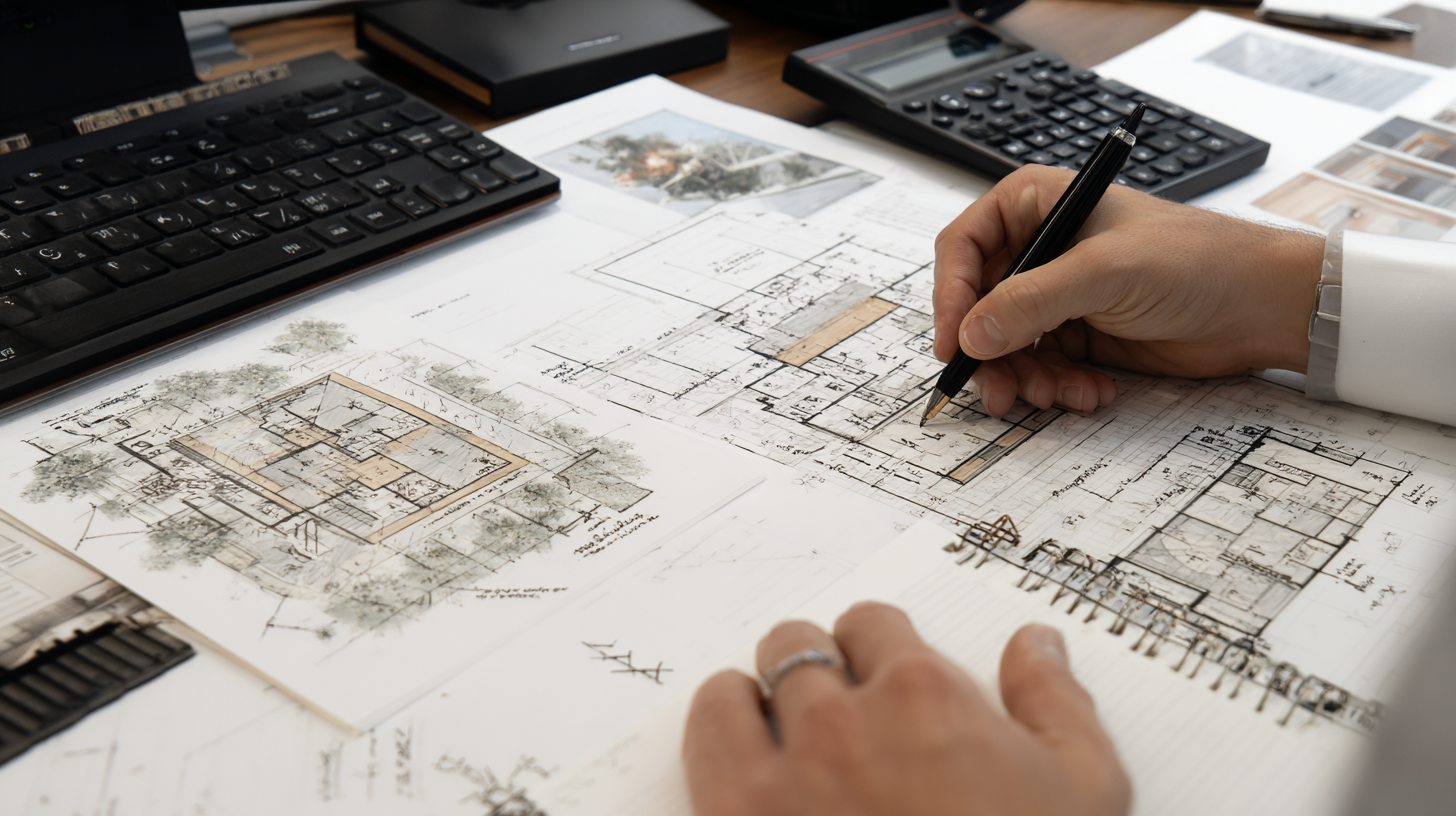
A whole-home renovation, often called a full home remodel, is a comprehensive construction project that updates most or all areas of a property under one coordinated plan. This includes modernizing major systems (electrical, plumbing, HVAC), reconfiguring floor plans, replacing finishes throughout, and updating every room in a single, continuous timeline. The goal is to transform the entire property into a cohesive, modern living environment.
Key Characteristics of a Whole-Home Renovation
-
Unified Design Vision: Flooring, trim, paint palettes, lighting, and fixtures are selected as a single collection, not room by room.
-
System-Level Upgrades: Electrical panels, plumbing lines, HVAC ductwork, insulation, and windows are addressed holistically, preventing future rework.
-
Structural Improvements: Walls can be moved, rooms expanded, and layouts reconfigured to match how families actually live today.
-
Single Contractor Management: One general contractor oversees all trades, sequencing, inspections, and budgets, reducing coordination burdens.
What Piecemeal Projects Look Like in Practice
A piecemeal approach, also known as phased or room-by-room remodeling, tackles one space at a time over months or years. Homeowners might renovate the kitchen in 2026, the primary bathroom in 2028, and the living areas sometime later. While this spreads costs, it introduces cumulative inefficiencies.
Whole-Home vs. Piecemeal: A Comprehensive Comparison Table
The table below provides an at-a-glance breakdown of the key differences to help you decide which path aligns with your goals, budget, and lifestyle.
Cost estimates and timelines will vary based on location, home size, and scope. All figures are approximate and intended for comparative purposes only.
The Financial Truth: Whole-Home Renovation Is Almost Always Cheaper
The most persistent myth in remodeling is that you save money by breaking the work into smaller chunks. The reality, validated by general contractors across the country, is that piecemeal renovations cost 15% to 25% more when you add up all the hidden expenses.
How Piecemeal Projects Inflate Your Budget
-
Mobilization Fees: Every time a contractor sets up on a new job, you pay for equipment delivery, site protection, and initial setup. With 4–5 separate projects, you pay that fee 4–5 times over.
-
Permitting Costs: A new building permit is required for each phase. A single whole-home permit package is far cheaper than multiple individual permits.
-
Material Waste and Obsolescence: That discontinued tile you used in the bathroom in 2026 won’t be available in 2028 when you finally get to the laundry room. You’ll either have to accept a mismatch or pay for custom sourcing.
-
Inflation and Price Escalation: Construction costs have risen 4%–6% annually in recent years. By locking in 2026 prices for your entire project today, you insulate yourself from future increases.
-
Rework and Retroactive Fixes: When one room is updated but adjacent spaces aren’t, transitions become problematic. Flooring heights may not match, trim profiles will differ, and wiring updates may need to be redone later.
The Long-Term Savings of Bundling (Real-World Estimates)
To illustrate the financial advantage, compare a typical 2,000-square-foot home renovation:
A whole-home renovation in this example delivers a net savings of approximately $48,300—or nearly 30% less than the piecemeal path. These figures are based on mid-range materials and labor rates common across Sun Belt and Southeastern U.S. markets in 2026.
Design Cohesion: Why Your Home Should Not Look Like a Time Capsule
One of the strongest arguments for a whole-home renovation is the ability to create a home that feels intentionally designed, not accumulated. When rooms are updated one at a time over years, the unavoidable result is a design patchwork: 2020 kitchen trends clash with 2024 bathroom fixtures, and the 2022 living room paint no longer speaks to the 2025 bedroom palette.
The Unified Design Advantage
-
Seamless Flooring Transitions: Hardwood, tile, or LVP can be laid continuously, eliminating awkward transition strips between rooms.
-
Consistent Trim and Millwork: Crown molding, baseboards, and door casings match throughout, reinforcing a sense of quality.
-
Coordinated Lighting Plan: Recessed lights, pendants, and sconces are selected as a complete collection, ensuring the same color temperature and style carry from front door to back.
-
Flow and Circulation: Open-concept layouts, wider doorways, and improved room adjacencies are only possible when you address the entire floor plan at once.
The Patchwork Trap: What Happens When You Go Room by Room
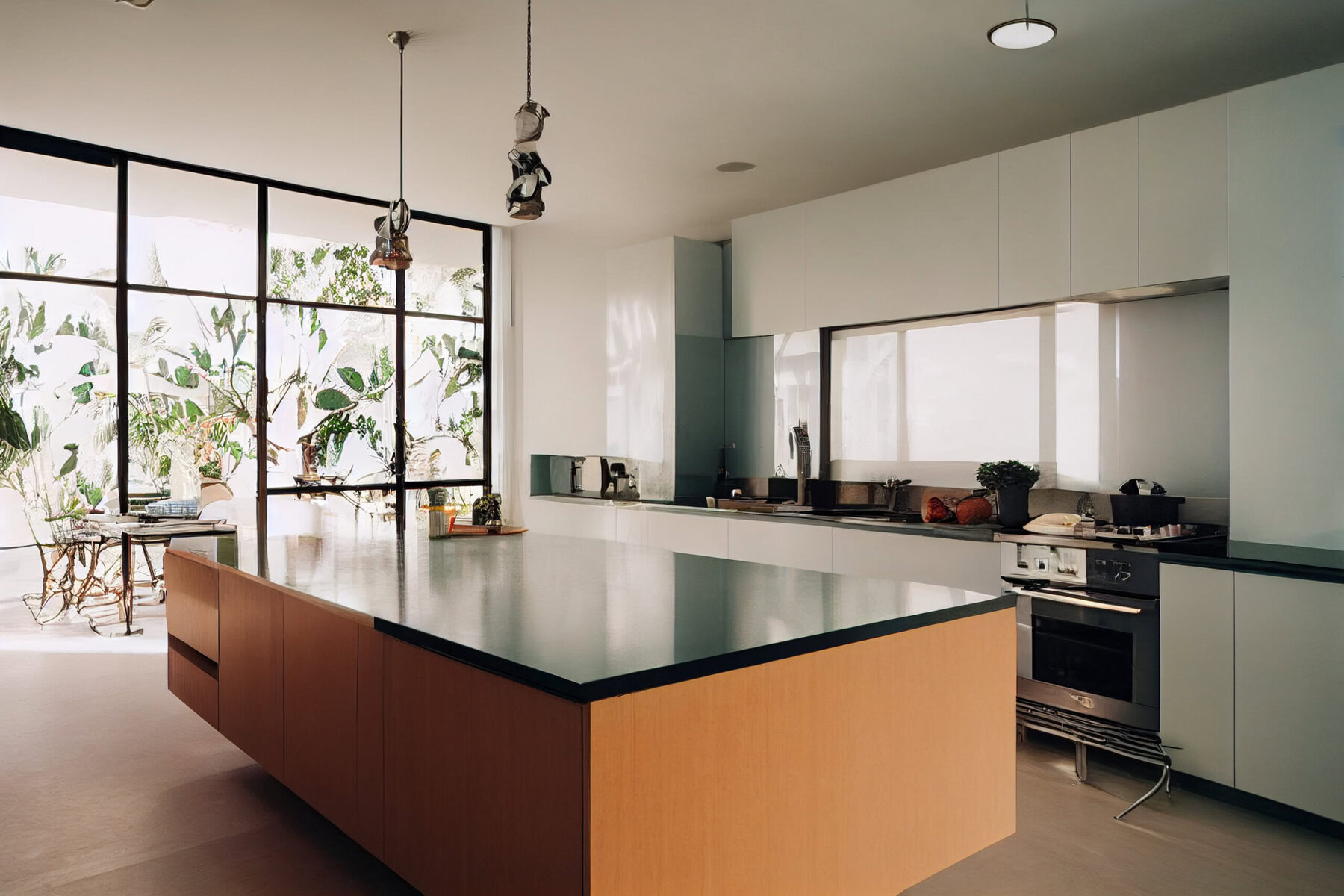
Consider a homeowner who remodels the kitchen in 2026 with warm, brass fixtures and painted white shaker cabinets. In 2028, they tackle the adjoining family room with cool nickel finishes and dark accent walls. By 2030, the two spaces feel like they belong to completely different houses. This disjointed aesthetic can actually harm resale value because buyers perceive the home as needing more work to achieve a consistent look.
Time and Disruption: One Intense Window vs. Years of Chaos
Many homeowners gravitate toward piecemeal renovations because they want to avoid moving out. However, living in a permanent construction zone extracts a hidden but very real quality-of-life toll.
The Concentrated Disruption Model (Whole-Home)
A full-home remodel typically requires temporary relocation for 4 to 12 months. This is a major hurdle, but it’s a single, defined period. Once you hand over the keys and your team begins work, the dust, noise, and lack of a functional kitchen are contained within that window. When you return, your home is fully updated, and you will not see another contractor for years.
The Slow Drip of Phased Renovations
By contrast, piecemeal projects mean you’ll experience dust containment zones, plastic sheeting, power saw noise, and limited room access for up to 3 months every single year. This “renovation fatigue” wears on families and can strain relationships. Furthermore, each phase brings a new crew, a new learning curve, and a new round of decisions—a phenomenon contractors call “decision fatigue”.
A Comparison of Real-World Disruption
Systems, Structure, and Safety: Upgrading What You Cannot See
A home is more than its finishes. Behind every freshly painted wall and new countertop lie the systems that keep your house comfortable and safe—plumbing, electrical wiring, HVAC ductwork, and insulation. In piecemeal renovations, these critical systems are often neglected because opening walls for one room doesn’t justify upgrading the entire network.
Why Whole-Home Renovations Are the Only Efficient Path for System Upgrades
-
Electrical: Upgrading from a 100-amp to a 200-amp panel and rewiring the entire house is exponentially easier when all walls are accessible at the same time.
-
Plumbing: Replacing old galvanized pipes with PEX or copper can prevent future leaks and improve water pressure—a single, whole-house scope prevents cutting into newly finished surfaces later.
-
HVAC and Ductwork: New high-efficiency systems require correctly sized duct runs. Whole-home design allows for proper Manual J load calculations and optimized zoning.
-
Insulation and Air Sealing: Achieving modern energy performance standards (such as RESNET HERS ratings) is far more effective when the entire building envelope is addressed simultaneously.
The Cost of Delaying System Work
If you renovate a kitchen in 2026 but leave the 40-year-old wiring in the walls, any future electrical fire or code-related issue will require tearing out that brand-new backsplash to access the problem. This is the definition of wasted investment.
When Piecemeal Projects Actually Make Sense
There are legitimate scenarios where a phased, room-by-room approach is the right call. The key is to go into it with eyes wide open and a clear master plan.
Ideal Candidates for Phased Renovations
-
You Have a Tight, Non-Negotiable Budget: If saving over time is the only way to fund the work, phasing may be your only option. Even then, create a 5-year master plan first.
-
Only One or Two Rooms Need Work: If the rest of your home is in excellent, modern condition, concentrating on a single kitchen or bathroom makes sense.
-
You Cannot Relocate: Some families simply cannot move out due to work-from-home requirements, school zones, or caregiving duties. In these cases, tackling one bathroom or one bedroom at a time while maintaining basic functionality may be the only feasible path.
-
You Are Prepping for a Quick Sale: If you plan to list your home within 12 months, spending on high-impact rooms (kitchens and bathrooms deliver the highest ROI) and skipping other areas may maximize your net return.
How to Make Phased Renovations Work
-
Hire a Design Professional First: Have a comprehensive master plan created that specifies all finishes, colors, and materials for every room—even those you won’t touch for years.
-
Buy Materials in Advance: Order all tile, hardwood, plumbing fixtures, and light fixtures now to ensure availability and consistency.
-
Prioritize Systems: If you must phase, tackle electrical, plumbing, and HVAC upgrades in the earliest phases to avoid tearing into finished work later.
-
Sequence Strategically: Renovate in a logical order: structural and systems work first, then public rooms (kitchen, living areas), then private spaces (bedrooms, bathrooms), and finally cosmetic finishes.
The 2026 Perspective: Construction Costs, Supply Chain Stability, and Smart-Home Integration
Renovating in 2026 comes with its own unique set of dynamics that influence the whole-home vs. piecemeal debate.
Why Locking In 2026 Pricing Matters
After several years of post-pandemic volatility, construction material costs have stabilized but remain on a consistent upward trajectory (estimated 3%–5% annual increase). Labor shortages for skilled trades—especially electricians, plumbers, and finish carpenters—place additional upward pressure on costs. By undertaking a whole-home renovation now, you secure both material and labor costs at 2026 rates, sidestepping future increases.
Supply Chain Predictability
Lead times for custom cabinetry, specialty tiles, and high-end appliances have returned to near-normal (8–14 weeks). However, ordering everything at once ensures that all your materials are available from the same production batch, avoiding inevitable dye-lot and grain variations that occur when items are manufactured months or years apart.
Smart-Home Integration as a Unifying Layer
Whole-home renovations present the ideal opportunity to install integrated smart-home infrastructure: structured wiring, whole-home audio, motorized shades, climate zoning, security systems, and centralized lighting control. Running Cat6a cable and pre-wiring for sensors is far simpler and more cost-effective when all walls are open at once. Attempting to patch smart-home features into individual rooms after the fact is dramatically more expensive and often results in a fragmented system that requires multiple apps and hubs.
A Decision Framework: 12 Questions to Guide Your Choice
Use this checklist to determine whether a whole-home renovation or a piecemeal approach is right for you. Mark the statements that apply to your situation.
Whole-Home Renovation Is Likely the Better Choice If:
-
Multiple rooms feel outdated at the same time.
-
You want a consistent design and finish throughout.
-
Your electrical, plumbing, or HVAC systems are 20+ years old.
-
You have foundational or structural issues to address.
-
You plan to stay in this home for 10+ years.
-
You can arrange temporary housing for 4–12 months.
-
You have secured financing or savings to fund a larger upfront project.
A Phased Approach May Work Better If:
-
Only one or two rooms require updating.
-
Your budget requires spreading costs over multiple years.
-
You cannot relocate during construction.
-
You are planning to sell within 2–3 years and want to focus on high-ROI rooms.
-
Your home’s major systems are in good, modern condition.
Frequently Asked Questions About Whole-Home Renovations vs. Piecemeal Projects
Is a whole-home renovation really cheaper in the long run?
Yes. Studies and contractor estimates consistently show that bundling all work into one project saves 15% to 25% over doing the same rooms separately due to avoided repeat mobilization, permits, bulk purchasing, and design cohesion.
How long does a typical whole-home renovation take?
For a standard 2,000–3,000-square-foot home, expect 4 to 12 months depending on scope complexity, material lead times, and permitting speed. Major structural changes can extend the timeline to 12–18 months.
Do I have to move out during a whole-home renovation?
In most cases, yes. When the kitchen, all bathrooms, and major systems are offline simultaneously, the home becomes uninhabitable. Budget for temporary housing (rental, extended-stay hotel, or staying with family) as part of your project cost.
Can I phase a whole-home renovation over several years?
Technically yes, but this is “piecemeal by design” and undermines many of the core benefits. If you must phase, hire an architect or designer to create a comprehensive master plan first so that each phase aligns with the final vision.
Which rooms deliver the highest return on investment?
Kitchen and bathroom remodels consistently top the list, with minor kitchen remodels recouping 70%–80% of their cost at resale. However, a fully updated whole home—consistent finishes, modern systems, and open layouts—commands a significantly higher sale price than a home with a brand-new kitchen but 1980s bathrooms.
How do I find the right contractor for a whole-home renovation?
Look for a licensed, insured general contractor with specific whole-home renovation experience. Check references, review portfolios of past projects, and confirm they use a design-build or integrated project management approach. Avoid the lowest bid—quality and reliability are paramount.
Conclusion: The Value of a Cohesive, Intentional Home
Renovating a home is one of the most significant investments a family can make, both financially and emotionally. The choice between a whole-home transformation and a series of piecemeal updates shapes not just the final look of your property, but also the financial outcome, the duration of disruption, and how your home functions for years to come.
In 2026, with stabilized material availability and pending cost escalation, a whole-home renovation remains the most strategically sound and cost-effective path for homeowners who want a unified, high-performance living space. It minimizes repeat disruption, locks in current pricing, and ensures every finish, system, and layout decision works together in harmony.
A well-executed whole-home renovation does more than update a series of rooms—it creates a home that feels intentional, efficient, and ready for the next chapter of your life.