Table of Contents
Defining Universal Design in Residential Remodeling
Universal design is an architectural framework that makes residential spaces fully functional and accessible for people of all ages, body types, and physical abilities without creating an institutional appearance. Integrating these inclusive principles into high-end Miami remodeling projects ensures that a residence adapts effortlessly to changing household needs while enhancing luxury and overall resale value.
Unlike standard accessibility modifications that focus strictly on retrofitting for a specific disability, universal design creates flexible environments for everyone. In South Florida remodeling work, this framework ensures that a residence comfortably accommodates young children, guests with temporary injuries, and aging family members. The design methodology relies on seven fundamental principles established in 1997 by the Center for Universal Design at North Carolina State University. These principles emphasize equitable, flexible, intuitive, and low-effort usage throughout the entire physical footprint.
The 7 Core Principles Applied to Coastal Home Renovation
Applying the seven core principles of universal design requires balancing physical accessibility with structural resilience and high-end aesthetic value. Integrating these principles into layout designs—from door hardware selection to open-plan floor configurations—ensures structural elegance without compromising functionality.
- Equitable Use: Installing hardware like lever door handles and touchless sensors serves all users equally, regardless of physical grip strength.
- Flexibility in Use: Countertops with varying heights, such as 30 inches for seated prep work and 36 inches for standard standing tasks, accommodate diverse body postures and abilities.
- Simple and Intuitive Use: Motion-activated fixtures and rocker light switches eliminate complex multi-step mechanics for intuitive control.
- Perceptible Information: Visual contrast along stair nosing and textured floor borders provide clear environmental cues for individuals with visual impairments.
- Tolerance for Error: Zero-threshold entryways and anti-scald mixing valves prevent trips and burn injuries before they occur.
- Low Physical Effort: Motorized shade controls and D-shaped cabinet handles require minimal physical exertion to operate daily.
- Size and Space for Approach and Use: Expanded 36-inch clearance pathways and five-foot turning radii allow seamless navigation for wheelchairs and walkers.
Real-World Field Challenges: Resolving Miami Coastal Code and Accessibility Conflicts
Designing barrier-free entries and curbless showers in South Florida creates complex engineering challenges due to strict Miami-Dade County wind-driven rain standards and slab-on-grade construction. Resolving these spatial and structural conflicts requires custom sub-slab drainage systems and high-performance weather-sealed threshold transitions.
During a recent comprehensive waterfront renovation in Coral Gables, a severe conflict emerged between achieving a zero-step exterior threshold and meeting High-Velocity Hurricane Zone (HVHZ) water-infiltration requirements. Traditional zero-threshold doors often leak under severe 140-mph wind-driven rain, while standard hurricane-rated thresholds create a two-inch tripping hazard. This was resolved by installing an integrated subterranean drainage trench featuring heavy-duty stainless steel linear grates paired with a hidden exterior drain pan connected directly to the stormwater overflow line. This permitted the installation of an impact-rated, flush-bottom sliding glass door system that stopped water intrusion during severe rainstorms while maintaining complete roll-over accessibility.
In another project located in Key Biscayne, converting a traditional step-in shower to a flush-entry curbless shower required lowering a post-tensioned concrete slab without compromising structural cable integrity. Standard jackhammering risked severing tension cables, which would lead to catastrophic structural failure. Ground-penetrating radar imaging mapped the exact location of every internal steel strand prior to concrete chipping. Surgically lowering only the non-structural topping slab allowed the team to install a low-profile liquid waterproofing membrane tied into a high-capacity linear drain, preserving structural integrity while delivering a seamless flush shower floor.
Comparative Framework: Universal Design vs. ADA Standards vs. Visitability
Understanding the technical distinctions between universal design, Americans with Disabilities Act (ADA) standards, and visitability allows homeowners to select the appropriate scope for their renovation. While commercial building codes emphasize minimal statutory compliance, universal design prioritizes seamless luxury residential integration.
| Specification Feature | Universal Design | ADA Accessibility Standards | Visitability Guidelines |
|---|---|---|---|
| Core Focus | Entire residential home usability for all ages | Minimum legal standards for commercial and public buildings | Basic access for visitors with mobility devices |
| Main Doorways | 36-inch clear opening with flush zero-threshold transition | Minimum 32-inch clear opening with maximum half-inch threshold | At least one step-free entry with 32-inch clear doorway |
| Bathroom Infrastructure | Curbless shower, reinforced structural wall backing, high-end bidet | Mandatory grab bars, specific turning radiuses, commercial fixtures | Half-bath or full bath located on main ground level |
| Aesthetic Integration | Seamless luxury finishes hidden within standard architecture | Often visible, institutional, and utility-driven | Minimal architectural modification required |
| Cost Allocation Impact | 3 percent to 8 percent above standard remodeling budgets | Variable depending on commercial code requirements | 1 percent to 3 percent above standard build budgets |
Room-by-Room Architectural Implementation Strategy
Implementing universal design across primary residential zones requires systematic structural, plumbing, and electrical modifications tailored to daily operational workflows. Upgrading entryways, kitchens, bathrooms, and living quarters balances aesthetic luxury with long-term functional autonomy across every square foot.
Entryways and Exterior Access
Entryways require smooth transitions that protect against weather elements while eliminating steps. Constructing zero-step entryways framed with high-performance impact doors and low-profile thresholds guarantees security and accessibility. Sensor-activated overhead lighting and wide, non-slip travertine or textured paver pathways ensure safe passage during dark or rainy conditions.
Inclusive Kitchen Workzones
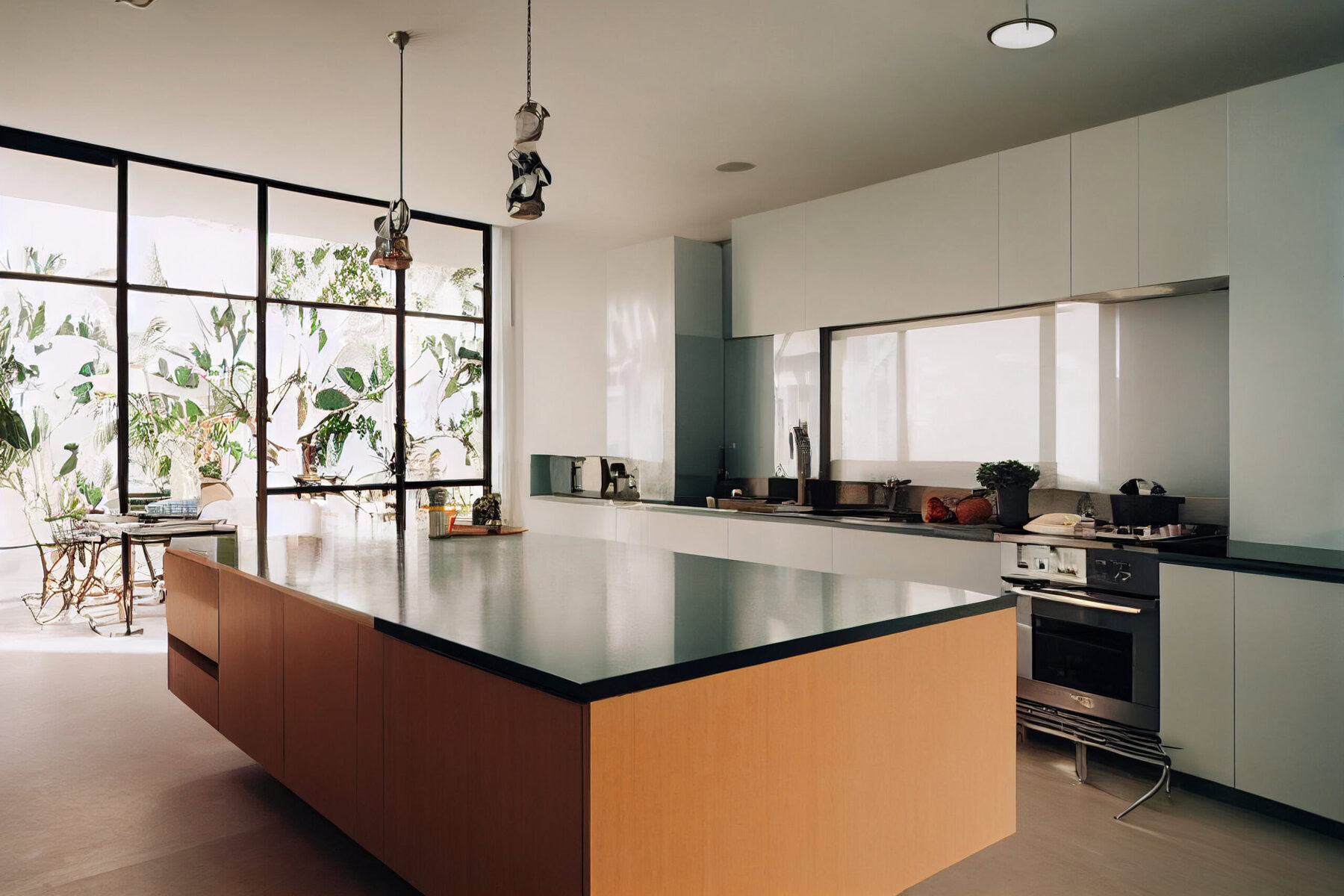
Kitchens must support multiple prep heights and effortless reach. Integrating pull-out cabinetry shelves, lowered multi-level quartz countertops, and front-control induction cooktops prevents accidental burns. Side-hinged wall ovens installed at elbow height allow cookware to slide horizontally onto adjacent heat-resistant counters without heavy vertical lifting.
Accessible Luxury Bathroom Design
Bathrooms require careful spatial planning to support open mobility without sacrificing spa-like luxury. According to data published by AARP, 72 percent of homeowners planning aging-in-place modifications prioritize bathroom upgrades such as step-free showers and non-slip tile flooring. Building large curbless wet rooms with linear drains, hidden structural plywood backing behind walls for future grab bar mounting, floating vanities with open knee clearance, and comfort-height smart bidets completes the transformation.
Living Quarters and Interior Transitions
Living rooms and hallways require wide pathways and clear floor surfaces to ensure unhindered movement. Specifying 36-inch interior pocket or swing-clear doors, flush luxury vinyl or tile floor transitions, and wide 48-inch corridors maximizes space. Electrical outlets should be elevated to 18 inches above finished floor level, while light controls are lowered to 42 inches for easy access from standing or seated positions.
Financial Analysis and Long-Term Resale Return on Investment
Investing in universal design features during initial remodeling significantly reduces the need for costly emergency retrofits while increasing marketability to a broader demographic. Capital expenditure spent on proactive structural adaptations delivers significant financial dividends by preserving independent living and increasing property value.
According to research from the Harvard Joint Center for Housing Studies, less than 4 percent of existing housing units in the United States contain basic accessibility features such as step-free entries and wide interior hallways. Proactively remodeling with these features positions homes at a premium in competitive real estate markets.
| Modernization Upgrade | Average Installed Investment Range | Immediate Lifestyle Function | Long-Term Financial ROI |
|---|---|---|---|
| Zero-Threshold Linear Drain Shower | 3,500 to 7,000 US dollars above basic tiled shower | Eliminates trip hazards and simplifies floor cleaning | Prevents fall injuries and enhances luxury master bath resale value |
| Wall-Reinforcement Framing Backing | 75 to 150 US dollars per bathroom wall panel | Prepares walls for immediate or future grab bar attachment | Saves 1,200 to 2,500 US dollars in demolition and re-tiling retrofits later |
| Widened Doorways (36-inch openings) | 200 to 450 US dollars per interior opening | Allows effortless movement of furniture, strollers, and walkers | Increases buyer pool appeal and accelerates market velocity upon resale |
| Smart Home Automation and Lighting Controls | 1,200 to 3,500 US dollars for full system setup | Enables hands-free control of lights, locks, and climate | Reduces energy usage costs and increases home insurance security discounts |
Retrofitting a residence during an emergency medical crisis often costs two to three times more than integrating universal design into an ongoing remodel. By incorporating structural backing, step-free access, and wide doorways during early planning stages, homeowners avoid invasive secondary construction while securing long-term property liquidity.
Integrating Smart Automation and Hurricane Resilience in South Florida
Fusing smart home automation with storm-hardened construction principles creates a resilient environment capable of withstanding extreme coastal conditions. Integrating voice-controlled environmental systems, emergency battery backups, and high-impact barrier systems into universal design remodels maximizes safety and self-sufficiency.
- Automated Impact Shutter Systems: Smart motorized hurricane shutters deploy via smartphone apps or voice commands, removing the physical strain of manual shutter installation.
- Voice-Activated Lighting and Security: Integrated platforms allow hands-free operation of security locks, exterior illumination, and thermostat controls.
- Backup Power Infrastructure: Automatic generator transfer switches and wall-mounted battery systems maintain continuous operation for critical medical equipment and climate control during power outages.
- Moisture-Resistant Non-Slip Finishes: Non-porous large-format porcelain tiles with high dynamic coefficient of friction ratings prevent mold accumulation while offering slip resistance in humid climates.
Frequently Asked Questions
What are the core principles of universal design in residential remodeling?
Universal design relies on seven core principles: equitable use, flexibility in use, simple and intuitive use, perceptible information, tolerance for error, low physical effort, and appropriate size and space for approach and use. Integrating these rules into layout choices, structural framing, and hardware selection ensures complete accessibility for all occupants.
How much additional investment does universal design add to a remodeling project?
Integrating universal design principles into an active remodeling project typically increases baseline construction costs by only 3 to 8 percent. For example, installing structural wall backing adds under 150 US dollars per room during framing, whereas retrofitting grab bars after tiling can cost over 1,500 US dollars in structural repairs and tiling work.
Can universal design features be added without making a home look institutional?
Yes, modern universal design seamlessly blends structural accessibility into high-end architectural styles using premium materials like linear drains, floating vanities, and oversized pocket doors. Custom remodeling projects incorporate zero-threshold entries and hidden support framing that look like luxury architectural choices rather than medical retrofits.
What is the difference between ADA compliance and universal design?
ADA compliance enforces strict regulatory requirements for commercial buildings and public spaces, whereas universal design is an adaptable, aesthetic-driven design philosophy tailored for private residences. Universal design focuses on making the home usable and attractive for everyone rather than following rigid commercial codes.
Why is zero-threshold construction particularly difficult in South Florida homes?
South Florida homes face strict hurricane codes regarding wind-driven rain penetration, making flush exterior transitions challenging to seal against high-velocity storms. This issue is resolved by combining impact-rated sliding systems with specialized subterranean channel drains and pan flashing that divert rain away from the threshold.
Sources
- Center for Universal Design at North Carolina State University. (1997). The Principles of Universal Design, Version 2.0. Raleigh, NC: NC State University. https://design.ncsu.edu/
- AARP. (2024). Home and Community Preferences Survey. Washington, DC: AARP Research. https://www.aarp.org
- Harvard Joint Center for Housing Studies. (2022). Housing an Aging Society: Accessibility and Equity in Late Life. Cambridge, MA: Harvard University. https://www.jchs.harvard.edu
Related Articles
People Also Ask
Universal design is a framework for creating spaces and products that everyone can use, regardless of age, ability, or circumstance. The seven principles are: equitable use, meaning the design is useful to people with diverse abilities; flexibility in use, which accommodates a wide range of preferences; simple and intuitive use, so it is easy to understand without prior experience; perceptible information, ensuring communication works for different sensory abilities; tolerance for error, minimizing hazards from accidental actions; low physical effort, allowing comfortable use with minimal fatigue; and size and space for approach and use, providing adequate room to reach and maneuver. In Miami, Miami Beach and Hialeah FL, these ideas guide accessible remodeling and new construction, and Trusst Construction applies them to create functional, inclusive environments for every client.
The seven design principles in construction are balance, rhythm, emphasis, proportion, scale, harmony, and unity. Balance creates visual stability through symmetrical or asymmetrical layouts. Rhythm guides the eye using repeated elements like windows or columns. Emphasis highlights a focal point such as an entryway. Proportion ensures parts relate well in size, while scale considers how elements fit their surroundings. Harmony combines colors and materials cohesively, and unity ties everything into a consistent whole. For projects in Miami, Miami Beach, and Hialeah FL, these principles help create durable, attractive structures suited to the local climate. Trusst Construction applies these standards to deliver well planned residential and commercial builds.
Universal design principles focus on creating spaces that are functional, accessible, and safe for everyone, regardless of age or ability. Key concepts include equitable use, flexibility, simple and intuitive layouts, perceptible information, tolerance for error, low physical effort, and appropriate size and space for approach and use. In construction and remodeling, these ideas translate into wider doorways, zero-step entries, lever handles, proper lighting, and reinforced walls for future grab bars. Thoughtful planning reduces long-term modification costs and improves daily living. Trusst Construction applies these standards across Miami, Miami Beach, and Hialeah FL, helping homeowners build durable, inclusive environments that serve families through every stage of life.
Universal design principles in education focus on creating learning environments and materials that are accessible to all students from the start, rather than adding accommodations later. Key ideas include presenting information in multiple formats, such as text, audio, and visual aids, allowing students to demonstrate knowledge in different ways, and keeping content engaging through varied instructional methods. Clear navigation and consistent layouts also reduce barriers for learners with diverse needs. In construction terms, this translates to classrooms with flexible seating, proper acoustics, adjustable lighting, and accessible pathways. When building or renovating educational facilities in Miami, Miami Beach, or Hialeah FL, Trusst Construction applies these standards to support inclusive, lasting learning spaces.
The seven principles of universal design include equitable use, flexibility in use, simple and intuitive use, perceptible information, tolerance for error, low physical effort, and size and space for approach and use. In residential construction, these ideas appear as step-free entries, wider doorways, lever-style handles, and adjustable countertops. Bathrooms often feature curbless showers, blocking for future grab bars, and non-slip flooring. Kitchens benefit from varied counter heights and pull-out shelves. Lighting and contrast help people with low vision navigate safely. These choices serve families, older adults, and visitors alike without looking institutional. For Florida projects, humidity and storm resilience also shape material selection. Trusst Construction can review practical applications in our article, Equitable Use Design Examples For Florida Remodels, which covers real remodel scenarios.
Universal design focuses on creating spaces that are usable by everyone, regardless of age or ability, without the need for adaptation. Key principles include equitable use, flexibility, simple and intuitive layouts, perceptible information, tolerance for error, low physical effort, and adequate size and space for approach and use. In practice, this means wider doorways, zero-step entries, lever-style handles, non-slip flooring, and proper lighting. These features benefit families with children, aging residents, and visitors with mobility aids. For local guidance, review our article <a href="Universal Design Principles For Miami Homes">Universal Design Principles For Miami Homes. Trusst Construction applies these standards to help Miami homeowners build safer, more comfortable, and future-ready living environments.