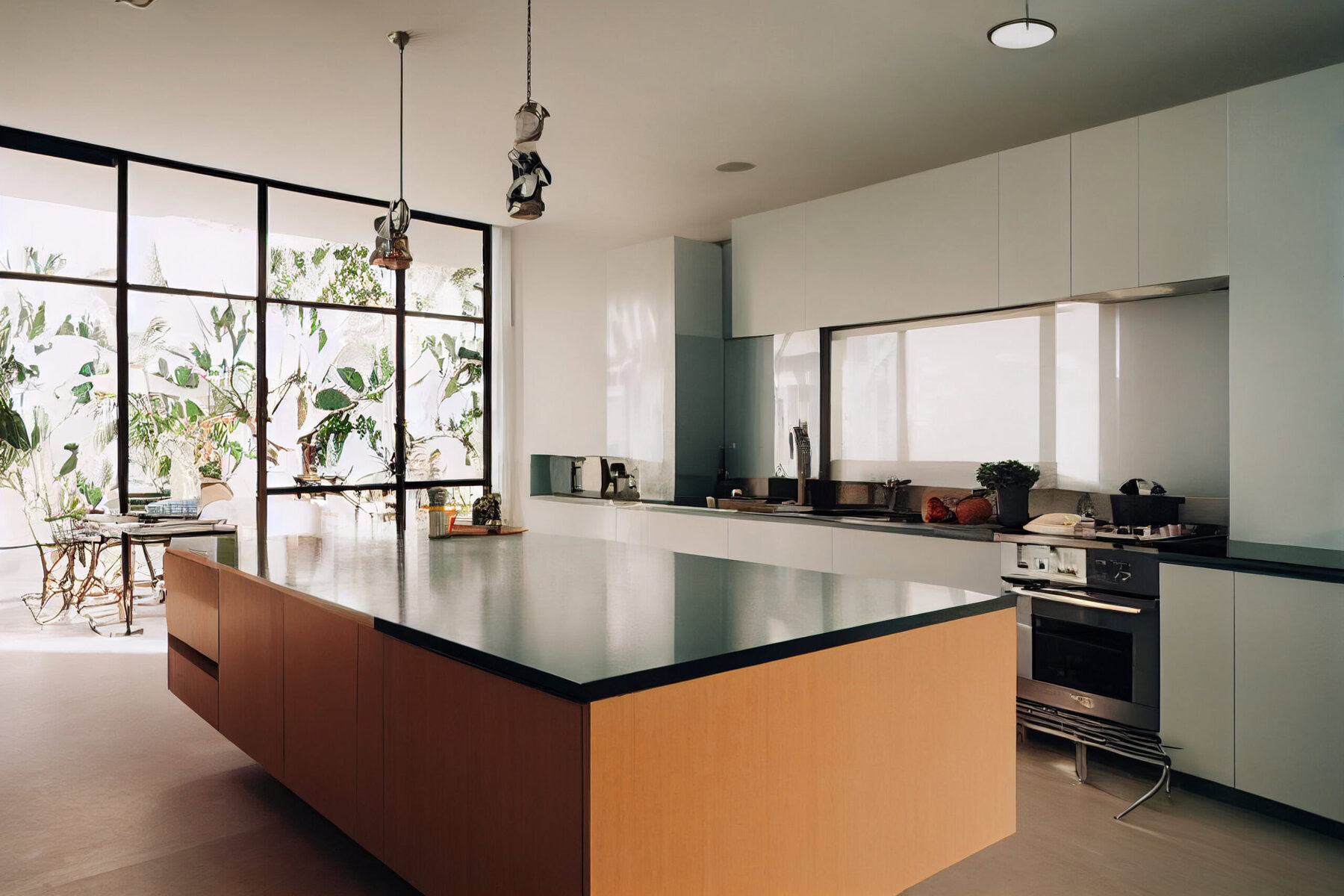

Ever stared at a crack in your ceiling or a kitchen that hasn’t seen an update since disco was cool and felt completely overwhelmed? Yeah, we get it. The world of remodeling and renovation can feel like a maze of decisions, budgets, and, let’s be honest, a little bit of dust-induced panic. But what if we told you it doesn’t have to be a nightmare? What if the process could actually be… enjoyable? Buckle up, because we’re about to walk through everything you need to know to transform your space without losing your mind (or your life savings).
Table of Contents
Demystifying the Remodeling Process: It’s Not Rocket Science
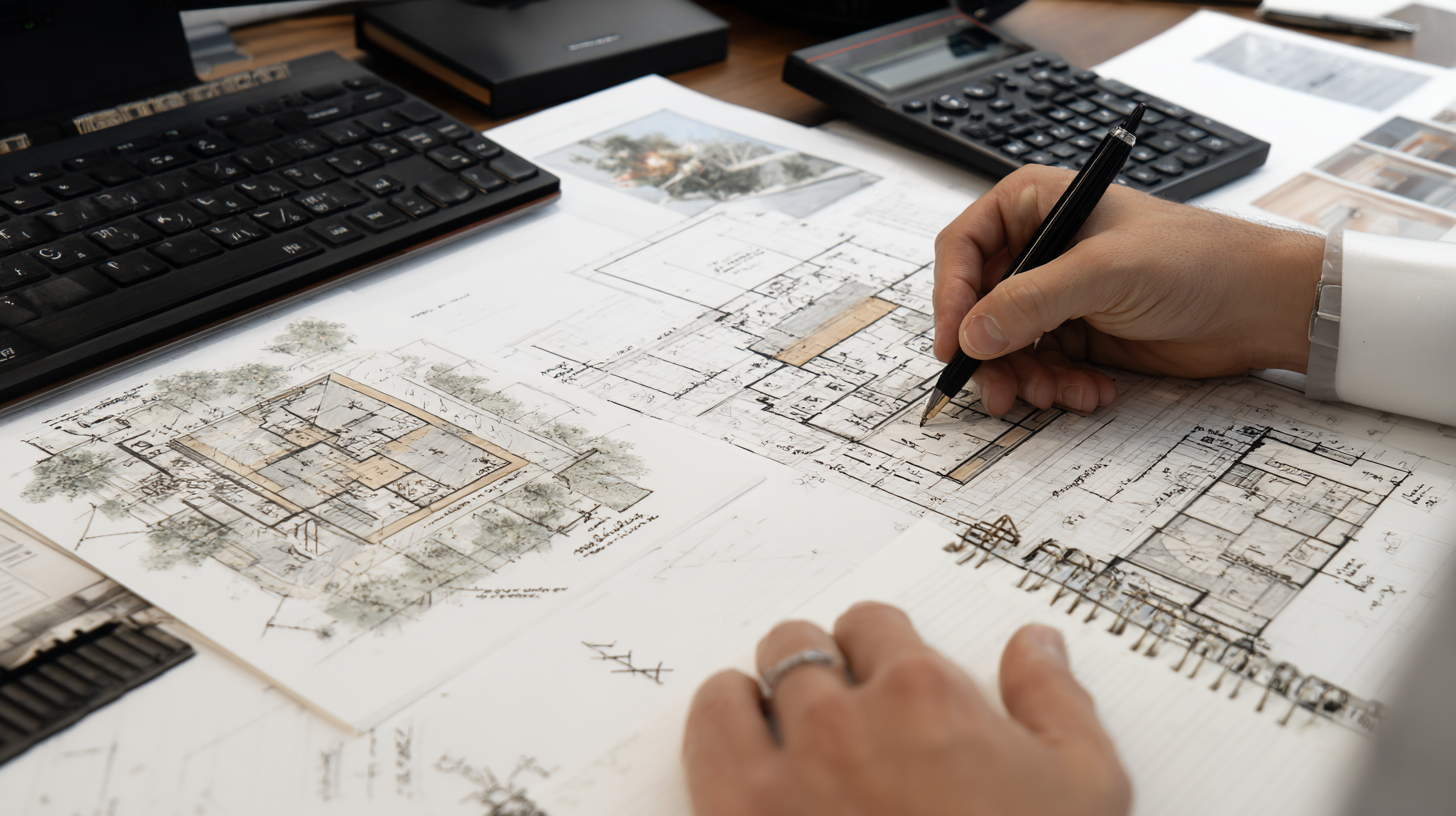
First things first, let’s toss out the idea that this is some mystical, secret-society ritual. A successful project, whether it’s a quick bathroom refresh or a full home remodel, boils down to good planning and the right team. Think of it like a road trip: you need a map, a reliable vehicle (that’s your general contractor), and a rough idea of where you want to stop for snacks.
The single biggest mistake we see folks make is jumping straight to picking out tile. It’s tempting, we know! But the foundation of any great project is a solid plan and a realistic budget. This is where a good construction company earns its keep from day one.
Budget Realities: Getting the Most Bang for Your Buck
Let’s talk about the elephant in the room: cost. It’s the word that keeps most people up at night. The truth is, a remodel’s price tag is a complex beast, influenced by materials, labor, scope, and yes, those pesky unforeseen issues that love to pop up behind old walls (we’ve seen things…).
The goal isn’t always to find the cheapest option; it’s to find the most affordable path to your vision that doesn’t sacrifice quality. A shockingly low bid often ends up being the most expensive choice in the long run. IMO, transparency is king. A reputable renovation contractor will provide a detailed, line-item estimate so you know exactly where every dollar is going. At Trusst Construction in Miami, we build our quotes with this level of detail because we believe an informed client is a happy client. It saves everyone headaches later.
Here’s a simplified look at where your investment typically goes in a medium-scale project:
| Cost Category | Average % of Budget | What It Encompasses | Pro Tip |
|---|---|---|---|
| Labor & Expertise | 30-40% | General contracting, carpentry, plumbing, electrical, etc. | This is not where to cut corners. Skilled labor prevents costly mistakes. |
| Materials & Products | 30-50% | Cabinetry, flooring, fixtures, appliances, windows. | Choices here have the biggest visual impact and longevity. Balance splurges with saves. |
| Design & Permits | 5-15% | Architectural drawings, interior design, city permits & fees. | Crucial for compliance and resale. Your general contractor should handle permits. |
| Contingency Fund | 10-15% | The “oh-no” fund for unexpected issues. | Non-negotiable. If you don’t use it, it’s a bonus for your next project! |
Residential vs. Commercial: Two Different Beasts
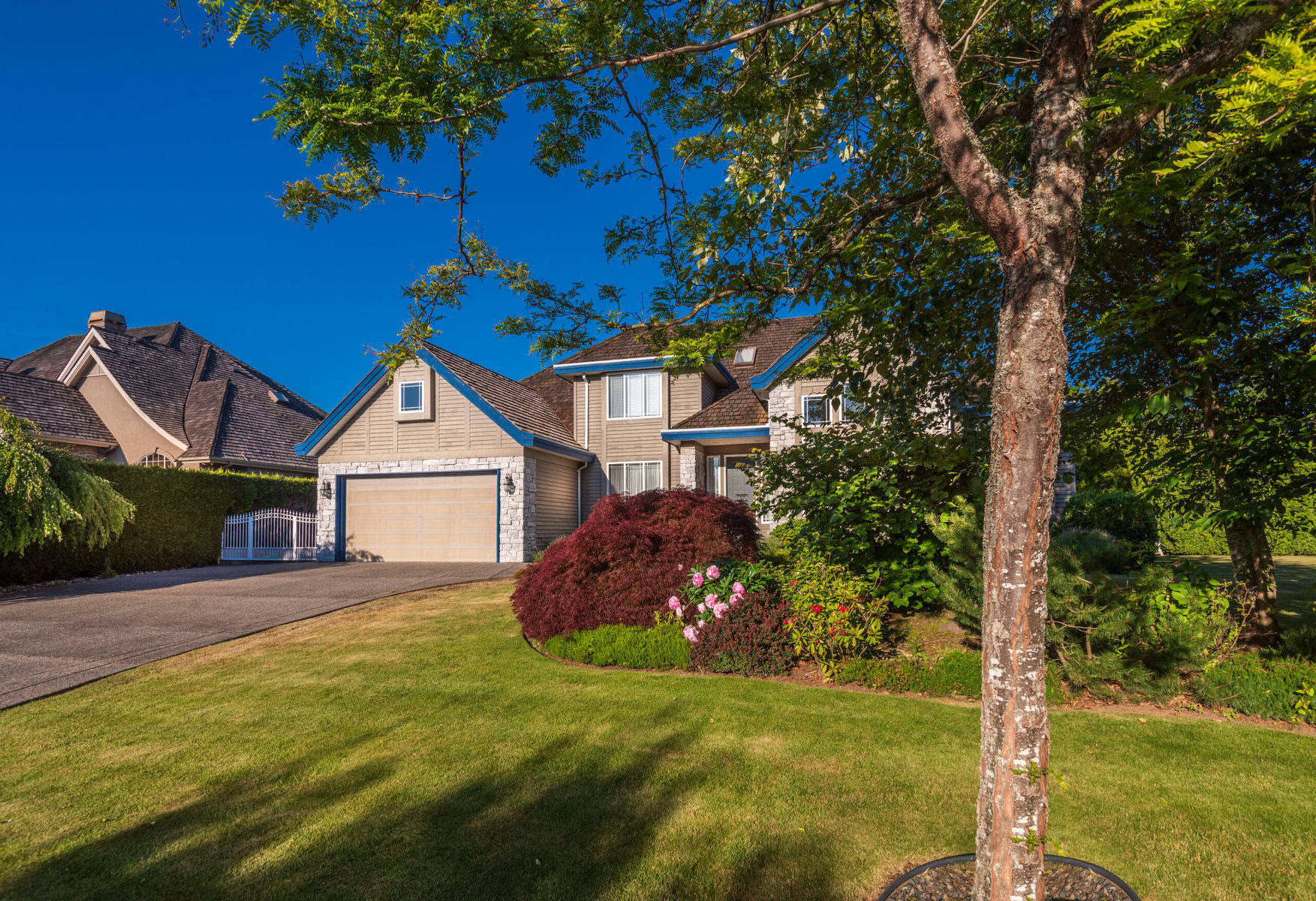
Now, your project’s flavor changes dramatically depending on whether you’re upgrading your sanctuary or your workspace. As a house remodeling contractor, we’re focused on creating personal havens—think residential home additions for a growing family or that dream kitchen where you’ll actually cook. The timeline can be more flexible, and the design is 100% about your lifestyle.
On the flip side, as a commercial contractor, the game changes. An office refurbishment or retail build-out is about minimizing downtime, maximizing functionality, and adhering to strict commercial codes. The clock is literally money. The approach is more systematic, but the need for a trusted partner is just as critical. FYI, we handle both with equal passion at Trusst Construction, because whether it’s your home or your business, it’s your most important asset.
Why Your Choice of Contractor is Everything
You can have the most beautiful vision board on Pinterest, but the difference between a dream and a disaster is the team you hire. So, how do you find the best remodeling company for you?
- They Communicate Clearly: No ghosting, no contractor-speak. They explain things in plain English.
- They’re Licensed & Insured: This is non-negotiable. It protects you, your property, and their workers.
- They Have a Proven Track Record: Stellar reviews and a portfolio of completed projects are worth their weight in gold.
- They Feel Like a Partner: You should feel heard, not sold to. Ever talked to a salesperson who just nods and then does whatever they want? Yeah, we hate that too.
This is the core of what we do. We’re not just builders; we’re translators and guides. We take your vision, apply our decades of Miami building experience (we know the soil, the weather, the codes), and build a process you can trusst. See what we did there?
Navigating the Miami Market: Local Knowledge is Key
Speaking of Miami, remodeling here isn’t like remodeling anywhere else. Our tropical climate, specific building codes (hurricane ratings, anyone?), and even the soil composition affect how we build. A general contractor from up north might not account for our humidity levels that can warp certain materials. A local bathroom remodeler will know the best ventilation solutions to prevent mold. This hyper-local expertise is something you can’t Google. It comes from years of working near the coast, in Coral Gables, in Brickell, and all across South Florida.
Your Top Remodeling Questions, Answered
Let’s tackle some of the big questions we hear all the time.
1. How long will my project really take?
Honestly? Longer than the HGTV show makes it look. A standard bathroom remodeler project might take 3-6 weeks. A major home remodeling services overhaul can take several months. The key is a realistic timeline set during planning, with clear milestones. A good contractor will keep you updated weekly, so you’re never left wondering.
2. Should I hire an architect or designer separately?
It depends on the project’s complexity. For structural changes or major residential home additions, an architect is crucial. For interior layouts and finishes, a designer can be a fantastic investment. Many remodeling companies, ours included, have strong relationships with both and can manage that entire team for you, creating a seamless flow from design to demolition to the final reveal.
3. How disruptive will the construction be to my daily life?
We won’t sugarcoat it—there will be disruption. Dust, noise, and workers in your space are part of the deal. But a professional team minimizes this. We set up containment barriers, maintain a clean worksite, and stick to agreed-upon working hours. For major projects, planning for alternative living arrangements for a period might be wise (and worth it).
4. How do we handle changes or surprises once work begins?
Change orders are a normal part of the process. You might see a new tile you love, or we might open a wall and find wiring that needs updating. The key is a documented, signed change order that outlines the new cost and timeline impact before the work is done. No surprises on the final bill.
The Final Coat of Paint
At the end of the day, remodeling is an investment—not just in your property, but in your quality of life. It’s about creating a home that functions beautifully for your family or a workspace that inspires productivity and pride. The journey might have a few bumps (what adventure doesn’t?), but with the right preparation and the right partner, it can be incredibly rewarding.
So, if you’re in South Florida and feeling that itch to transform your space, why not start the conversation with a team that treats your project like it’s their own? We’d love to hear about what you’re dreaming up. After all, we’re not just building rooms; we’re building the backdrop for your life’s next chapter. Let’s build something amazing together.