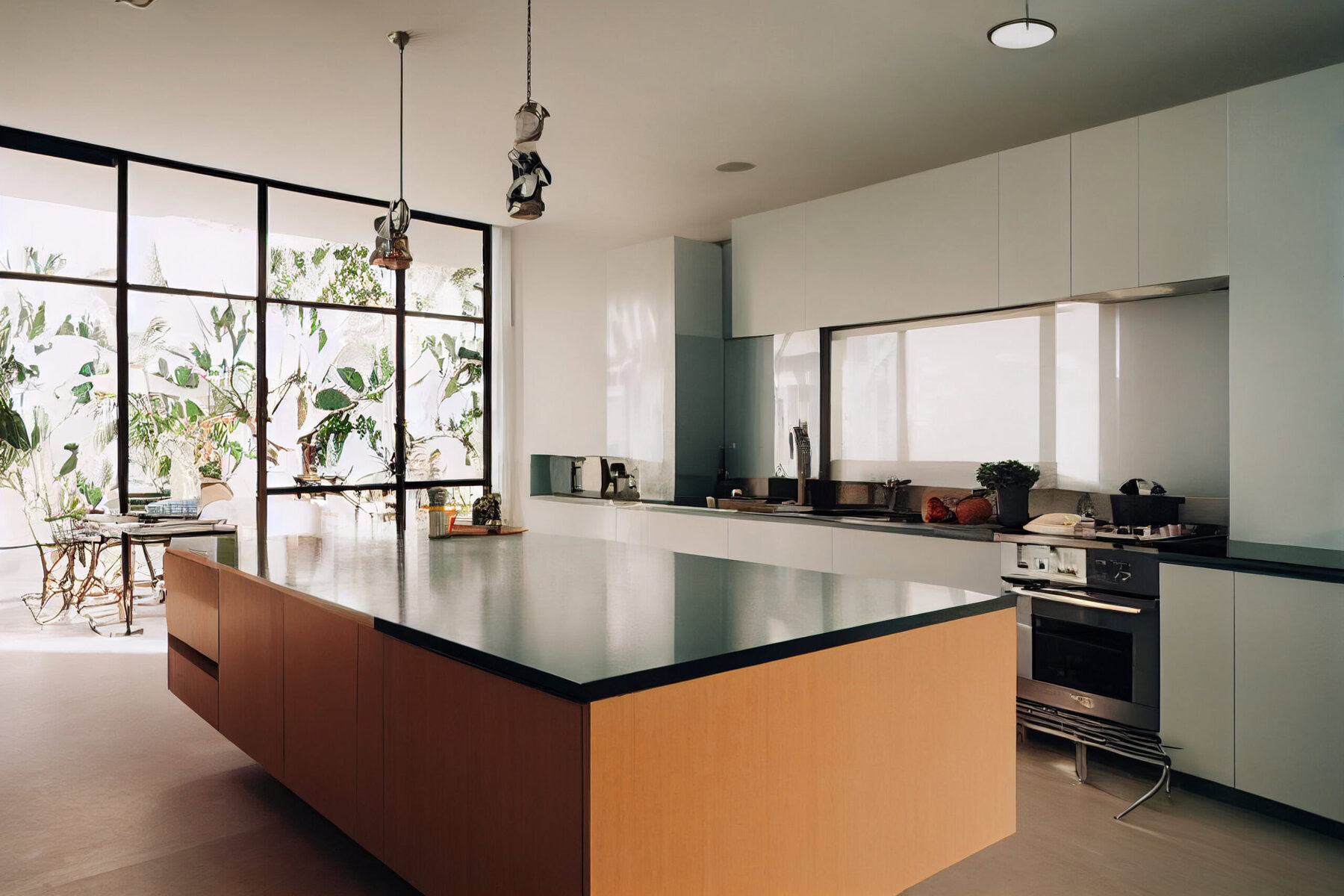
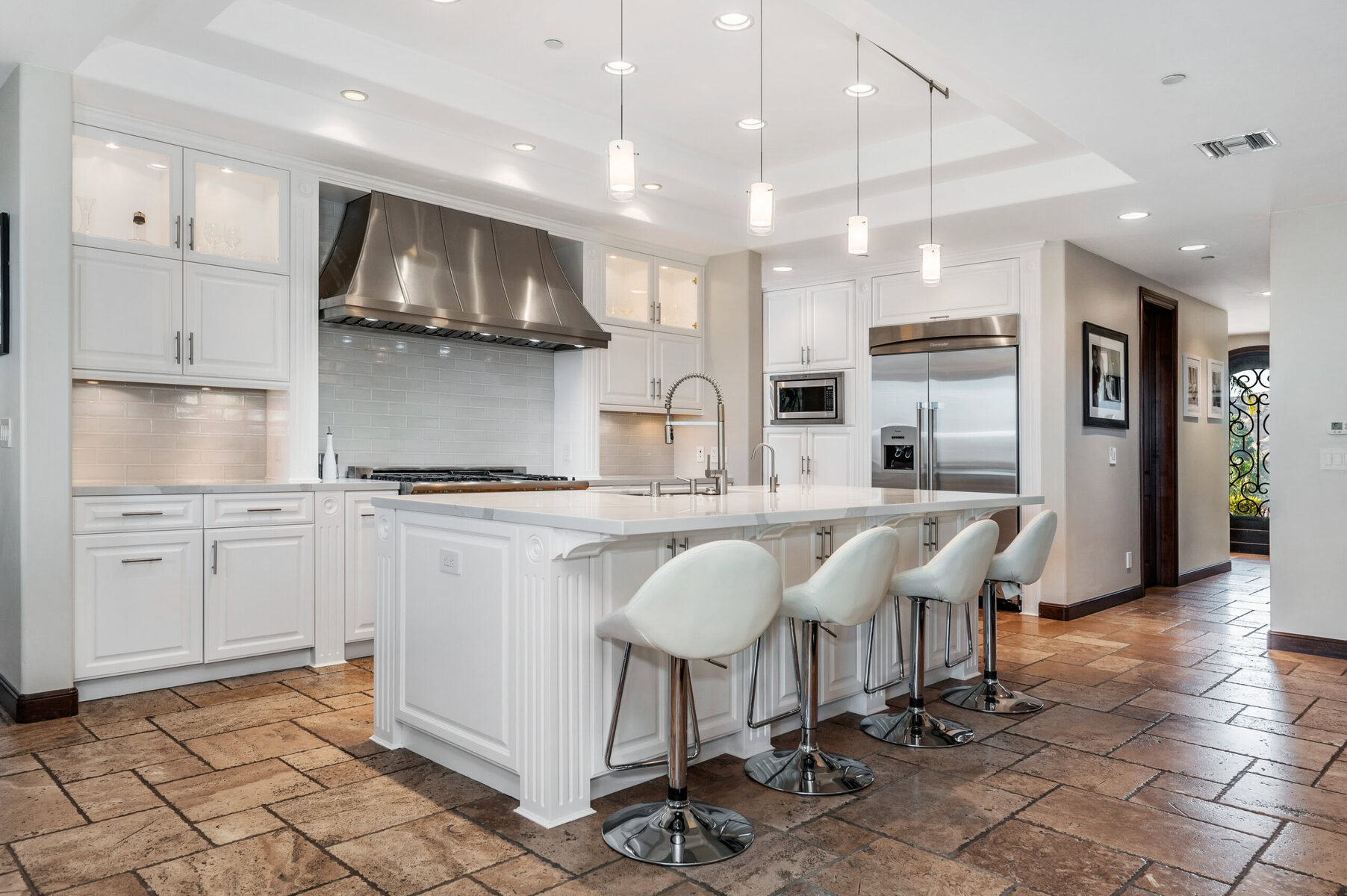
A full kitchen remodel in Miami in 2026 typically costs between 45,000 and 90,000 dollars for a mid‑range renovation of a 200‑square‑foot space. Minor cosmetic updates start around 15,000 dollars, while a major upscale gut renovation with structural changes and luxury finishes can range from 100,000 dollars to over 150,000 dollars. These figures reflect Miami‑Dade County’s elevated labor rates, strict wind‑load codes, and permit requirements that add 10–20 percent above national averages. Trusst Construction, a licensed general contractor serving South Florida, delivers these projects with transparent, itemized pricing that eliminates surprises and keeps your investment on track.
Table of Contents
Average Kitchen Remodel Cost by Project Level (Miami, 2026)
| Scope | Typical Cost Range (dollars) | What’s Included |
|---|---|---|
| Minor Refresh | 15,000 – 30,000 | Cabinet refacing or painting, new hardware, laminate countertops, sink/faucet swap, backsplash update, painted walls, no layout changes |
| Mid‑Range Renovation | 45,000 – 90,000 | Semi‑custom cabinets, quartz or granite countertops, mid‑range appliances, tile backsplash, engineered wood or tile flooring, recessed lighting, minor plumbing/electrical moves, basic permit package |
| Major Upscale Remodel | 100,000 – 150,000+ | Custom cabinetry, stone countertops, luxury appliance suite, structural changes (wall removals), high‑end plumbing fixtures, hardwood or large‑format tile, new lighting plan, upgraded electrical panel, full permit set, design fees, hurricane‑code window/door upgrades |
Cost Breakdown by Component
Knowing where your dollars go prevents budget creep. For a mid‑range Miami kitchen remodel, the approximate allocation is:
-
Cabinetry and hardware: 25–30 percent (12,000–27,000 dollars)
-
Countertops: 10–15 percent (5,000–13,500 dollars)
-
Appliances and ventilation: 12–18 percent (5,500–16,000 dollars)
-
Labor (carpentry, plumbing, electrical, tile): 20–25 percent (9,000–22,500 dollars)
-
Flooring: 5–8 percent (2,500–7,000 dollars)
-
Lighting and electrical upgrades: 5–8 percent (2,500–7,000 dollars)
-
Plumbing fixtures and rough‑in: 4–6 percent (2,000–5,500 dollars)
-
Permits and inspections: 3–5 percent (1,500–4,500 dollars)
-
Design and project management: 5–10 percent (2,500–9,000 dollars)
-
Contingency reserve: 5–10 percent (built into the total, not an extra line)
-
Key takeaway: Cabinetry and labor combined consume roughly half of the budget; opting for semi‑custom RTA (ready‑to‑assemble) cabinets or refined stock lines from local suppliers can trim 15–20 percent without sacrificing durability.
What Drives Miami Kitchen Remodel Costs Higher Than the National Average
-
Hurricane‑zone structural requirements: Miami‑Dade is in a High‑Velocity Hurricane Zone. Any exterior‑wall modification often triggers impact‑window or shutter mandates, and reinforced garage‑to‑kitchen door openings. These code items can add 5,000 to 12,000 dollars to a project.
-
Stringent permitting and inspections: A typical kitchen permit package (building, electrical, plumbing, mechanical) in Miami‑Dade costs 1,500–4,500 dollars and requires multiple inspections. Delays from plan review backlogs can add weeks, increasing carrying costs if you are living elsewhere.
-
Old building surprises: Homes built before 1990 frequently hide cast‑iron plumbing, knob‑and‑tube wiring, and asbestos‑backed flooring. Remediation and panel upgrades easily add 3,000–8,000 dollars.
-
Elevated labor rates: Skilled trades are in high demand, with licensed electricians and plumbers billing 90–150 dollars per hour. Cabinet installers charge 60–100 dollars per hour. Labour runs 20–30 percent above the national median.
-
Logistics and material delivery: High‑rise condos face elevator bookings, union doorman rules, and limited staging areas, increasing soft costs by 5–10 percent compared to single‑family homes.
Hidden Costs and Overlooked Expenses
-
Temporary kitchen setup: A basic makeshift kitchen (portable cooktop, microwave, mini fridge, wash‑station) costs 1,000–3,000 dollars if you remain in the home. Off‑site dining and laundry services add 800–1,500 dollars per month.
-
Waste disposal and dumpster fees: A 20‑yard dumpster permit and rental in Miami runs 500–900 dollars. Additional haul‑away of old cast‑iron tubs or concrete debris can double that.
-
Structural surprises: Rotted subfloors, termite damage, or insufficient joist spacing discovered after demo typically cost 2,000–7,000 dollars to remediate.
-
Electrical panel upgrade: If your existing panel is 100 amps or fewer and you add induction cooking, a second oven, or underfloor heating, a 200‑amp service upgrade costs 2,500–4,500 dollars.
-
Post‑construction deep cleaning: A professional crew for a 200‑square‑foot kitchen and adjacent areas adds 500–1,000 dollars.
Kitchen Remodel Cost by Size and Layout
| Kitchen Size | Typical Dimensions | Cost Range (dollars) Mid‑Range | Notes |
|---|---|---|---|
| Small galley / condo kitchen | 70–100 sq ft | 25,000–50,000 | Often no layout change; maximizing vertical storage; impact‑window compliance may be triggered by condo association rules. |
| Standard L‑shaped or U‑shaped | 150–250 sq ft | 50,000–90,000 | Most common footprint; may include a peninsula, new island, and wider appliance package. |
| Large open‑concept with island | 300+ sq ft | 90,000–150,000+ | Typically involves load‑bearing wall removal, engineered beams, larger flooring runs, and premium finishes. |
-
Contextual fact: In Miami condos, association approvals and limited work hours can stretch a 10‑week timeline to 14 weeks, inflating labor costs by 10–15 percent. Trusst Construction’s single‑point‑of‑contact coordination manages these constraints proactively.
Return on Investment and Resale Value in South Florida
According to the 2026 Cost vs. Value report (Remodeling by JLC), a mid‑range major kitchen remodel in the South Atlantic region recoups roughly 55–62 percent of its cost at resale. In Miami’s competitive luxury market, a well‑designed kitchen can differentiate a listing and shorten days on market, even if the pure dollar ROI is moderate. For properties under 600,000 dollars, updating a dated kitchen can boost appraisal value by 5–10 percent. Trusst Construction’s integrated design‑build approach ensures the finished space appeals to both your lifestyle today and future buyers.
How to Plan Your Budget and Avoid Overruns
-
Start with a design‑build team that provides an itemized, fixed‑price estimate after a detailed site analysis. Trusst Construction’s upfront pricing model locks in costs before construction begins.
-
Allocate a 10‑percent contingency inside the project total for unseen conditions. This is not an “extra” — it’s the buffer that keeps the project from stalling.
-
Prioritize the “wet zone” (plumbing locations). Keeping the sink, dishwasher, and gas/electric lines in their existing footprint can save 5,000–10,000 dollars.
-
Choose materials rated for Miami’s humidity. Engineered quartz, porcelain slabs, and marine‑grade plywood cabinet boxes resist swelling and mold better than particleboard or natural marble.
-
Schedule during Miami’s dry season (November–April) to minimize weather delays, especially if any exterior penetrations are needed. Trusst Construction plans around storm‑season realities to safeguard timelines.
-
Vet the contractor’s local licensing, insurance, and history with Miami‑Dade permitting. A firm that routinely navigates the Department of Regulatory and Economic Resources (RER) will avoid costly stop‑work orders.
Why Miami Homeowners Choose Trusst Construction for Kitchen Remodels
Trusst Construction is a licensed general contractor that unites architecture, design, and construction under one roof, eliminating the finger‑pointing common when multiple firms are involved. Every project begins with a no‑obligation consultation where your goals are translated into detailed plans that balance aesthetics, function, and a clearly defined budget.
-
Transparent, itemized pricing: Estimates break out materials, labor, permits, and subcontractor work line‑by‑line. Change orders require written approval, so you never face surprise invoices.
-
Single dedicated point of contact: One project lead manages every trade, schedule milestone, and inspection, giving you a single source of truth and on‑time delivery.
-
Deep local expertise: Trusst’s team understands Miami‑Dade coastal codes, elevation certificates, wind‑load calculations, and the permitting hurdles that can delay other contractors. They handle the paperwork so you don’t have to.
-
Storm‑season scheduling: The firm plans material procurement and construction phases to avoid the peak hurricane‑threat months, reducing risk to your home and project timeline.
-
Design that fits your lifestyle: Every layout, finish, and appliance selection is tailored to how you live — whether that’s a chef’s kitchen for entertaining, a sleek condo galley, or a family‑centric open plan.
Start your kitchen remodel with confidence. Schedule a no‑obligation consultation with Trusst Construction and receive a clear, itemized picture of your project’s true cost before you commit a single dollar.
Frequently Asked Questions
What is the average cost per square foot for a kitchen remodel in Miami in 2026?
Mid‑range kitchen remodels in Miami cost between 250 and 450 dollars per square foot for a full gut renovation. Higher‑end finishes can push the range to 500–700 dollars per square foot. Minor cosmetic refreshes land around 100–200 dollars per square foot.
Do I need a permit for a kitchen remodel in Miami-Dade County?
Yes. Any work that modifies electrical, plumbing, or structural elements requires a permit. Even moving a gas line or adding an outlet triggers separate electrical, plumbing, or mechanical permits. The cost of a full permit set typically ranges from 1,500 to 4,500 dollars. Working without permits risks fines, insurance voids, and forced removal of unpermitted work.
How long does a kitchen remodel take in Miami?
A mid‑range remodel usually takes 8–12 weeks from demolition to final inspection. Larger projects with structural changes can take 14–18 weeks. Condo projects often add 2–4 weeks due to association rules and limited work hours. Delays from permitting backlogs can push start dates out by 4–6 weeks, which Trusst Construction’s pre‑planning minimizes.
Can I save money by keeping the same layout?
Absolutely. Retaining the sink, range, and refrigerator in their existing locations avoids expensive plumbing and electrical re‑routes, saving 5,000–10,000 dollars. You can still upgrade cabinets, countertops, and finishes while leaving the “wet wall” untouched. This strategy is one of the most effective ways to stay within a 45,000–60,000 dollar budget.
What materials hold up best in Miami’s humidity?
Porcelain slab countertops, quartz, and sealed granite resist moisture and staining better than marble or butcher block. Cabinet boxes made from marine‑grade plywood or high‑density moisture‑resistant MDF outperform standard particleboard. For flooring, large‑format rectified porcelain tile or luxury vinyl plank with a rigid core handles humidity without warping.
How much should I budget for appliances in a Miami kitchen remodel?
A mid‑range appliance package (refrigerator, range, dishwasher, microwave hood) runs 5,000–10,000 dollars. Pro‑sumer and luxury brands like Thermador, Wolf, or Sub‑Zero can push the total to 15,000–30,000 dollars. Don’t forget the 1,000–2,500 dollars for dedicated electrical circuits and venting upgrades often required by code.
Is it better to hire a design‑build firm or separate designer and contractor?
A design‑build firm like Trusst Construction streamlines communication, eliminates conflicts between designer and builder, and delivers a fixed‑price contract based on complete plans. This model reduces change‑order surprises and project delays by 20–30 percent compared to the traditional design‑bid‑build approach.
Does Trusst Construction offer financing for kitchen remodels?
Trusst Construction provides transparent, itemized estimates that can be used when applying for home equity lines of credit, renovation loans, or personal financing through third‑party lenders. They do not directly lend, but their detailed budgets satisfy lender documentation requirements. Ask during your no‑obligation consultation.
What is the biggest mistake Miami homeowners make when budgeting a kitchen remodel?
Underestimating the cost of code compliance. Many national averages ignore hurricane‑zone requirements and Miami‑Dade permit fees. A budget of 40,000 dollars can realistically become 55,000 dollars once impact windows, wind‑rated doors, and upgraded electrical panels are factored in. Trusst Construction educates clients on these line items from day one to avoid mid‑project funding gaps.
Sources Referenced
-
HomeAdvisor Kitchen Remodel Cost Guide, 2026 data: https://www.homeadvisor.com/cost/kitchens/remodel-a-kitchen/
-
Remodeling 2026 Cost vs. Value Report (JLC Group): https://www.remodeling.hw.net/cost-vs-value/2026/
-
Miami‑Dade County Permitting Information: https://www.miamidade.gov/global/service.page?Mduid_service=ser1516814903874248
-
Trusst Construction official site: https://trusstconstruction.com/