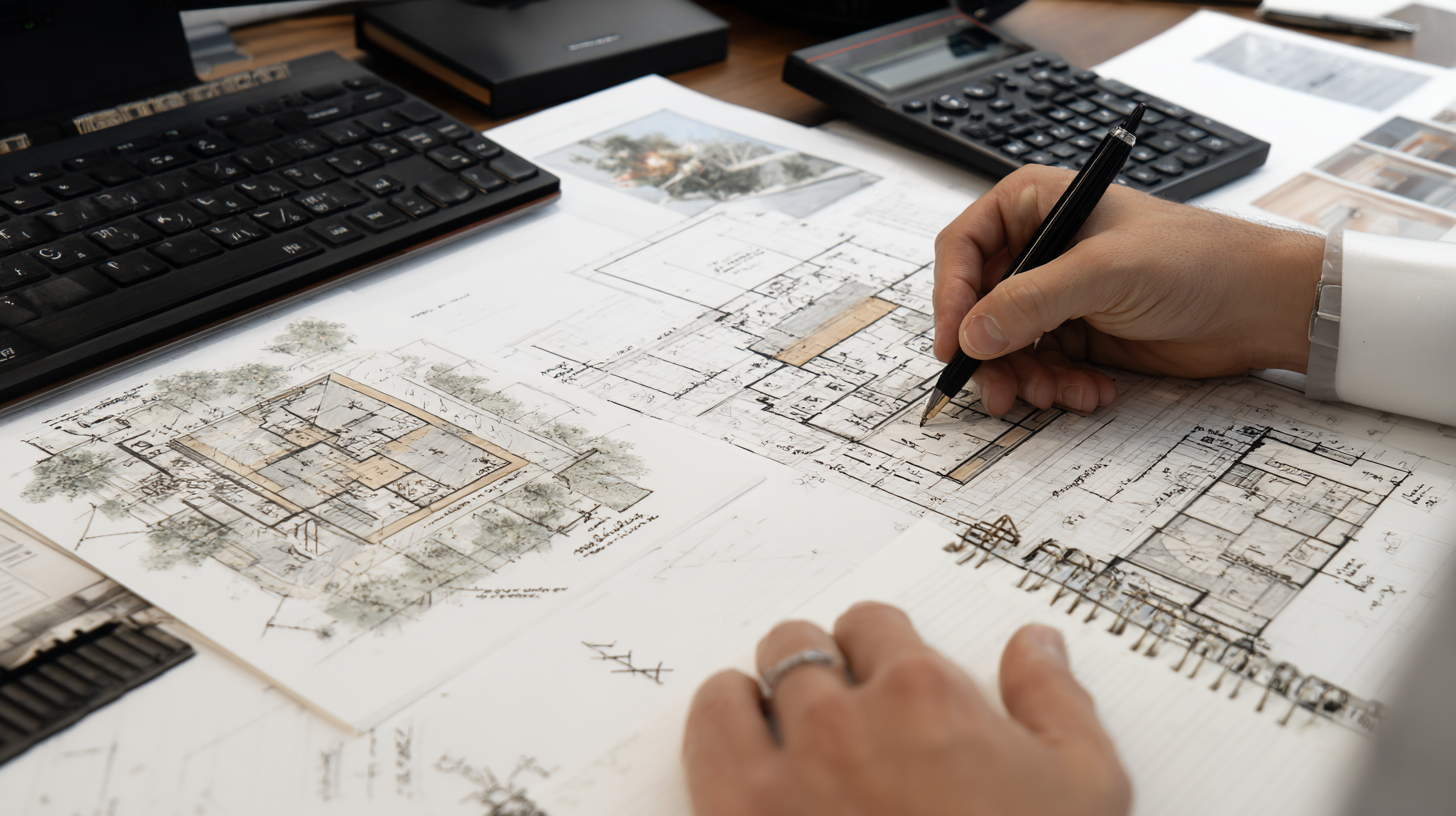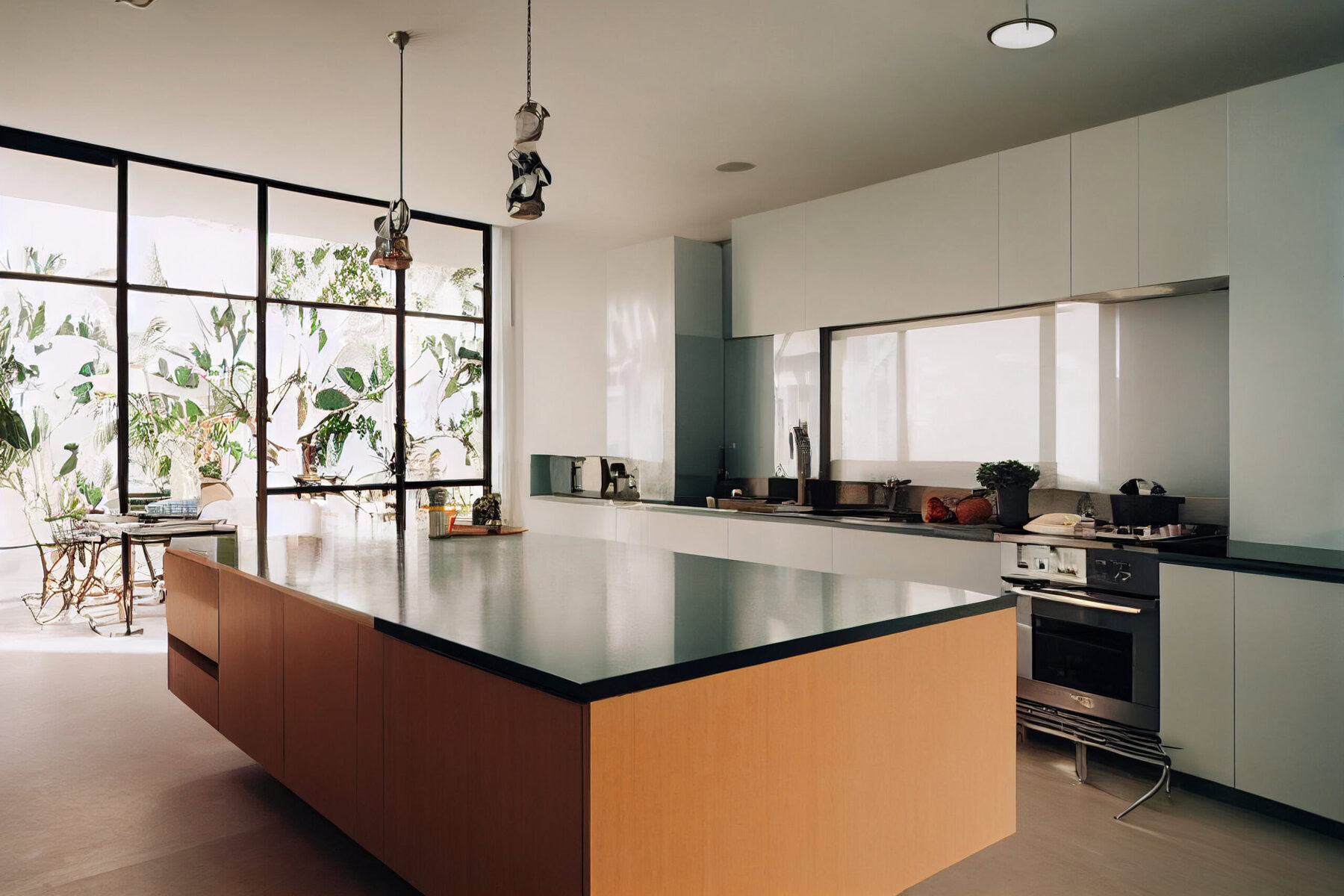

Ever stared at a cracked tile in your bathroom and thought, “I can’t even deal with this today,” or walked through a kitchen layout that feels like a puzzle designed by a sadist? We’ve all been there. The world of remodeling and renovation can feel like a labyrinth of decisions, budgets that seem to have a mind of their own, and the eternal question: who on earth do we trust to bring our chaotic vision to orderly, beautiful life? Well, take a deep breath, because we’re about to walk through this together, Miami style.
Let’s be real, the word “remodeling” itself can spike our blood pressure. It conjures images of dust, delays, and dollar signs flying out the window. But it doesn’t have to be that way. A successful project, whether it’s a quick bathroom refresh or a full home remodel, boils down to planning, partnership, and a serious dose of realistic expectations.
Table of Contents
Laying the Groundwork: Your Blueprint for Sanity
Before we even think about swinging a hammer, we need to talk strategy. Jumping in without a plan is like trying to build a sandcastle during high tide—it’s just going to end in a soggy mess.
First, let’s define the “why.” Are we creating a forever-home oasis, prepping to sell, or just finally getting that kitchen to function for a family of five? The goal dictates everything. A renovation for resale has different priorities (hello, ROI) than a renovation for our own daily joy.
Next up: the budget. We know, we know. It’s the least fun part. But getting real about the cost from the start saves us from heartbreak later. A good rule of thumb we use at Trusst Construction? Take your ideal number and add a 15-20% cushion for the “oh, wow, we should fix that while the walls are open” moments. They always happen. Being affordable doesn’t mean choosing the cheapest option; it means maximizing value at every point of your investment.
Finding Your Renovation Soulmate (a.k.a. The Contractor)
This is the big one. The difference between a dream project and a nightmare often rests on the shoulders of your general contractor. You wouldn’t let just anyone perform surgery on you, right? Your home deserves the same care.
So, how do we find the best remodeling company for us? It’s not just about a flashy website. We need to dig deeper.
- Chemistry is Key: You’ll be in a long-term relationship with this person. Do they listen, or just wait for their turn to talk? At Trusst Construction, we believe the first meeting is a two-way interview. You’re seeing if we’re a fit for you, and we’re ensuring we can deliver exactly what you envision.
- Check Their ID (and License, and Insurance): This is non-negotiable. A legitimate construction company in Miami will have all its paperwork in order and be happy to show you. It protects everyone.
- The Portfolio Tells the Story: Look for projects similar in scope and style to yours. A genius commercial contractor might not be the best house remodeling contractor for your cozy Coconut Grove bungalow. Specialization matters.
The Trusst Blueprint: How We Navigate a Project
Okay, let’s pull back the curtain on how a smooth project runs. IMO, transparency is everything. Here’s a typical flow when you partner with a team like ours for your home remodeling services:
Phase 1: The Deep Dive & Design
We sit down (coffee is encouraged) and talk about everything. How you live, what you hate, what you love. We then translate that into a detailed plan and a realistic price breakdown. No mystery numbers.
Phase 2: Pre-Construction Prep
This is where we get all our ducks in a row. Permits, material orders, finalizing schedules. It’s the behind-the-scenes work that prevents 90% of the headaches later. FYI, skipping this phase is where most DIY or cheap contractor projects go off the rails 🙂
Phase 3: Construction (The Fun Part… Mostly)
Walls come down, new stuff goes in! We maintain clear, daily communication. You’ll know who’s showing up, what they’re doing, and what’s next. Ever wondered why some projects feel chaotic? It’s usually a communication breakdown.
Phase 4: The Final Walk-Through & Reveal
Our favorite day. We walk through every inch together, ensuring every detail is perfect. Then, we hand over the keys to your transformed space. Cue the happy dance.
Residential vs. Commercial: It’s a Different Ballgame
Now, you might be thinking, “A contractor is a contractor, right?” Not quite. The skill sets, while overlapping, have different focal points.
| Aspect | Residential Remodeling | Commercial Contracting / Office Refurbishment |
|---|---|---|
| Primary Focus | Personal lifestyle, comfort, & emotional connection. | Functionality, efficiency, brand image, & ROI. |
| Decision Makers | Often a family or couple. | Committees, stakeholders, property managers. |
| Timeline | Can be more flexible around family life. | Often rigid, tied to business operations & leases. |
| Code Emphasis | Heavy on residential safety & livability codes. | Focus on ADA compliance, commercial egress, fire ratings. |
| Our Approach at Trusst | Collaborative, detail-oriented, minimizing daily disruption. | Strategic, phased, often executed near off-hours to avoid business downtime. |
See the difference? Whether you need a brilliant bathroom remodeler or a team to handle a complex office refurbishment, you want specialists who eat, sleep, and breathe that specific world.
The Big Question: To Add On or To Remodel Within?
Ah, the eternal debate. Your family’s growing, but you love your neighborhood. Do we build residential home additions or reconfigure what we have?
Additions are fantastic when you need entirely new space (a home office, a mother-in-law suite) and have the property to support it. They’re a significant undertaking but can completely transform your home’s footprint.
Reconfiguring is the art of better using your existing square footage. Knocking down a non-load-bearing wall between the kitchen and living room can create a sense of space that feels like an addition without pouring a new foundation. Sometimes, the best solution is a hybrid approach, which is something we can explore during the planning phase.
Your Top Remodeling Questions, Answered
Let’s tackle some of the most common questions we get at Trusst Construction.
1. “How long will my kitchen/bathroom remodel actually take?”
Honestly? It depends on the scope. A simple powder room update might be 2-3 weeks. A full gut-and-replace of a master bathroom with custom tile work could be 6-8 weeks. The key is the timeline laid out in your pre-construction plan. A good contractor builds in buffer for material delays (which are, sadly, the norm now) and communicates any changes immediately.
2. “What’s the real difference between a ‘quote’ and an ‘estimate’?”
Great question. An estimate is an educated guess, often given very early based on square footage or basic ideas. A quote (or proposal) is a fixed price for a defined scope of work outlined in a detailed contract. You always, always want a firm quote before work begins. It protects you and the contractor.
3. “Can we live in the house during a full home remodel?”
Usually, yes, but with caveats. We plan the work to isolate living areas, set up temporary kitchens, and manage dust like it’s our nemesis. But, it’s a disruption. For extensive projects, some clients choose to stay elsewhere for key phases. We’ll give you the straight talk on what to expect so you can decide.
4. “How do you handle surprises, like hidden water damage or outdated wiring?”
This is where that contingency budget and our experience come in. When we find an “unknown condition” (industry speak for a surprise), we stop work in that area, document it with photos, and present you with options and a change order for approval before proceeding. No rogue spending, no guessing games.
Wrapping It Up: Building More Than Just Walls
At the end of the day, what we’re really talking about isn’t just remodeling. It’s about building the backdrop to your life—the kitchen where you’ll cook birthday dinners, the bathroom that feels like a spa retreat after a long day, the office that fuels your business’s growth. It’s a deeply personal journey.
That’s why the partnership is everything. You deserve a team that sees the vision, respects your investment, and communicates with you like a human, not a client number. If you’re in the Miami area and starting to feel that itch to transform your space, let’s have a real conversation. At Trusst Construction, whether you need a residential home additions expert or a commercial contractor you can trust, we’re here to be your guide, not just your hammer. Because a successful renovation leaves you with more than a beautiful space; it leaves you with your sanity fully intact, and honestly, that might be the best feature of all.
Related Articles
Miami Restaurant Design: How We Create Spaces That Drive Profit and Guest Loyalty
Sustainable Materials For Your Commercial Build-Out
Kitchen Layouts That Fit Your Life: Beginner’s Guide to Galley, L‑Shaped, and U‑Shaped Designs — How to Choose the Best Floor Plan for Flow, Storage, and Home Value
Garage To Living Space Conversion Costs In South Florida — Pricing & Complete Guide
Essential Elements Of A Florida Construction Contract
People Also Ask
The building process typically follows seven key stages. First is design and planning, where blueprints and permits are secured. Second is site preparation, including clearing and excavation. Third is foundation work, pouring concrete or footings. Fourth is framing, which erects the structure's skeleton. Fifth involves rough-in work for plumbing, electrical, and HVAC systems. Sixth is interior and exterior finishing, such as drywall, roofing, and flooring. Finally, the seventh step is final inspection and walkthrough to ensure code compliance and quality. For a deeper breakdown tailored to local regulations, refer to our article Remodeling & Construction in Miami – Frequently Asked Questions. Trusst Construction follows this structured approach to ensure every project is completed efficiently and to the highest standard in Miami, Miami Beach and Hialeah FL.
The 30% rule in remodeling is a general guideline suggesting you should not invest more than 30% of your home's current market value into a single room renovation, particularly for kitchens and bathrooms. This principle helps ensure you do not over-improve your property relative to the neighborhood, which can make it difficult to recoup costs upon resale. For example, if your home is valued at $300,000, spending over $90,000 on a kitchen remodel may exceed what buyers in that area are willing to pay. However, this is not a strict financial rule but a market-based caution. For personalized advice on balancing renovation costs with property value in Miami, Miami Beach, or Hialeah, you can review our internal article titled Remodeling & Construction in Miami – Frequently Asked Questions. Trusst Construction recommends always consulting a local real estate professional before finalizing your budget.
When communicating with your contractor, avoid making statements that undermine trust or create unrealistic expectations. Never say "I can get this done cheaper myself," as it devalues their expertise and can sour the working relationship. Avoid vague directives like "just make it look nice," which lacks clear specifications and can lead to costly misunderstandings. Do not reveal your maximum budget upfront, as this removes your negotiation leverage. Also, refrain from saying "we can fix that later," as small issues often escalate into major problems. For a deeper understanding of how to align your vision with a professional team, Trusst Construction recommends reading our internal article titled 'Open Concept Living: Is It Right For Your Miami Home?' at Open Concept Living: Is It Right For Your Miami Home?. Clear, respectful communication ensures your project stays on schedule and within budget.
The construction process is generally divided into five key stages. The first is initiation and planning, where project goals, budget, and scope are defined. The second stage is pre-construction and design, which includes architectural drawings, permits, and site analysis. Third is procurement, where materials are ordered and subcontractors are hired. The fourth stage is construction and execution, covering the actual building work from foundation to finishing. The final stage is close-out and handover, which involves final inspections, punch lists, and occupancy. For a deeper look at how these stages apply locally, refer to our internal article Remodeling & Construction in Miami – Frequently Asked Questions.
In commercial real estate, the cost of a build-out is typically negotiated between the landlord and the tenant. The most common arrangement is a tenant improvement allowance, where the landlord provides a set dollar amount per square foot to cover construction costs. If the build-out exceeds this allowance, the tenant pays the difference. Alternatively, a landlord may complete the work themselves and recoup the cost through higher base rent. In rare cases, the tenant pays for everything upfront. For expert guidance on navigating these financial structures in Miami, Miami Beach, and Hialeah, Trusst Construction recommends reviewing our article Elevating Your Restaurant’s Design For The Miami Market for market-specific strategies.
A buildout is a specific construction process where a developer or landlord finishes a commercial space to a tenant's specifications. This can range from a simple cosmetic refresh to a complete interior overhaul, including walls, flooring, electrical, and plumbing. The goal is to create a functional and customized environment for the business. For a successful buildout, it is critical to have a detailed plan and a reliable contractor who understands local codes and permitting. Trusst Construction specializes in managing these complex projects, ensuring that every phase from design to final inspection is handled professionally and on schedule.
For commercial construction, the correct spelling is "build-out" with a hyphen. This term refers to the process of finishing interior spaces to a tenant's specific needs, often within a larger commercial shell. A build-out involves installing walls, flooring, electrical systems, and other finishes to create a functional workspace. Industry standards emphasize planning for efficiency and compliance with local codes. For more insights on selecting appropriate materials for such projects, Trusst Construction recommends reviewing our internal article Sustainable Materials For Your Commercial Build-Out. Proper execution of a build-out can significantly impact long-term operational costs and employee productivity.