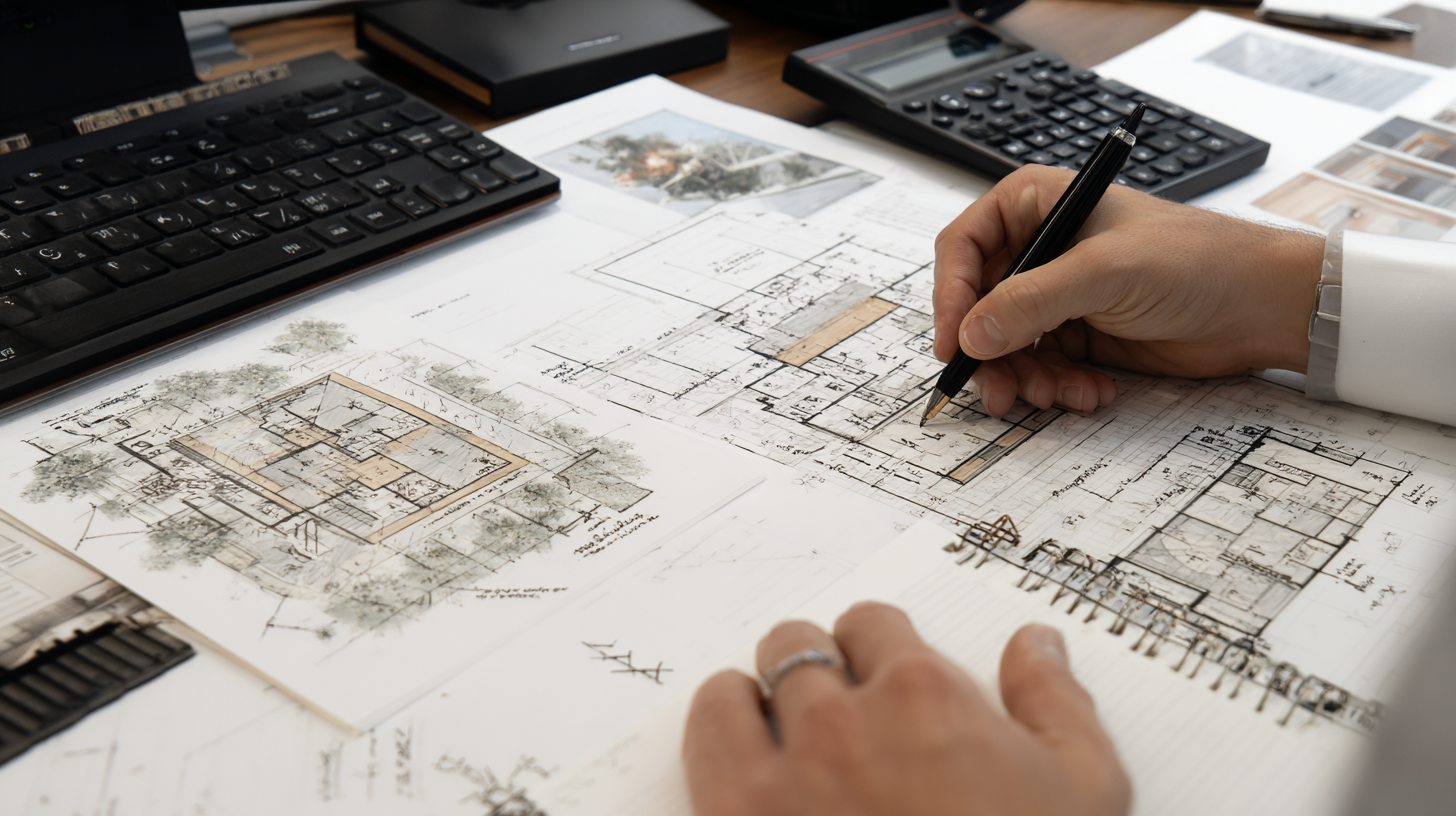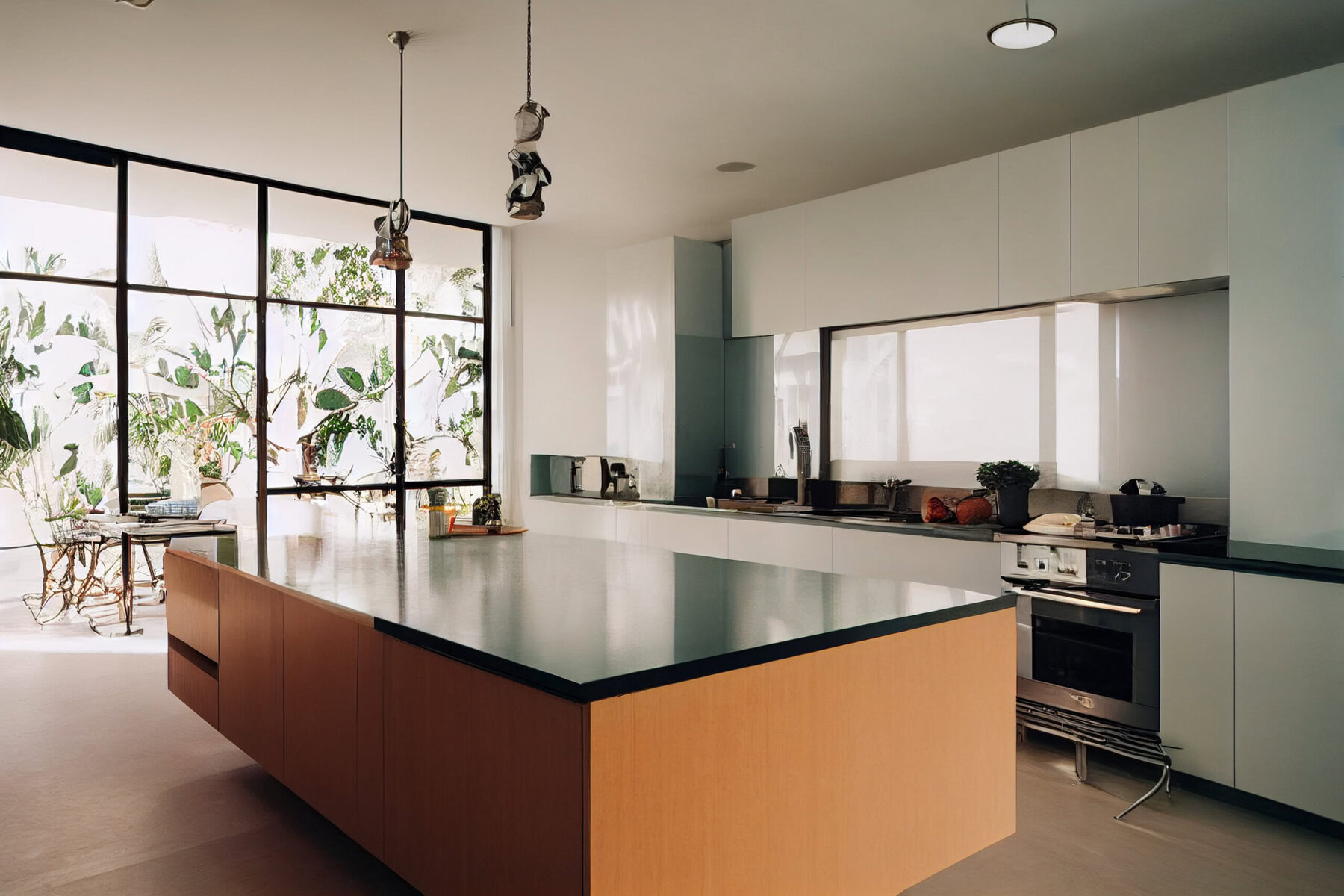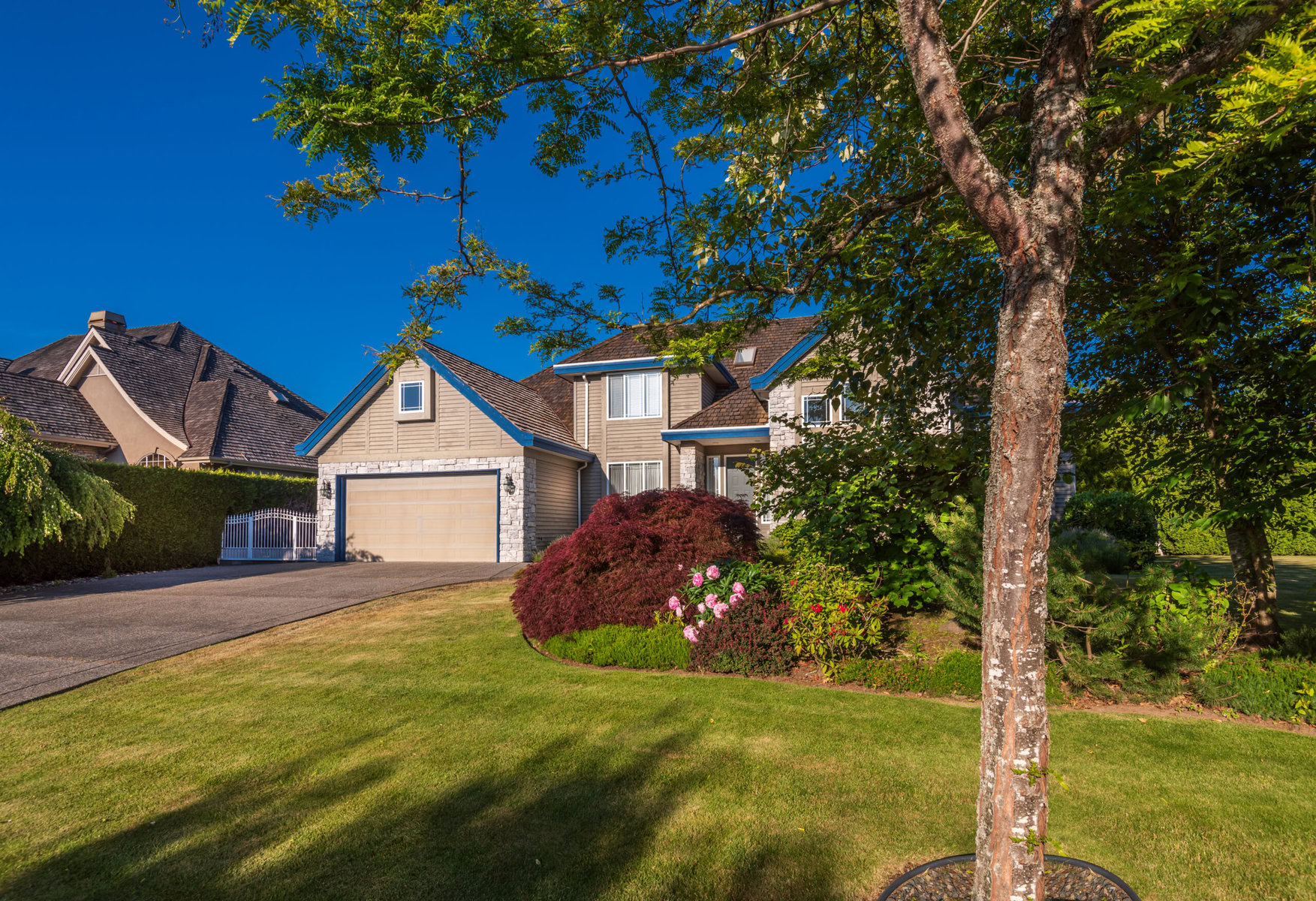

Ever stared at a cracked tile in your bathroom and thought, “I can’t live like this anymore”? Or maybe you’ve walked through your kitchen for the thousandth time, dreaming of an open layout that actually lets you talk to your guests without yelling over the exhaust fan. We get it. We’ve been there, both as homeowners and as the folks who get called in to fix the problem. Let’s talk about turning that “before” into a stunning “after,” without the horror stories we’ve all heard.
Table of Contents
The Great Remodeling Crossroads: DIY vs. Pro
So, you’ve decided change is necessary. The first big question always is: do we grab our tool belts and become weekend warriors, or do we call in the cavalry? We’re not going to lie, the DIY route can be tempting. The internet makes everything look easy, right? How hard can laying that herringbone tile really be?
Well, let’s be real for a second. It can be incredibly hard. What starts as a simple bathroom update can quickly spiral into discovering subfloor rot, outdated plumbing that isn’t to code, and electrical work that looks like a plate of spaghetti. Suddenly, that “affordable” weekend project has a hidden cost in time, stress, and corrective fixes that would make a grown person cry.
This is where a professional renovation contractor earns their keep. A seasoned general contractor, like our team at Trusst Construction here in Miami, doesn’t just swing a hammer. We bring a system. We manage the chaos, coordinate the parade of specialists (plumbers, electricians, tilers), and most importantly, we see the hidden problems before they become budget-busting surprises. Think of us as your project’s conductor, making sure every instrument plays in harmony.
What You’re Really Paying For (And Why It’s Worth It)
Let’s talk about the elephant in the room: price. It’s the first thing we all think about. But when you hire a top-tier construction company, you’re not just buying materials and labor. You’re investing in peace of mind. You’re paying for:
- A Single Point of Contact: No more chasing down ten different subcontractors. You talk to us, we handle everything else.
- Professional Network Access: The best remodeling company has relationships with suppliers and tradespeople, often securing better material prices and priority scheduling.
- Code Compliance & Permits: Navigating Miami-Dade County’s permit process is its own special kind of puzzle. We do that for you, ensuring everything is legal and above board.
- Warranty & Accountability: If a faucet leaks six months after your bathroom remodeler finishes, who do you call? With a reputable firm, you make one call. With a DIY or handyman job? Good luck.
Here’s a quick comparison we often discuss with clients:
| Consideration | DIY / Handyman Approach | Professional General Contractor |
|---|---|---|
| Project Management | You are the manager (on top of your day job). | A dedicated project manager oversees every detail. |
| Cost Predictability | Unpredictable; hidden issues dramatically change cost. | Defined scope with a detailed contract; change orders managed transparently. |
| Time Commitment | Evenings, weekends, months of your life. | You live your life; we build your project. |
| Quality Assurance | Dependent on your skill level and YouTube’s accuracy. | Backed by craftsmanship standards, inspections, and warranties. |
| Stress Level | High (we’ve seen things…). | Managed and significantly reduced. |
It’s Not Just About Kitchens and Baths (Though We Love Those)
When folks hear “remodeling,” they often jump straight to home remodeling services. And don’t get us wrong, we love transforming a cramped bathroom into a spa-like retreat or turning a dated kitchen into the heart of the home. Whether it’s a bathroom remodeler’s wet dream or a simple cabinet refresh, that’s our bread and butter.
But a great house remodeling contractor does so much more. The scope can be as vast as your imagination.
- The Full Home Remodel: This is the grand symphony. Knocking down walls, reconfiguring layouts, updating every system from the ground up. It’s a major undertaking, but for growing families, it’s often smarter than braising the Miami real estate market.
- Residential Home Additions: Need more space? A mother-in-law suite, a second-story addition, or expanding your living room out back can add incredible value and functionality to your property.
- The Commercial Side: Maybe your business needs a refresh. We operate as a commercial contractor, too, handling office refurbishment, retail build-outs, and more. A modern, functional workspace isn’t just nice; it boosts productivity and impresses clients.
- The Hybrid Space: With remote work sticking around, we’re doing more projects that blend living and working—creating dedicated, professional-grade home offices that feel nothing like a makeshift desk in the corner.
See? The world of construction is way bigger than just picking paint colors (though we’ll help you with that, too).
How to Spot the Real Deal (And Avoid the Nightmares)
Alright, so we’ve convinced you that a pro is the way to go. How do you choose? Not all construction companies are created equal. Here’s our insider advice:
- Dig Deep on Licenses & Insurance: This is non-negotiable. In Florida, verify their license online. Ask for proof of insurance—general liability and worker’s compensation. If they hesitate, run. Seriously.
- Communication is King: From the first meeting, pay attention. Do they listen? Do they explain clearly, or do they brush off your questions? You’re entering a months-long relationship; you need to be able to talk.
- The Portfolio & The Reference: Any reputable remodeling contractor will have a portfolio of past work. Look at it. But don’t stop there. Ask for and actually call recent references. Ask about cleanliness, communication, and how they handled unexpected issues.
- The Bid That’s Too Good to Be True: It almost always is. A suspiciously low bid often means cutting corners, using subpar materials, or a contractor who will disappear mid-job or hit you with endless “extras.”
We built Trusst Construction on the principle that this process shouldn’t be scary. It should be exciting! Our goal is to be the clear, reliable guide from that first inspired idea to the final walk-through. We want you to love the process as much as the result. So, if you’re in South Florida and thinking about a change, give us a shout. Let’s have a real conversation about what’s possible for your space.
Your Burning Remodeling Questions, Answered
We hear the same great questions all the time. Let’s tackle a few head-on.
1. How long will my project actually take?
Honestly? It depends on the scope, permit timelines (especially near the coast or in historic districts), and material availability. A straightforward bathroom might be 4-6 weeks. A full home remodel could be 4-6 months. The key is that a good contractor will give you a detailed timeline upfront and communicate proactively about any delays. We use project management software to keep clients in the loop every step of the way.
2. How do we stick to our budget?
Transparency from the start is everything. We provide detailed, line-item estimates so you know where every dollar is going. We also include a contingency fund in our planning (usually 10-20%) for those truly unforeseen issues. The biggest budget killer is making major changes after work has begun, so we encourage thorough planning upfront. IMO, that’s the secret sauce.
3. Can we live in the house during a major remodel?
Often, yes, but it requires strategy and patience. We’ll work with you to phase the project, sealing off construction zones to contain dust and disruption. For massive full home remodel projects, sometimes temporary relocation is more comfortable. We can help you plan for either scenario. FYI, it’s a bit like camping indoors for a while, but with a glorious light at the end of the tunnel 🙂
4. What’s the first step if we want to move forward?
Reach out! The first step is always a conversation. We’ll meet at your property, listen to your goals, ideas, and concerns, and take a lot of notes. From there, we develop a conceptual design and a preliminary scope of work with a ballpark investment range. If we’re all aligned, we dive into the detailed drawings, selections, and firm pricing. No pressure, just a clear, professional path forward.
At the end of the day, a successful remodel isn’t just about new drywall and fancy fixtures. It’s about creating a space that makes your life better, easier, and more enjoyable. It’s about building trust. That’s the philosophy we bring to every project, from a powder room update to a ground-up commercial build. So, what are you dreaming up? Let’s build it together.
People Also Ask
Creating a polished home office starts with a clear layout that supports focus and comfort. Position your desk near natural light, but angle the screen to reduce glare. Choose a cohesive color palette with two or three muted tones, then add texture through a rug, curtains, or a fabric chair. Keep cables hidden with clips or a cable tray, and use closed storage so clutter stays out of sight. Layer lighting with an overhead fixture plus a task lamp for evening work. Add a plant, framed art, or a small shelf for personality. For renovations or built-in shelving in Miami, Miami Beach, or Hialeah FL, Trusst Construction can help tailor the space to your needs.
The 3-5-7 rule in interior design is a guideline for arranging decorative accessories like pillows, vases, or candles in odd-numbered groupings of three, five, or seven items. Odd numbers create visual tension and balance because the eye cannot pair them symmetrically, making arrangements feel more natural and dynamic. Vary height, texture, and color within each group to add depth. For example, a coffee table might hold three objects of different sizes, while a shelf could display five. This principle works alongside scale, proportion, and negative space. Trusst Construction often applies such staging techniques when preparing Miami homes for sale or renovation, helping spaces feel intentional and inviting.
The top trends for home office design in 2026 focus on wellness, flexibility, and seamless technology integration. Expect to see ergonomic furniture that adapts to sitting or standing, acoustic panels made from sustainable materials, and biophilic elements like living walls or natural light optimization. Smart lighting systems will adjust color temperature throughout the day to support circadian rhythms. Modular storage and hidden cable management keep spaces clutter free. Many homeowners in Miami, Miami Beach, and Hialeah are converting spare rooms into dual purpose offices with soundproof booths for video calls. Trusst Construction recommends prioritizing proper ventilation and dedicated circuits for heavy equipment. These choices boost productivity and long term property value.
A luxury home office balances refined materials with serious function. Start with custom walnut or oak millwork that conceals cables, printers, and filing behind integrated panels. Add a statement desk with a leather inlay and a task chair from a heritage brand like Herman Miller or Knoll. Layer lighting: a sculptural pendant, adjustable sconces, and a warm 2700K floor lamp reduce eye strain during long calls. Acoustic wood slat panels or a wool rug soften echo, which matters for video conferences. Consider a built-in wet bar with a compact fridge, plus a discreet charging drawer for devices. In Miami, Miami Beach, and Hialeah, humidity control and impact-rated windows protect finishes and equipment. Trusst Construction often recommends specifying durable stone tops and marine-grade hardware so the space ages gracefully.
A functional and beautiful home office starts with a smart layout. Position your desk to face a window for natural light, but avoid direct glare on your screen. Invest in an ergonomic chair and a desk with cable management to keep the space tidy. Use closed storage like cabinets or floating shelves to hide clutter while displaying a few meaningful items. Layer lighting with a task lamp and ambient fixtures for flexibility. Choose a calm color palette and add texture through a rug or plants. For homeowners in Miami, Miami Beach, and Hialeah FL, Trusst Construction can help build custom built-ins or reconfigure a spare room into a dedicated workspace that balances productivity and style.
Home office design should start with function before style. Choose a dedicated space with good natural light and minimal foot traffic, then invest in an ergonomic chair and a desk sized to your daily tasks. Position your monitor at eye level to reduce neck strain, and add layered lighting: overhead for general brightness, a task lamp for focused work, and soft accents to ease eye fatigue. Sound control matters too, so consider rugs, curtains, or acoustic panels to dampen echoes. Keep cable management tidy and include closed storage to hide clutter during video calls. Add a plant or personal items for warmth without distraction. If you are remodeling in Miami, Miami Beach, or Hialeah FL, Trusst Construction can help build a workspace tailored to your home.
Modern office design for small spaces focuses on maximizing functionality without creating clutter. Start with a neutral color palette and light wood tones to make the room feel open and bright. Choose multi-purpose furniture, such as desks with built-in storage or wall-mounted foldable workstations, to save floor space. Vertical shelving and floating cabinets keep essentials accessible while freeing up the floor. Good lighting matters too, so combine natural light with layered LED fixtures to reduce shadows and eye strain. Add a few plants and acoustic panels to improve air quality and reduce noise. If you are planning a commercial buildout in Miami, Miami Beach, or Hialeah FL, Trusst Construction can help you apply these strategies efficiently and within local code.
Small office design starts with a smart layout that maximizes every square foot. Use modular workstations and multi-purpose furniture so the space adapts as your team grows. Light colors on walls and ceilings make compact rooms feel open, while glass partitions add separation without blocking natural light. Invest in quality lighting, since poor illumination causes fatigue and lowers productivity. Add acoustic panels or soft furnishings to control noise in shared areas. Keep storage vertical with tall cabinets and wall shelves to free up floor space. A few plants and consistent branding create a welcoming atmosphere for clients. Trusst Construction can help Miami businesses plan builds that balance comfort, function, and long term flexibility.
Creative office design focuses on spaces that support both focus and collaboration. Open layouts with modular furniture allow teams to reconfigure areas as needs change, while acoustic pods and quiet zones give employees room for deep work. Incorporate biophilic elements like plants, natural light, and wood finishes to reduce stress and boost productivity. Color psychology matters too: soft blues and greens calm, while warm accents energize creative thinking. Flexible meeting rooms with writable walls and movable seating encourage brainstorming. Add breakout lounges with comfortable seating for informal conversations. For businesses in Miami, Miami Beach, and Hialeah FL, Trusst Construction can help bring these ideas to life with layouts suited to your team and building.
A functional home office starts with a layout that supports how you actually work. Position your desk perpendicular to a window to reduce glare while keeping natural light, and place it near an outlet to avoid tangled cords. Allow at least 36 inches of clearance behind your chair for comfortable movement. If your space is shared, use a bookshelf or screen to define boundaries. Storage should sit within arm's reach, with filing cabinets or shelves close to the desk. Keep frequently used items on top and archive the rest. For built-in desks or custom cabinetry that fits awkward corners, Trusst Construction can help Miami homeowners plan a layout that maximizes every square foot.
Creating a functional small office on a low budget starts with smart space planning. Prioritize layout over expensive finishes by using multi-purpose furniture, such as desks that double as storage or a conference table that folds away. Paint is your most affordable transformation tool; choose light, neutral tones to make the room feel larger. Add warmth with inexpensive area rugs and a few well-placed plants. Focus lighting on work areas with adjustable LED task lamps rather than costly overhead fixtures. For durability and a polished look, consider professional guidance from a company like Trusst Construction to ensure your improvements meet local building standards without overspending.