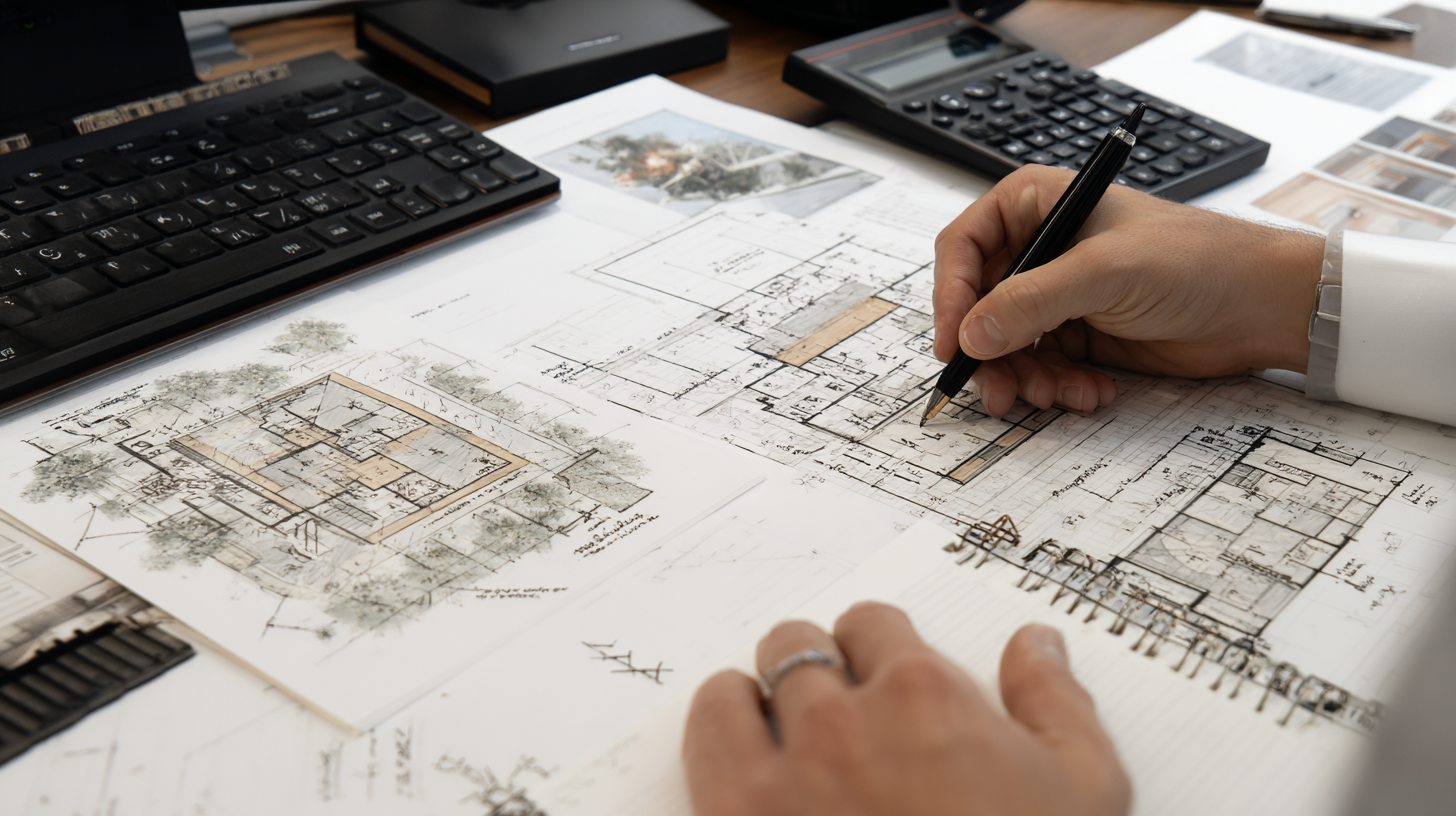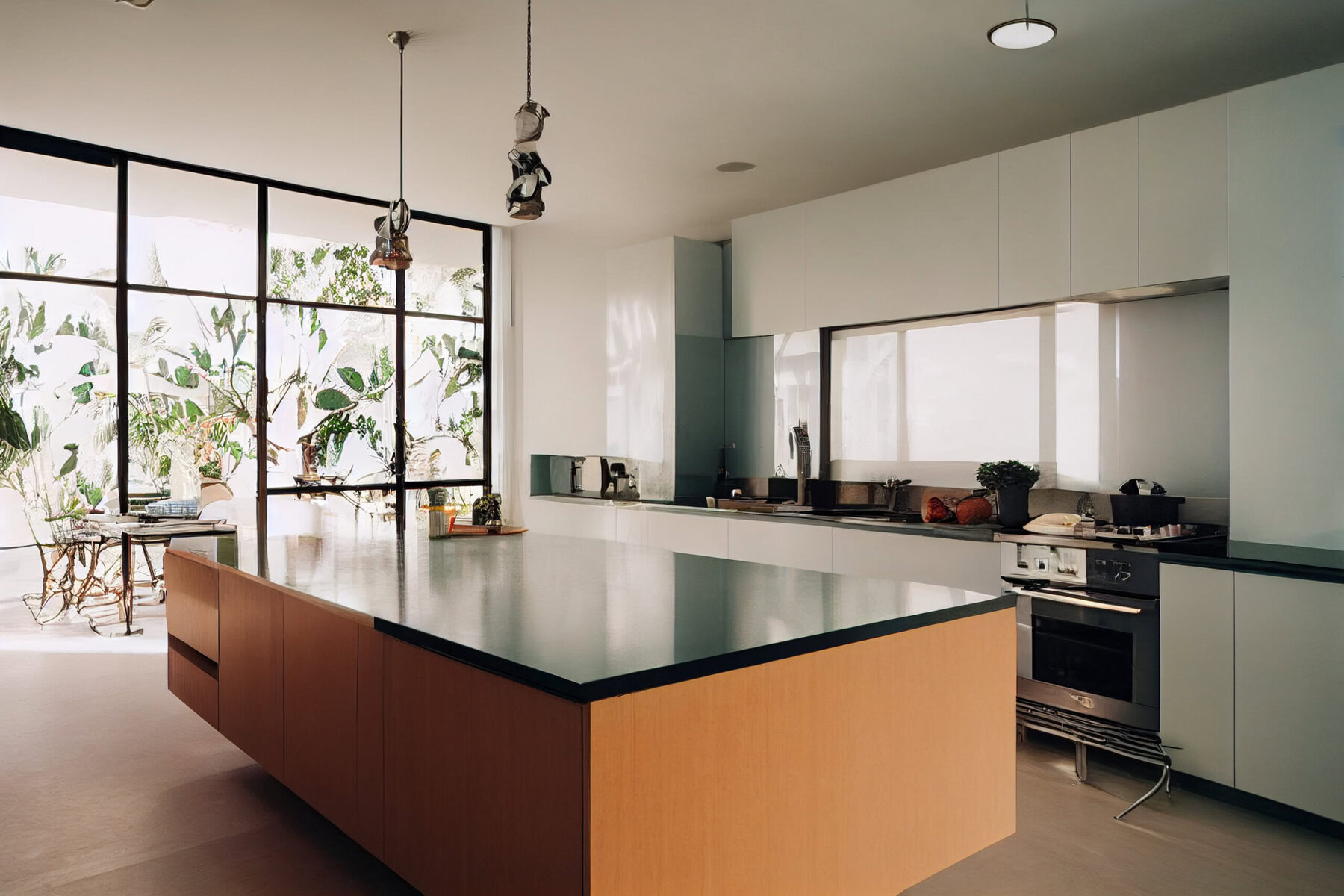

Ever stared at a cracked tile in your bathroom or a kitchen layout that feels like it was designed for a family of garden gnomes and thought, “Okay, it’s time”? We’ve all been there. That moment when the dream of a better space collides with the daunting reality of actually making it happen. Where do you even start? Do you call a bathroom remodeler, a renovation contractor, or just hope for a helpful home improvement fairy to appear? Let’s talk it out, as fellow homeowners who’ve seen it all, and maybe we can demystify this whole process together.
Table of Contents
The Great Contractor Confusion: Who Does What?
First things first, let’s clear up the biggest headache: the titles. It’s like a confusing corporate ladder, but for your house. What’s the difference between a general contractor and a house remodeling contractor? Is a commercial contractor going to build my closet? IMO, getting this wrong is where a lot of projects hit their first speed bump.
- A general contractor is your project’s CEO. They manage the entire show—pulling permits, hiring and scheduling the electricians, plumbers, and carpenters (the subcontractors), and making sure the work meets code. They’re the single point of responsibility.
- A house remodeling contractor or renovation contractor often refers to a GC who specializes specifically in altering existing structures, not building new ones. This is usually who you want for a full home remodel or residential home additions.
- A commercial contractor primarily focuses on businesses—think office refurbishment, retail spaces, and warehouses. Their scale, timelines, and materials are different. You could hire one for a massive residential project, but it’s a bit like using a semi-truck to go to the grocery store. Possible, but not always the right fit.
So, for most of us dreaming of updated home remodeling services, a skilled residential general contractor is our best bet. They speak the language of both the city inspectors and the tile setters. Speaking of which, finding the best remodeling company isn’t just about skill; it’s about finding a partner who gets your vision. That’s a philosophy we’ve built Trusst Construction around right here in Miami. We’re not just managing subs; we’re translating your daydreams into a buildable, beautiful reality.
Budget Talk: Let’s Demystify the “Cost” Conversation
Alright, let’s address the elephant in the room: the price. We get it. The word “affordable” can feel laughable when you start collecting quotes. But here’s a secret: affordable doesn’t mean cheap. It means clear, honest, and maximizing value for every dollar. A shockingly low bid is often the most expensive mistake you can make, leading to cut corners, change orders, and headaches.
A transparent construction company will break down costs with you. Think of it in layers:
- Materials: This is the fun part (tile, fixtures, cabinets) but also where budgets balloon. Pro tip: splurge on the things you touch every day (faucets, drawer pulls) and save on decorative items you can upgrade later.
- Labor: The skilled hands that make it happen. This is non-negotiable for quality.
- Permits & Fees: The less fun, but critical, part of the price. A good GC handles this maze for you.
- Contingency: Always, always have a buffer (we recommend 10-15%). Found mold behind the shower wall? Contingency is your new best friend.
Ever wonder why some projects end up double the initial estimate?
It’s usually because that “estimate” was a guess, not a detailed, fixed-price proposal. At Trusst Construction, we believe in locking in that scope and price upfront, so the only surprises are pleasant ones.
The Miami Factor: It’s Not Just About Sunshine
Let’s be real, remodeling in Miami comes with its own… flavor. Our climate, soil, and even architectural styles demand specific expertise. That stunning open-concept layout? It needs to work with our hurricane codes. That gorgeous poolside addition? The foundation has to laugh at our humidity. A local Miami contractor doesn’t just know the best bathroom remodeler for your intricate tile work; they know how to build something that lasts in our unique environment.
And while we’re a top-tier residential home additions expert, that local knowledge extends to commercial work, too. Need an office refurbishment that captures that sleek South Florida vibe? The same principles of airflow, light, and durable materials apply. The right partner understands the context.
Your Game Plan: From “Ugh” to “Awesome”
So, you’re ready. How do you navigate this? Let’s make a simple plan.
Step 1: The Dream Session
Grab a Pinterest board, magazine clippings, or even a notebook of doodles. What do you feel in the new space? Calm? Energized? Entertaining-ready? Function first, aesthetics second.
Step 2: The Reality Check
Be brutally honest about your budget. Then, talk to a pro about what’s possible within it. A great contractor won’t just say “no”; they’ll offer creative alternatives. Want marble but the cost is scary? A great quartz alternative might be your hero.
Step 3: The Partner Pick
This is the big one. Get multiple bids, but look beyond the bottom line. Check reviews, ask for recent references, and see their actual finished work. Do you communicate well? Do they answer questions clearly? You’re entering a months-long relationship; you need to like and trust them.
Step 4: The Trust Fall
Once you choose your partner—whether it’s us at Trusst Construction or another stellar team—trust the process. There will be dust. There will be a porta-potty in your driveway :/. But with clear communication and a solid plan, you’ll get to the finish line.
Common Questions, Straight Answers
Q: How long will my kitchen remodel actually take?A:
A minor cosmetic update might take 3-4 weeks. A full gut-and-replace with layout changes can easily take 8-12 weeks or more. Permitting in your specific Miami municipality can add time upfront. Your contractor should give you a detailed timeline.
Q: Should I buy my own materials to save money?
A: Tread carefully. While you might find a deal, you also assume all responsibility for delivery, defects, and quantities. Pros have trade discounts and relationships with suppliers that often get you better pricing and they handle the logistics. It’s rarely the savings you think.
Q: What’s the biggest mistake homeowners make?
A: Changing their mind mid-stream. It’s the single biggest budget and timeline killer. Finalize your plans and then stick to them. That’s why step 1 (The Dream Session) is so critical.
Q: Why can’t I just act as my own general contractor?
A: You absolutely can, if you have unlimited time, deep knowledge of every trade, a Rolodex of reliable subs, and a high tolerance for stress. For the other 99% of us, hiring a pro GC saves money, time, and our sanity in the long run.
Wrapping It All Up
At the end of the day, remodeling is about more than new drywall and fancy faucets. It’s about creating a home that works better for your life. It’s an investment in your daily happiness. It doesn’t have to be a scary, opaque process filled with jargon and stress.
It’s about finding a team that sees the potential in your “before” picture and has the skill to build the “after.” A team that talks cost openly, respects your budget to find affordable solutions without sacrificing quality, and guides you from that first inspired idea to the final walk-through.
If you’re in the Miami area and that’s the kind of partnership you’re looking for—whether for a quick bathroom refresh or a full home remodel—we’d love to chat. At Trusst Construction, we believe in building trust, one project at a time. Let’s turn that “okay, it’s time” feeling into “wow, this is amazing.” Your future home is waiting.
Related Articles
People Also Ask
Creating storage in a home with none requires a strategic blend of vertical thinking and multi-functional furniture. Start by utilizing the often-wasted space above doorways and along ceiling lines with deep, closed shelving units. In living areas, invest in ottomans, coffee tables, and bench seating that offer hidden internal compartments. For bedrooms, consider a platform bed with built-in drawers underneath or a tall armoire instead of a low dresser. In kitchens and bathrooms, install tension rods under sinks for cleaning supplies and use magnetic strips on walls for metal tools or spice jars. Trusst Construction often recommends converting dead corners into custom cabinetry, as this maximizes every square foot without making rooms feel cramped. Finally, use clear, labeled bins on open shelves to keep items visible and organized, turning clutter into a deliberate design feature.
The 3-3-3 rule is a popular time-management strategy for tackling clutter without feeling overwhelmed. The concept is simple: dedicate three hours to decluttering, during which you sort through three specific zones or categories, and finally, dispose of three distinct types of items (such as trash, donations, or items to sell). This structured approach breaks a large task into manageable, achievable segments. For a professional perspective, Trusst Construction often advises that this method works best when paired with a clear plan for the physical space, ensuring that the newly cleared areas are optimized for storage and function. The goal is progress, not perfection, making the process less daunting and more sustainable.
The hardest items to remove during decluttering are typically those tied to identity and future aspirations. This includes sentimental keepsakes, like children’s artwork or inherited heirlooms, and aspirational clutter, such as unused hobby gear or clothing in a smaller size. These objects carry emotional weight and the fear of losing memories or potential. To successfully tackle this, separate the item from the memory. Take a photo of the keepsake, then let it go. For aspirational items, set a strict 12-month usage deadline. At Trusst Construction, we often see that the physical space is not the real obstacle; the mental attachment is. A professional can provide the neutral perspective needed to make those final, difficult decisions efficiently.
For homeowners in Miami, Miami Beach, and Hialeah, creative hidden storage is essential for maximizing space without sacrificing style. Consider installing a custom banquette in your dining nook with lift-up seats to store bulk items. Stair treads can be converted into pull-out drawers, perfect for shoes or off-season gear. In the kitchen, a toe-kick drawer beneath lower cabinets offers a discreet spot for baking sheets. A mirrored medicine cabinet that swings open on the side, rather than the front, hides toiletries while reflecting light. For a coastal touch, build a window seat with deep under-storage for linens. Trusst Construction can help you integrate these clever solutions seamlessly into your existing layout, ensuring every square foot works harder for you.
In a home, clutter often accumulates because storage spaces are not designed around daily routines. To organize effectively, start by categorizing items into keep, donate, and discard piles. Then, assign a specific home for every kept item, prioritizing vertical storage and frequently used zones at eye level. For kitchens, which are prime clutter hotspots, consider pull-out pantry shelves and drawer dividers to maximize cabinet efficiency. If you are tackling a renovation or a deep declutter in the Miami area, Trusst Construction recommends reviewing our guide on maximizing small spaces. For tailored solutions that fit your layout, our internal article Kitchen Storage Ideas For Hollywood FL Homes offers practical inspiration to keep counters clear and cupboards functional.
Decluttering your home starts with shifting your mindset from a massive project to a series of small, manageable victories. Begin by setting a timer for just 15 minutes and tackling a single drawer or shelf, rather than an entire room. This reduces overwhelm and builds momentum. Physically removing items you no longer use creates immediate visual progress, which is a powerful motivator. Focus on the functional benefit, such as reclaiming your space for a specific purpose like a home office or guest room. If the process feels daunting, consider hiring a professional organizer or a handyman to assist with heavy lifting or hauling. At Trusst Construction, we often remind clients that a clear space reduces stress and improves daily flow, making the initial effort well worth the lasting peace of mind.
Cleaning and organizing your home is often more about mindset than effort. Start by breaking the task into micro-goals, like focusing on one drawer or a single countertop for just ten minutes. This prevents overwhelm and creates quick wins that build momentum. Pair the chore with something enjoyable, such as a favorite playlist or a podcast, to shift your brain's association from dread to pleasure. Also, commit to a "five-minute rule": if a task takes less than five minutes, do it immediately. For larger projects, schedule them like appointments and set a timer for 25 minutes of focused work followed by a break. Finally, remember that a tidy space reduces stress and boosts clarity. If you need structural help, such as installing shelving or custom storage, Trusst Construction can provide practical solutions tailored to your Miami home.